Table of Contents
Makeup artists tend to specialise in giving cosmetic applications for special occasions, photo shoots or the media industry. This is basically anywhere the focus needs to be on looking camera ready.
On the other hand, a beautician is someone who concentrates on the day to day salon services such as facial waxing and all the rest of the skincare stuff that keeps you looking good for everyday life.
In smaller salons you will probably find a bit of overlap between the two roles but really they aren’t the same thing. Also the way they work or get paid are also different.
Master Advanced Skincare, Makeup, Hair, and Salon Management. Enrol Now!
Key Takeaways
- Makeup artists are all about creating show-stopping, event-focused cosmetic looks.
- Beauticians provide all the day to day salon and skincare services you need to keep looking good.
- Makeup artist training is a few weeks tops, beautician training is a 6 to 12 month course.
- Entry level beauticians in India can expect to earn anything from around ₹12,000 to ₹25,000 a month.
- Freelance makeup artists charge by the booking – from a few thousand to big money for specialist bridal makeup artists.
- Loads of pros out there do both jobs – especially in smaller towns and freelance work.
- For big weddings and photo shoots you want a dedicated makeup artist who can give you that camera ready look.
- For routine skin and hair care though a beautician should be able to sort you out.
- Portfolio, hygiene standards and client feedback are what really matter when choosing a pro. Job titles aren’t the most important thing in the world.
Quick Comparison Table
| Aspect | Makeup Artist | Beautician |
| Main focus | Creative makeup for events, photos, and media | Salon-based skincare, hair removal, nails, and grooming |
| Typical services | Bridal, editorial, HD/airbrush, touch-ups | Facials, waxing/threading, manicures, pedicures, basic hair care |
| Training duration | A few weeks to a few months | Six to twelve months (diploma/certificate) |
| Common workplaces | Freelance, bridal studios, film/TV, fashion shows | Salons, spas, wellness centres, clinics |
| Starter investment | Roughly ₹10,000–₹50,000 for a basic kit | Varies widely by salon scale and equipment |
| Earnings model | Per-event fees, retainers, product sales | Monthly salary, per-service revenue, packages |
| Best suited for | Event-centric, camera-ready looks | Routine salon care and repeat clients |
Master Makeup, Hair & Skincare to Build Your Beauty Identity
Unlock your creative potential with our expert-led Beauty & Wellness course. Build in-demand beauty skills and step confidently into the world of beauty!
Your Beauty Career Starts Here!What a Makeup Artist does
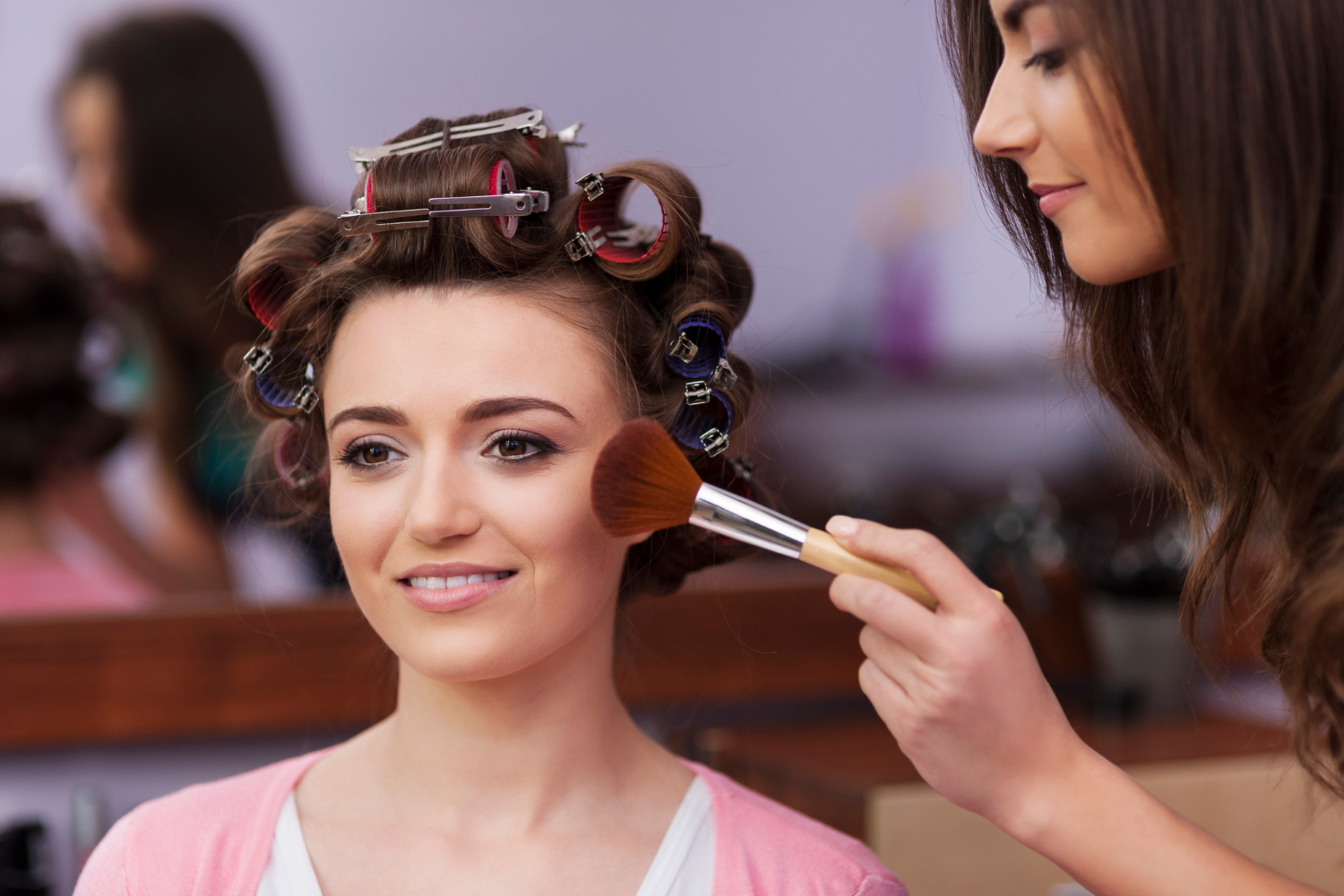
A makeup artist creates and puts together makeup looks, designed for use at weddings, photo shoots, films, and fashion shows. The work they do can range from doing wedding makeup to doing makeup for high-definition cameras that requires the use of airbrushes and special effects.
A lot of pros end up specialising in a particular area – either wedding or fashion makeup, for instance.When hiring a makeup artist you’ll usually see a big emphasis on colour theory. This combines stuff about hygiene with knowing about different skin types and how different products work.
What the role typically involves:
-
Services:
Bridal and pre-bridal trials, editorial shoots, HD and airbrush makeup, on-set touch-ups.
-
Training:
Short-term certificate courses lasting a few weeks to a few months. Advanced bridal or film/SFX workshops for specialisation.
-
Tools:
Foundations, concealers, brushes, airbrush kits, setting sprays, and sterile applicators, with strict attention to expiry dates and hygiene.
-
Workplaces:
Freelance bookings, bridal studios, film and television sets, and fashion agencies.
-
Career growth:
Bridal specialist, SFX artist, makeup educator, or product-line founder.
What a Beautician does
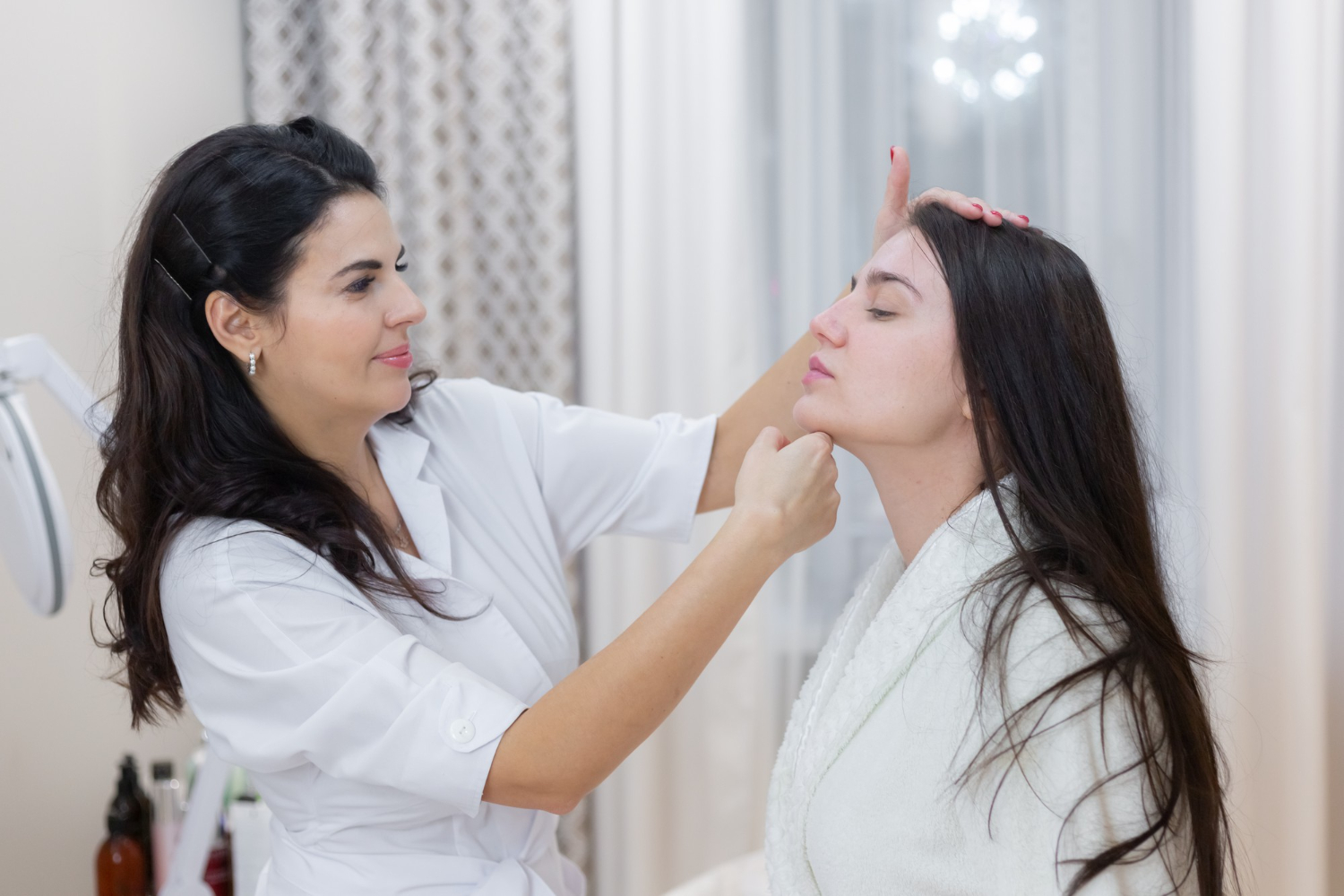
A beautician does the general salon and spa kind of stuff, and the focus is always on skin, hair removal, nails, and general grooming for everyday maintenance.
Day-to-day work for a beautician can include doing facials, waxing, threading, basic hair treatments, and doing people’s nails. Lots of them also offer a simple bit of makeup to tidy someone up.
Course work and jobs in this field always tend to focus on facial techniques, waxing, nail care, and talking to your clients, rather than any sort of creative makeup artistry.
What the role typically involves:
-
Services:
Facials, deep cleansing, exfoliation, waxing, threading, basic hair spa treatments, manicure/pedicure.
-
Training:
Cosmetology or beautician diplomas, usually six to twelve months, often paired with salon apprenticeships.
-
Tools:
Facial steamers, waxing kits, nail tools, and salon-grade hair and skin products, with sanitation as a core requirement.
-
Workplaces:
Salons, day spas, wellness centres, and clinics.
-
Career growth:
Spa therapist, advanced aesthetic technician (with further training), salon manager, or franchise owner.
Where the Roles Overlap
In smaller salons or when people are working for themselves, the lines between these two roles get blurred all the time. Lots of beauticians will do a bit of basic makeup and lots of makeup artists will get familiar with the skincare basics so that they can get people ready for events.
Really, how the responsibilities get split up is usually down to what’s in demand locally, what you can charge, and what qualifications each person has – rather than strictly going by their job title.
You see this all the time when you come across job listings that are hybrids – offering “beautician and makeup services” all in one. That just shows how naturally the skills overlap in real life.
Common crossover areas:
- Basic makeup application, pre-bridal facials, and brow shaping.
- For high-profile shoots or weddings, a dedicated makeup artist with a strong portfolio is the safer choice.
- For ongoing skin and hair maintenance, a trained beautician is usually enough.
Industry course structure puts makeup artistry training in a few weeks. This is pretty short term and tends to focus on colour theory and how to look good in photos.
Beauty diplomas, by contrast, take much longer – usually 6 to 12 months. They cover pretty much everything to do with being a salon and skincare expert
Master Makeup, Hair & Skincare to Build Your Beauty Identity
Unlock your creative potential with our expert-led Beauty & Wellness course. Build in-demand beauty skills and step confidently into the world of beauty!
Your Beauty Career Starts Here!Skills and Competencies Compared
Makeup artists need strong colour theory, blending technique, and awareness of how makeup translates on camera. Beauticians need hands-on treatment skills and a working understanding of skin and hair care.
Both roles demand strong soft skills like client communication, hygiene discipline, and time management. But the technical emphasis is different.
| Skill area | Makeup Artist | Beautician |
| Colour theory & blending | Core skill | Basic awareness |
| Camera/HD & airbrush techniques | Core skill | Not typically required |
| Facial & skin analysis | Basic awareness | Core skill |
| Waxing, threading, nail care | Not typically required | Core skill |
| Hygiene & client consultation | Essential | Essential |
Education and Training
Makeup artist training tends to be short and skill-specific. Beautician training, on the other hand, more commonly follows a structured vocational diploma.
Employers in both fields tend to value practical hours, apprenticeship experience, and a strong portfolio over the specific name of a certificate.
-
Makeup courses:
Certificate programmes in makeup artistry, bridal makeup workshops, and short film or SFX courses, generally spanning a few weeks to a few months.
-
Beautician courses:
Diplomas in cosmetology or beauty therapy, along with nail technician and spa therapy certifications, typically six to twelve months including salon internships.
Equipment and Starting Investment
Makeup artists tend to spend their money on cosmetics, brushes and portable lighting, while beauticians tend to spend it on stuff for salons like facial equipment and waxing gear.
If you’re a freelance makeup artist you can probably get going with a relatively small starter kit, but setting up a full salon is going to be a lot more expensive. It really depends on how big you want to go and where you are.
-
Makeup artist starter kit:
Foundations across multiple shades, brushes, palettes, setting sprays, and a compact touch-up kit. This is commonly ₹10,000 to ₹50,000 to begin with.
-
Beautician/salon essentials:
Facial steamer, waxing heater, manicure and pedicure tools, and sterile linens. The costs vary widely depending on whether one joins an existing salon or sets up independently.
Earnings and Job Market
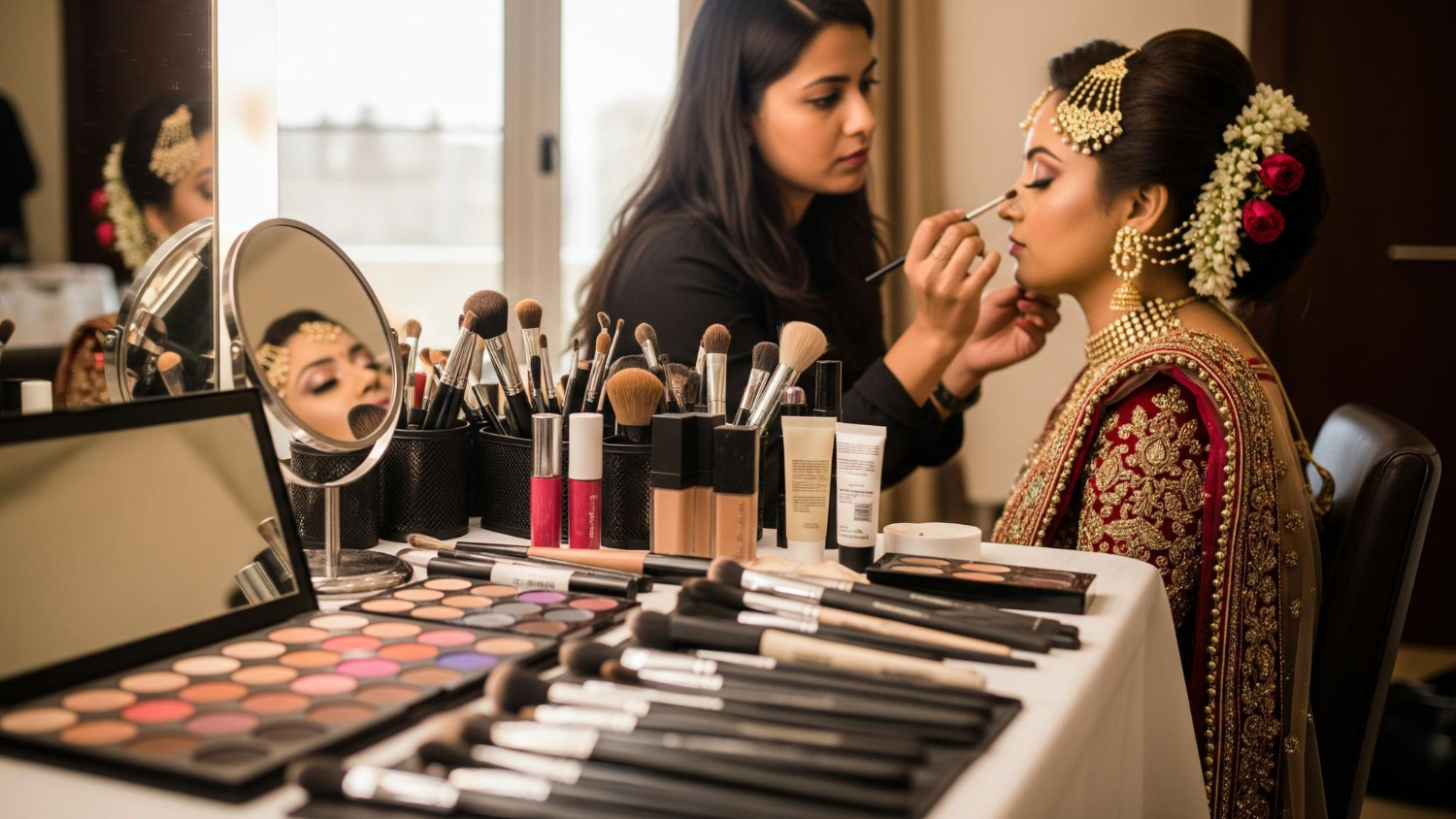
Freelance makeup artists typically earn per booking, with income spiking during wedding season and for editorial work. Beauticians tend to have steadier monthly earnings built on repeat clientele. Location, reputation, and specialisation strongly influence income in both fields.
As is obvious, metro cities and wedding-heavy markets generally pay more. Industry salary data suggests entry-level beauticians in India commonly earn between ₹12,000 and ₹25,000 a month. This rises with experience, specialisation, and city.
Freelance makeup artists’ per-event fees vary widely:
- Beginners often charge a few thousand rupees per booking while building a portfolio
- Established bridal specialists in metro markets can charge significantly more per wedding. Especially once they have a strong reputation and client base
Ways professionals grow their income:
- Doing events, taking on retainers, running workshops and selling your own products or being an affiliate for other people’s brands.
- Package deals for repeat clients and charging more during peak wedding or festival season.
- Combining a job in a salon with doing your own freelance bookings. That way you can build a more stable income stream.
How to Choose: For Clients
If you need someone for a wedding, a photo shoot or anything where photos are going to be taken and the makeup needs to last all day then you want a dedicated makeup artist. For routine stuff like getting your skin taken care of, hair removed and just general grooming then a beautician is probably your best bet.
But if your budget is tight or the event isn’t that big of a deal then a beautician might be able to sort your basic makeup out. But ultimately if you want 100% camera ready results then you’re probably best off booking a specialist and getting a trial session in advance.
Before hiring, check:
- A recent portfolio and client reviews.
- Availability of a trial session before the actual event.
- Hygiene practices and the products used.
- Cancellation, travel, and backup arrangements.
Master Advanced Skincare, Makeup, Hair, and Salon Management. Enrol Now!
How to Choose: For Aspiring Professionals
Makeup artistry is perfect for anyone who loves creative work and the excitement of a special event, and wants to build a portfolio to show off their skills. Beautician training on the other hand is for those who prefer to work in a steady salon environment and build long term relationships with clients.
Loads of people move between the two jobs – starting out as a beautician and then moving on to specialise in bridal makeup for example – or even starting out as a makeup artist and moving on to do more regular skincare work. So in reality it’s often the hands-on experience that counts more than the certificate you get.
A general career path:
- 0 to 2 years: Apprentice, junior salon staff, or early freelance bookings.
- 3 to 5 years: Specialist makeup artist or senior beautician with an expanding client base.
- 5+ years: Educator, salon owner, or established bridal/celebrity makeup artist.
Conclusion
If you are looking for a wedding or photo shoot sort of thing, go for a dedicated makeup artist who can give you that pro look that will last all day. For routine skincare, hair removal and all the rest of it a good old fashion beautician will do just fine.
The thing is job titles can be pretty meaningless in the real world. So it’s much more useful to look at a pros portfolio, how well they care for their clients and what other people have to say about them than to get stuck on what they call themselves.
|
RELATED POSTS |
|
| Anti-Ageing Skincare Tips and Treatments | |
| How to Become a Makeup Artist | |
| Benefits of Regular Skin Care Treatments | |
Master Makeup, Hair & Skincare to Build Your Beauty Identity
Unlock your creative potential with our expert-led Beauty & Wellness course. Build in-demand beauty skills and step confidently into the world of beauty!
Your Beauty Career Starts Here!Frequently Asked Questions
Which pays more – a makeup artist or a beautician?
Both can earn well, but makeup artists often earn larger one-time event fees while beauticians tend to have steadier monthly income. Location, specialisation, and client base ultimately matter more than the job title itself.
Do beauticians need a formal license?
Licensing requirements vary by region, and most places expect certified training rather than a single national license. Employers generally prefer candidates with accredited diplomas and salons that follow local health and safety regulations.
Should I hire a freelance makeup artist or a salon beautician for my wedding?
A specialist makeup artist is usually the safer choice for reliable, photo-ready results on the wedding day. A beautician can complement this by handling skin prep and facials in the weeks leading up to the event.
What's the difference between a cosmetologist, a beautician, and a makeup artist?
A cosmetologist usually has broader training covering hair, skin, and nails, often at a more advanced qualification level. A beautician focuses on salon services, while a makeup artist specialises narrowly in cosmetic application.
How can I verify a professional's credentials and hygiene standards?
Ask for certificates, client references, a portfolio, and a clear description of their hygiene protocol. Trustworthy professionals typically use sealed products, disposable applicators, and follow visible sanitation steps.
Is a beautician diploma enough to start working?
A recognised beautician diploma, typically six to twelve months, is generally enough to start in salons, though many professionals continue building skills through apprenticeships. Specialised treatments may require additional certification later in one’s career.
How much can a freelance makeup artist earn per booking?
Freelance makeup artists often start with smaller bookings worth a few thousand rupees while building their portfolio and reputation. Established bridal specialists in metro cities can charge considerably more per wedding once they build a strong client base.
Can I switch from being a beautician to a makeup artist, or vice versa?
Yes, many professionals transition between the two roles by taking additional short courses or workshops in the area they want to specialise in. Practical experience and an updated portfolio are usually more important than starting from scratch.