Table of Contents
You can turn a makeup artist career into a reality by starting with learning the core makeup skills. Your journey will typically involve getting professional training under your belt, and putting together a portfolio that showcases your work in all its different forms – whether that’s a wedding day look or just an everyday style for all sorts of skin types.
The specific path you choose will depend on whether you’re after a steady desk job, or want to work in the field as a freelancer. However – whether it’s bridal, fashion, film, or you simply want to do makeup in a salon – the foundation is always going to be there. It includes good technique, a clean and well run workspace, and getting to know your clients on a good level.
Key Takeaways
- Makeup artistry is a job that needs a great balance of creativity and technical know-how.
- Getting formal training through a diploma or certification programme is a big plus when it comes to getting work.
- If you’re serious about this career, you’re going to want to specialise in something – like bridal, high-definition/camera work, fashion, or even makeup effects..
- First-job makeup artists in India can earn anything from ₹60,000 up to ₹2 lakh a year, while those with experience can earn ₹4-12 lakhs a year.
- A strong portfolio is what’s going to get you noticed. You need to put in the time, work on building your skills, and show the world what you can do.
- As a freelancer – building your personal brand using Instagram, Google Business Profile, and word-of-mouth will get you ahead.
Master Advanced Skincare, Makeup, Hair, and Salon Management. Enrol Now!
What does a Makeup Artist Do?
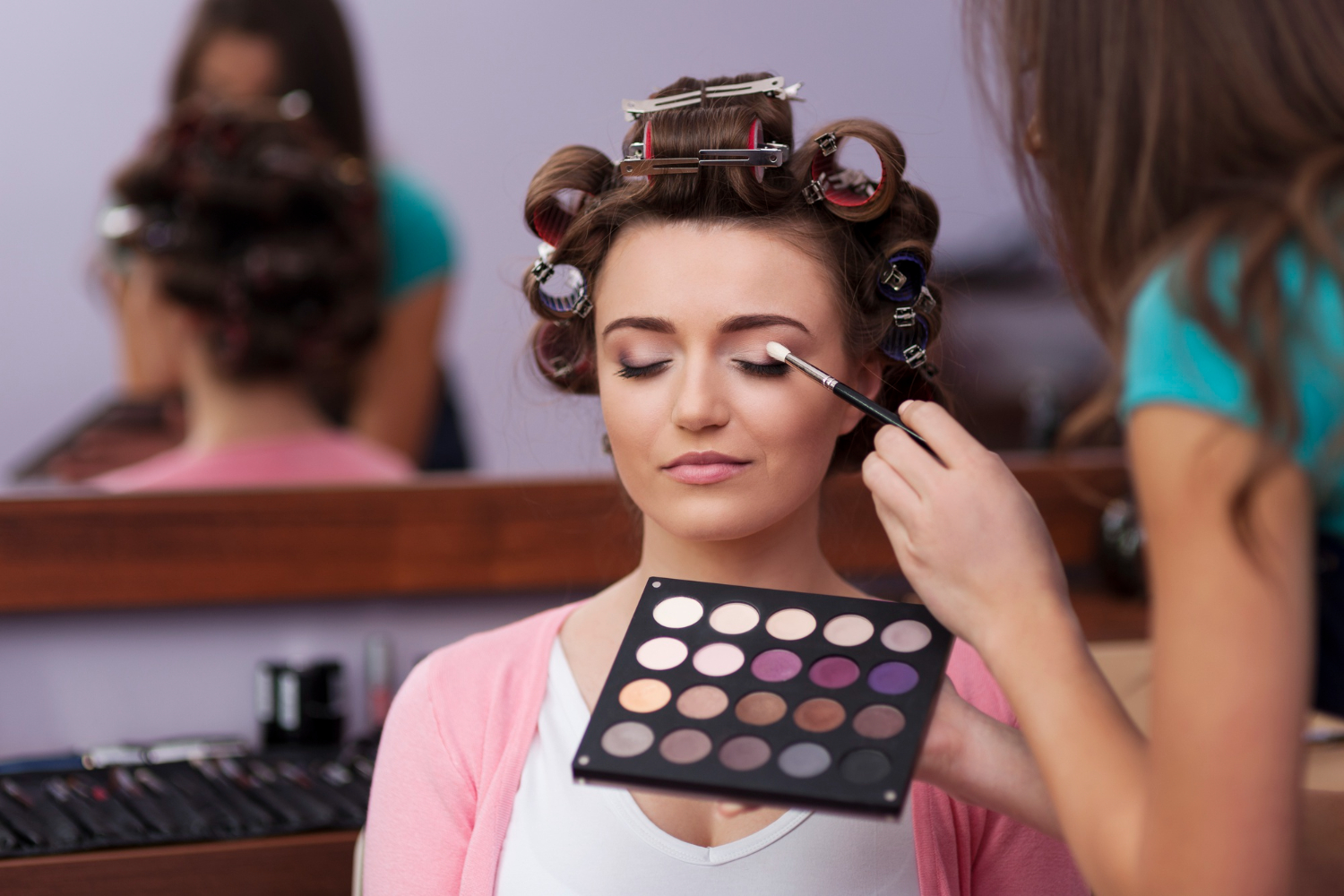
A makeup artist is someone who knows how to transform a person’s appearance using all sorts of cosmetic products and techniques. This isn’t just about slapping on a bit of lipstick and calling it a day. It’s about knowing all about skin types, getting the right products for the job, and how to get the best out of a person’s natural colours.
It is also about making sure that client of yours walks away from your chair feeling like a million bucks.
On a typical day you’ll be doing all sorts of tasks like, for a bridal makeup artist, that would be
- taking a look at your clients skin
- finding the perfect primer and foundation for a long-lasting finish
- building a look that will photograph beautifully
- making sure they’re feeling super confident as they walk down that aisle.
But if you’re working on a fashion shoot or runway show, you’ll be creating those super bold editorial makeup looks that everyone is going to be talking about.
The common thread is going to be doing all the prep work, getting those skills down pat, and making sure your communication is top-notch. So you can deliver what your clients want.
Master Fashion Designing and Create Your Signature Style
Unlock your creative potential with our expert-led Fashion Designing course. Build in-demand skills and step confidently into the world of fashion!
Begin Your Fashion Career Today!Skills You Need to Become a Makeup Artist
Makeup artistry blends creativity with precision. The most successful artists are those who keep learning because products, trends, and client expectations constantly evolve.
| Skill | Why It Matters |
| Colour theory | Helps match undertones and create balanced, flattering looks |
| Skin preparation | Improves makeup finish, longevity, and overall health of the look |
| Blending technique | Creates seamless transitions and a professional finish |
| Sanitation practices | Protects client health and establishes professional credibility |
| Client consultation | Ensures the final look aligns with the client’s vision and occasion |
| Time management | Critical for bridal, event, and on-set work where schedules are tight |
| Adaptability | Needed when working with diverse skin tones, textures, and age groups |
Beyond just learning the technical aspects, soft skills are just as vital. This is like being actively engaged with what your clients are saying, being patient with tough skin types, and being able to keep your cool when the pressure is on. It is especially in situations where the stakes are high like at weddings or film sets.
Education and Training: What Path Should You Take?
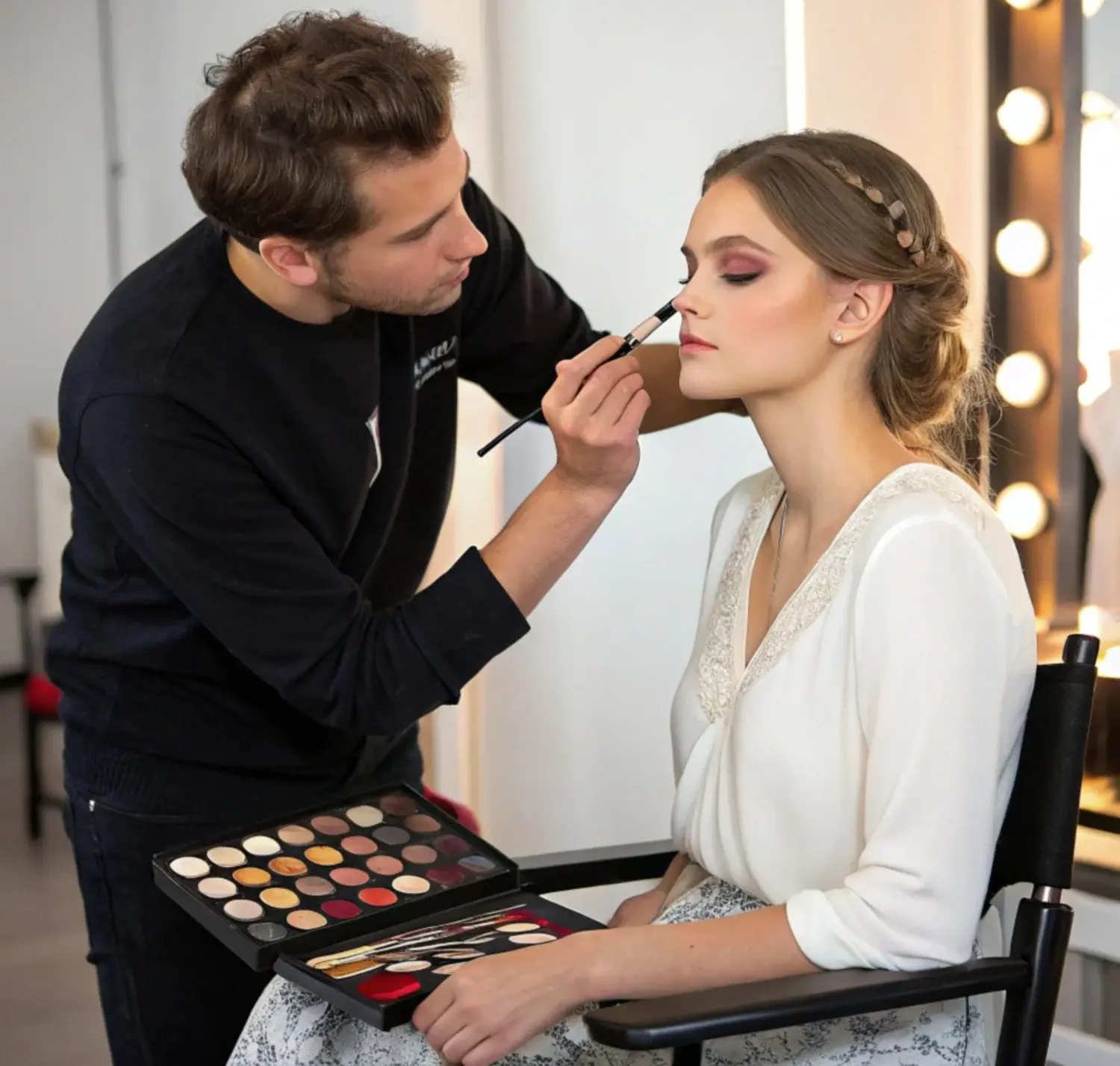
You don’t need a single, magic qualification to become a makeup artist. But getting structured learning can give you a real leg-up when it comes to building confidence, honing your technique, and actually getting taken seriously in the industry.
Short-term certificate courses (typically 1 to 3 months)
These give the low-down on the basics like prepping skin, doing everyday looks, doing bridal makeup, and getting the hygiene right. Good for beginners who want to get started ASAP.
Diploma programmes (3 to 12 months)
These take a closer look at specializations, product knowledge, colour correction and building up a portfolio. Loads of good institutes across India offer diploma courses.
Advanced diplomas and professional certifications (up to 1 year or more)
These are the ones to do if you’re after fashion, film, high-end bridal work – the works.
Workshops and masterclasses
These are great for honing in on specific skills like airbrush, SFX or HD makeup. And they’re perfect for any artists looking to up their game, have some extra fun and practice.
Mentorship and assisting (under an experienced makeup artist)
Don’t get this wrong, ‘on-the-job training’ has its place, so to speak. But many people forget just how valuable real on-set or on-location experience can be. That stuff just cannot be learned in a classroom. First and foremost, make sure to get the basics right with a certificated course, then get out and practice on all the different skin types you can. Then build your portfolio from the word go.
Essential Makeup Kit for Beginners
Your tools are literally your foundation. A well-organized, hygienic kit tells clients that you’re a professional before you even pick up a brush.
| Category | Beginner Essentials |
| Face | Primer, foundation (multiple shades), concealer, setting powder, blush, highlighter |
| Eyes | Eyeshadow palettes, eyeliner (pencil and gel), mascara, brow pencil/powder, spoolie |
| Lips | Lip liner, lipstick (neutral and bold), clear gloss |
| Tools | Brushes (face, eye, lip), beauty sponge, tweezers |
| Hygiene | Brush cleaner, sanitizing spray, disposable mascara wands, palette spatula |
| Skincare prep | Moisturizer, eye cream, lip balm (for prepping the canvas) |
Note: Don’t aim for a complete kit on day one. Start with versatile, quality products and expand your kit as your skills and income grow.
Master Fashion Designing and Create Your Signature Style
Unlock your creative potential with our expert-led Fashion Designing course. Build in-demand skills and step confidently into the world of fashion!
Begin Your Fashion Career Today!Step-by-Step Career Roadmap
| Step | Action |
| 1 | Learn core makeup theory: colour, skin types, hygiene, and tools |
| 2 | Practice daily — on yourself, friends, and family with different skin tones |
| 3 | Enrol in a professional course or workshop suited to your goals |
| 4 | Build a portfolio with before-and-after photos, diverse looks, and consistent lighting |
| 5 | Assist experienced artists at events, shoots, or studios to gain real-world exposure |
| 6 | Choose a specialization that aligns with your strengths and market demand |
| 7 | Create an online presence — Instagram, Google Business Profile, or a simple website |
| 8 | Start taking small paid gigs, ask for testimonials, and grow through referrals |
Specialization Options: Which Path is Right for You?
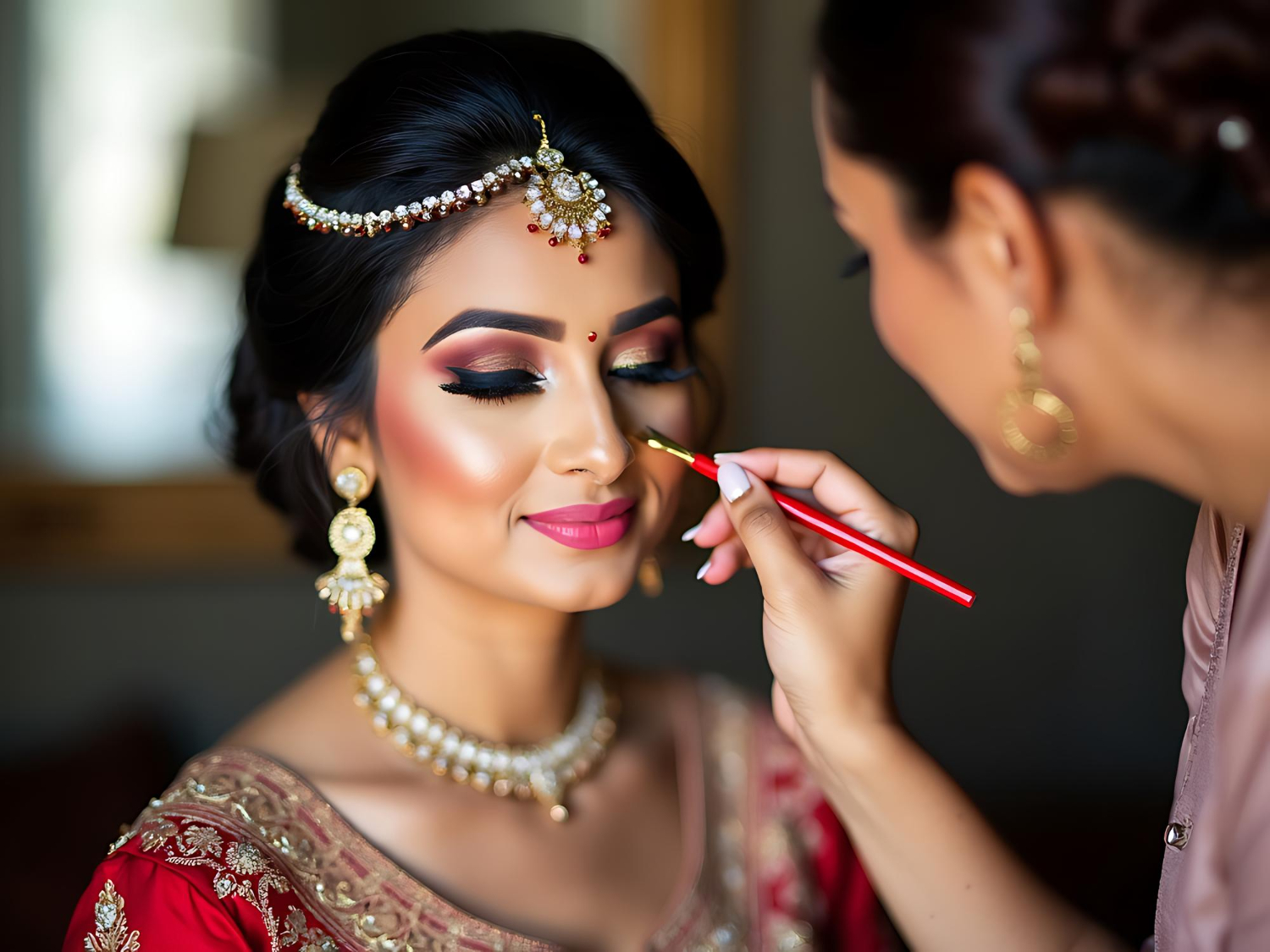
After mastering the basics, you’ll naturally gravitate toward one or more specializations. Each has its own client profile, skill demands, and income potential.
| Specialization | Best For | Work Style |
| Bridal makeup | Weddings and pre-wedding functions | Client-facing, high-pressure, long-wear looks |
| Fashion/editorial | Photoshoots, runway, campaigns | Creative, trend-driven, experimental |
| HD/camera makeup | TV, film, OTT content, YouTube | Precision finish, camera-ready technique |
| Special effects (SFX) | Films, theatrical productions | Prosthetics, body paint, transformative looks |
| Salon/occasion | Regular appointments, parties, events | Consistent client relationships, flexible hours |
| Freelance makeup | Flexible, self-managed career | Business-focused, multiple niche coverage |
India’s booming wedding market, growing film industry, and expanding OTT content space mean strong demand across all of these specializations. This is the case particularly in cities like Bangalore, Delhi, Mumbai, Hyderabad, and Kochi.
Salary and Career Scope
Makeup artistry offers flexible income structures – whether you work freelance, in a salon, join a bridal studio, or build your own brand.
| Experience Level | Approximate Annual Income (India) |
| Entry-level (0–2 years) | ₹60,000 to ₹2 LPA |
| Mid-level (2–5 years) | ₹2 LPA to ₹4 LPA |
| Senior/Specialist (5+ years) | ₹4 LPA to ₹12 LPA |
| Celebrity/Bollywood artists | ₹50,000 to ₹2,00,000 per project |
Freelance rates can differ dramatically depending on what type of work you’re doing, the city you’re based in and your own reputation as a makeup artist. In big metro cities like Delhi, Mumbai and Bengaluru, bridal makeup artists are often charging anything between ₹5,000 to ₹25,000 for just a single client. And hourly rates for those of us who do day-gigs can range anywhere from ₹500 to ₹2,000.
The global makeup market is expected to reach a whopping $12 billion by 2035 , with the Asia-Pacific region turning out to be one of the fastest-growing markets. And that tells you one thing: there is going to be a consistent and long-term demand for skilled makeup artists.
Building Your Portfolio and Personal Brand
Your portfolio is probably going to be your best sales tool out there. Clients are not going to hire you on what you tell them, but on what they actually see when they look at your work.
What makes a strong portfolio:
- Make sure those before-and-after shots are clean, well-lit and look like they’re off a magazine cover.
- Mix it up a bit: show them your day looks, your bridal makeups, your bold/editorial looks and your natural, mature skin makeups.
- Make sure there’s a bit of variety when it comes to skin tones and face shapes. That way, clients can get a better idea of what you can do.
- And most importantly, keep your image quality consistent across the board. Consider teaming up with a good photographer to help with that.
Where to build your presence:
- Instagram – Keep posting your work , use the right hashtags and actually engage with your followers.
- Google Business Profile – You need this if you want to get listed in local search results.
- WhatsApp Business – Handy for getting those word-of-mouth bookings here in India.
- Personal website or linktree – Where you can showcase your full portfolio and all the other contact info you need to share with potential clients.
Word-of-mouth is still one of the best ways to get more clients. Happy clients bring in more happy clients. So do make sure you’re asking for reviews and referrals after every successful booking.
Master Advanced Skincare, Makeup, Hair, and Salon Management. Enrol Now!
Common Mistakes New Makeup Artists Make
- Not prepping the skin properly, which leads to a patchy makeup job that lasts no time at all.
- Not sanitizing and cleaning your brushes properly. A serious problem and health risk.
- Just copying the latest trends without actually understanding the tech behind them.
- Not asking enough questions before you get started with a client.
- Underpricing your services because you’re scared, which ends up devaluing the whole profession
- Forgetting about lighting – both when you’re actually doing the makeup and when you’re taking photos of your work.
Conclusion
Becoming a makeup artist is definitely within reach, but you do need to put in the consistent practice, the training and have a clear idea of where you want your career to go.Start by building your skills on different skin tones, go back to the basics, find a specialisation that gets you pumped and actually put your work in front of the right people. The beauty industry in India is honestly growing at a mind-blowing pace.
Well-trained, professional makeup artists are in high demand and the ones who stand out are the ones with a portfolio that shows what they can really do, who keep their hygiene standards up and who make their clients feel seen and confident. So, take that first step, commit to learning and just let your work speak for itself.
Master Fashion Designing and Create Your Signature Style
Unlock your creative potential with our expert-led Fashion Designing course. Build in-demand skills and step confidently into the world of fashion!
Begin Your Fashion Career Today!Frequently Asked Questions
How long will it take to become a makeup artist?
A basic cert course takes around 1 to 3 months to complete – but you’ll want to factor in ongoing practice to get really skilled. Professional level stuff usually takes about a year to 18 months with plenty of hands-on experience.
Do I need a degree to become a makeup artist?
No, a degree is not a requirement. Having some sort of certification or diploma along with some real hands on experience is usually enough to get you started.
What's the best course for a beginner makeup artist in India?
For beginners a short-term cert course that includes some hands on training, covers hygiene and has some portfolio building in the mix would be a good start.
How much can a beginner makeup artist make in India?
Beginners usually earn somewhere in the range of 60,000 to 200,000 rupees a year. Freelancers may be able to charge a bit more per booking depending on the city and the services they offer.
Is freelancing better than working in a salon as a makeup artist?
It’s not an either or situation – both can work out well. Salons offer some stability, while freelancing can give you more freedom and a higher earning potential.
What's the best makeup specialisation to look at in India?
Bridal makeup is a strong option in India – and HD and camera makeup is another area that’s growing fast.
Just how important is having an Instagram as a makeup artist?
Really really important – most clients find and discover artists through Instagram these days.
What products should I buy as a beginner makeup artist?
Start off with the basics like foundations, a few good quality brushes, concealer, setting powder a simple colour palette and some basic hygiene tools. Keep it simple at first and focus on versatility.
How do I go about finding my first clients as a new makeup artist?
I would start by doing some work on friends and family – and then sharing your work online to start building a portfolio. Ask around and see if you can get anyone to refer you to their contacts.
Is certification necessary to work as a makeup artist?
It’s not absolutely necessary – but it can really help out. Having a cert can give clients the confidence to book you and its good to have one on your CV.