Table of Contents
Digital India has initiated reshaping how the customers find, buy and build trust from businesses. Every brand needs a digital-ready presence right now. It is non-negotiable if you want to survive and thrive in the market.
This does not mean just having a website but about being discoverable on search engines, active on social platforms, visible on mobile. Not just that, you must be easy to reach and your product or service easy to purchase.
Reports suggest that there are over 900 million internet users in India. So, businesses that delay their digital transformation actually risk losing to faster-moving competitors in terms of trust, leads and, in turn, revenue.
Join Our Online Digital Marketing Course & Learn the Fundamentals!
Key Takeaways
- Digital payments have become an absolute must-have for any businesses out there.
- Mobile devices are driving 83% of online activity in India and that’s not going to change anytime soon.
- Having a social media page alone just isn’t enough anymore. You now need to think of SEO, a decent website, some local listings, and a bit of analytics expertise to cut it.
- Rural online adoption has growth rates of 16% annually. There’s going to be new opportunities popping up all over the place beyond the big cities.
- If your business doesn’t have a Google Business Profile, you might as well be invisible to potential customers in your area.
- Digital advertising in India has now finally reached a massive $5.82 billion – evidence that the whole market is now maturing to a point where it’s getting pretty competitive.
What Digital India Actually Means for Your Business
1: What is the primary goal of SEO (Search Engine Optimization)?
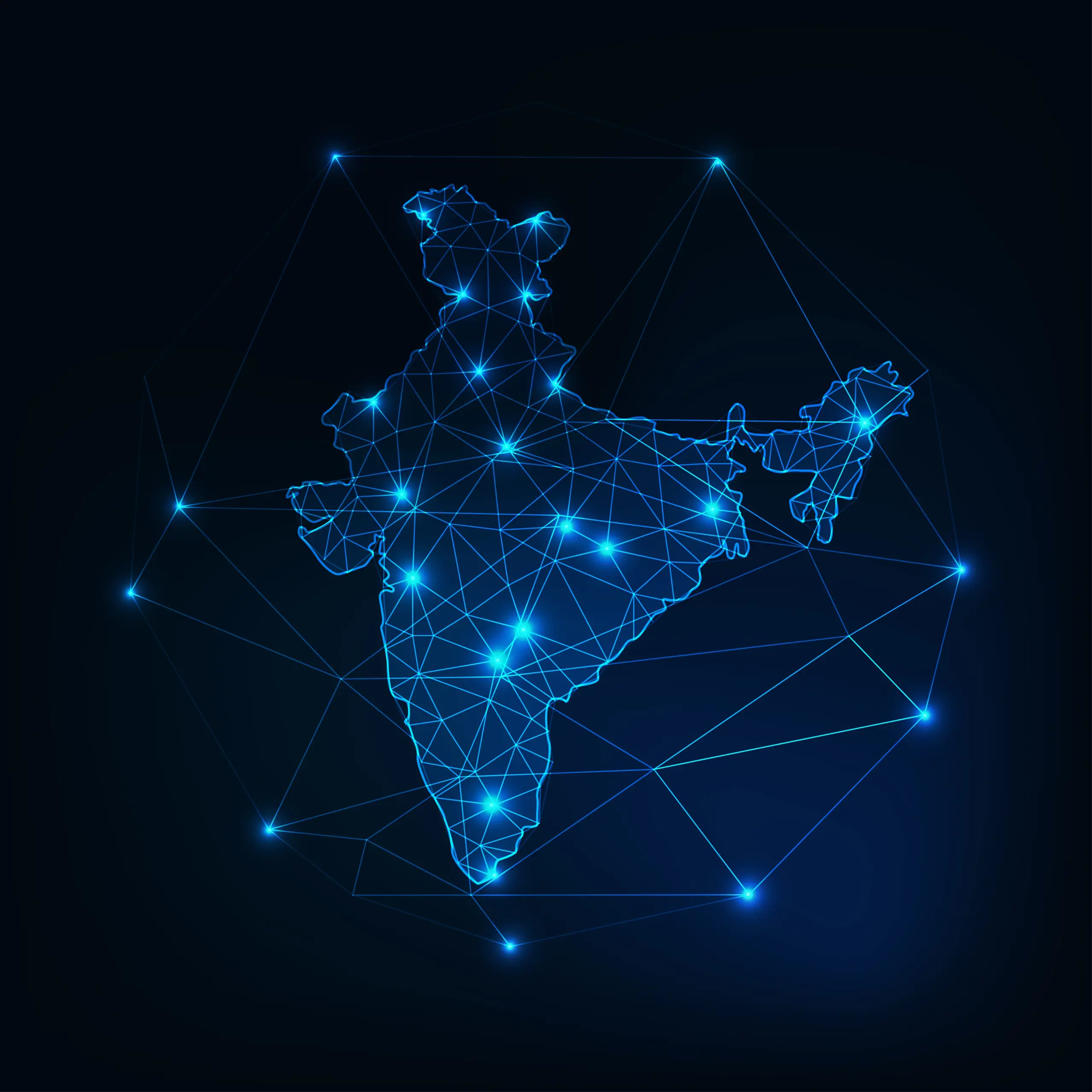
It is most likely that people associate Digital India with a government policy. If you are a business owner, it means far more practical for you. Your customers have moved online and your business needs to follow them.
We have come to a state where we look up everything and everyone online. So, if anybody hears about your business, they surely tend to check it online and if they cannot find you, you simply do not seem reliable.
This has become a norm across age groups as well as income levels. As long as we have affordable smartphones, mobile data and easily accessible applications like WhatsApp, YouTube and Google Maps, you can even have Tier 2 and 3 cities into this digital-first discovery loop.
A good percentage of internet content consumption in India now happens in regional languages. This suggests that the audience is diverse, broad, and actively searching for local services.
Become an AI-powered Digital Marketing Expert
Master AI-Driven Digital Marketing: Learn Core Skills and Tools to Lead the Industry!
Explore CourseWhy it Matters Right Now – Not Later
The urgency is real. The buyer journey has fundamentally changed. Where offline referrals once drove discovery, search engines, review platforms, social feeds, and instant messaging now do the job.
The problem for many businesses is that their offline reputation does not automatically translate online. A shop that has served a neighbourhood for 20 years can still be invisible in search because it has never optimized its digital presence.
What makes this particularly urgent today is the rural surge. Rural internet users in India are growing at 16% annually, expanding the market well beyond metros. Businesses that build their digital presence now will capture this wave early. Those that wait will find the cost of catching up significantly higher.
Is Your Business Ready? A Quick Self-Check
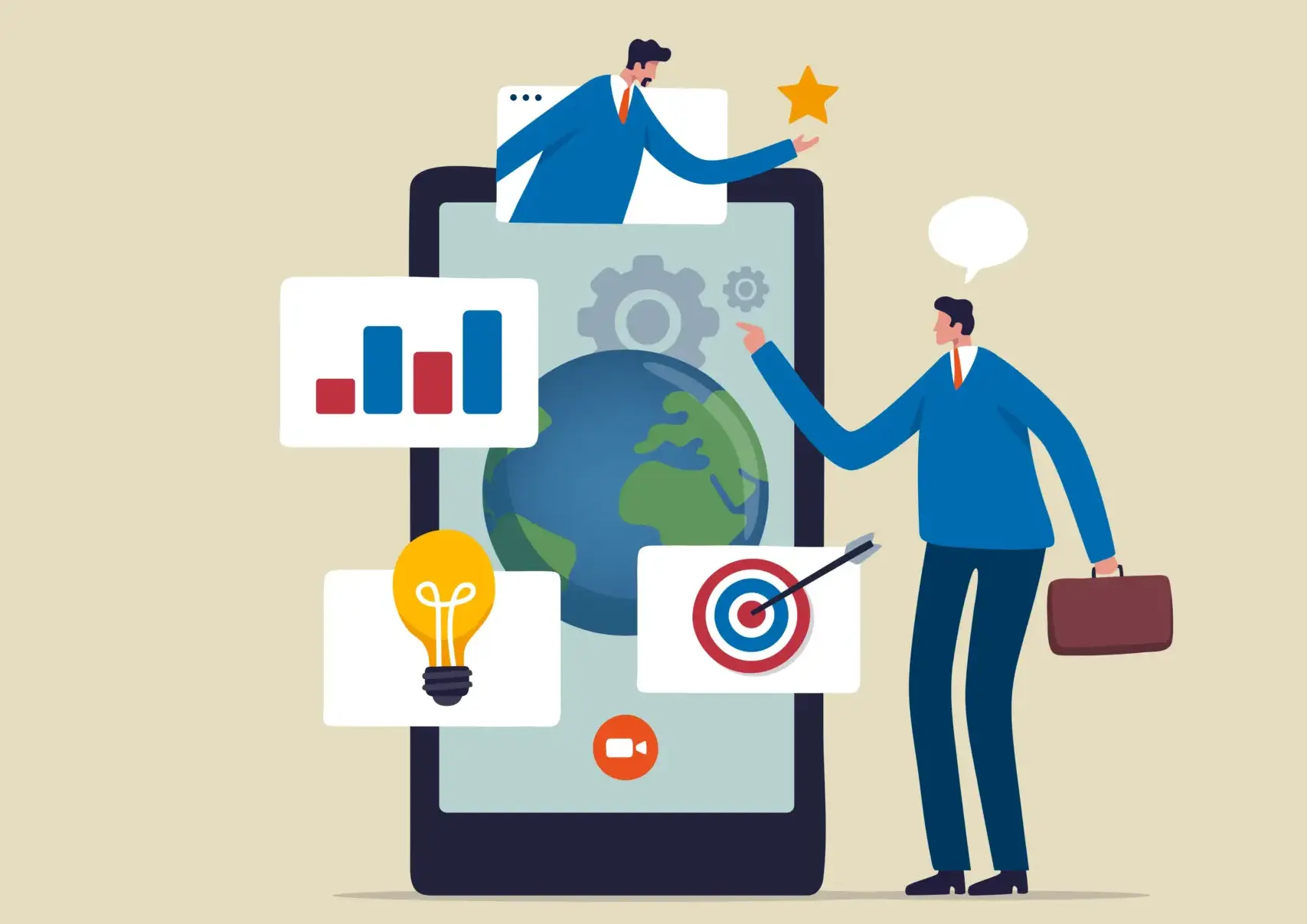
Ask yourself these questions honestly:
- Does your business have a fast, mobile-friendly website?
- Are you listed on Google Maps with accurate details and recent reviews?
- Does your website rank for any relevant search queries in your category?
- Do you have active social media profiles that reflect your brand?
- Can customers pay you digitally – via UPI, card, or online checkout?
- Are you tracking who visits your site, calls you, or fills a form?
If you don’t have even two of the above covered, your business has a measurable digital gap. It is costing you leads and customers every day.
The Digital Readiness Checklist
Use this framework to evaluate where your business stands and what each element delivers:
| Readiness Area | What It Means | Why It Matters |
| Website | A fast, mobile-friendly business site | Builds credibility and converts visitors into leads |
| SEO | Search visibility for relevant queries | Delivers consistent organic traffic without ad spend |
| Local SEO | Visibility on Google Maps and local search | Connects you with nearby, high-intent customers |
| Content Marketing | Blogs, FAQs, service pages, and landing pages | Educates buyers and improves topical discoverability |
| Social Media | Active, branded, and consistent profiles | Builds awareness and supports word-of-mouth digitally |
| Digital Payments | UPI, cards, and easy checkout options | Removes purchase friction and captures impulse buyers |
| Analytics | Tracking traffic, leads, and conversions | Shows what is working so you can improve what is not |
Become an AI-powered Digital Marketing Expert
Master AI-Driven Digital Marketing: Learn Core Skills and Tools to Lead the Industry!
Explore CourseCommon Gaps Most Businesses Overlook
Even businesses that believe they are “online” often have critical gaps pulling their visibility down. Here is what tends to get missed:
| Common Gap | Business Impact | Fix |
| No website or a broken one | Low credibility and zero SEO value | Build a simple, fast, mobile-optimized site |
| Poor or no SEO | Missing search traffic entirely | Optimize pages, keywords, and meta content |
| No Google Business Profile | Lost local customers at the decision moment | Claim, complete, and actively manage your listing |
| Inactive social media | Looks abandoned and untrustworthy | Post consistently with branded content |
| No content strategy | No topical authority or discoverability | Publish FAQs, guides, and service-specific content |
| No analytics | No way to measure what works | Set up Google Analytics and conversion tracking |
Having a slow website by itself can cost you a lot more than you think. Studies repeatedly report that mobile users leave pages that take more than 3 seconds to load. This threshold is very critical in India as most browsing here happens on mobile networks.
How to Prepare: A Step-by-Step Roadmap

So, making the leap from just being aware of the digital world to actually being ready to go is not quite as scary as you might think. Here’s a step by step plan to help you get a handle on things:
Audit your current digital presence
Seriously search out your business on Google, on Maps, and on social media. What does the first new customer see when they come across your business for the first time?
Fix your website
First things first – make sure it loads nice and quickly on mobile, has a clear pitch of what you do, and has a contact method or booking option that’s not too hard to find.
Claim and optimize your Google Business Profile
Sort out the hours, the location, the services – get some decent photos on there and actually engage with the reviews you get.
Invest in SEO and local search
Think about what keywords your customers are actually searching for and make sure your site and your content answers those questions in a clear and concise way.
Strengthen your content and social proof
Get some good quality content going – collect some genuine reviews and try not to be too absent from social media.
Enable digital payments
If you’re still not accepting UPI and cards, now’s the time to sort out a simple payment solution that works for you.
Track everything
Set up your analytics, so you can see what’s actually driving traffic, what’s converting and what needs a bit of a tweak.
How Digital India Affects Different Business Types
The shift is not the same for every business, but it is real for all of them.
| Business Type | Core Digital Need | Likely Outcome |
| Retail store | Google Maps listing, product visibility, WhatsApp contact | More footfall, direct calls, and repeat customers |
| Service business | SEO-optimized service pages, reviews, lead forms | Higher quality leads and better brand positioning |
| Restaurant | Social media content, online ordering, Google listing | More discovery through search and social feeds |
| SME / B2B company | Website, email marketing, analytics, case studies | Stronger brand trust and measurable lead pipeline |
| Freelancer / Consultant | Portfolio site, LinkedIn presence, testimonials | Credibility signals that justify premium pricing |
Being discoverable is the common thread across all these roles or types of businesses. It is important that a potential customer can find your business the exact moment they are looking for what you offer.
Join Our Online Digital Marketing Course & Learn the Fundamentals!
Conclusion
Digital India is not a future trend, it is the present reality your customers are already living in. With UPI becoming the default payment method, and mobile devices driving nearly all internet activity, the question is no longer whether to go digital. The question is how quickly and how well.
If you bring together a decent website for your business, invest a bit of effort in local SEO, just keep at it on social media and keep an eye on how well you are doing, you should be able to leave the competition in the dust. At least for a while. The window to get a head start isn’t shut – and you really cannot afford to keep waiting.
To get started, do yourself a favour and get a digital health check on your website, your content, how you handle conversions, and your broader Google footprint now. This is where the separation of the businesses that are growing online and those without any online activity happens.
Frequently Asked Questions
What's this "Digital India" business all about for small businesses anyway?
Well, essentially it means that customers are going to be having a look at you online before they make a purchase – so you need to get your local SEO, a Google Business Profile, and a basic website in place.
What should a business do first if it wants to get digital savvy?
First off, do a digital health check on your Google presence, Maps and all your social media. This will show up the biggest holes you’ve got pretty fast.
Is having a social media profile good enough for your digital presence?
No way. You need to have a mobile-friendly website, local SEO in place, a Google Business Profile and some sort of analytics to be considered even remotely digital savvy.
How important is mobile optimisation for Indian businesses?
Seriously important. Most Indian internet users are using their phones to browse so if your site is clunky it’s going to lose you business fast.
How do digital payments help business performance?
They just make it easier for people to buy from you – and using UPI means you’re unlikely to lose out on sales because people cant faff around with it.
What kind of content should a business be putting online?
Put up some FAQs, service pages, how-to guides, and case studies – these sort of things will help people find you in searches and give them confidence in your services.
How does analytics help a small business owner?
It gives you an idea where people are coming from and what they’re doing on your site – which means you can make better decisions.
Is digital marketing a luxury you can't afford for an SME?
Not necessarily. Loads of the basics, such as a Google Business Profile and analytics, are free.
How long will it take to see some results from digital marketing?
SEO and content typically takes 3-6 months to get going – but if you’re spending money on ads or local SEO you might see some quicker returns.
What's the biggest mistake businesses make when it comes to digital presence?
They treat it like its a one-off job that you can just get done and be done with – but the reality is that you need to keep on top of it or it won’t be doing you any good.