Table of Contents
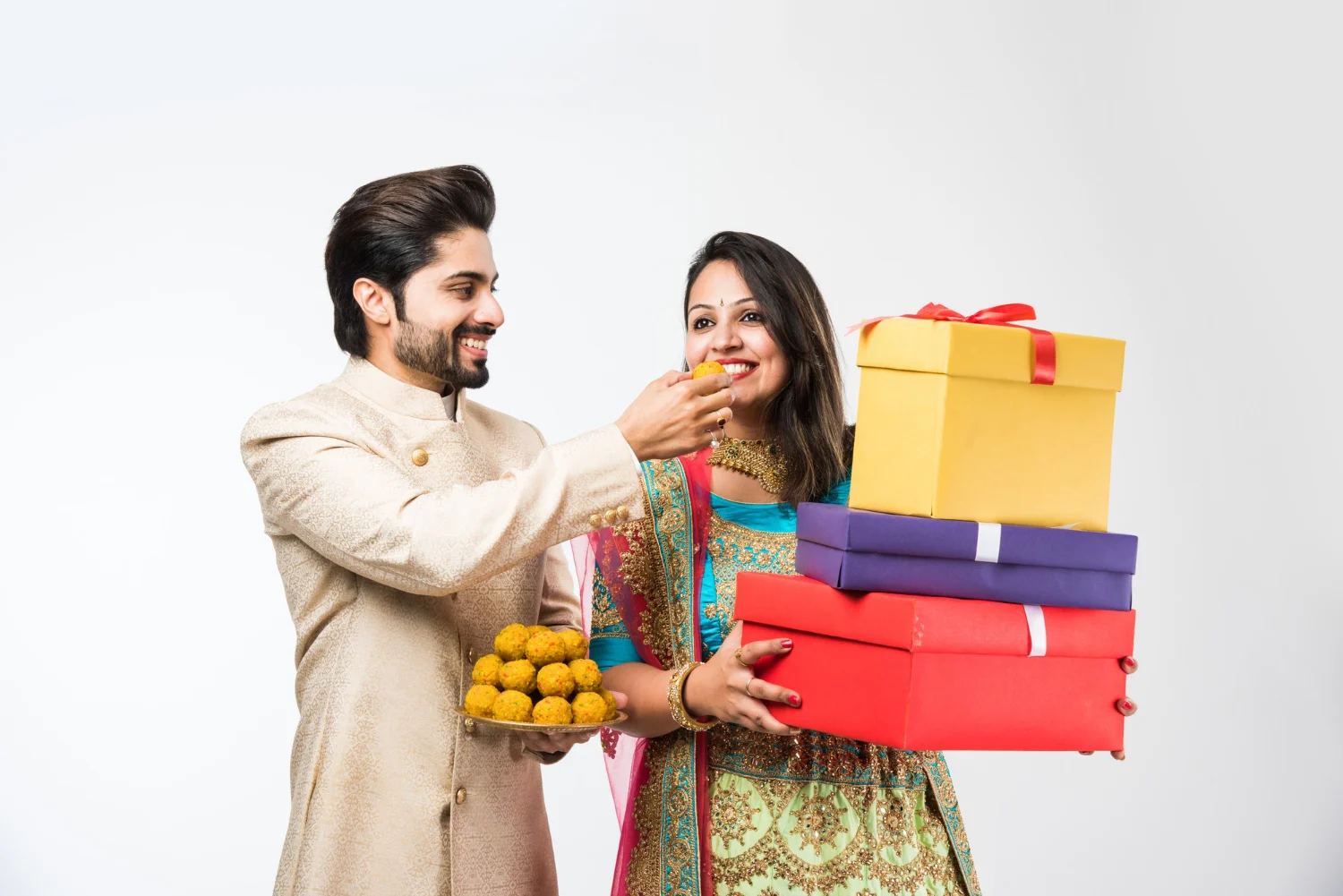
Quick commerce brands work on strategies treating the festival as a series of shopping moments. Unlike traditional e-commerce, dark-store platforms can serve planned festive purchases and last-minute orders from the same customer within consecutive days.
Each day of Diwali carries different shopping needs, from gold and utensils on Dhanteras to sweets, gifts, décor and puja essentials as throughout the festive days.
Brands that map their marketing to these occasions tend to see stronger conversion and lower customer acquisition costs.
Join Our Online Next Gen AI Digital Marketing Course & Learn the Fundamentals!
Key Takeaways
- Quick commerce captures planned and last-minute buys.
- Hyperlocal assortments boost relevance.
- Diwali 2026 – Nov 6 to 10. The main day is Nov 8.
- Mix merchandising, paid search, social, influencers, CRM.
- Bundles grow basket size.
- Discount by contribution margin.
- Track orders, profit, retention, delivery.
Why Diwali is a Multi-Stage Opportunity
1: What is the primary goal of SEO (Search Engine Optimization)?
Diwali shopping does not happen in one trip. A customer might order cleaning supplies and fairy lights during home preparation, sweets and gift boxes closer to the festival, and ice or snacks on the day of a gathering.
Quick commerce is well positioned to serve every one of these moments through timely and occasion-specific communication.
| Shopping occasion | Common customer needs | Marketing approach |
| Home preparation | Cleaning products, décor, lights | Checklists, category collections |
| Puja preparation | Diyas, incense, flowers, camphor | Occasion-based product pages |
| Gifting | Sweets, dry fruits, chocolates | Curated gift guides and bundles |
| Hosting | Snacks, beverages, disposables | Party and gathering bundles |
| Last-minute needs | Batteries, chargers, forgotten items | Push notifications, urgency messaging |
| Post-Diwali | Groceries, household essentials | Retention offers, recommendations |
Become an AI-powered Digital Marketing Expert
Master AI-Driven Digital Marketing: Learn Core Skills and Tools to Lead the Industry!
Explore CourseWhy Quick Commerce has an Edge this Festive Season

Speed matters, but it is not the whole story. Convenience wins when a platform also has accurate stock, dependable delivery capacity and responsive support during peak demand.
Dark-store networks let brands adjust assortment by neighbourhood. So one city can see regional sweets while another sees premium gifting hampers.
And since most orders happen on mobile, app banners, push notifications and personalised recommendations matter as much as any outdoor or TV creative.
Segmenting the Diwali Shopper
Treating every customer the same can waste ad spend. A shopper buying a premium gift box has a different intent from someone reordering batteries at 9 pm.
| Segment | Core need | Message angle | Best channel |
| Last-minute shoppers | Immediate access to essentials | “Forgot something? Get it in minutes.” | Push notifications, search ads |
| Families and hosts | Snacks, décor, ingredients | “Prepare your gathering in one order.” | App banners, social media |
| Gift buyers | Thoughtful, budget-fit products | “Find a gift for every budget.” | Gift guides, influencer content |
| Young professionals | Convenient, low-effort shopping | “Celebrate more, shop less.” | Reels, creator campaigns |
| Regional shoppers | Local sweets, cultural products | “Your neighbourhood’s Diwali favourites.” | Local-language content |
| Existing customers | Repeat, top-up orders | “Your festive essentials are ready.” | Email, WhatsApp, loyalty |
Product and Offer Strategy

The catalogue should mix festive-specific products with everyday essentials. This is because customers often add regular groceries to a festive basket.
Core categories to promote include puja essentials, home décor and lighting, sweets and snacks, gifting products, and celebration supplies like ice, batteries and disposables.
Instead of one flat discount, an offer ladder works better:
- First-order offer to convert new app users
- Basket-building offer tied to a minimum order value
- Bundle offer combining related products (snacks + beverages)
- Loyalty offer for early access or repeat-customer perks
- Urgency offer for high-intent, time-limited moments
- Post-Diwali offer to drive a repeat order after the festival
Every discount should be checked against delivery cost, ad spend and product margin. High order volume with a thin or negative contribution margin is not really a win.
Become an AI-powered Digital Marketing Expert
Master AI-Driven Digital Marketing: Learn Core Skills and Tools to Lead the Industry!
Explore CourseHyperlocal Marketing is not Optional
Festive preferences vary sharply by city and also by neighbourhood. Practical hyperlocal moves include
- city-specific festive collections
- regional-language creatives
- local creator partnerships
- pin-code-accurate availability shown before checkout
A campaign in Kerala might lead with local sweets and Malayalam creatives. Whereas, a Mumbai campaign leans into gifting and apartment-community bundles.
The core offer stays consistent. But the product mix and messaging flex by location.
Channel-Wise Marketing Plan
| Channel | Role | Key metric |
| Mobile app | Discovery and conversion | Conversion rate |
| Push notifications | Urgency and reactivation | Open rate, orders |
| Paid search | Demand capture | Cost per order, ROAS |
| Social media | Awareness and engagement | Reach, engagement |
| Influencer marketing | Trust and discovery | Assisted conversions |
| Email and WhatsApp | Retention | Click rate, repeat orders |
| In-app retail media | Product visibility | Sponsored sales |
Social content works best when it is relatable rather than discount-first.
Example:
A short video of a host realising the beverages ran out just before guests arrive tends to outperform a generic “50% off” post. Influencer content should show genuine use, not just repeat a promo code.
Diwali 2026 Campaign Timeline
| Period | Objective | Key activities |
| August 2026 | Planning | Define audiences, forecast demand, set budgets |
| Sept 1 to Sept20 | Awareness | Festive content, creator partnerships, category pages |
| Sept 21 to Oct 15 | Intent building | Gift guides, search campaigns, audience collection |
| Oct 16 to Nov 5 | Conversion | Bundles, offers, retargeting |
| Nov 6 (Dhanteras) | High-intent push | Puja essentials, gifting, gold-adjacent categories |
| Nov 7 to Nov 10 (Choti Diwali–Bhai Dooj) | Peak celebration | Flash offers, urgent-need messaging |
| Nov 11 to Nov 20 | Retention | Reviews, repeat-order offers, performance review |
Diwali 2026 falls on Sunday, November 8. The five-day period runs from Dhanteras (November 6) to Bhai Dooj (November 10).
Brands should confirm exact Lakshmi Puja Muhurat timing by city closer to the date. This needs to be closely watched as it can shift the peak ordering window by a few hours.
Measuring What Actually Matters
Order count alone is a weak signal. Stronger campaigns are judged on:
- New customer acquisition and cost per acquisition
- Average order value and items per order
- Bundle attachment rate and repeat purchase rate
- Return on ad spend and contribution margin
- Stock-out rate, cancellation rate and delivery success rate
Where possible, use control groups or city-level comparisons to check whether a campaign created genuinely incremental demand. Don’t just claim credit for orders that would have happened anyway.
Common Reasons Festive Campaigns Underperform
- Promoted products going out of stock during peak demand
- Delivery delays that undercut the “fast and reliable” promise
- Discounting heavily enough to erase margin
- Generic, one-size-fits-all messaging across regions
- Weak customer support during high-order-volume days
Marketing, merchandising, operations and customer support need to review performance together. A Diwali campaign is a cross-functional effort, not just a media plan.
What this Teaches Digital Marketers
Quick commerce festive campaigns are a compact case study in applied digital marketing. They combine segmentation, content, paid media, retail media, SEO/AEO and CRM in a single, time-boxed sprint.
For anyone learning digital marketing, it is a useful exercise to build a mini version of this. This can have
- An audience segmentation map
- A two-week content calendar
- A sample city-specific search campaign
- A dashboard of five KPIs that would actually indicate whether the campaign worked
Kickstart your Dream career with Online Performance Marketing Course in Kerala. Enrol Now
Conclusion
Quick commerce brands are gearing up to take over this Diwali 2026. This is not just about delivery speed, but their focus rests on relevance.
To make this work, you need to get a clear understanding of three basic elements. You should know the product a customer needs, in which city they are, and at which stage of the festival this is happening.
The strongest campaigns map to real occasions such as Dhanteras, gifting, hosting, last-minute top-ups). Also work on localizing assortment and messaging. You can measure success on contribution margin and retention.
Marketing and operations can move in sync. Then quick commerce becomes less of a discount channel and more of a dependable part of how India shops for Diwali.
Frequently Asked Questions
What products should quick commerce brands promote during Diwali?
Puja essentials, sweets, dry fruits, décor items, gifting products and celebration supplies like batteries and disposables perform well. Everyday groceries should stay visible too, since festive baskets often include both.
Why is hyperlocal marketing important for quick commerce during Diwali?
Festive preferences differ sharply by city and neighbourhood, from preferred sweets to language. Matching assortment and messaging to local demand improves relevance and conversion.
Which marketing channels work best for quick commerce during Diwali?
A mix of app merchandising, push notifications, paid search, social media, influencer content and CRM tends to outperform any single channel. Each channel should have a clear role and its own KPI.
How should quick commerce brands measure Diwali campaign success?
Beyond order volume, brands should track acquisition cost, average order value, repeat purchase rate, contribution margin and delivery success. Control-group comparisons help confirm whether demand was genuinely incremental.
When should I start Diwali 2026 marketing planning?
Planning ideally starts in August, with awareness campaigns building through September and conversion-focused activity ramping up from mid-October. This spreads out the cost and avoids competing for attention only in the final week.
How can brands avoid over-discounting during Diwali?
By checking every offer against product margin, delivery cost and ad spend before launch, not after. High order volume with negative contribution margin isn’t a sustainable win.
What role does AI play in quick commerce Diwali marketing?
AI supports demand forecasting, personalised recommendations, segmentation and ad budget optimisation. Human review is still needed for accuracy, cultural sensitivity and regional-language content.
What is the biggest operational risk during Diwali campaigns?
Stock-outs on promoted products are the most common failure point, since they undercut both the campaign promise and customer trust. Close coordination between marketing and inventory teams reduces this risk.
What is the ideal Diwali product bundle strategy?
Bundles that group related items like snacks with beverages, or diyas with candles, increase basket size and simplify decisions for shoppers who are short on time. They also perform well in app merchandising and paid search creatives.
How important is regional language content for Diwali campaigns?
It significantly improves relatability and trust, particularly for gifting and puja-related content. Brands running national campaigns typically see stronger engagement when local-language variants are included.