
Table of Contents
As a pro, giving a facial is all about laying down a structured plan for your skin to follow. This means getting into some kind of tested order of cleansing, nourishing, and protecting the skin.
When done right, a facial can seriously do a number on your skin texture, sweep away all that pesky surface build-up, and leave your face looking perked up and healthy as can be.
Dermatologists and licensed aestheticians stick to a tried and true 10-step sequence here, but the good news is that this can be tweaked to suit your skin type. That’s part of what makes this one of the most adaptable and effective treatments going in skincare.
Master Advanced Skincare, Makeup, Hair, and Salon Management. Enrol Now!
Key Takeaways
- A professional facial is all about following a specific order: from consultation, cleansing, skin analysis, to slapping on a nice face mask and finishing off with some TLC.
- Every single product and step you take has got to be tailored to the person’s skin type.
- Be careful not to over-exfoliate. You don’t want to end up with a face that’s red, has tiny tears and a damaged barrier.
- Now, steam’s a useful tool but it’s not always necessary. If you’ve got skin that’s sensitive or prone to redness then it’s probably best to give it a miss.
- Getting some SPF on afterwards is super important. Your skin’s been stripped bare and it’s way more vulnerable to damage from the sun.
- Generally speaking, you can get by with a facial every 4 to 6 weeks, but that does depend on your skin type.
- The thing is, aftercare is just as important as the facial itself. You can’t just stop at the treatment and expect to see results.
What is a Professional Facial?
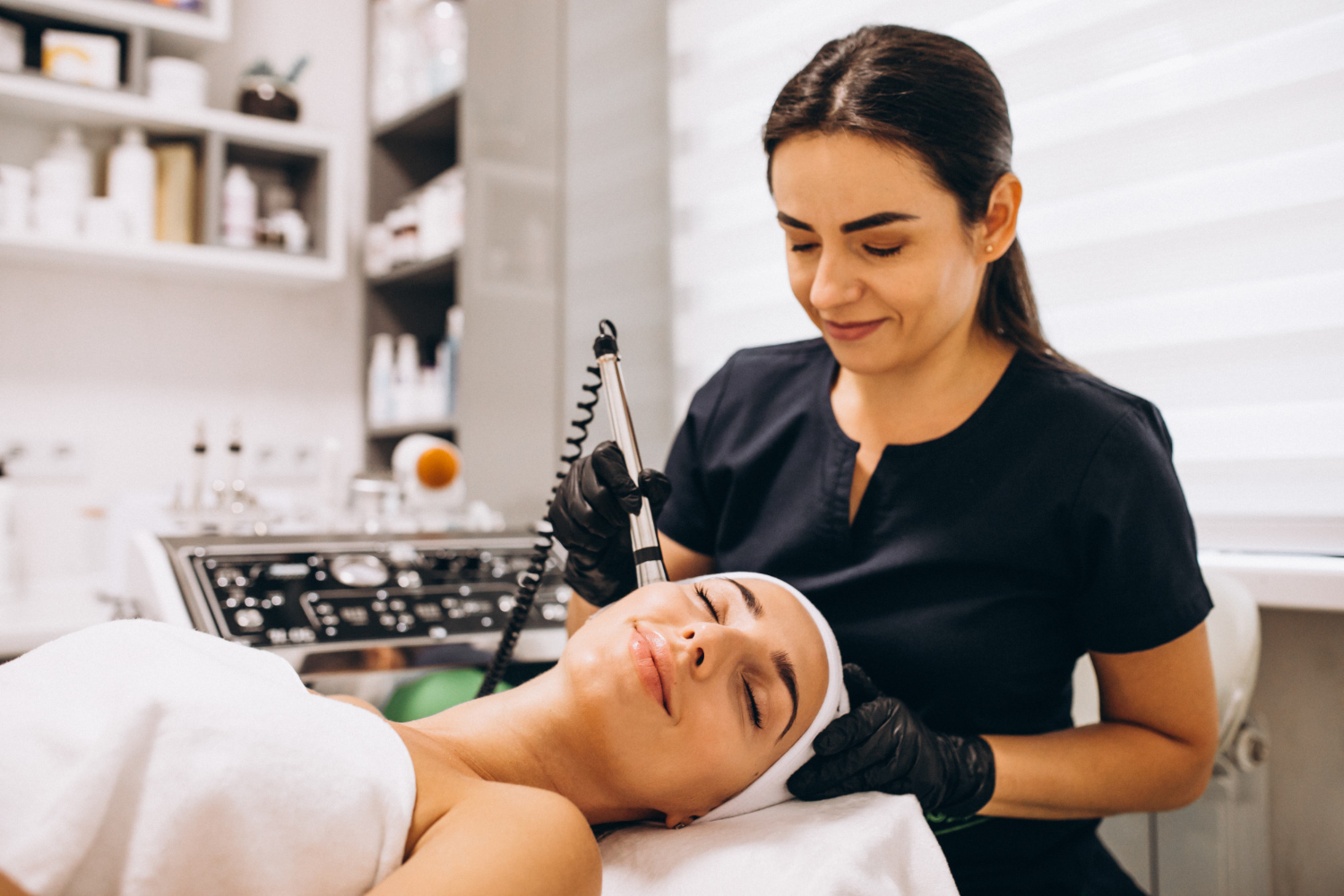
A professional facial is a multi-step skin treatment. It is typically carried out in a salon, spa, or beauty training environment. It goes far beyond a basic face wash.
This is a planned, skin-type-specific treatment that combines cleansing, physical or chemical exfoliation, extractions (when needed), massage, and targeted mask therapy. The goal is not just cosmetic. A well-performed facial supports the skin’s overall health by
- removing dead skin cells
- unclogging pores
- improving hydration
- creating a more even-toned surface
It is also an important service for anyone training in beauty therapy, cosmetology, or skincare.
Master Makeup, Hair & Skincare to Build Your Beauty Identity
Unlock your creative potential with our expert-led Beauty & Wellness course. Build in-demand beauty skills and step confidently into the world of beauty!
Your Beauty Career Starts Here!Benefits of a Professional Facial
A properly performed facial does more than make skin look cleaner. It actively supports the skin barrier when the right products are used in the right order. The main benefits include
- deep cleansing of pores
- removal of dead skin cells that dull the complexion
- improved hydration and softness
- reduced surface congestion and blackheads
- better skin texture and natural glow
- relaxation through facial massage
- a smoother base for makeup application
Tools and Products Needed
| Step | Tools or Products | Purpose |
| Cleansing | Gentle cleanser, cotton pads, lukewarm water | Removes makeup, dirt, and oil |
| Skin analysis | Mirror, magnifier lamp, clean towel | Assesses skin condition and concerns |
| Exfoliation | Enzyme exfoliant, mild scrub, or AHA/BHA product | Removes dead skin cells and refines texture |
| Steaming | Facial steamer or warm towel | Softens skin and loosens impurities |
| Extraction | Comedone extractor, gloves, sanitizer | Removes blackheads safely when trained |
| Targeted treatment | Serum (hyaluronic acid, niacinamide, vitamin C) | Addresses specific skin concerns |
| Massage | Massage cream or facial oil | Improves product absorption and relaxation |
| Masking | Clay, cream, gel, or sheet mask | Hydrates, balances, or soothes the skin |
| Finishing | Alcohol-free toner, moisturizer, SPF | Restores skin balance and provides protection |
How to Perform a Professional Facial Step by Step
Step 1: Consultation and Skin Check
Begin by reviewing the client’s
- Skin type concerns
- Sensitivities
- Allergies
- Recent skincare or treatment history
This consultation makes all the difference between a pro facial and a run-of-the-mill treatment. It’s the chance to match every product choice and technique to the individual’s skin condition on that particular day.
Get all the tools sanitised and have the workspace spotless before you start – hygiene is not something you can skip. Its impact on safety and the quality of the results is massive.
Step 2: Remove Makeup and Cleanse the Skin
The first active step is cleansing. Use a gentle cleanser suited to the skin type to remove makeup, sunscreen, excess oil, and surface impurities.
For heavy makeup, start with a pre-cleanse oil or cleansing balm to break down the product. Then follow with a water-based cleanser. This double-cleanse method ensures the skin is truly clear before the next steps begin.
Step 3: Analyze the Skin
After cleansing, examine the skin carefully under good lighting to identify dryness, oiliness, sensitivity, pigmentation, active breakouts, or congestion.
Skin analysis determines which exfoliant is safe to use. It helps with whether steam is appropriate, or how much pressure is suitable during massage. People’s skin is always changing, so it’s impossible to skip this even for regular clients
Step 4: Steam the Face (when appropriate)
A good steam can really help soften the skin and get rid of any stuck in grime before exfoliation or extraction. A facial steamer or warm towel works well for this.
But steam isn’t for everybody’s skin type. If you’ve got sensitive skin, rosacea or noticeable redness, you may need to give it a miss altogether or knock it back to just a tickle.
The rule of thumb is 5 to 10 minutes for normal to oily skin, but for sensitive skin its best to keep it super short or skip it altogether – 2 to 3 minutes max.
Step 5: Exfoliate Gently
Exfoliation removes the layer of dead skin cells that can make the complexion look dull and uneven. The method should always be chosen based on skin type:
- Dry skin responds well to a mild enzyme exfoliant that dissolves dead cells without friction.
- Oily skin may tolerate a gentle physical scrub or a low-concentration AHA or BHA product.
- Sensitive skin needs to be treated with kid gloves – a super gentle enzyme formula or maybe not even a thing at all if the skin is showing signs of irritation.
Avoid over-exfoliating. Board-certified dermatologists consistently flag this as one of the most harmful skincare habits. This is because aggressive exfoliation can create micro-tears, strip the skin barrier, and also cause lasting redness.
Step 6: Perform Extraction (If Needed & If Trained)
Extraction is basically about manually plucking out blackheads and non-inflamed clogged pores, using a comedone extractor or clean fingers with a bit of finesse.
To be honest, this step can only really be done safely by people who’ve had some proper training. Don’t even think about trying to extract inflamed acne, cysts or painful breakouts.
All that will end up doing is spreading the bacteria around and potentially causing scarring and making things worse. If your skin isn’t ready for extraction just skip it and come back to it when it is.
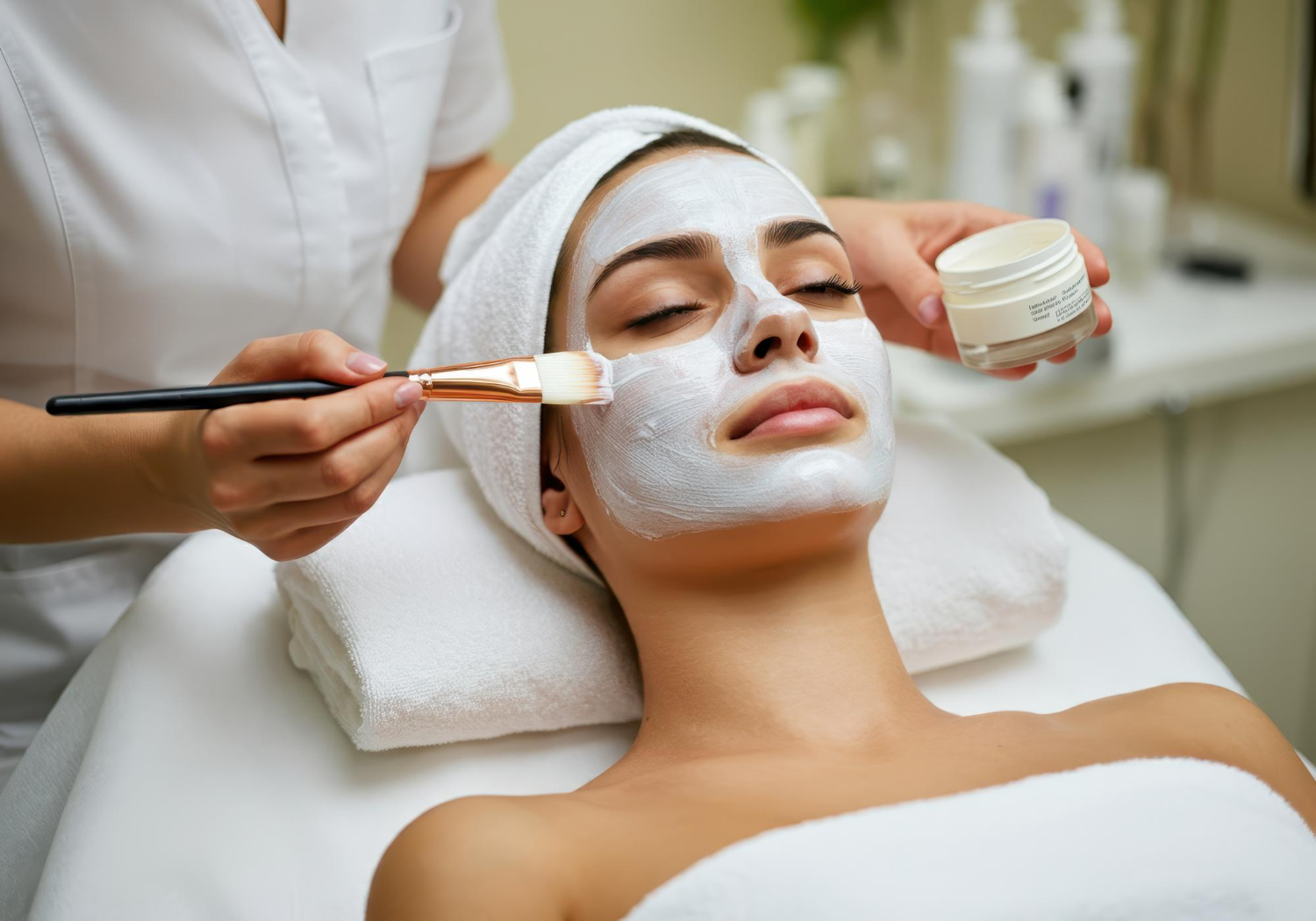
Step 7: Apply a Targeted Treatment
Now your skin is nice and clean after the cleansing and exfoliating steps, it’s ready to soak up a treatment product that’s been chosen just for your specific skin problem –
- that might be dehydrated or dry skin which benefits from hyaluronic acid or glycerin.
- If your skin is looking dull and uneven toned, vitamin C or niacinamide is what you need. For oily or congested skin, niacinamide, zinc or salicylic acid might be what it takes to sort you out.
- If your skin is really aging or lacking in collagen, then you might want to look at peptides or growth factor serums.
This is the bit of the facial where you can really get specific and choose the right product for your skin. Just bear in mind that you don’t want to overload your skin with too many active ingredients at once.
Step 8: Massage the Face
A facial massage is a great way to get your treatment products to penetrate deeper into your skin. And it’s not just about that – it also helps your lymphatic system out and just generally makes the whole experience feel much more relaxing.
You can use a special massage cream or a light oil on your face to make it all glide smoothly. Just use soft, gentle strokes that go upwards and outwards, and try not to pull or drag on your skin at all.
This is especially if your skin is sensitive or prone to breakouts. A good massage usually lasts around 5 to 10 minutes – just long enough to start to feel some real benefit.
Step 9: Apply a Face Mask
Choose a mask based on the skin type and current concern:
- Clay or kaolin masks work well for oily and congested skin. This helps absorb excess sebum and minimise the appearance of pores.
- Cream or hydrating masks suit dry or dehydrated skin.
- Gel or soothing sheet masks are ideal for sensitive or post-extraction skin.
Just follow the instructions on the product and leave the mask on for the recommended amount of time – this is usually between 10 to 20 minutes.
Step 10: Tone, Moisturise, and Protect
Complete the facial with an alcohol-free toner to rebalance the skin’s pH, a moisturiser suited to the skin type. This is if the facial is being done during the day and a broad-spectrum SPF of at least 30.
Sun protection after exfoliation is not optional. Freshly exfoliated skin is more sensitive to UV rays. Failing to apply SPF can lead to pigmentation, irritation, and damage that counteracts the treatment entirely.
Master Makeup, Hair & Skincare to Build Your Beauty Identity
Unlock your creative potential with our expert-led Beauty & Wellness course. Build in-demand beauty skills and step confidently into the world of beauty!
Your Beauty Career Starts Here!Facial Routine by Skin Type
| Skin Type | Best Choices | What to Avoid |
| Oily skin | Clay mask, gentle AHA/BHA exfoliation, lightweight gel moisturiser | Heavy oils, harsh physical scrubs |
| Dry skin | Cream or hydrating mask, enzyme exfoliant, rich moisturiser | Foaming cleansers, over-exfoliation |
| Sensitive skin | Fragrance-free products, calming gel mask, minimal or no steam | Strong acids, rough massage, excess extraction |
| Acne-prone skin | Non-comedogenic products, careful cleansing, limited extraction | Picking pimples, heavy occlusive products |
| Combination skin | Balanced cleanser, zone-based masking (clay on T-zone, cream on cheeks) | One heavy product applied across the whole face |
Aftercare Tips after a Professional Facial
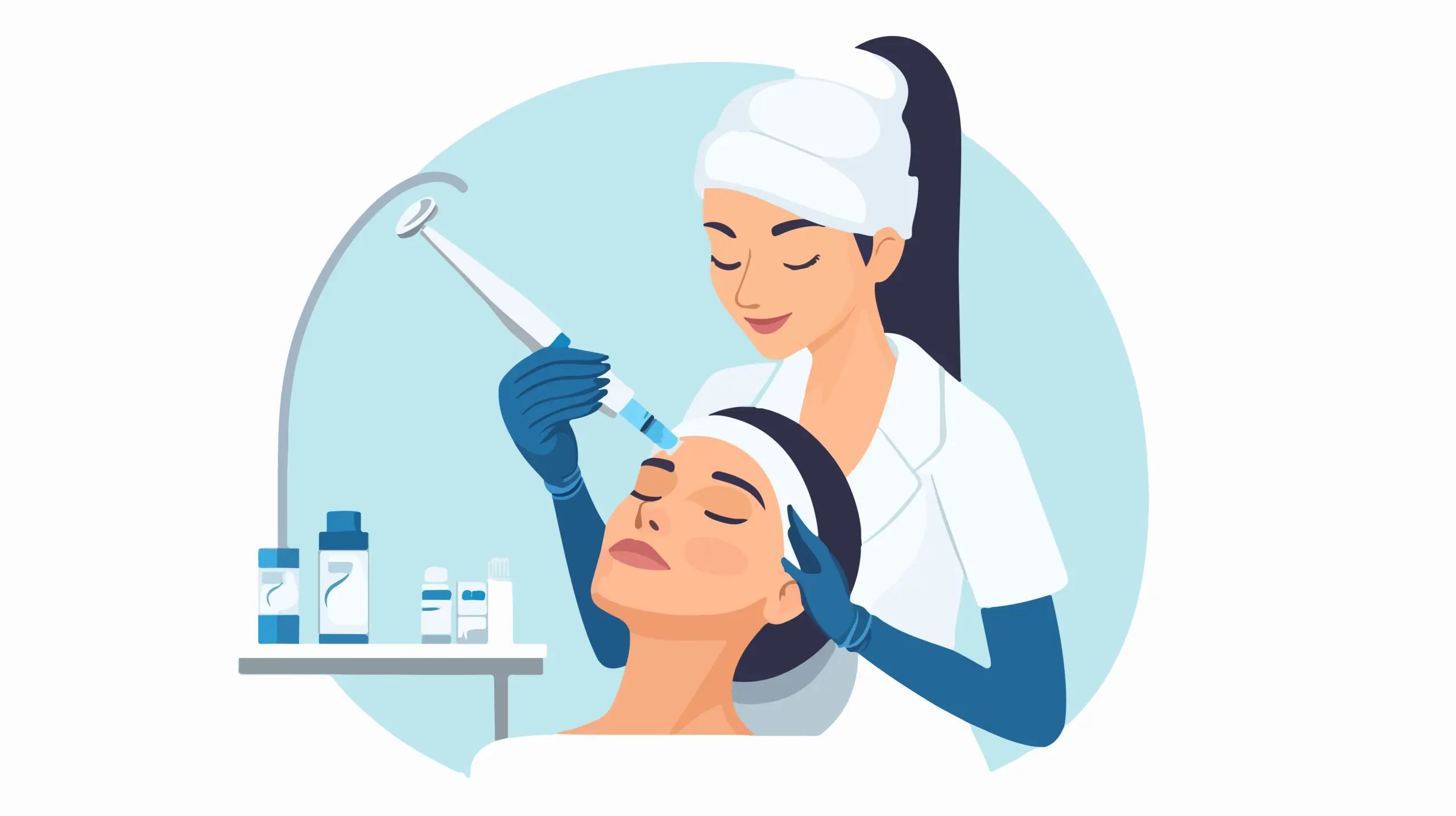
The treatment does not end when the mask comes off. Aftercare is what allows the skin to settle and the results to last. For at least 24 to 48 hours after a facial, follow these guidelines:
- use only a gentle cleanser
- apply a light moisturiser morning and night
- wear SPF every morning without fail
- avoid touching or picking the skin
- skip strong active ingredients such as retinoids or AHAs
- avoid saunas, steam rooms, and heavy exercise that causes excessive sweating
A simple everyday routine can be given a boost with a facial, giving your skin the time it needs to really recover.
Common Mistakes to Avoid
Even if you’ve meticulously planned a facial, its impact can be totally lost if you get a few things wrong. The most common mistakes people make include:
- Not getting a consultation beforehand and just assuming that a product is going to be okay to use without checking.
- Overdoing it with exfoliating or trying to use too many active ingredients at once
- Steaming skin that is already a bit sensitive, or has rosacea, or is already irritated – it just makes it worse.
- Trying to get blackheads out on inflamed acne – all you do is spread the bacteria and make it prone to scarring.
- Using too much pressure when massaging – it can make breakouts worse.
- Forgetting to apply sunscreen after the treatment, so you’ve got freshly exfoliated skin that is not protected.
- Using dirty tools, sharing towels, or using equipment that hasn’t been properly sanitised.
Avoiding these mistakes makes the facial safer, more effective, and more professional overall.
Master Advanced Skincare, Makeup, Hair, and Salon Management. Enrol Now!
Conclusion
A professional facial can be one of the most effective skincare treatments if it’s done right. This means in the right order and tailored to the individual’s skin. The sequence really does matter – cleansing, analysis, exfoliation, targeted treatment, massage, masking, and sun protection each plays a really important role in the final result.
Whether you are a beauty student trying to get to grips with the process, an aesthetician who has been doing it for years and is looking to improve their skills, or you are at home planning a facial for yourself, the same basic principle applies.
Take the condition of your skin seriously, choose your products with thought, and never, ever skimp on aftercare. When it’s all done properly, a professional facial is a treatment that really delivers.
|
RELATED POSTS |
|
| What Does a Professional Beautician Do? | |
| How to Become a Makeup Artist | |
| Top 10 Fashion Influencers in India | |
Master Makeup, Hair & Skincare to Build Your Beauty Identity
Unlock your creative potential with our expert-led Beauty & Wellness course. Build in-demand beauty skills and step confidently into the world of beauty!
Your Beauty Career Starts Here!Frequently Asked Questions
How often should a professional facial be done?
A facial is usually done every 4 to 6 weeks. The exact frequency depends on skin type and goals.
Can a professional facial be done at home?
Yes, a basic facial can be done at home with gentle products. But extractions and chemical exfoliation are better left to professionals.
Is steaming necessary in every facial?
No, steaming is not required in every facial. Sensitive or inflamed skin may need it skipped.
What should be avoided after a facial?
Avoid strong actives, harsh exfoliants, heavy makeup, and excess heat. Also avoid picking or touching the skin.
Is extraction a required step in every facial?
No, extraction is only needed for blackheads or clogged pores. It should be done by a trained professional.
How long does a professional facial typically take?
A professional facial usually takes 60 to 90 minutes. Express facials may take 30 to 45 minutes.
How is a facial massage done correctly?
Use soft, upward, and outward strokes. Keep the pressure light and avoid dragging the skin.
What is the difference between a basic and a professional facial?
A basic facial covers simple cleansing and moisturising. A professional facial includes skin analysis, targeted treatment, massage, masking, and customisation.