Table of Contents
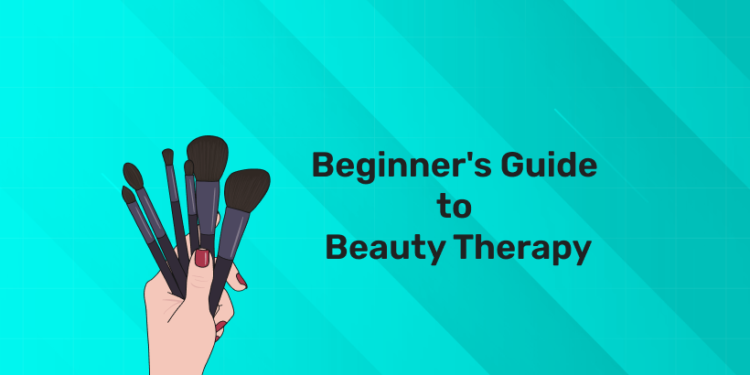
Beauty therapy is all about helping people look and feel their best. Whether through a skin, nail or body treatment, it’s pretty holistic really. For anyone looking to get started in India, first off you’re going to want to get that certificate or diploma course under your belt.
A certificate course is a good starting point, usually running 1.5 to 4 months and just giving you a feel for the basics. Diploma programmes on the other hand are a bit more in depth, running 5 to 9 months and covering skin science, hygiene and all that jazz to make you a proper pro.
The demand is real and the Indian beauty and wellness market is looking to grow even bigger. So yeah, there are plenty of good job opportunities waiting out there, from salons and spas to clinics and working freelance.
Master Advanced Skincare, Makeup, Hair, and Salon Management. Enrol Now!
Key Takeaways
- Beauty therapy’s a pretty broad field – think facials, waxing, nails, makeup, massage, consultations.
- Certificate courses (1.5 to 4 months) – get your foot in the door; diplomas (5 to 9 months) – get ready for work.
- Prices vary at a time from Govt/ITI to ₹3k to ₹15k; or private colleges and diplomas from ₹25k to ₹2L (hefty price depends on the city and college).
- Patch tests, infection control, checking if a client is allergic – these are all super important.
- Starting salaries are okay – around ₹15k to ₹25k a month; once you gain some experience or start working freelance you can easily hit ₹50k to ₹1L+.
- Showing some consistent before and after portfolio pics does more for building trust with clients than having all sorts of qualifications does.
- If you want to earn a good wage, specialise in something a bit more advanced like advanced facials, bridal makeup, spa treatments.
What does Beauty Therapy Actually Cover?
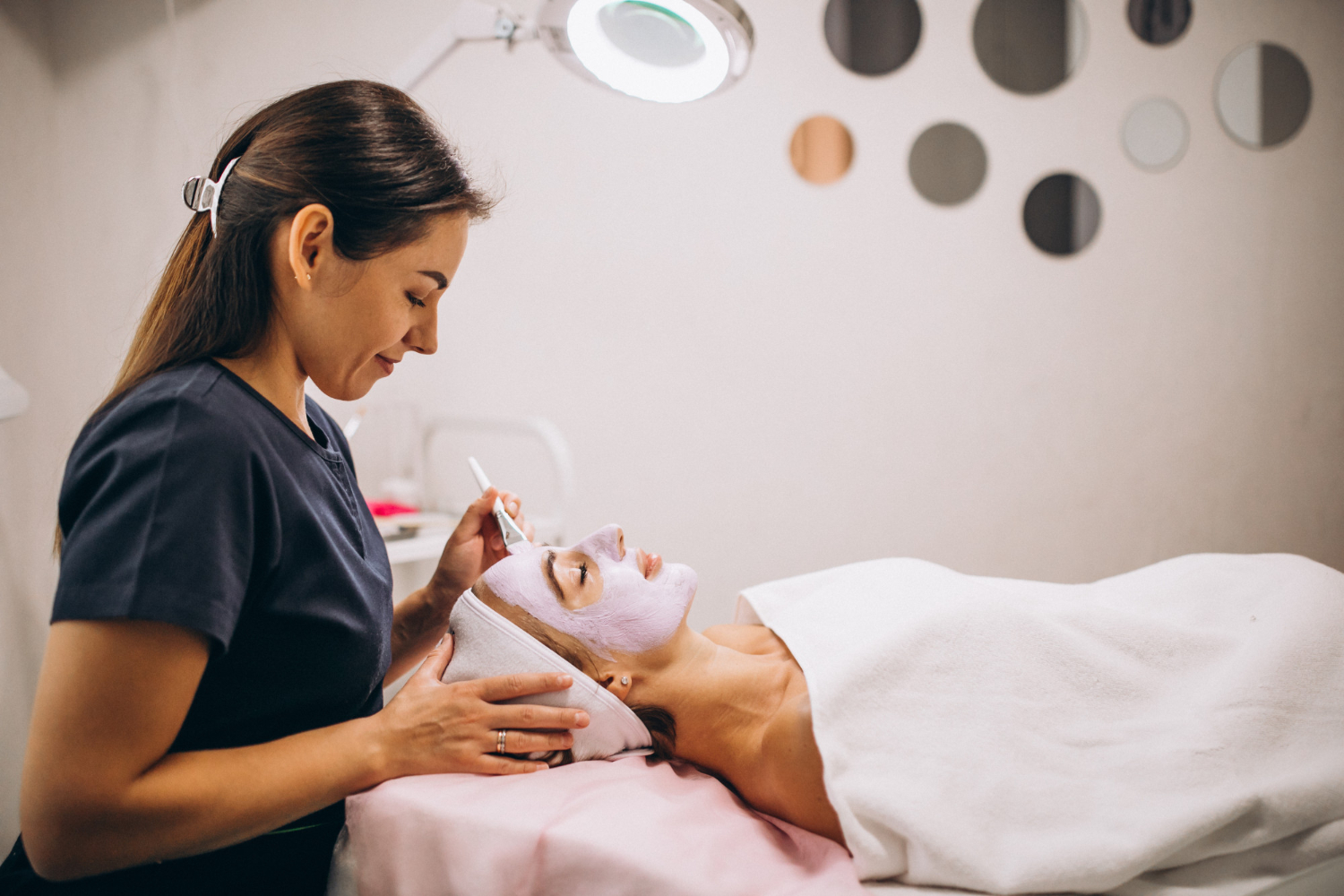
Before jumping into courses, it’s good to get an idea of what the whole field of beauty therapy is about. The truth is, it’s a lot bigger than most people think. The core bits that beauty therapists do include:
- Skin and facial therapy – cleansing, exfoliation, masking, and moisturising
- Hair removal – waxing, threading, and related techniques
- Nail care – manicure, pedicure, and nail art basics
- Body massage and spa treatments – relaxation and therapeutic techniques
- Basic makeup – everyday, bridal, and event looks
- Client consultation and hygiene – the professional backbone of every service
Skills developed through formal training include skincare treatments, facial therapies, makeup basics, hair care basics, hygiene and safety practices, client consultation, product knowledge, and customer service.
You don’t have to be an expert in all of these from day one. Most beginners pick two or three core areas and build from there.
Master Makeup, Hair & Skincare to Build Your Beauty Identity
Unlock your creative potential with our expert-led Beauty & Wellness course. Build in-demand beauty skills and step confidently into the world of beauty!
Your Beauty Career Starts Here!How to Get Started: A Step-by-Step Path
Step 1 – Choose Your Course Type
Anyone from a Class 10 graduate to a working professional can enrol in certificate and diploma beauty courses in India. Here’s a practical breakdown:
| Course Type | Typical Duration (India) | Practical Hours | Best For | Indicative Fee Range |
| Short Certificate | 1.5 to 4 months | 20 to 80 hrs | Quick entry, hobbyists | ₹3,000 to ₹25,000 |
| Diploma | 5 to 9 months | 150 to 400 hrs | Salon-ready careers | ₹25,000 to ₹2,00,000 |
| Advanced Diploma | 1 to 2 years | 400+ hrs | Specialist/management roles | ₹1,00,000+ |
| ITI / Government Course | 1 year | On-job + class | Low-cost, NCVT-recognised entry | ₹3,000 to ₹15,000 |
Government ITI programmes across India run a one year Hair and Skin Care course with NCVT certification. This is well-respected by employers all over the country.
For those who want a qualification that is really going to open doors around the world, CIDESCO-aligned international programmes are a bit longer. They last 6 to 12 months, and are great for preparing graduates for top jobs in salons, clinics and internationally.
Step 2 – Learn the Fundamentals
Every single course, whether it’s a short one or a longer one, will cover the same core theory that’s essential for getting started:
- skin anatomy
- proper sanitation procedures
- product knowledge
- how to have a proper client consultation.
Don’t rush through this bit.
Understanding why a treatment works is just as important as knowing how to do it. These fundamentals are what keep your clients safe and are what build your professional reputation early on.
Step 3 – Practice and Document Everything
The bit where you actually get to practice what you’ve learned is one of the most valuable parts of the course. Try to practice doing basic facials, waxing and nail services on friends, family, or training models as soon as you can.
Then document the results – even a simple before and after photo log kept in a folder or on your phone is a great start to your professional portfolio.
And one thing to remember is that hiring managers and potential clients are just as interested in seeing some evidence. You’ve got the skills to back up your qualifications as they are in the qualifications themselves.
Step 4 – Get Certified
Complete all the course assessments, get your institute certificate and check to see if your certification is accredited by a recognised body (NCVT for government courses, or internationally by CIDESCO/VTCT for top roles).
And if you plan on going it alone, have a look into getting some professional liability insurance – it’s cheap and it shows potential clients that you’re serious about doing things the right way.
Step 5 – Find Your First Role
So what can you do with all this? Well, you could go for a junior salon therapist job, or work in a spa, or even set up on your own as a mobile beauty therapist.
The options are pretty wide open. Start by targeting those junior therapist roles or trainee spots at local salons. Or just go for it and launch your own business. You can do these with a few basic service packages and word of mouth to help get you started.
Your Starter Kit as a Beginner
You don’t need to spend a fortune on tools from day one. Here’s a compact, practical starter kit:
| Item | Purpose | Key Note |
| Gentle cleanser, toner, moisturiser | Skin prep and finish | Use hypoallergenic options to avoid client reactions |
| Massage cream or oil | Facial and body massage | List all ingredients for client records |
| Waxing kit (strips and pot wax) | Hair removal | Always patch test 24–48 hrs before use |
| Manicure/pedicure set | Nail care | Sterilize tools between every client |
| Clean towels, headbands, disposable gloves | Hygiene essentials | Launder or replace between clients |
| Client intake and consent forms | Consultation records | Record allergies, medications, and patch test results |
Start lean. Invest in quality over quantity for your core tools, and expand as your client base grows.
Beginner Treatment Protocols
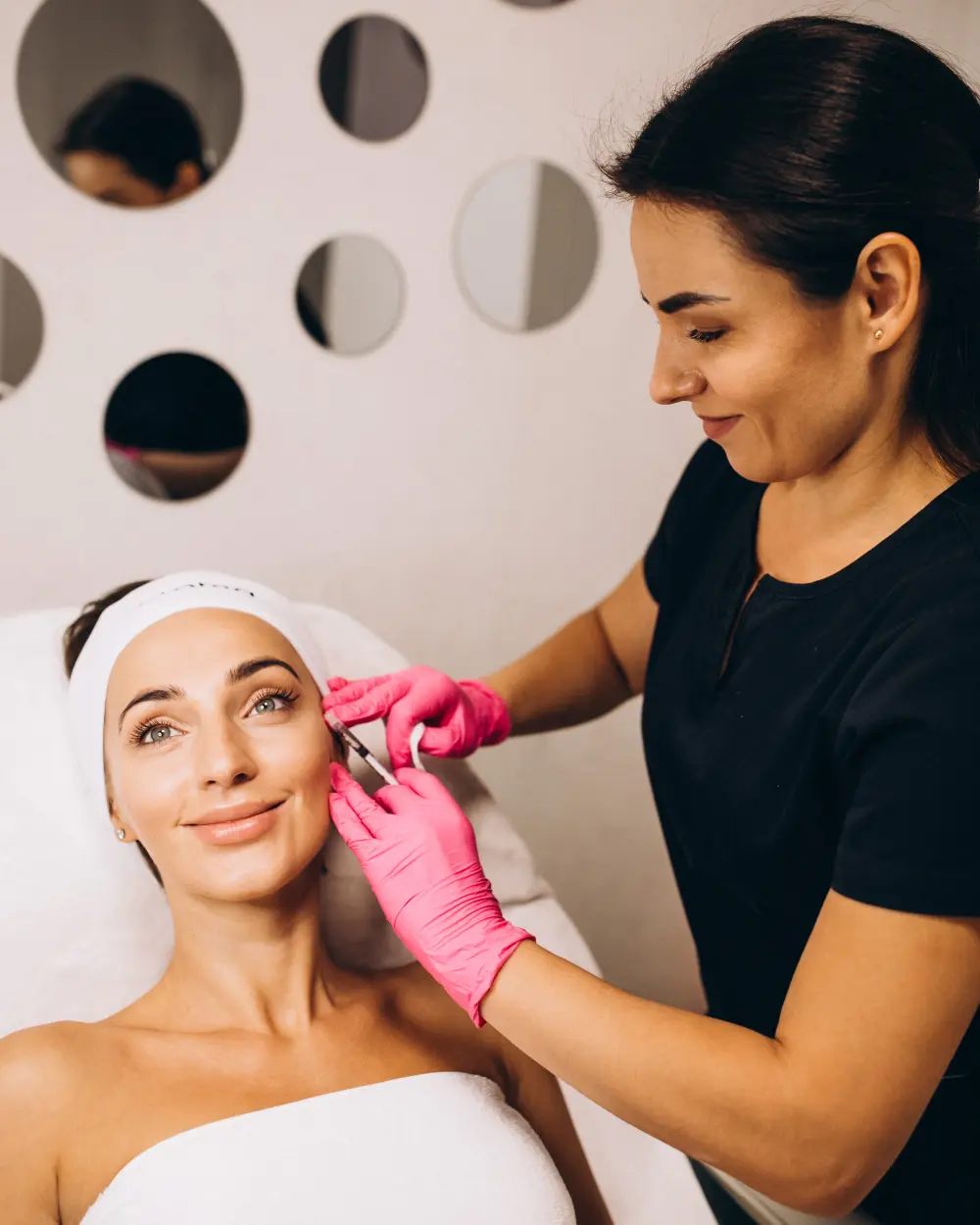
Express Facial (30 Minutes)
Consult the client → cleanse → gentle exfoliation (enzyme or soft scrub) → mask for 10 to 15 minutes → tone → moisturise → apply SPF if it’s a daytime appointment.
Always screen for contraindications before starting.
Basic Waxing – Upper Lip or Underarm
Patch test 24 to 48 hours prior → cleanse the area → apply wax in the direction of hair growth → remove swiftly against growth → apply a soothing lotion afterward.
Never wax over broken skin or active inflammation.
Classic Manicure (45 Minutes)
Sanitise the client’s hands → soak → cuticle care → file and shape → polish.
Disinfect or replace all tools between clients without exception.
Master Makeup, Hair & Skincare to Build Your Beauty Identity
Unlock your creative potential with our expert-led Beauty & Wellness course. Build in-demand beauty skills and step confidently into the world of beauty!
Your Beauty Career Starts Here!Safety, Hygiene, and Contraindications
This section isn’t optional reading. It’s the professional standard every beauty therapist is judged by.
Infection control:
Sterilize all reusable tools after each use. Use single-use files and implements wherever there is any risk of skin contact with blood or open skin. Wear gloves for all high-contact treatments.
Contraindications to know:
Do not perform treatments on clients with active skin infections, open wounds, severe acne in the treatment zone, or unhealed conditions. Always ask about medications and pregnancy status, as specific therapies may be contraindicated.
Patch testing:
Patch test every new product 24 to 48 hours before full application. Record the date, product, and result in the client file every time – no exceptions.
Good hygiene practices are what separate a professional from an amateur. Clients notice, and word-of-mouth reputation is built on this foundation.
Career Paths and Earning Potential in India
The beauty industry rewards those who specialise and build loyal clientele. Here’s a realistic picture of where you can start and where you can go:
| Role | Indicative Monthly Earnings | Notes |
| Entry-level salon/spa therapist (0–2 yrs) | ₹15,000–₹25,000/month | Metro salons and chains tend to pay more; tips supplement income |
| Mid-level therapist (2–5 yrs) | ₹30,000–₹50,000/month | Specialisation and client retention drive growth |
| Senior/specialist therapist | ₹50,000–₹80,000+/month | Premium spas, clinics, and luxury salons pay highest |
| Freelance/mobile therapist | Variable per service | Income scales with client base and marketing |
Celebrity and bridal specialists can rake in up to ₹1,00,000 or more on a single gig. The more advanced skills you learn, the higher your earning potential is going to be. Think advanced skincare treatments or high-end makeup artistry – these are the things that can really get the cash rolling in.
Now, if you’ve got qualifications like a certificate or diploma, you can expect to earn a heck of a lot more than someone who just has a high school degree. And let’s be real, formal training is going to massively impact your earning capacity down the line.
The key growth levers are consistent:
- specialisation in high-demand treatments
- working in metro markets
- building a strong returning client base
- eventually moving into training, salon management, or entrepreneurship
Master Advanced Skincare, Makeup, Hair, and Salon Management. Enrol Now!
Conclusion
Beauty therapy is one of the best vocational careers going in India. You can get started with a certificate in less than four months, build up real skills through practical experience, and then move into freelance, specialist, or management roles as you go.
The industry is growing fast, but what sets the top therapists apart isn’t just pure skill. It’s about being spotlessly clean, being able to communicate with clients, and being willing to keep on learning.
If you want to make it to the top, the first thing to do is find a course you can trust. Then build up your portfolio as soon as you start out. It’s, in fact, the best way to get noticed.
And every time you practice, whether that’s with a real client or just a paying customer in your mind, treat them like you would in real life. The clients, the cash, and the career will all follow.
|
RELATED POSTS |
|
| What Are Makeup Careers? | |
| Top Gen Z Fashion Female Trends for 2026 | |
Master Makeup, Hair & Skincare to Build Your Beauty Identity
Unlock your creative potential with our expert-led Beauty & Wellness course. Build in-demand beauty skills and step confidently into the world of beauty!
Your Beauty Career Starts Here!Frequently Asked Questions
How long does it take to become a beauty therapist in India?
Certificate courses usually take 1.5 to 4 months, diplomas 5 to 9 months, and advanced diplomas up to two years for specialist roles.
What is the minimum qualification required to enrol?
Most certificate and diploma courses accept Class 10 pass-outs; some advanced programs require Class 12. No prior beauty experience is needed for entry-level certificates.
Can I start working as a home or mobile therapist after a certificate?
Yes, many begin home or mobile services after a short certificate course. Maintain strict hygiene and a client intake/consent form when working independently.
Do salons prefer diplomas over certificates?
Salons hire certificate holders for trainee roles, but diplomas or demonstrated practical hours are preferred for permanent positions and faster promotion.
Which beauty therapy specialisation pays the most?
Advanced skincare, bridal/HD makeup, and premium spa therapies typically earn the highest fees. Senior specialists and successful freelancers can make around ₹50,000 to ₹1,00,000+ monthly depending on clientele and location.
Do I need insurance to work as a freelance beauty therapist?
Insurance isn’t legally required in most Indian states but is strongly recommended for freelancers and home-based therapists. It protects against client complaints and accidental reactions.
What tools do I need to start as a beginner beauty therapist?
A starter kit should include cleanser, toner, moisturiser, massage cream, waxing kit, manicure/pedicure set, disposable gloves, clean towels, and client intake forms. Begin with quality basics and add tools as you specialise.
Can I do a beauty therapy course online?
Yes, many certificate and diploma courses offer online theory. But practical hours must be completed in person or at an approved training centre. Verify the program’s practical arrangement before enrolling.
How do I grow my beauty therapy career faster?
Specialise in high-demand treatments, work in metro markets, build a loyal client base, and document work with before/after portfolios. Progress into training or salon management to scale earnings and responsibility.