Table of Contents
Every year, lakhs of taxpayers across India rush to file their income tax returns before the deadline. This year, many individuals and small business owners had until August 31 to submit their returns.
If that date has come and gone and you still haven’t filed, don’t panic. You still have options. But there are costs attached to filing late, and it helps to understand them clearly.
Ace your personal finance journey with Entri’s Personal Finance Online Course. Join Now!
Key Takeaways
- Belated Return – Missing the deadline does not mean you cannot file. You can still complete ITR filing after the deadline by filing a belated return until December 31 of the same assessment year.
- Late Fee – A late fee under Section 234F applies. The late fee amount is ₹1,000 if your total income is up to ₹5 lakh, and ₹5,000 if your income is above ₹5 lakh.
- Interest – If you have unpaid tax, you will also pay 1% interest per month under Section 234A. It will start from the day after the due date.
- Losses to keep in mind – Filing late means you lose the right to carry forward certain losses, such as business and capital losses, to future years.
- Less interest – Any tax refund you are owed may also earn less interest, since the interest clock depends on your actual filing date.
- Updated Return – If you miss even the belated return deadline, your only option becomes an Updated Return (ITR-U), which comes with extra tax and conditions.
Can You Still File your ITR after August 31?
1: What is a stock?

Yes, you can. The Income Tax Department allows what is called a “belated return.” This simply means a return filed after the original due date.
For most individual and small business taxpayers, the window for a belated return stays open until December 31 of the same assessment year.
So if you missed the deadline, you are not locked out of the system. You can still complete your filing. However, ITR filing after the deadline is not free. It comes with a late fee, possible interest, and a few real drawbacks that are worth knowing before you file.
The Late Filing Fee under Section 234F
The most direct consequence of missing the deadline is a penalty under Section 234F of the Income Tax Act. This fee is charged simply for filing late, regardless of whether you owe any tax or not.
Here is how it works:
- If your total income is above ₹5 lakh, the late fee is ₹5,000.
- If your total income is up to ₹5 lakh, the late fee is reduced to ₹1,000.
- If your income is below the basic exemption limit and you were not otherwise required to file, no late fee applies even if you file after the deadline.
This fee has to be paid before you can submit your belated return. The tax portal will usually calculate it automatically when you choose the belated return option.
Interest under Section 234A
If you still owe tax to the government, missing the deadline adds another cost. Section 234A charges interest at 1% per month, or part of a month, on your unpaid tax amount. This interest starts from the day right after the original due date and continues until you actually file your return and pay the tax.
This is important to understand. Even a delay of a few days can trigger interest for a full month, since the calculation is based on part-months, not exact days. The longer you wait, the more this interest adds up. This is one of the biggest reasons why ITR filing after deadline can end up costing more than people expect.
It is worth noting that if you have no tax due, meaning your TDS or advance tax already covers your liability, this interest under Section 234A does not apply. Only the Section 234F late fee would apply in that case.
Beyond the direct financial penalty, there are a few less obvious consequences that catch people off guard. If you had losses from your business, profession, or the sale of capital assets like stocks or property, these losses can normally be carried forward and set off against future income for several years. But if you file your return late, most of these losses cannot be carried forward. The one common exception is loss from house property, which can still be carried forward even with a belated return. If the government owes you a refund, you are entitled to interest on that amount. However, this interest is generally calculated from the date you actually file your return, not from the original due date. Filing late, in this sense, delays how much interest builds up in your favour. Depending on the type of income you have, filing late can limit your flexibility in choosing between the old and new tax regimes in certain cases. It is a good idea to check this carefully or speak with a tax professional if this applies to your situation. Trusted, concepts to help you grow with confidence. Enroll now and learn to start investing the right way.
If you fail to file your ITR by December 31, the belated return window closes. At that point, your options become more limited. You may still be able to file what is called an Updated Return, or ITR-U, under Section 139(8A) of the Income Tax Act. An Updated Return allows taxpayers to file even after the belated deadline has passed, but it comes with additional tax on top of your regular liability. The additional tax increases depending on how much time has passed since the original deadline. This route also has its own eligibility conditions, so it is not available in every situation, such as when it would result in a lower tax liability or a refund. In short, filing after the deadline through ITR-U is possible, but it is meant as a last resort, not a routine option. If you are in this situation right now, here is a simple way to think about your next steps: Acting quickly matters. Every additional month of delay can increase your interest liability under Section 234A, so there is no benefit in waiting further once you have decided to file. Ace your personal finance journey with Entri’s Personal Finance Online Course. Join Now! Missing the August 31 deadline is not the end of the road, but it is not something to ignore either. The system gives you a second window through the belated return process, available until December 31. Still, ITR filing after the deadline comes at a real cost: a fixed late fee, monthly interest on any unpaid tax, restrictions on carrying forward losses, and reduced refund interest. The best move is to file as soon as possible rather than delaying further, since every extra month adds to what you owe. If your situation feels complicated, especially around losses, refunds, or tax regime choices, it is worth speaking to a tax professional before you file. Trusted, concepts to help you grow with confidence. Enroll now and learn to start investing the right way.
Yes. You can file a belated return until December 31 of the same assessment year, along with the applicable late fee. It is ₹5,000 if your income is above ₹5 lakh, and ₹1,000 if your income is up to ₹5 lakh. No fee applies if your income is below the exemption limit. Yes, if you have unpaid tax. Interest under Section 234A is charged at 1% per month from the due date until you file. Most losses, like business or capital losses, cannot be carried forward. House property loss is an exception. You may still file an Updated Return (ITR-U) with additional tax, subject to eligibility conditions. Yes. Refund interest is calculated from your actual filing date, so delays can reduce the total interest you receive. Yes. You must e-verify within 30 days, or your return is treated as not filed at all. Loss of Certain Benefits when You File Late
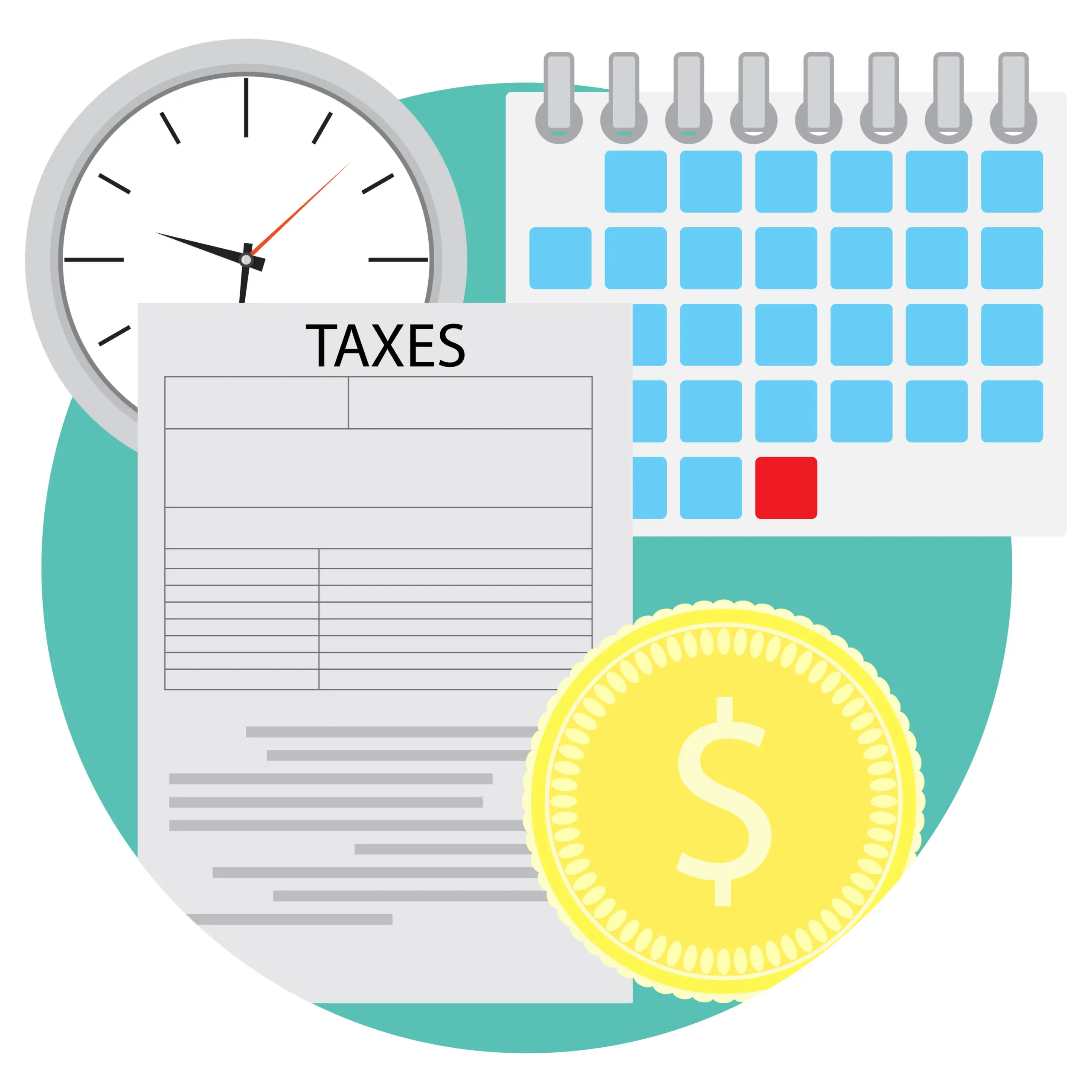
You lose the ability to carry forward certain losses.
Your refund may earn less interest.
You may face restrictions in choosing your tax regime.
Stock Market Training Reviewed & Monitored by SEBI Registered Investment Advisor
What if You also Miss the Belated Return Deadline?
Steps to Take if You Missed the August 31 Deadline
Conclusion
Stock Market Training Reviewed & Monitored by SEBI Registered Investment Advisor
Frequently Asked Questions
Can I still file my ITR after August 31?
How much is the penalty for late filing?
Will I have to pay interest too?
Can I carry forward my losses if I file late?
What happens if I miss the December 31 deadline too?
Does filing late affect my refund?
Is e-verification necessary after filing?