Table of Contents
Whenever investors think of diversifying their portfolio, precious metals are the first option that generally comes on the top of their mind. The reason is simple.
Precious metals act as a hedge, safer option, or a protection against inflation. And among precious metals, a topic that is frequently debated is silver vs gold investment. Which of these two metals offers better potential, lower risk, and fits your goals?
In this article, we explore:
- The current scenario and market dynamics
- Features and properties
- Investment options available
- Historical returns
- Risks and potential returns
- A final recommendation
- Top takeaways
Start investing like a pro. Enroll in our Stock Market course!
Present Scenario – 2025
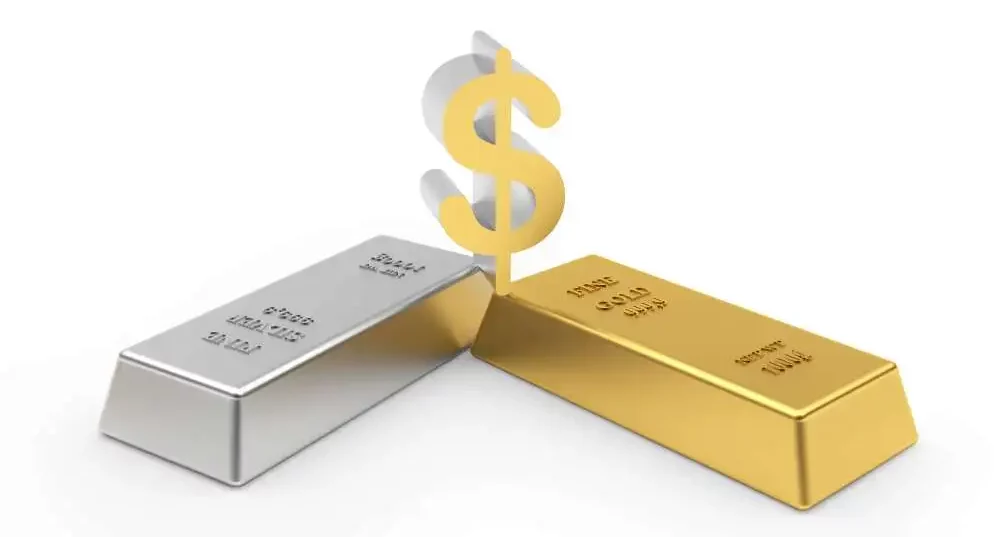 In 2025, the precious metals market has shown dramatic rallies. In the spot market, gold has crossed US$4,000 per ounce, beating records in several markets. However, on the other hand, silver also touched an all-time high of around US$49.57 per ounce.
The major factors that led to this surge are industrial demand, tight supply, and investor inflows.I n 2025, Gold and silver ETFs have offered returns somewhere between 44–47 % so far.
Gold continues to attract safe-haven flows, while silver is benefiting from both investment demand and strong industrial use for purposes such as electronics, solar, EVs etc. In India, silver has outperformed gold in segments of 2025, drawing more investor interest.
Thus, in the present scenario, silver is grabbing more attention, but gold continues to be a foundation for stability.
Key Features: Silver vs Gold Investment
1: What is a stock?
Below is a table summarizing key physical and financial attributes:
| Feature | Gold | Silver |
| Role | Primarily monetary, store of value | Dual role: monetary + industrial |
| Liquidity | Very high (global markets, central banks) | Good, but smaller markets, more volatile |
| Volatility | Relatively lower | Higher volatility |
| Unit cost | High per gram/ounce, easier to hold value in small size | Lower per gram/ounce, accessible to small investors |
| Industrial demand | Only up to an extent (jewellery, some electronics) | Heavy (electronics, solar, photovoltaics, batteries) |
| Correlation to economy | More defensive | More cyclical, tied to industrial cycles |
| Safe-haven behavior | Strong | Somewhat with gold, but also sensitive to industrial demand |
| Storage & insurance cost | Moderate | Higher relative cost due to bulk |
Observations:
- Because silver has a large industrial component, its price swings tend to be stronger (upside in booms, downside in recessions).
- Generally, during the times of crisis, gold often acts as a buffer; silver might amplify the reaction.
- Gold/silver ratio – It is a ratio that shows how many ounces of silver are needed to buy one ounce of gold. This tool is used by traders to gauge relative valuation. When the ratio is high, silver is relatively cheap, and vice versa.
Physical ownership Paper / non-physical forms In many markets, gold is more developed in paper forms (ETFs, bonds, etc.). Though silver ETFs came later, they are gaining traction. When investing in silver vs gold, the major factors that you should keep in mind are transaction cost, liquidity, custody risk, and premium/discount spreads. Trusted, concepts to help you grow with confidence. Enroll now and learn to start investing the right way.
When evaluating silver vs gold investment, your choice should depend on: Given the strengths and risks: RELATED POSTS Trusted, concepts to help you grow with confidence. Enroll now and learn to start investing the right way.
Gold is generally safer as it is less volatile, more liquid, and less dependent on industrial demand. Due to its dual nature, silver may be riskier. Yes. Analysis of historical data shows that silver has outpaced gold in strong bull markets. It is because of silver’s leveraged exposure to industrial demand. The gold/silver ratio measures how many ounces of silver equal one ounce of gold. Traders use it to identify relative valuation – when the ratio is high, silver may be undervalued relative to gold. Paper instruments (ETFs, digital products) offer liquidity and lower storage cost. Physical gives direct ownership but carries storage, insurance, and premium costs. Yes. Due to its lower unit price, silver becomes more accessible for small investors. But if you are a small investor, be prepared for higher volatility and make careful cost considerations before investing. Within the precious metals, a conservative approach would be to invest 70–90 % in gold and 10–30 % in silver . Depending on your risk tolerance, adjustments can be made. For gold, safe-haven / monetary flows are the decisive factors. For silver, industrial demand plays a major role during expansion phases, so both the factors matter.Investment Options: How Can You Gain Exposure?
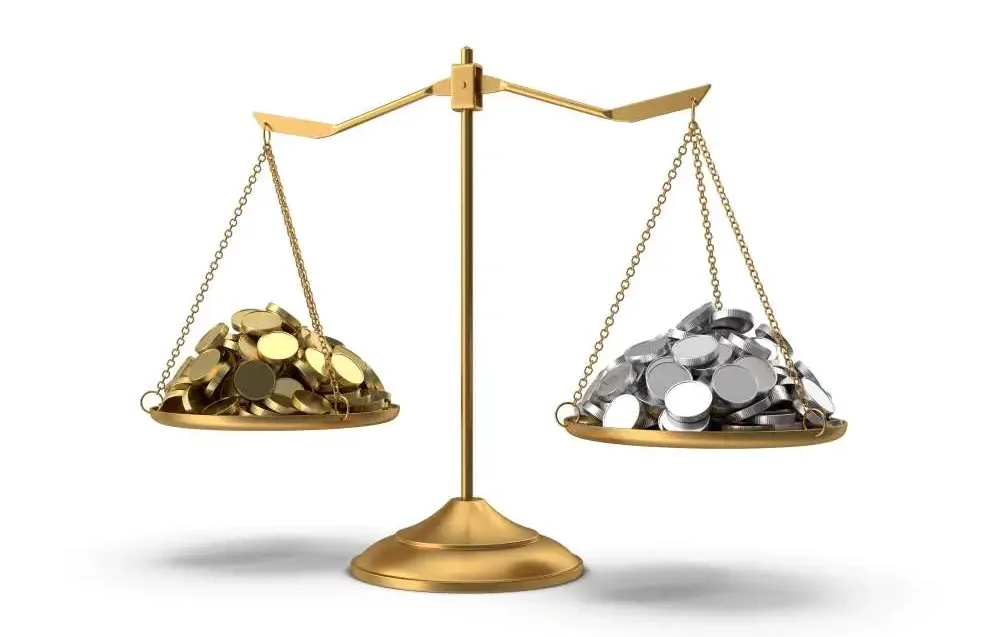 The various options of investing in gold and silver are listed below:
Past Returns & Performance
Long-Term Trends
Comparative Cycles
Recent Returns (2024–2025)
Stock Market Training Reviewed & Monitored by SEBI Registered Investment Advisor
Risks & Potential Returns
Risks
Potential Returns
Silver vs Gold Investment: What’s More Likely to Suit You?
Final Recommendation & Portfolio Suggestion
Top Takeaways
Gold Rate in Kerala Today
Is It Safe to Keep Gold in Bank Locker?
Why Gold Price is Rising
Stock Market Training Reviewed & Monitored by SEBI Registered Investment Advisor
Frequently Asked Questions
Which would be a safer option?: Investing in silver or gold?
Can silver outperform gold in the next bull run?
Can you explain the term gold/silver ratio in simple terms? Also, why is it important?
Should I hold physical metal or use paper instruments?
Is silver good for small investors?
How should I allocate my investment between gold and silver?
What makes the most impact on prices? Is it industrial demand or safe-haven flows?