Table of Contents
You can enroll in a beauty and wellness course after getting your 10th or 12th out of the way. Both of those milestones are real entry points that lead to roles in salons, spas, bridal makeup, and doing aesthetics in a clinic.
The two routes are just different in terms of how far you can take it and how long it will take before you’re ready to move up.
If you just have a matriculation certificate you can start working in a salon or as a freelancer in a pretty short amount of time. On the other hand if you’ve got a 12th pass and a diploma or degree then you’re looking at management, training, and some really technical roles.
Master Advanced Skincare, Makeup, Hair, and Salon Management. Enrol Now!
Key Takeaways
- 10th/12th pass can join. Qualification sets course level.
- Choose B&WSSC (NCVET/NSDC) – affiliated courses.
- Certificates (weeks 6 months) → entry jobs. Diplomas/degrees (1 to 3 yrs) → senior roles.
- Entry pays ₹10k to ₹20k. Top freelancers/bridal artists can earn ₹1L+.
- Fastest-growing: bridal makeup, clinical aesthetics, salon management.
- Verify NSQF level, practical hours, placement support.
Who can Apply: Eligibility at a Glance
| Entry point | Minimum qualification | What it unlocks |
| After 10th | Pass Class 10 from a recognised board | Certificate and short diploma courses in makeup, hairdressing, and basic beauty therapy |
| After 12th | Pass Class 10+2 (any stream, though science helps for clinical modules) | Advanced diplomas, B.Voc/B.Sc. in Beauty & Wellness, and postgraduate specialist courses |
| Working professionals / career switchers | Equivalent qualification or institute-level entry test | Skill-upgrade certificates, specialised technical courses |
Most beauty courses that are approved by the sector skills council are open to people who have just finished their 10th class – or at the very least have to be 16 or 17 to start.
Although the exact age limit can vary from one institute to the next. Degree level and clinical aesthetics programmes usually demand a 12th pass and some of them even need a certain minimum score to get in.
Master Makeup, Hair & Skincare to Build Your Beauty Identity
Unlock your creative potential with our expert-led Beauty & Wellness course. Build in-demand beauty skills and step confidently into the world of beauty!
Your Beauty Career Starts Here!Course Levels – What Each One Actually Gives You
-
Certificate (1 week–6 months):
You get basic makeup, hairdressing, and facials skills. And this will get you in the door of a job or freelance work pretty quick.
-
Advanced certificate / short diploma (6–12 months):
This level adds in some real-world client practice and teaches you how to build a portfolio. This will make you look much more attractive to employers.
-
Diploma (1–2 years):
Comprehensive practical training plus basic salon business skills – a strong base for supervisory roles.
-
Undergraduate degree (3 years):
B.Voc/B.Sc. programmes bring in cosmetic science theory and prepare you for management or clinical-adjacent roles.
-
Postgraduate/specialist courses:
Cosmetic formulation, laser technology, and clinical aesthetics. These usually require 12th pass and sometimes a science background.
Popular Specializations & What You’ll Learn
| Specialization | Core skills covered |
| Hair & Salon Therapy | Cutting, styling, colouring, chemical treatments, hygiene protocols |
| Makeup Artistry | Bridal, fashion, editorial, HD and airbrush makeup |
| Skin & Facial Therapy | Skin analysis, facials, basic peels, home-care regimens |
| Spa & Wellness | Massage techniques, aromatherapy, body therapies |
| Nail Technology | Manicures, pedicures, nail art, sanitation standards |
| Cosmetic Science & Clinical Aesthetics | Formulation basics, dermatology fundamentals, laser safety (advanced level) |
| Salon Management | Inventory, billing, staff handling, local marketing |
Bridal makeup remains one of the highest-earning specialisations, and that is because there is just so much wedding going on in India.
But clinical aesthetics and cosmetic science are where all the real growth is happening now. This is because all these new clinics and skincare places are popping up in smaller cities everywhere.
After 10th vs After 12th: Quick Comparison
| Route | Typical courses available | Duration | Entry-level roles | Best suited for |
| After 10th | Certificate, short diploma | 1 week–1 year | Salon assistant, junior beautician, makeup trainee | Fast entry, lower upfront cost, learning-by-doing |
| After 12th | Advanced diploma, diploma, UG degree | 6 months–3 years | Senior therapist, makeup artist, spa therapist, salon manager | Deeper technical knowledge, managerial and clinical scope |
Master Makeup, Hair & Skincare to Build Your Beauty Identity
Unlock your creative potential with our expert-led Beauty & Wellness course. Build in-demand beauty skills and step confidently into the world of beauty!
Your Beauty Career Starts Here!Fees, Duration, and Financing (India Estimates)
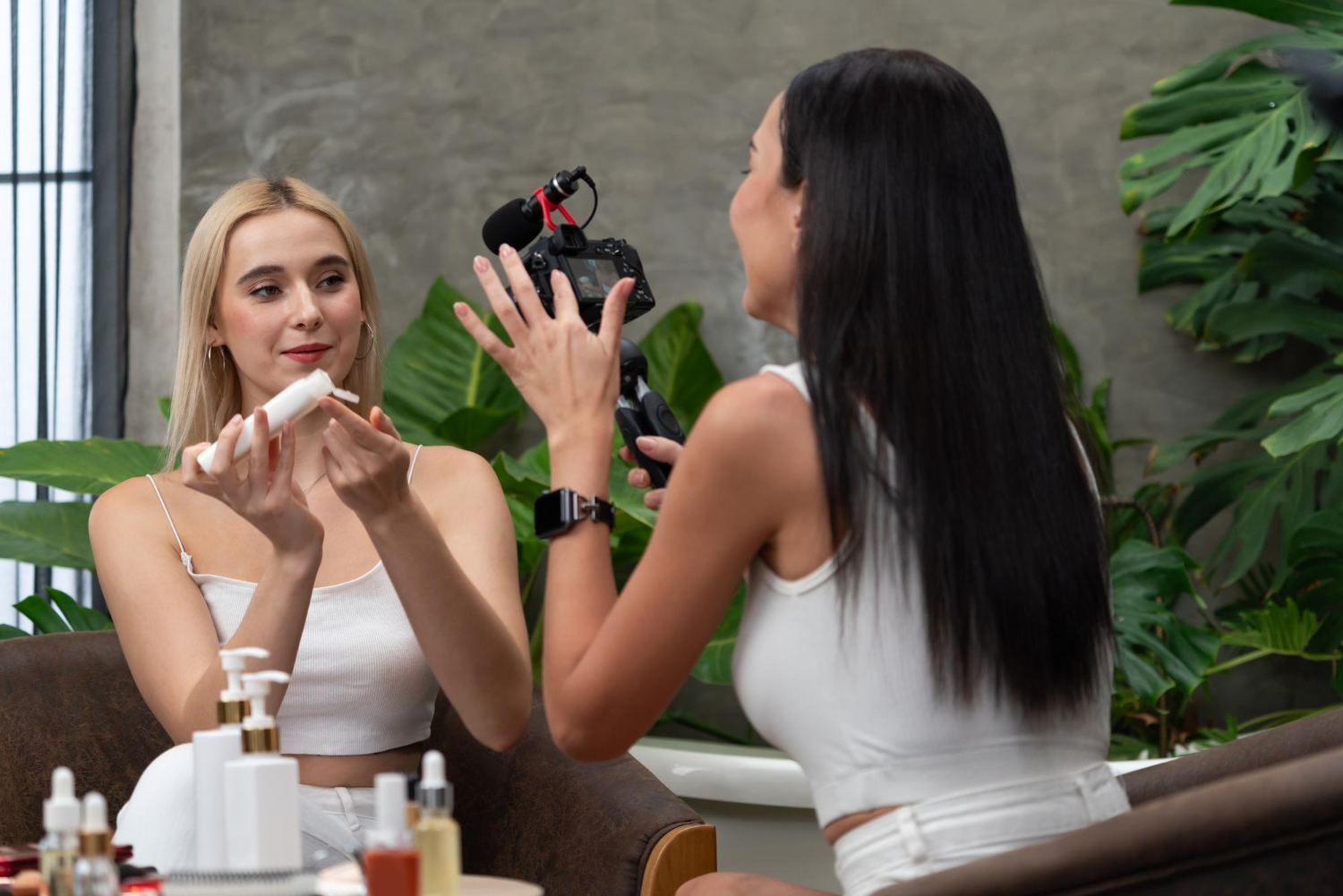
-
Certificate courses:
Range roughly between ₹5,000 and ₹40,000.
-
Diploma courses:
Range roughly between ₹30,000 and ₹2,00,000.
-
UG degree programmes:
Roughly ranges from ₹50,000 to ₹3,00,000 per year. This depends on the institute and city
-
Financing options:
You can get finance sorted through EMI plans from the institute, education loans, or even scholarships from the government if you qualify for the Pradhan Mantri Kaushal Vikas Yojana (PMKVY). They are offering free or subsidised training.
As for the cost, that can vary a lot depending on the institute and city you are in. And it also makes a big difference if the course is paying for a bunch of branded products or some international certification.
So it is best to get a full breakdown of the costs before you hand over your cash.
Accreditation and Credentials to Check
-
B&WSSC affiliation:
The Beauty & Wellness Sector Skill Council is the recognised body that gives out the accredited awards under NCVET. They are all backed up by the government too. Courses they put their stamp on carry a nationally recognised level as part of the NSQF.
- University recognition for degree programmes (UGC-recognised university or affiliated college).
- Documented practical hours and clear internship or placement support, not just vague promises.
- Trainer credentials and equipment quality, especially for advanced modules involving lasers or professional-grade makeup kits.
Skipping this check is a common mistake. An unaccredited “diploma” from a local parlour-run academy won’t carry the same weight as a B&WSSC or university-recognised certificate when you apply for jobs later.
Career Options and Salary Expectations (India, 2026)
| Role | Typical monthly salary range |
| Junior Beautician / Salon Assistant | ₹10,000–₹20,000 |
| Makeup Artist (salon-based, junior-mid) | ₹15,000–₹45,000 |
| Bridal/Freelance Makeup Artist | ₹25,000–₹1,00,000+ (project-based, varies with bookings) |
| Spa Therapist | ₹12,000–₹35,000 |
| Nail Technician | ₹10,000–₹25,000 |
| Hair Colour/Styling Specialist | ₹20,000–₹50,000 |
| Salon Manager / Trainer | ₹30,000–₹80,000 |
| Clinical Aesthetics Assistant | ₹30,000–₹80,000 (higher with advanced credentials) |
Income is naturally less predictable. It depends on client bookings and wedding-season demand.
How to Choose the Right Course: A Quick Checklist

- Decide your goal first – quick job entry, a full professional qualification, or eventually running your own salon/studio.
- Match the specialization to real demand – bridal makeup and skincare/clinical aesthetics currently show the steadiest year-round demand.
- Verify accreditation – B&WSSC/NCVET affiliation, NSQF level, and university recognition for degree courses.
- Compare practical training hours, not just classroom hours. Beauty is a hands-on skill.
- Check placement support and alumni outcomes rather than relying on institute marketing claims alone.
- Compare total cost, including kit and material charges that some institutes add separately.
Application Timeline and Tips
- Short courses: Rolling admissions. You can attend a trial or demo class before committing.
- Diploma/UG programmes: Follow the academic year. Intake happens around June to September.
- Documents needed: 10th/12th mark sheet, government ID, passport-size photos. Some institutes ask for a basic skill trial as well.
- Build a simple portfolio early. Even practice-sessions before/after photos improve your chances at placement interviews.
Real-World Pathways
-
Fast-entry:
10th pass → 6-month certificate → salon assistant → freelance bridal artist within 2-3 years.
-
Long-term:
12th pass → B.Voc/B.Sc. in Beauty & Wellness → clinical aesthetics assistant → salon management or spa opportunities abroad.
Master Advanced Skincare, Makeup, Hair, and Salon Management. Enrol Now!
Conclusion
A beauty course is no longer a fallback option. It is definitely a legitimate and fast-growing career track backed by an Indian beauty and personal care industry.
You can start right after 10th with a short certificate. You can also wait until 12th for a comprehensive diploma or degree. What matters most, in both the cases, is choosing a genuinely accredited course with real practical training and placement support.
Starting small can be a smart move. A trial workshop is a low-risk way to test the path. Then build steadily toward the specialization that fits your goals.
|
RELATED POSTS |
|
| What Do You Learn in a Beauty and Wellness Course? | |
| Bridal Makeup Essentials for Aspiring Beauticians | |
| How to Become a Makeup Artist | |
Master Makeup, Hair & Skincare to Build Your Beauty Identity
Unlock your creative potential with our expert-led Beauty & Wellness course. Build in-demand beauty skills and step confidently into the world of beauty!
Your Beauty Career Starts Here!Frequently Asked Questions
Is passing 12th compulsory for beauty courses?
No, but it’s usually required for degree programmes and clinical aesthetics modules. Certificate and diploma courses generally remain open to 10th-pass students.
Which beauty specialization pays the most?
Bridal and freelance makeup artistry, along with clinical aesthetics and senior salon management roles, tend to offer the highest earning potential. Freelance income can exceed ₹1,00,000 a month for artists with strong portfolios and bookings.
Are online beauty courses valid for jobs?
Hybrid formats with online theory and offline practicals are valid, but purely online courses without hands-on practice generally aren’t enough for salon or clinical roles. Always check whether practical training hours are included.
Can I start freelancing right after a short course?
Yes, especially in makeup artistry and nail art, though most successful freelancers first gain a few months to a year of salon or assisting experience. This builds the hands-on speed and client-handling skills that freelancing demands.
Is there an age limit to join a beauty course?
Most certificate courses accept students from around 16 to 18 years, and there’s typically no strict upper age limit for skill-based training. Requirements vary by institute, so it’s worth confirming directly.
What documents are needed to apply?
You’ll generally need your 10th or 12th mark sheet, a government-issued ID, and passport-size photographs. Some institutes may also request a basic skill trial or interview.
Can I get a government loan or scholarship for a beauty course?
Yes, schemes like Pradhan Mantri Kaushal Vikas Yojana (PMKVY) offer free or subsidised skill training for eligible candidates. Many institutes also offer EMI-based fee payment plans.
How do I check if a beauty institute is genuinely accredited?
Look for explicit B&WSSC or NCVET affiliation, an NSQF level on the certificate, and documented practical training hours. Avoid institutes that can’t clearly explain their accreditation.