Table of Contents
Key Takeaways
- Foreign Exchange Conservation: The primary reason for the appeal is to save India’s foreign exchange (forex) reserves, which have faced pressure due to rising crude oil prices and global instability.
- Economic Stability: Reducing gold imports helps narrow the Current Account Deficit (CAD) and strengthens the Indian Rupee against the US Dollar.
- Global Volatility: With the West Asia crisis pushing oil prices above $100 per barrel, the government is prioritizing essential imports like fuel and edible oils over non-essential luxury items.
- Alternative Investments: Investors are being encouraged to look at “paper gold” options like Gold ETFs, which provide price benefits without draining the nation’s dollar reserves.
- National Interest: The appeal is framed as a “national sacrifice” to build economic resilience during a sensitive period of global geopolitical tension.
Join our Online Course and Learn Stock Marketing the Right Way. Enrol Now!
Introduction
1: What is a stock?
In India, gold is more than just a metal; it is a symbol of security, a centrepiece of weddings, and a generational legacy. However, in a recent public event at Hyderabad, Prime Minister Narendra Modi made a surprising request to the citizens. He urged Indians to voluntarily pause their gold purchases for the next one year.
This PM Modi gold appeal has sparked a nationwide conversation among families, investors, and jewellers alike. While it might seem counter-intuitive for a government to ask citizens to stop buying an asset they love, the reasoning is rooted deeply in the health of the Indian economy.
As we navigate a year marked by global conflicts and fluctuating energy prices, the government is looking at ways to keep the nation’s financial foundation strong.
The Economic Context: Why Gold Matters to the Nation
India is the world’s second-largest consumer of gold, but we produce very little of it domestically. Almost all the gold we wear or store in lockers is imported from countries like Switzerland, the UAE, and South Africa.
For the unknown, India consumes around 700 to 800 tonnes of gold every year. However, the country’s domestic production is limited to hardly 1 to 2 tonnes annually and it is dependent on imports for over 90% of its gold requirement.
In the financial year 2025-26, India’s gold import bill hit an all-time high of approximately $71.98 billion. To put this in perspective, that is roughly $6 billion every single month flowing out of the country. Because international trade happens in US Dollars, every time a consumer buys a gold bangle or a coin, the country has to pay for it using its foreign exchange reserves.
The Impact on the Rupee
When there is a massive demand for gold, there is a massive demand for dollars as well. This increased demand for the dollar makes the Indian Rupee weaker. A weaker rupee is bad news for everyone because it makes other essential imports—like the petrol and diesel that power our transport and the edible oils we use for cooking—much more expensive.
On 12th May 2026, the rupee hit a record low of 95.55 per dollar. It was because investors were concerned about a fraying ceasefire in West Asia that led to a fresh rise in oil prices. By making the PM Modi gold appeal, the government is attempting to break this cycle.
If we reduce our gold consumption for a year, the demand for dollars will drop, helping the rupee stay stable and keeping inflation in check for the common man.
The “Oil and Gold” Connection
The timing of this appeal is not accidental. The ongoing crisis in West Asia has sent crude oil prices soaring, often crossing the $100 per barrel mark. It is to be noted that India imports nearly 89% of its oil. Unlike gold, which can be deferred, oil is an absolute necessity for the economy to function.
When oil prices rise, the country’s import bill balloons. In 2026, crude oil prices have surged 72% so far and the rupee has depreciated 5.1% against the dollar, thus adding significantly to the cost of India’s oil imports. Since we have limited control over global oil prices, the government is looking to cut down on “non-essential” imports. Gold falls into this category.
The logic is simple: if we spend less on gold, we have more “savings” in our national forex reserves to pay for the expensive oil without devaluing our currency or draining our treasury.
The Cultural Challenge: Weddings and Traditions
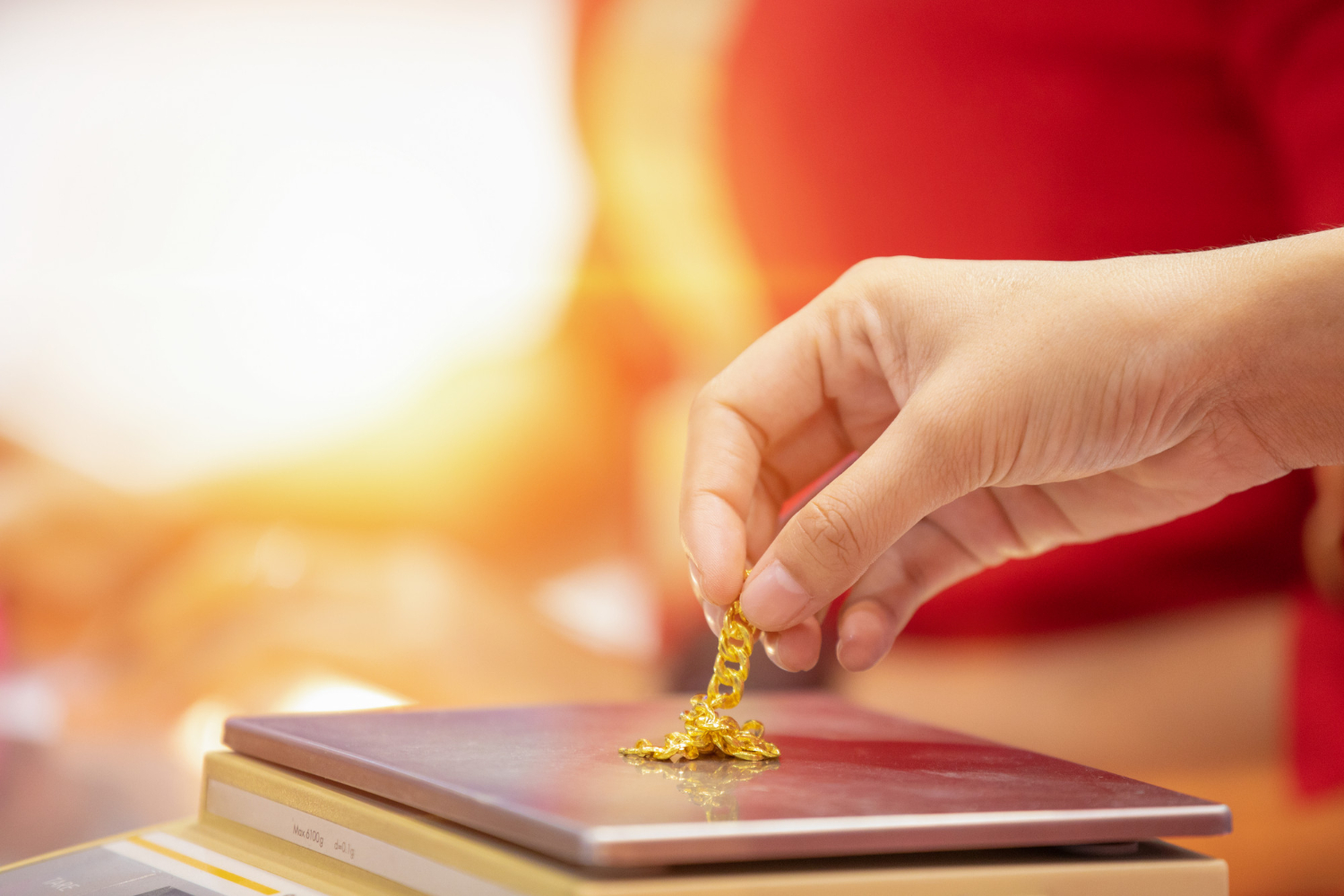
The biggest hurdle for the PM Modi gold appeal is India’s vibrant wedding season. Gold is considered auspicious, and many families save for years to buy jewellery for their children’s marriages.
The Prime Minister’s request is voluntary and is positioned as a “national sacrifice.” The government isn’t banning gold; it is asking for a collective pause. For those who absolutely must have gold for traditions, the bullion industry is suggesting alternatives like:
-
Recycling Old Gold:
Instead of buying new imported gold, families can exchange old jewellery for new designs. Due to the sharp rise in gold prices in 2025, Indian consumers exchanged old jewellery for new ones and according to the World Gold Council (WGC), 40-45% of purchases involved some form of exchange.
-
Gold Monetization:
Using existing household gold to earn interest, effectively bringing “dead” gold back into the economy.
Stock Market Training Reviewed & Monitored by SEBI Registered Investment Advisor
Trusted, concepts to help you grow with confidence. Enroll now and learn to start investing the right way.
Know moreShifting to Digital and Paper Gold
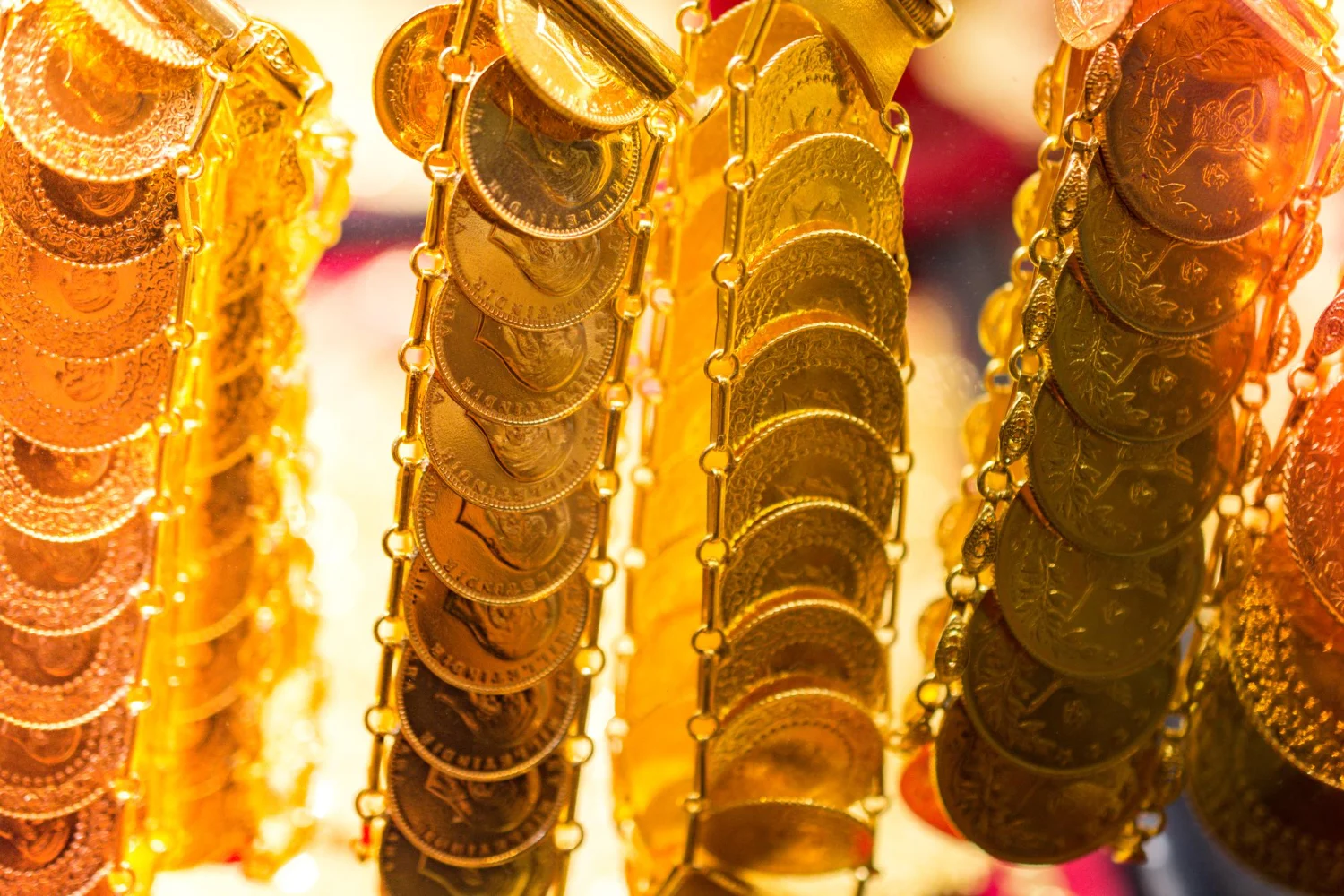
One of the most important aspects of the PM Modi gold appeal is the shift toward smarter investment. If your goal is strictly investment—meaning you want to benefit from rising gold prices—you don’t actually need to hold the physical metal.
Gold ETFs and Digital Options
Financial experts are suggesting that investors look at Gold Exchange Traded Funds (ETFs). In the month of April 2026, Gold ETFs attracted massive investment with inflows rising by 34%. From Rs.2,265 crore in March, the inflows into gold ETFs surged to Rs.3,040 crore in April.
- Forex Neutral: These funds use gold that is already stored in Indian vaults. Buying them does not require the country to import fresh gold.
- Cost Effective: You save on making charges (which can be 10% to 25%) and GST.
- Liquidity: You can sell them instantly on the stock market without worrying about purity or storage.
By choosing these options, you still grow your wealth as gold prices rise, but you do so without hurting the national economy.
Impact on the Jewellery Industry
The announcement has naturally caused some ripples in the market. Stocks of major jewellery brands saw a temporary dip as investors worried about falling demand. However, many in the industry believe that the “emotional” connection with gold in India is too strong to vanish completely.
Jewellers are now pivoting to promote “exchange schemes” where customers bring in their old gold. This helps the jeweller maintain business and the customer get new designs, all while fulfilling the spirit of the PM Modi gold appeal by not adding to the national import burden.
The Global Perspective
India isn’t the only country worried about its reserves. In a world where supply chains are fragile and wars can break out unexpectedly, “economic sovereignty” has become a priority. By asking citizens to hold off on gold, the government is trying to build a “buffer” for the country.
If the global situation worsens, having a massive pile of foreign exchange reserves ensures that India can continue to buy food, fuel, and medicine for its 1.4 billion people without needing an international bailout.
Join our Online Course and Learn Stock Marketing the Right Way. Enrol Now!
Conclusion
The PM Modi gold appeal is a call for economic patriotism. It asks Indians to look beyond their personal lockers and consider the health of the national balance sheet. While gold will always remain a favorite asset for Indians, a one-year pause could provide the necessary breathing room for the rupee to strengthen and for the country to navigate the current global energy crisis.
For the average citizen, this is a time to be a “smart investor.” By exploring digital gold or simply delaying a non-essential purchase, you are not just saving money. On the other hand, you are helping protect the value of the rupee in your pocket.
As our Prime Minister Narendra Modi rightly suggested, this “national sacrifice” today could lead to a more stable and prosperous economy tomorrow.
Stock Market Training Reviewed & Monitored by SEBI Registered Investment Advisor
Trusted, concepts to help you grow with confidence. Enroll now and learn to start investing the right way.
Know moreFrequently Asked Questions
Is there a legal ban on buying gold in India now?
No, there is no ban. The appeal is entirely voluntary. Citizens are free to buy gold, but the government is encouraging restraint to help the national economy.
Why does buying gold affect the value of the Rupee?
India imports most of its gold using US Dollars. High demand for gold increases the demand for Dollars, which makes the Rupee weaker in comparison.
Can I still buy gold for a wedding?
Yes, you can. However, the government suggests using recycled gold or limiting purchases to only what is absolutely necessary during this one-year period.
What are the best alternatives to physical gold?
Gold ETFs and Digital Gold are excellent alternatives. They track gold prices accurately but do not require fresh imports, making them “forex-friendly” investments.
How long is this "pause" expected to last?
The Prime Minister has specifically requested a pause for one year to tide over the current global economic and energy volatility.
Will gold prices fall because of this appeal?
While local demand might slow down, gold prices are largely determined by global factors. However, a stronger Rupee could make gold slightly more affordable locally.
Does this appeal apply to Silver as well?
While the focus is on gold due to its massive import value, the general message of “austerity” applies to all non-essential luxury imports that drain forex reserves.