
Table of Contents
Daily sunscreen – a night time retinoid and a morning antioxidant form the core of any anti-aging skincare routine that actually works.
These three steps – done consistently and tailored to your individual skin type – can genuinely make a difference, slowing down visible aging, improving texture and generally helping to protect what you already have.
The word from dermatologists is that these results aren’t going to happen overnight, but gradual and totally real. That’s why starting early is crucial – the more consistent you are the better.
Master Advanced Skincare, Makeup, Hair, and Salon Management. Enrol Now!
Key Takeaways
- You’ve got to wear broad spectrum sunscreen every day (at least SPF 30).
- Retinoids are seriously the top anti-aging ingredient – tretinoin is the holy grail.
- Vitamin C in the morning as an antioxidant does wonders – and use retinoids at night.
- You can’t do without a good moisturizer – it plumps up the skin, reduces irritation and does wonders for the skin barrier.
- Take things one active ingredient at a time and wait several weeks before introducing another to the mix.
- Anti-ageing takes time – don’t expect overnight results ( weeks to months is the time frame to expect).
- Pro treatments ( peels, microneedling, lasers) can be great for giving your skin an extra boost – but don’t forget to cover the basics first.
Why does Skin Age in the First Place?
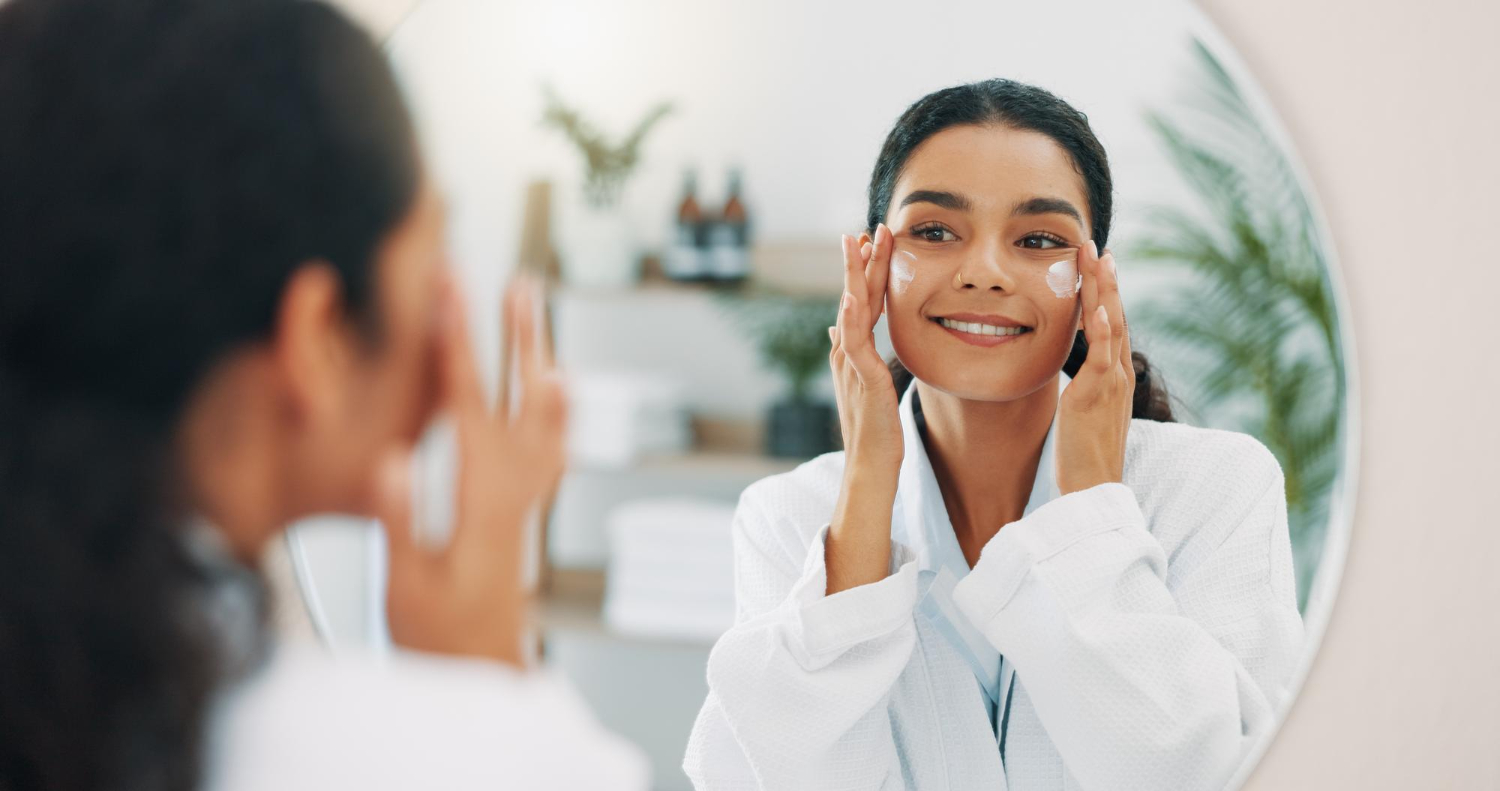
Skin aging happens in two main ways : internal changes you can’t do much about, and external damage that you can just about control.
Inside your body, your skin just starts to naturally lose its mojo – collagen production slows down, and you begin to lose that firmness, elasticity and moisture that makes your skin look so healthy.
Outside, it’s a whole different story – UV damage is the number one reason for what dermatologists call photo-aging – the fine lines, uneven skin tone, dark spots and rough texture you get from years of over exposure.
Pollution, smoking and a rubbish night’s sleep just pile on the damage. You get all the usual suspects – fine lines and wrinkles, dullness, uneven tone, big pores, dryness and loss of facial volume.
But many of these can be improved or at least slowed down with the right approach. But let’s be real – prevention always trumps correction. So the earlier you start protecting your skin the better.
Master Makeup, Hair & Skincare to Build Your Beauty Identity
Unlock your creative potential with our expert-led Beauty & Wellness course. Build in-demand beauty skills and step confidently into the world of beauty!
Your Beauty Career Starts Here!The Core Anti-Aging Skincare Ingredients
Not all skincare ingredients are created equal. The ones listed below have the strongest backing from scientists and are recommended by the major dermatology guidelines. So they’re worth getting on board with.
| Ingredient | What it Does | How to Use |
| Sunscreen | Prevents UV-driven collagen breakdown, dark spots, and photoaging | Broad-spectrum SPF 30+ every morning; reapply outdoors every 2 hours |
| Retinoids | Stimulate collagen synthesis, increase cell turnover, and reduce fine lines, pigmentation, and texture | Apply at night; start 2 to 3 times per week and build up as tolerated |
| Vitamin C | Acts as a powerful antioxidant; supports collagen synthesis and improves skin tone | Use in the morning before sunscreen |
| Niacinamide | Supports the skin barrier, reduces redness and uneven tone | Add as a serum or moisturiser; morning or night |
| Moisturiser | Hydrates, strengthens the skin barrier, and improves tolerance to actives | Use after serums, morning and night |
A note on retinoids:
Tretinoin is basically the one that’s been put through its paces in loads of clinical trials. Its efficacy has been proven time and time again. On the other hand you’ve got retinol which is available over the counter but is generally a bit gentler on the skin.
Problem is, it tends to work a lot slower. Which one you choose really depends on how your skin’s shaped up and what your doctor recommends.
A note on Vitamin C:
When it comes to buying vitamin c products, make sure it says L-ascorbic acid on the label. Its best mates are vitamin E and hyaluronic acid, and it works way better with them around.
Just be aware that it’s pretty useless once it’s been exposed to light, heat or air for too long. So you know the drill, store it properly and get a new one when it starts to go a funny colour or looks all murky.
Daily Anti-Aging Skincare Routines by Skin Type
The right order of products matters. Generally things work as:
Day: cleanser → treatment serum → moisturiser → sunscreen
Night: cleanser → retinoid → moisturiser
| Skin Type | Morning Routine | Night Routine |
| Normal skin | Gentle cleanser → Vitamin C serum → Moisturiser → SPF 30+ | Gentle cleanser → Retinoid → Moisturiser |
| Sensitive skin | Gentle cleanser → Moisturiser → Mineral SPF 30+ | Gentle cleanser → Moisturiser → Low-frequency retinoid (2x to 3x/week) |
| Oily or acne-prone skin | Cleanser → Lightweight Vitamin C → Non-comedogenic moisturiser → SPF 30+ | Cleanser → Retinoid → Lightweight moisturiser |
| Mature or dry skin | Cleanser → Antioxidant serum → Rich moisturiser → SPF 30+ | Cleanser → Retinoid → Barrier-repair moisturiser |
Beginner tip:
If you are new to activities, start with sunscreen and moisturiser alone for two to four weeks. Add Vitamin C next, then introduce a retinoid at low frequency only after your skin has settled.
This ‘take it slow & steady’ approach really helps minimize the risk of irritating or disrupting your skin barrier and actually ending up making it look worse before it gets better.
Professional Anti-Aging Treatments: When Home Care is not Enough
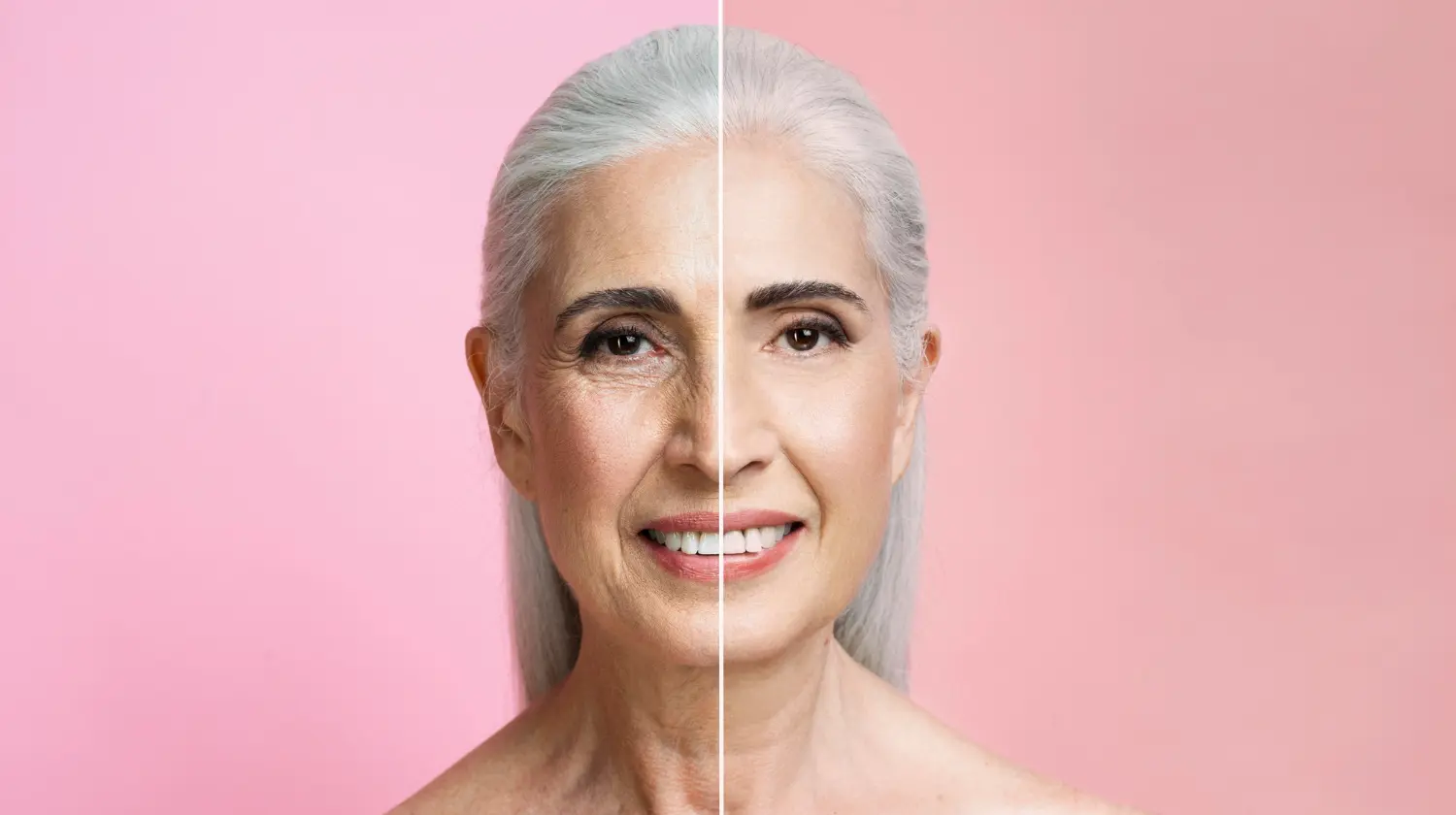
For those who need a bit more oomph or more targeted results than home skincare can provide on its own, clinic treatments can really make a bigger difference.
These treatments are chosen based on what concerns you the most, how sensitive your skin is, and how much you can, well, put up with in terms of downtime.
Chemical Peels
Are great for dull-looking skin , mild patchiness and uneven texture. The results do take a bit of time to appear and usually you need to do a series of treatments. The shallow peels are pretty low maintenance, but go a bit deeper and you are looking at a bit more recovery time
Microneedling
Stimulates your skin to repair itself and improve the texture, fine lines and early sagging which starts to show up. Best done in a series of 3 to 6 treatments and they really go well with a good solid skincare routine.
Laser Resurfacing
The more heavy-duty treatments for when you really need to tackle some serious sun damage , deep wrinkles and texture concerns. Downtime is a bit higher but the results can be pretty dramatic and should be done with some specialist guidance to make sure you get the most out of it.
Botulinum Toxin (Anti-Wrinkle Injections)
Seriously effective at tackling those dynamic wrinkles – the frowny lines, crow’s feet and forehead lines. This is because of all that repeated muscle movement. Results usually last 3 to 6 months.
Dermal Fillers
Best used to restore lost volume – sunken cheeks , those nasty nasolabial folds and lips that are starting to thin out. They address the volume loss rather than the surface wrinkles.
High-Intensity Focused Ultrasound (HIFU)
This is one of the newer non-surgical treatments that targets deeper skin to make some fresh collagen and address that laxity. There’s still a lot to learn about this one but so far so good – and it’s usually a good couple of months before you see the benefits building up.
So all professional treatments should start out with a chat with a dermatologist or aesthetic practitioner who knows their stuff.
And don’t forget how key home skincare is to protecting and extending those in-clinic results – using that SPF consistently really helps make the results last.
Master Makeup, Hair & Skincare to Build Your Beauty Identity
Unlock your creative potential with our expert-led Beauty & Wellness course. Build in-demand beauty skills and step confidently into the world of beauty!
Your Beauty Career Starts Here!Common Anti-Aging Skincare Mistakes to Avoid
Even with the best intentions, these errors can undermine your routine:
-
Skipping sunscreen and relying on serums alone
No serum, however potent, can undo the daily UV damage that goes unprotected. Sunscreen is not optional.
-
Layering too many actives too soon
Using retinoids, acids, Vitamin C, and exfoliants all at once is a fast route to a damaged skin barrier — redness, flaking, and sensitivity.
-
Chasing trends over evidence
The skincare market is full of overhyped ingredients. Prioritise products with peer-reviewed evidence (sunscreen, retinoids, Vitamin C, niacinamide) over those with clever marketing.
-
Expecting overnight results
Retinoids typically take 12 weeks or more to show meaningful improvement in fine lines. Consistency, not speed, is what works.
-
Not adjusting for life stage or health changes
Pregnancy, breastfeeding, rosacea, and eczema all require modified approaches — get dermatologist advice before using retinoids or chemical exfoliants in these cases.
Master Advanced Skincare, Makeup, Hair, and Salon Management. Enrol Now!
Conclusion
The best anti-aging skincare plan probably isn’t a complicated one. Just slapping on a good quality broad-spectrum sunscreen every single day will do more for you than just about anything else. Then at night, introduce a retinoid and it’ll start repairing the damage while you sleep. Don’t forget a good moisturiser to keep your skin barrier in top shape too.
If you can handle it, include some antioxidants for added protection. And don’t get it wrong, salon treatments are lovely, but they’re no substitute for getting a good skincare routine in place at home.
There’s no magic formula that will turn back the clock overnight. But if you get the right products, stick to them and don’t get too hung up on the results. You can still take a load off some of those more obvious signs of ageing. Not only that, you can really improve the texture and tone of your skin and that’s worth a whole lot more than any fancy new serum.
|
RELATED POSTS |
|
| What Does a Professional Beautician Do? | |
| How to Become a Makeup Artist | |
| How to Perform a Professional Facial Step by Step | |
Master Makeup, Hair & Skincare to Build Your Beauty Identity
Unlock your creative potential with our expert-led Beauty & Wellness course. Build in-demand beauty skills and step confidently into the world of beauty!
Your Beauty Career Starts Here!Frequently Asked Questions
What is the best anti-aging skincare ingredient?
Retinoids have the strongest clinical evidence for reducing fine lines, improving skin texture, and addressing photoaging. Tretinoin (prescription) is the gold standard, while OTC retinol is a gentler, more accessible alternative.
Is sunscreen really an anti-aging product?
Yes, broad-spectrum SPF 30 or higher is the most important daily anti-aging step. It prevents UV-driven collagen breakdown, dark spots, and the cumulative photoaging that accounts for the majority of visible skin aging.
Can I use Vitamin C and retinol together?
Yes, but the typical approach is Vitamin C in the morning and retinol at night to avoid potential interaction and to reduce UV sensitivity. Both can be part of the same routine on different schedules.
How long does retinol take to work?
Most people need consistent use for 8 to 12 weeks before noticeable improvements in texture and fine lines appear. Prescription tretinoin may show faster results, but still requires patience.
At what age should I start an anti-aging skincare routine?
Prevention starts early. A basic routine with sunscreen and moisturiser in your 20s is highly beneficial. Introducing retinoids in your late 20s to early 30s is a commonly recommended approach.
What professional treatment is best for wrinkles?
It depends on the type. Botulinum toxin works best for expression lines (crow’s feet, frown lines). Fillers address volume loss. Laser resurfacing or chemical peels work better for texture and pigmentation. A dermatologist can recommend the right option for your concern.
Can I use anti-aging products if I have sensitive skin?
Yes, but with modification. Start with mineral sunscreen and a basic moisturiser, then introduce actives slowly — low-frequency retinol (twice a week) is a good starting point. Avoid mixing multiple actives until your skin has adapted.
Are anti-aging treatments safe during pregnancy?
Retinoids, including retinol and tretinoin, should be avoided during pregnancy and breastfeeding. Speak to your doctor about safe alternatives such as azelaic acid or niacinamide for skincare during this period.