Table of Contents
Do you suspect that somebody else took a loan in your name? If a loan shows up in your name and you have never applied for it, then you need to act quickly as it may badly affect your credit score. Here’s how to check if someone took a loan in my name. Read this blog till the end if you want to learn more about how to discover a fraudulent loan and how to protect yourself from future loan fraud.
Key Takeaways
- Monitor Your Credit Report: Check your CIBIL or other credit bureau reports regularly as it is the most effective way to spot unauthorized loans.
- Watch for Red Flags: Some of the warning signs areunexpected SMS alerts from banks, recovery calls for unknown debts, or a sudden drop in your credit score.
- Use Digital Tools: Official apps like the RBI Sachet portal or Fintech apps can help track your financial footprint.
- Act Quickly: If you suspect a fraud, report it immediately to the bank, the National Cyber Crime portal, and the credit bureaus.
- Preventive Measures: Never share your PAN, Aadhaar, or OTPs with unverified sources to reduce the risk of identity theft.
Ace your personal finance journey with Entri’s Personal Finance Online Course. Join Now!
Introduction
1: What is a stock?

In today’s digital-first economy in India, financial transactions have become incredibly fast and convenient. However, this speed comes with a hidden cost.
It is the rise of identity theft and loan fraud. A report by Experian reveals that in the financial services industry, there was a 63% rise in overall fraud attacks in FY 25. It is to be noted that it was just 56% in 2024.
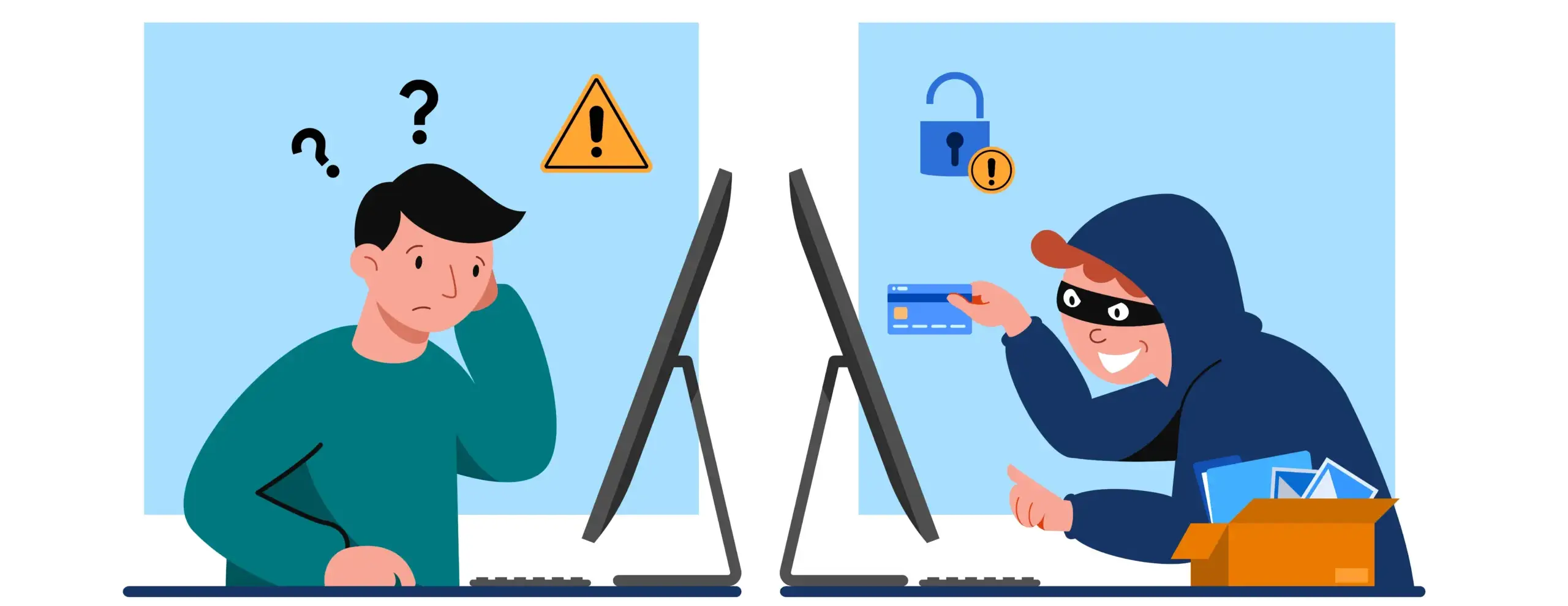
Imagine waking up to a legal notice or a call from a collection agent for a loan you never applied for. This nightmare is becoming increasingly common as scammers find ways to use stolen PAN and Aadhaar details to secure “instant loans” from unregulated apps or even some digital lending platforms.
Knowing how to check if someone took out a loan in my name is no longer just a good habit—it is a necessary skill for financial survival in the modern age.
The Rising Threat of Identity Theft in India
The transition to a paperless economy has been revolutionary. However, it has also opened doors for cybercriminals. It works in such a way that by gaining access to your basic KYC (Know Your Customer) documents, fraudsters can impersonate you.
They often target “thin-file” customers or those who haven’t checked their credit scores in years. Because many digital lenders offer small-ticket loans with minimal verification, a stolen PAN card number is often all a criminal needs to start their fraudulent journey.
The impact of this fraud is multi-layered. First, your credit score takes a massive hit when these fraudulent loans go unpaid. Second, you might find yourself blacklisted from legitimate banking services. Third, the mental stress of dealing with recovery agents and legalities can be overwhelming.
Thus, due to these reasons, you must proactively learn how to check if someone took a loan in my name as it will help you catch these discrepancies before they go out of control.
How to Check If Someone Took a Loan in Your Name: Step-by-Step Guide

1. Access Your Credit Report (CIBIL, Experian, CRIF, Equifax)
In India, there are four major credit bureaus and every time you take a loan or a credit card, the lender reports it to these bureaus. Hence, your credit report is the ultimate record of your debt history.
To understand how to check if someone took a loan in my name, you must start here. Please note that you are entitled to one free full credit report from each bureau every year.
- Visit the official website of CIBIL or use reputable financial apps that provide free monthly score updates.
- Enter your PAN, Aadhaar, and registered mobile number to verify your identity.
- Download the detailed report and look at the ‘Accounts’ or ‘Enquiries’ section.
- If you see a bank name or a loan account number that you don’t recognize, it is a clear sign of fraud.
2. Monitor SMS and Email Notifications
Banks and NBFCs i.e. Non-Banking Financial Companies are mandated by the RBI to send alerts for any credit activity. Often, people ignore messages such as “Your loan application is under process” or “OTP for loan verification” messages, assuming that they are spam.
These are critical warnings. To keep it simple, if you receive an alert for a transaction you didn’t initiate, someone is likely trying to use your credentials.
The Reserve Bank of India (RBI) has launched the Sachet portal specifically to curb illegal lending practices. Though it is primarily for reporting, it also serves as a resource to see if a particular entity is authorized to give loans. If you find a strange entry on your credit report, you can verify the lender’s legitimacy here. Sometimes, fraudsters don’t just take a loan; they might set up a “Mandate” or “Auto-debit” (NACH) on your existing account if they have managed to compromise your banking details. Regularly reviewing your bank statement for small, unauthorized deductions can lead you to the source of a fraudulent loan. Learning how to check if someone took a loan in my name also involves identifying the symptoms of identity theft. Watch out for these indicators: Sudden Score Drop: If your credit score drops by 50-100 points without you missing any payments, it usually means a new loan has been taken or a payment has been defaulted on in your name. Unknown Enquiries: Every time you apply for a loan, a ‘hard enquiry’ is recorded. If your report shows 5 enquiries from different banks in one month when you didn’t apply for any, someone is “shopping” for loans using your profile. Collection Calls: If you receive calls from agents asking for someone you don’t know, or asking for you to pay an “overdue amount” on a loan you don’t recognize, do not just hang up. Investigate immediately. It is really scary when you find out someone has misused your identity. However, you must act methodically by following these steps immediately. Reach out to the bank or NBFC that issued the loan. Provide them with your identity proof and explain that you did not apply for this loan. Request them to freeze the account and initiate a fraud investigation. Most legitimate banks have a dedicated dispute resolution cell for this. Without losing time, inform CIBIL, Experian, and others that the entry on your report is fraudulent. There is a “Dispute Resolution” section on their websites and once the lender confirms the fraud, the bureau will remove the entry. This will help restore your credit score. For the unknown, Loan fraud is a criminal offense. Visit the National Cyber Crime Reporting Portal (cybercrime.gov.in) or go to your nearest Cyber Cell. It is equally important to file an FIR (First Information Report) as it serves as legal proof that you are a victim of identity theft. This will protect you from future liabilities. In case your PAN or Aadhaar was used, there are chances that your email or phone might also be compromised. Change your banking passwords, enable Two-Factor Authentication (2FA), and consider updating your Aadhaar biometrics by “locking” them via the m-Aadhaar app. Trusted, concepts to help you grow with confidence. Enroll now and learn to start investing the right way.
Prevention is always better than cure. To avoid having to constantly wonder how to check if someone took a loan in my name, implement these security measures: Ace your personal finance journey with Entri’s Personal Finance Online Course. Join Now! In these times of digital revolution, your financial identity is your most valuable asset. Though it is easy to get a loan in India today, it is a double-edged sword that requires constant vigilance. By learning how to check if someone took a loan in my name, you are taking the first step toward financial security. Keep in mind that regularly monitoring credit reports, staying alert to bank communications, and protecting your KYC documents are the three important elements for leading a safe financial life. Also, never make the mistake of waiting for a recovery agent to knock on your door. Instead, be the guardian of your own credit history. If you stay informed and act quickly at the first sign of trouble, you can effectively tackle the threat of identity theft and maintain a healthy financial future. RELATED POSTS Trusted, concepts to help you grow with confidence. Enroll now and learn to start investing the right way.
Though a PAN is required, most lenders also ask for an OTP or biometric verification. However, some unregulated apps may process loans with minimal data, making PAN security vital. It is recommended to check your credit report at least once every three months to ensure no unauthorized accounts have been opened. No. Once the fraud is reported and verified by the lender and the credit bureau, the entry is removed and your score is restored. Checking your own credit score through official bureau websites or many financial apps is usually free once a year or monthly. No. Paying the EMI can be seen as an admission that the loan is yours. Instead, report the fraud immediately to the bank and police. In India, you can’t “freeze” a credit report like in the US, but you can monitor it closely and lock your Aadhaar biometrics for similar protection. You can lodge a complaint on the RBI Sachet portal and the National Cyber Crime Reporting Portal at cybercrime.gov.in.3. Check the RBI Sachet Portal
4. Review Your Bank Account Statements Regularly
4 Red Flags You Should Never Ignore
4 Steps to Follow If You Come Across a Fraudulent Loan

1st Step: Contact the Lender
2nd Step: Raise a Dispute with Credit Bureaus
3rd Step: File a Cyber Crime Complaint
4th Step: Change Your Credentials
Stock Market Training Reviewed & Monitored by SEBI Registered Investment Advisor
Top Tips to Protect Yourself from Future Loan Fraud
Conclusion
Big changes in UPI and Card payment from April 1 – Things You Need to Know
What Happens If Your Stockbroker Shuts Down?
Stock Market Training Reviewed & Monitored by SEBI Registered Investment Advisor
Frequently Asked Questions
Can someone take a loan with just my PAN card number?
How often should I check my credit report for fraud?
Will a fraudulent loan affect my credit score permanently?
Is there a fee to check if someone took a loan in my name?
Should I pay the EMI of a fraudulent loan to save my score?
Can I lock my credit profile?
Where can I complain about illegal loan apps?