Table of Contents
Investing in precious metals has been a core tradition for Indian families. While gold has long taken the spotlight, silver is now gaining massive traction among modern investors.
Traditionally, buying silver meant visiting a local jeweler, paying hefty making charges, and worrying about storage safety. Today, the investment landscape has shifted completely.
An Exchange Traded Fund (ETF) allows you to invest in the price of silver digitally. It tracks the real-time prices of the metal and trades directly on the stock exchanges.
Learn Stock Marketing with a Share Trading Expert! Explore Here!
Key Takeaways
- Easy Access: Investing in silver no longer requires holding bulky bars or paying heavy making charges.
- High Purity: Every unit represents 99.9% pure silver stored securely in insured bank vaults.
- Domestic Pricing: New regulatory updates mean pricing matches actual Indian spot market rates directly.
- Tax Efficient: Profits held over 12 months are taxed at a flat 12.5% rate without indexation.
- Dual Nature: Silver acts both as a financial hedge and a vital component in green energy sectors like electric vehicles (EVs) and solar panels.
What is a Silver ETF?
1: What is a stock?
A Silver ETF is a passive mutual fund scheme that invests its pool of money into physical silver. When you purchase a single unit of a Silver ETF India, you are buying electronic representation of pure physical silver.
You do not get the metal delivered to your home. Instead, the asset management company keeps the actual physical silver inside secure, regulated, and fully insured institutional vaults.
Each unit is pegged to a specific weight of silver, usually one gram. This makes it an incredibly affordable choice for retail investors who want exposure to commodity markets without buying entire silver bars.
In the month of June 2026, there was a major drop in the silver prices. This was due to the easing of tensions between Iran and the US. The silver prices declined by Rs.30,448/kg or 11.56% sliding from Rs 2,63,458 on June 1 to Rs 2,33,010 on June 19, shows the data from the Multi Commodity Exchange of India (MCX).
How Does a Silver ETF India Work?
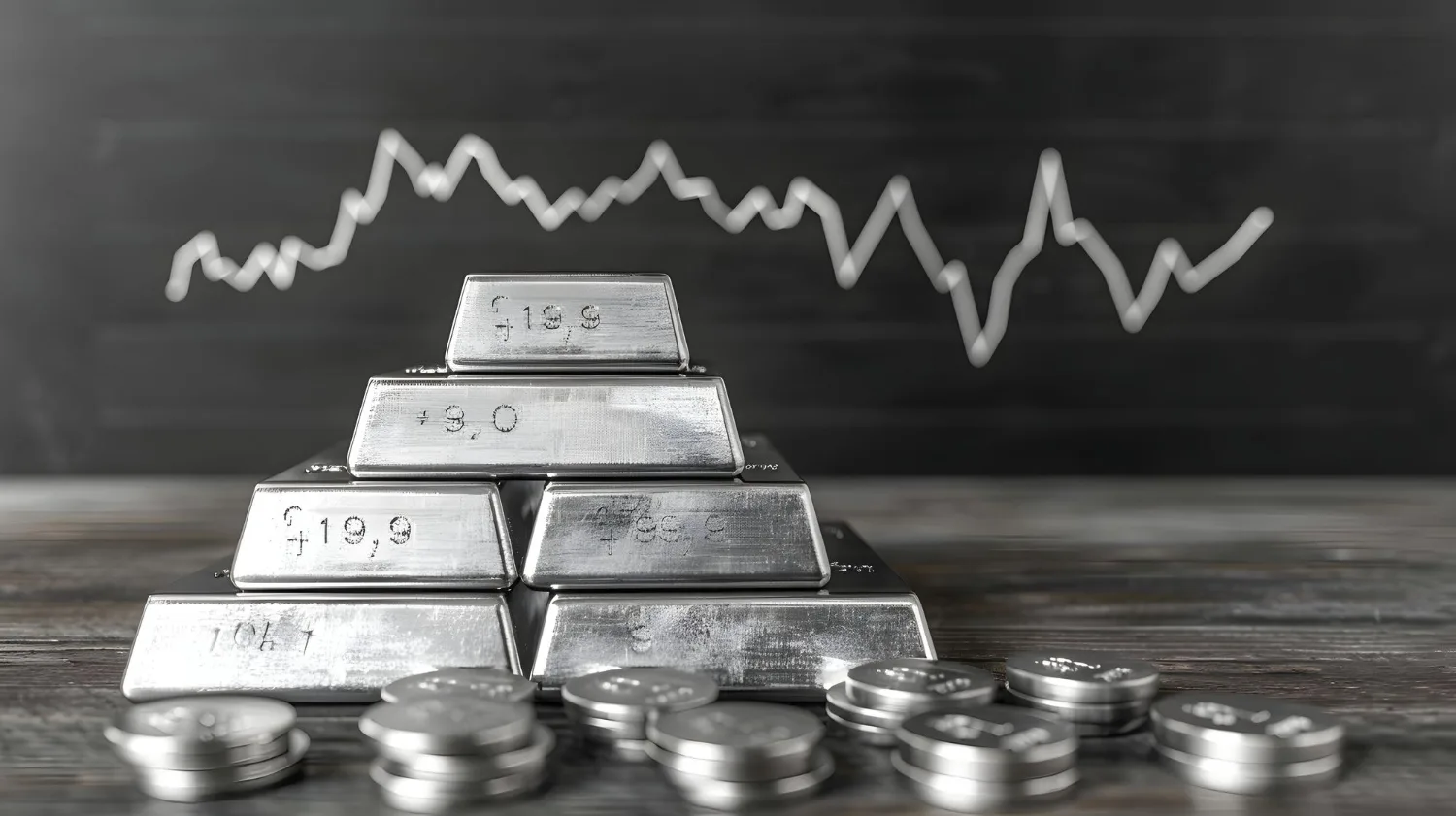
The backbone of a Silver ETF India lies in strict regulatory oversight and market transparency. Here is a step-by-step breakdown of how the mechanism functions for an average investor:
1. Procurement and Storage
The fund house collects money from investors and purchases physical silver bullion. By regulatory mandate, this silver must be of 99.9% purity (999 fineness). The physical metal is placed under lock and key with an independent custodian.
2. Live Pricing on Stock Exchanges
Once the fund issues units, they list on major stock exchanges like the National Stock Exchange (NSE) and Bombay Stock Exchange (BSE).
Because they trade just like ordinary company stocks, their prices fluctuate throughout the trading day. You can buy or sell them instantly during market hours from 9:15 AM to 3:30 PM.
3. Transparent Domestic Valuation
The rules for how these assets are valued became much simpler recently. Previously, fund houses calculated the daily value based on international dollar rates. This required complex adjustments for currency exchange and customs duty.
Now, market regulators have transitioned the system entirely to domestic spot pricing. The day-to-day valuation is pulled directly from Indian commodities exchanges. This major update ensures that the price you see on your terminal matches the ground reality of the Indian market. It removes unexpected pricing mismatches and drastically reduces tracking error.
In December 2025, the Pension Fund Regulatory and Development Authority (PFRDA), India’s pension regulator, allowed pension funds to invest in gold, silver ETFs. This was the first time that gold and silver was allowed in the Indian Pension system.
Physical Silver vs. Silver ETF in India
To understand the real utility of paperless silver, we must look at how it compares to traditional physical hoarding:
| Feature | Physical Silver | Silver ETF |
| Purity Guarantee | Depends on the vendor; risk of adulteration. | Guaranteed 99.9% purity verified by independent auditors. |
| Transactional Costs | Making charges range between 3% to 10%. | No making charges. Minor annual expense ratio. |
| Tax at Purchase | 3% Goods and Services Tax (GST) applies. | Zero GST on purchase. |
| Storage & Security | Requires home safes or paid bank lockers. | Stored digitally in your demat account; zero storage hassle. |
| Liquidity | Selling requires visiting a jeweler; potential discounts applied. | High liquidity; sell instantly on the exchange with a click. |
Why is Silver Gaining Popularity?
Silver is a unique financial asset because it wears two completely different hats.
The Precious Metal Ballast
Like gold, silver is viewed as a safe haven during periods of high inflation or global political conflict. When fiat currencies lose their purchasing power, tangible commodities retain intrinsic value.
The Industrial Supercharger
Unlike gold, which is mostly kept in vaults as jewelry or wealth storage, silver is heavily consumed by industries. Of the total silver consumption globally, nearly 59% is utilised for industrial use. Silver is the most electrically conductive metal on Earth. Because of this property, it is an essential component in modern green technologies.
Solar panels require immense volumes of silver paste. Similarly, electric vehicles use nearly twice the amount of silver required by traditional petrol or diesel cars. As India pushes aggressively toward green energy and local electronic manufacturing, the domestic demand for silver is structurally supported by these industries.
Stock Market Training Reviewed & Monitored by SEBI Registered Investment Advisor
Trusted, concepts to help you grow with confidence. Enroll now and learn to start investing the right way.
Know moreWho Should Invest in a Silver ETF India?
In the last 5 years, silver, in Indian rupee terms, has delivered an absolute return of 252.1%. This figure is as of 16 January 2026. While the commodity has shown explosive growth phases, it is not a one-size-fits-all product.
A Silver ETF India is best suited for specific investor profiles:
- Tactical Investors: Those who want to capture short-to-medium-term cyclical rallies driven by industrial demand cycles.
- The Tech-Savvy Accumulator: Individuals who want to invest systematically in precious metals without the headache of physical storage, locker fees, or purity checks.
- Portfolio Diversifiers: Experienced investors who already hold equities, debt, and gold, and now wish to add an aggressive commodity asset to balance market risks.
A Note on Volatility:
Silver has a much smaller market size compared to gold. This makes it highly volatile. It can undergo sharp, sudden corrections of 20% to 30% before shooting upward. Investors must have a high risk tolerance and a clear horizon of at least 3 to 5 years.
Taxation on Silver ETFs
Tax rules for precious metal ETFs are straightforward. They are classified as non-equity capital assets:
- Short-Term Capital Gains (STCG): If you sell your ETF units within 12 months of purchase, your profits are classified as short-term. These gains are added to your regular income and taxed according to your applicable personal income tax slab rate.
- Long-Term Capital Gains (LTCG): If you hold the units for more than 12 months, the gains become long-term. These profits are taxed at a flat rate of 12.5% without the benefit of indexation.
How to Start Investing
Getting started requires very little paperwork. You need a standard Demat and trading account with any registered stock broker in India.
Once your account is active, type the name of your preferred silver fund into the search bar. You can buy as little as a single unit during market trading hours. If you do not own a Demat account, you can opt for a Silver Fund of Funds (FoF).
This is a traditional mutual fund that invests directly into the underlying Silver ETF India. It allows you to set up monthly automated Systematic Investment Plans (SIPs) from your bank account.
Learn Stock Marketing with a Share Trading Expert! Explore Here!
Conclusion
Silver ETFs have democratized commodity investing for everyday Indian households. They take away the risk of theft, eliminate unfair making charges, and offer the ease of instant liquidation. With clean domestic pricing structures now fully in place, these funds track the physical market more accurately than ever before.
However, remember that silver behaves like an aggressive hybrid of a precious metal and an industrial commodity. It should never form the entire bedrock of your portfolio.
A balanced strategy involves treating it as a satellite allocation, capping your exposure at 5% to 10% of your total investable wealth to maximize diversification without over-indexing on volatility.
|
RELATED POSTS |
|
| Sovereign Gold Bond Vs Gold ETF Vs Physical Gold: Which One Works For You | |
| Is Silver a Good Investment? | |
| Gold Rate in Kerala Today | |
Stock Market Training Reviewed & Monitored by SEBI Registered Investment Advisor
Trusted, concepts to help you grow with confidence. Enroll now and learn to start investing the right way.
Know moreFrequently Asked Questions
Do I need a Demat account to buy Silver ETFs?
Yes. A Demat and trading account is mandatory to buy and sell ETF units directly on the stock exchange.
Can I convert my ETF units into physical silver?
No. Retail investors cannot ask for physical delivery. The holdings are entirely settled in cash when you sell your units.
Is there any GST on buying Silver ETFs?
No. Unlike physical silver bars or coins which attract 3% GST, paperless digital silver ETFs incur zero GST at purchase.
What is the minimum investment amount?
You can start by purchasing just one unit. The price of a single unit usually ranges between ₹50 to ₹300.
How are Silver ETFs different from Silver Fund of Funds (FoF)?
ETFs require a Demat account and trade on exchanges. An FoF is a mutual fund that invests in the ETF, allowing SIPs without a Demat account.
Do Silver ETFs pay regular dividends?
No. They only track the underlying price of physical silver. Your returns come purely from capital appreciation when prices rise.
What are the key risks involved?
The major risks include severe price volatility, industrial economic slowdowns lowering demand, and the annual fund management fee called the expense ratio.