Table of Contents
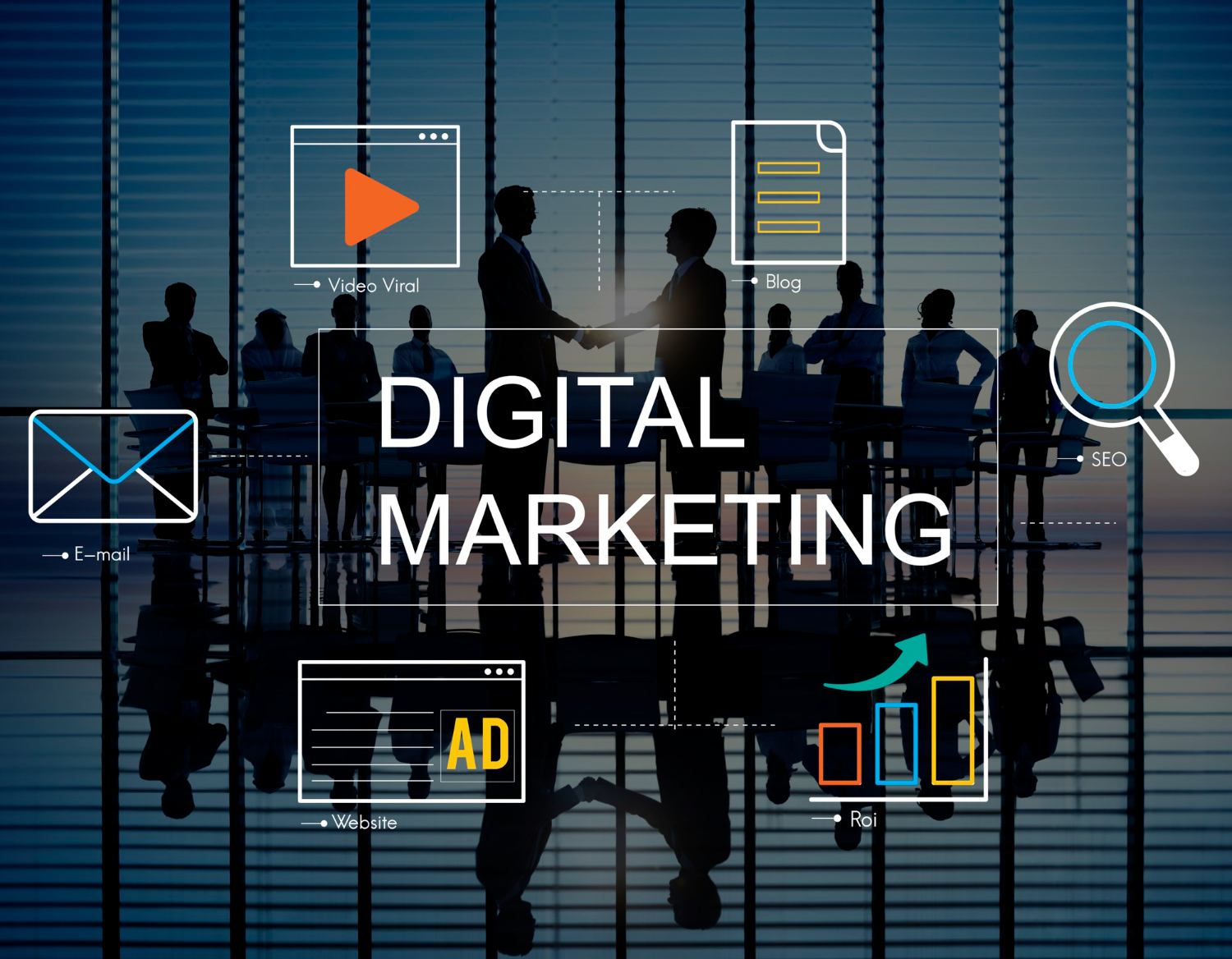
Before you announce your launch on social media, you need to get things right with digital marketing strategy. As a first-time entrepreneur, you need to master some core digital marketing skills before the launch. They include content strategy, SEO, social media marketing, email marketing, analytics, paid ads basics and conversion planning.
These are not options or things that you can add on the basic requirements. They actually determine whether your business gets visibility or goes unnoticed.
In the current marketing scenario, most new businesses do not fail because their product is bad. They fail because of not reaching the right people who can use their product. Understanding digital marketing before you launch your business is important. There is a huge difference between building on a strong foundation and struggling to fix mistakes after running out of money.
Join Our Online Digital Marketing Course & Learn the Fundamentals!
Key Takeaways
- Digital marketing is a business-critical skill, not just promotion; master it before launch to avoid costly mistakes.
- SEO, content, social media, email, paid ads, analytics, and conversion planning are the seven core skills every entrepreneur needs.
- Organised marketers are 397% more likely to succeed – strategy before execution is essential.
- Email marketing returns about $36 for every $1 spent, making it one of the highest-ROI channels.
- 75% of searchers never go past page one of Google – without SEO, you’re largely invisible.
- Learn skills in sequence: start with audience understanding and SEO, then expand outward.
- Avoid common mistakes like running ads without tracking or posting without a strategy to save time and money.
What Really is Digital Marketing?
1: What is the primary goal of SEO (Search Engine Optimization)?

Digital marketing is basically using online channels to attract, engage and then convert your target audience into your customers. This includes social media platforms, search engines, content and paid advertising. All of these work together to drive visibility and revenue.
Measurability is the one factor that is uniquely valuable for new entrepreneurs. Different from traditional advertising, digital marketing lets you see exactly where your audience comes from. Not just that what they engage with and what drives them to take action is also monitored.
If you are someone who is launching with a limited budget, this level of clarity about the audience engagement is everything.
Become an AI-powered Digital Marketing Expert
Master AI-Driven Digital Marketing: Learn Core Skills and Tools to Lead the Industry!
Explore CourseWhy these Skills Matter Before You Launch
Many new entrepreneurs treat marketing as something that they will figure out after the launch. That is, in fact, an approach that is expensive.
The average local business allocates about 5% to 10% of its revenue to digital marketing. For larger businesses this figure can get to about 14%. But without the right skill sets, most of this money spent produces little return.
If you build your marketing knowledge before the launch enable you to:
- Define your target audience accurately before you spend a rupee on ads.
- Create content that attracts the right visitors from day one.
- Set up tracking so every campaign is measurable from the start.
- Build a launch audience through social media and email before your product is ready.
The goal isn’t to become a full-stack marketer overnight. It’s to have an understanding enough to make smart decisions. Not just that as you need to avoid the mistakes that quietly drain early-stage budgets.
The 7 Digital Marketing Skills Every First-Time Entrepreneur Should Master
1. Search Engine Optimisation (SEO)
Search Engine Optimization is the skill of making your business show up when people search for what you offer. This involves
- Choosing the right keyword
- Optimizing your website pages
- Building credibility
These factors make search engines rank you higher.
For a new business, a local SEO is particularly important. A freelance designer ranking for “affordable logo design in Kochi” can bring in qualified leads without spending on ads.
Core SEO basics to learn first:
| SEO Area | What It Involves |
| Keyword Research | Finding terms your audience actually searches for |
| On-Page SEO | Optimising titles, headings, meta descriptions, and content |
| Technical SEO | Site speed, mobile-friendliness, and crawlability |
| Local SEO | Google Business Profile, location keywords, and reviews |
| Link Building | Earning backlinks from credible websites |
Long-tail keywords are specific, multi-word phrases that are less competitive. They attract a highly qualified audience and make them ideal for new businesses with smaller budgets.
2. Content Strategy
When it comes to earning trust, content matters the most. It speaks to the customer before they get to speak to you. Having a well-planned content strategy means that your blogs, landing pages, social captions and FAQs, all of them, work together. They answer the questions your audience is already asking.
The effective means of drafting content is with an intent to educate. For instance, if you are a fitness coach, explaining “how to build a home workout plan” attracts more long-term customers than a post asking to “buy my programme”.
Content marketing leaders have recorded over 7 times more unique site traffic. This is the compounding effect of quality content that is consistent.
Content formats to start with:
- Blog posts targeting search queries in your niche
- FAQ pages answering common objections
- Landing page copy that speaks directly to your audience’s pain points
- Social media captions that start conversations
3. Social Media Marketing
Realize that social media marketing is not about being everywhere. It is about being in the right place consistently for your target audience. A B2B consultant gets more traction on LinkedIn than on Instagram. A food brand, on the other hand, grows faster on Instagram or YouTube shorts than on Twitter.
Before you pick and fix platform for your business, find answers to these questions:
- Where does my target customer spend time online?
- What format do they engage with most – video, carousels, stories, or long-form posts?
Once you have decided on one or two platforms, the priority should be on being consistent rather than on volume. Schedule the posting that you can sustain as it can beat the flooding content that is followed by silence.
Platform Selection Guide for New Entrepreneurs:
| Business Type | Recommended Platform |
| B2B / Professional Services | |
| Lifestyle, Fashion, Food | Instagram, Pinterest |
| Education, Personal Branding | YouTube, LinkedIn |
| Local Services | Facebook, Google Business |
| Youth-Focused Products | Instagram, YouTube Shorts |
4. Paid Advertising Basics
Paid ads give you speedy results. They help you bring your business to the right audience faster than organic methods. But note that this works only if your audience targeting, message and landing page are aligned. If you run ads without these in place, it will burn the budget fast.
You don’t need to master every ad platform from the very beginning. Just start by understanding
- How audience targeting works (demographics, interests, behaviours)
- How to write a clear, benefit-led ad copy
- How to set a daily budget that limits risk
- How to read basic metrics like CTR (click-through rate) and CPA (cost per acquisition)
For every $1 spent on Google Ads, the brands make up to $2 on average. But that return depends on having clear goals as well as tracking in place before the campaign goes live.
5. Email Marketing
Well, email is the only digital channel that you own fully. Social media algorithms change and ad costs rise, but your email list remains yours and it consistently delivers the results.
81% of small businesses rely on email as their primary customer acquisition channel. For entrepreneurs launching with limited budgets, this is a very significant advantage.
Pre-launch email marketing basics:
- Create a lead magnet (a free resource, checklist, or offer) to start building your list before the launch.
- Set up a simple welcome email sequence to introduce your brand.
- Plan a launch email to notify your subscribers when you go live.
- Segment your list early so your messaging stays relevant as your audience grows.
6. Analytics
You can keep guessing when it comes to building a business. Analytics gives you definite answers about your brand performance. With the help of it you can make informed decisions. Analytics basically gives you details like where your traffic comes from, which content is converting and where people drop off before taking any action.
Key metrics every entrepreneur should understand:
| Metric | What It Tells You |
| Organic Traffic | How many people find you through search |
| Bounce Rate | Whether visitors are engaging or leaving immediately |
| Conversion Rate | The percentage of visitors who take the desired action |
| Click-Through Rate (CTR) | Effectiveness of your ads or email subject lines |
| Cost Per Acquisition (CPA) | How much you spend to win one customer |
You can start with free tools like
- Google Analytics 4 for website data
- Google Search Console for SEO performance
- The native analytics inside Meta or LinkedIn for social insights
7. Conversion Planning
Well, the bigger numbers you see as traffic is meaningless if the visitors leave the platform without acting upon it. Conversion planning is about turning their interest in your product or service into action. This can be a sign-up, a purchase, a booking or an enquiry.
Every page that is meant to work for you like your homepage, product pages and landing pages, should have a clear objective and also a visible call-to-action (cta). Trust signals such as testimonials, guarantees and security badges remove hesitation from the audience’s end. The structure of your page is just as important as the traffic you drive into it. Conversion planning basics:
- Write headlines that match what your visitor was searching for
- Place your CTA above the fold – visible without scrolling
- Use one primary CTA per page
- Add social proof (reviews, case studies, client logos) near your CTA
The Recommended Learning Order

Learning all seven skills at once can be overwhelming. Here’s a practical sequence for you as a first-time entrepreneur:
Phase 1 – Foundation (Weeks 1–4):
Audience research → SEO basics → Content writing → Google Analytics setup
Phase 2 – Build (Weeks 5–8):
Choose one social platform → Start email list building → Create your first landing page
Phase 3 – Amplify (Weeks 9–12):
Launch first paid ad campaign → Review analytics → Optimise based on data
This order ensures you have traffic, tracking, and an audience in place before you start spending on ads.
Become an AI-powered Digital Marketing Expert
Master AI-Driven Digital Marketing: Learn Core Skills and Tools to Lead the Industry!
Explore CourseCommon Mistakes to Avoid

Skipping keyword research:
Writing content based on what you think people search for – rather than what they actually search for – is one of the most common early mistakes that might cost a lot.
Running ads before you have tracking:
If you can’t measure what your ad spend produces, you have no way to improve it. Set up Google Analytics and conversion tracking before your first campaign goes live.
Trying to be on every platform:
Spreading effort across five platforms with no consistent output beats full focus on one platform. Start narrow, build momentum, and then expand.
Posting without a strategy:
Random content without a defined audience, goal, or posting schedule does not build an audience. Plan your content with purpose.
Ignoring your email list:
Waiting until after launch to start collecting email addresses means starting with zero on launch day. Build the list before you need it.
Focusing only on traffic:
High traffic with no conversion strategy is like filling a leaking bucket. Fix the conversion before you scale the traffic.
Join Our Online Digital Marketing Course & Learn the Fundamentals!
Tools to Get Started (Free and Beginner-Friendly)
| Tool | Purpose |
| Google Search Console | SEO monitoring and keyword data |
| Google Analytics 4 | Website traffic and behaviour |
| Google Keyword Planner | Keyword research for content and ads |
| Canva | Social media graphics and visual content |
| Mailchimp / Brevo | Email list building and campaigns |
| Meta Ads Manager | Facebook and Instagram advertising |
| Ubersuggest | SEO audits and competitor research |
| Notion | Content planning and editorial calendar |
Conclusion
If you are a first-time entrepreneur planning to launch with clarity of how you and your brand do, you need to master seven digital marketing skills. They are content strategy, SEO, social media marketing, paid advertising basics, analytics, email marketing, and conversion planning.
These are not advanced skills that are reserved exclusively for large teams. They are practical and learnable foundations that directly affect your visibility, the audience size and your ability to grow sustainably.
You should not aim for perfection, but a strong enough foundation that every move you make after the launch is intentional, measurable and improvable.
Start with SEO and content. Build your email list before you launch. Track everything from day one. That will help you grow.
Frequently Asked Questions
What is the most important digital marketing skill for a first-time entrepreneur?
SEO is the most important starting skill because it builds long-term visibility without ongoing ad spend. Pair it with a content strategy to attract the right audience at the right moment.
Do I need to learn all seven skills before launching?
No. Begin with SEO, content basics, and analytics to establish a strong foundation. Add the other skills in phases as your goals and resources grow.
How long does it take to learn digital marketing basics?
With daily, focused learning you can grasp core fundamentals in about 8 to 12 weeks. Applying what you learn to real campaigns shortens the learning curve.
Is social media marketing necessary for every type of business?
Not every platform is necessary, but most businesses benefit from some social presence. Choose platforms where your target audience actually spends time.
Can I do digital marketing on a small budget?
Yes. SEO, content, and email marketing are highly cost-effective and rely more on time than money. Reserve paid ads for when your landing pages and tracking are ready.
How do I know which keywords to target for SEO?
Use tools like Google Keyword Planner or Ubersuggest to find relevant keywords with decent volume and manageable competition. Start with long-tail keywords that match clear user intent.
When should a first-time entrepreneur start running paid ads?
Only after you have a tested landing page, conversion tracking, and a clear audience profile. Running ads before those is likely to waste the budget.
What is the difference between SEO and paid ads?
SEO earns organic traffic over time by improving search rankings, while paid ads buy immediate visibility. SEO compounds returns long-term; ads deliver faster, controllable results.
Is content marketing the same as blogging?
No. Blogging is one format within content marketing. Content marketing also includes videos, social posts, emails, landing copy, FAQs, and case studies.
How often should I post on social media as a new entrepreneur?
Consistency matters more than volume; aim for three to four quality posts per week on one primary platform. Focus on purposeful content that supports your goals rather than daily posting for its own sake.