Table of Contents
The most measurable and fastest profit is delivered by search-based paid advertising delivers the fastest, most measurable profit when the campaigns are tightly optimised. But if you aim for durable and compounding returns, you need a blended strategy.
This can be anchored in SEO-driven content and owned email marketing that consistently outperforms any single paid channel over time. So, the right pick depends on how quickly you need results and how long you’re willing to invest before reaping the reward.
Paid search and social ads can generate revenue within days as they buy visibility instantly. But that visibility disappears the moment the budget stops. By contrast, SEO and email take months to build momentum. But they keep generating traffic and sales long after the initial effort. This is exactly why most profitable businesses run both in parallel rather than picking one.
Join Our Online Digital Marketing Course & Learn the Fundamentals!
Key Takeaways
- Paid ads: fast (0 to 60 days), stop when spending stops.
- SEO: 3 to 12 months, then compounding low-cost traffic.
- Email: highest ROI.
- Profitability depends on margin, AOV, sales cycle, competition.
- Best: paid for now, SEO for later, email for repeat.
- AI automation is now common.
Quick Comparison: Profitability by Channel
1: What is the primary goal of SEO (Search Engine Optimization)?
| Channel | Typical Time to Profit | Average ROI/ROAS | Best For | Main Drawback |
| Search Paid Ads (PPC) | 0–30 days | 3.5x–4.2x ROAS (up to 8x in e-commerce) | Capturing high-intent buyers instantly | Rising CPCs; no residual value once spend stops |
| Social Paid Ads | 0–60 days | 1.8x–3.2x ROAS | Visual products, impulse buys, brand building | Needs constant creative testing |
| SEO & Content Marketing | 3–12 months | ~7.5x (748% ROI over 3 years) | Evergreen, low-cost, compounding traffic | Slow initial results; needs consistency |
| Email Marketing | 0–30 days (with an existing list) | $36–$42 return per $1 spent | Retention, repeat purchases, nurturing leads | Requires an engaged subscriber list |
| Affiliate & Partnerships | 0–90 days | Varies by payout structure | Low upfront risk, performance-based scaling | Revenue share reduces net margin |
| Organic Social | 1–6 months | Low direct ROI, high brand value | Community building and discovery | Time-intensive; algorithm-dependent |
Become an AI-powered Digital Marketing Expert
Master AI-Driven Digital Marketing: Learn Core Skills and Tools to Lead the Industry!
Explore CourseWhy Profitability isn’t the Same for Every Business

There is no single channel that can make the win for every company alike. Profitability is shaped by factors that are unique to each business model.
Profit margin:
A business with 60% margins can afford a lower ROAS than one that is running on 20% margins. This is because there’s more room to absorb ad costs.
Average order value (AOV):
When it comes to higher-ticket products, they can sustain a higher cost-per-click without hurting the profitability.
Sales cycle length:
For instance, a same-day purchase profits faster from ads than any other service with a 90-day B2B sales cycle.
Customer lifetime value (LTV):
Repeated purchase can change the game as a channel that looks unprofitable on the first sale can be highly profitable when it happens. This is especially the case for SaaS and subscription models.
Competitive intensity:
Crowded, high-CPC categories such as legal or finance often need SEO and email to offset expensive paid search.
Channel-by-Channel Breakdown

Search Paid Advertising (PPC)
PPC converts fast as it captures people already searching for a solution. It is most profitable for high-margin products as well as high-intent keywords.
- Track CPA, ROAS, and Quality Score
- Tighten match types
- Add negative keywords
- Run remarketing to previous visitors
Social Paid Advertising
Social ads suit
- visually appealing products
- impulse purchases
- brand building
Intent is lower than search, in this case. Therefore, ROAS trails behind. But cost per click is cheaper. What separates profitable accounts from wasteful ones is creative testing across formats and audiences.
SEO & Content Marketing
It is true that SEO is the slowest to show results. But it is also the cheapest to sustain, as a well-ranked page keeps generating free traffic for years. It primarily rewards topical authority rather than isolated articles.
This includes content clusters, internal linking, and genuine expertise alongside tracking organic traffic, rankings, and assisted conversions.
Email Marketing
As the audience is already yours, email delivers the highest return of any channel with no auction to pay into. It is most profitable when it comes to repeat-purchase businesses like SaaS, e-commerce, and subscriptions.
In that case, automated flows like cart recovery outperform one-off campaigns. Track open rate, CTR, and revenue per recipient over list size alone.
Affiliate & Partnership Marketing
This model shifts risk to the partner, since you typically pay only for a sale or lead. Profitability depends on scrutinizing partners carefully. This is crucial as a generous payout structure can quietly erode margins.
Influencer & Organic Social
These build trust and social proof rather than immediate transactions. They work best for brand-led products where word-of-mouth genuinely influences purchase decisions. Track referral traffic and UTM-tagged conversions instead of follower counts.
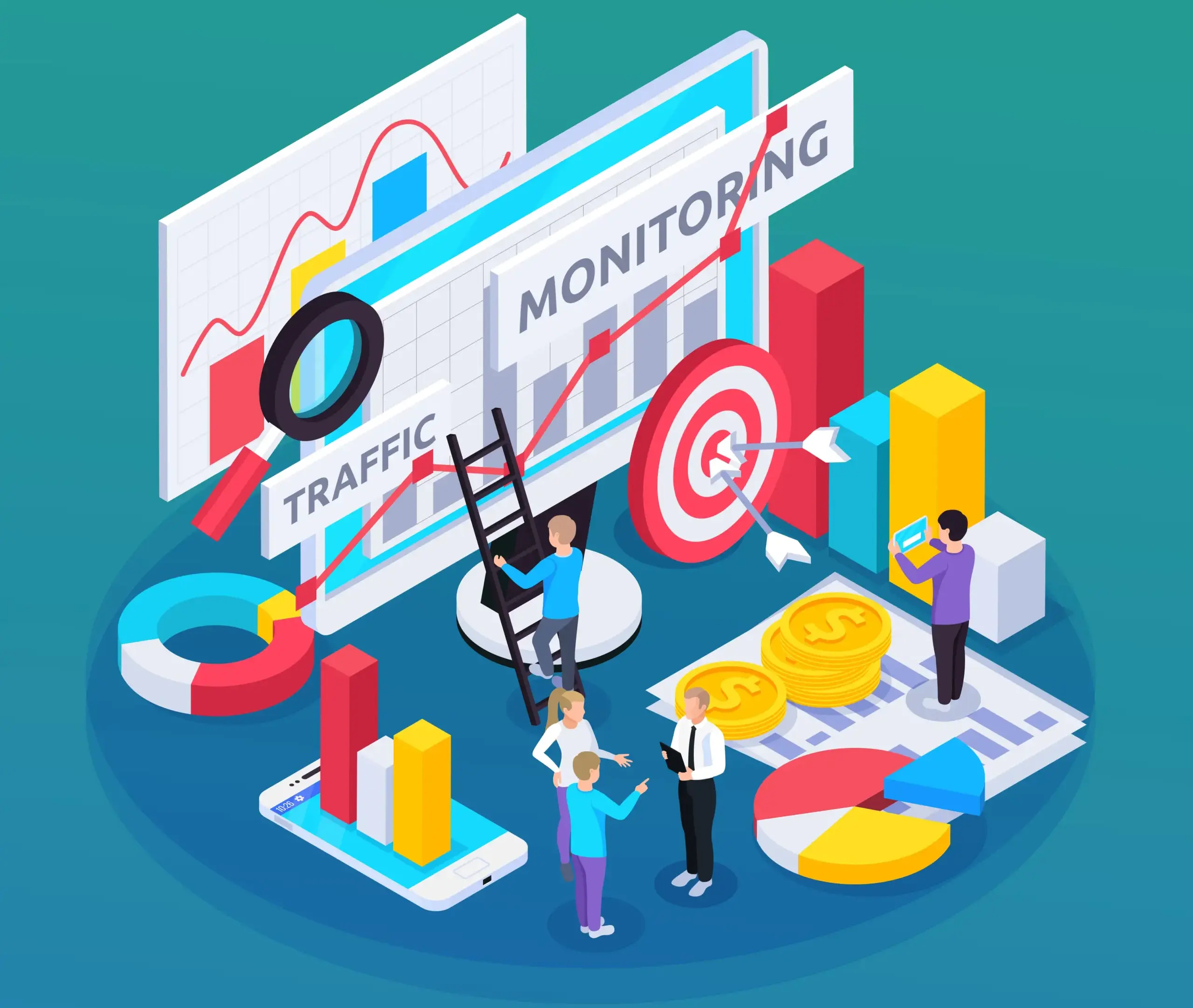
A Simple Framework for Choosing Your Mix
-
Define your goal
Fix your goal – whether you are chasing quick revenue or building a durable growth engine.
-
Know your unit economics
Calculate your target CAC, gross margin, and LTV before setting a budget.
-
Match the channel to buying intent
High-intent, ready-to-buy audiences suit paid search. Discovery-stage audiences suit social and content.
-
Audit what you already own
An existing email list or published content library can be reactivated. This can be done at a fraction of the cost of building new paid traffic.
-
Test small, then scale
Run limited budgets across two or three channels before committing to one at scale.
Become an AI-powered Digital Marketing Expert
Master AI-Driven Digital Marketing: Learn Core Skills and Tools to Lead the Industry!
Explore CourseCommon Mistakes that Quietly Kill Profitability
- Chasing vanity metrics (impressions, followers) instead of revenue-linked metrics.
- Sending paid traffic to a weak or slow landing page, which wastes an otherwise good campaign.
- Treating email as an afterthought instead of building segmented, automated flows.
- Measuring channels in isolation instead of understanding how they influence each other. For instance, a customer might discover you via SEO, then convert after a retargeting ad and an email nudge.
- Never testing incrementality. Assuming a channel is working simply because revenue exists, without checking what would have happened without it.
Join Our Online Digital Marketing Course & Learn the Fundamentals!
Conclusion
You cannot find a single most profitable digital marketing channel that would work identically for every business. It is important that you identify the data points to a clear pattern.
Paid search and social ads perform on speed, and deliver measurable ROI within weeks if the campaigns are well-targeted. SEO wins on durability, thereby compounding in value the longer it runs. Email works well on pure return, and turns an owned audience into the highest ROI of any channel available.
The businesses that profit most are not those that are collectively betting everything on one channel. They’re the ones that track the numbers honestly, match the right channel to the right stage of the customer journey, and let the data decide where the next rupee of the budget goes.
|
RELATED POSTS |
|
| How to Learn Digital Marketing for My Own Small Business | |
| Why Every Entrepreneur Needs Digital Marketing Skills in 2026 | |
| Highest-Paying Digital Marketing Jobs in India in 2026 | |
Frequently Asked Questions
Which digital marketing channel gives the fastest profit?
Paid search and social ads typically show measurable returns within days to weeks, since they buy immediate visibility. That profit disappears once ad spend stops.
Is SEO more profitable than paid ads in the long run?
Yes, SEO tends to deliver a higher return over several years (around 7.5x on average) because content keeps generating free traffic long after publishing. Paid ads need continuous spending to sustain results.
How much budget should a small business start with for paid ads?
Start with a modest test budget to gather enough data before scaling further. The right amount depends on your industry’s typical cost-per-click and cost-per-lead.
Which channel is best for a brand-new business with no audience?
Paid social and search work best early on, since they don’t need an existing list or rankings. SEO and email grow more valuable once traffic and subscribers exist.
Why does the same channel perform differently across industries?
Profitability depends on profit margin, average order value, and sales cycle, all of which vary by industry. A high-margin niche can profit from a channel that loses money in a competitive one.
Is influencer marketing profitable?
It’s generally stronger for brand trust and discovery than immediate profit. It becomes measurable when tracked through UTM-tagged links as part of a longer customer journey.
What metrics matter most for measuring profitability?
CPA, ROAS, and customer lifetime value (LTV) are the core metrics that reveal true profitability. Vanity metrics like impressions rarely correlate with actual revenue.
Should I stop paid ads once SEO starts working?
Not necessarily. Most profitable businesses run both, using ads for immediate demand and SEO for lower-cost long-term traffic. Reducing spending gradually is more common than stopping outright.
Is affiliate marketing more profitable than running my own ads?
It carries lower upfront risk since you typically pay only for actual sales or leads. However, revenue share paid to partners can reduce margins versus a well-optimised in-house campaign.