Table of Contents
Having healthy hair is a matter of concern for almost every adult. It can start with knowing what you are working with. You need to have clarity about your scalp type, your hair’s porosity and how elastic each of the strands really is.
With a five minute test you can learn more about your hair than any product label does. All you really need is water and a bit of damp hair to sort yourself out.
Your hair type, and more importantly your scalp condition, are the two main things going on here when it comes to frizz and breakage – or not getting the right products to work for you. And that is exactly why you need to bring your routine into line with your actual hair type. That one change will make all the difference and is something you can do right now.
Master Advanced Skincare, Makeup, Hair, and Salon Management. Enrol Now!
Key Takeaways
- Hair layers – cuticle, cortex, medulla. Cuticles affect frizz, shine, moisture.
- Float test: float – low porosity and sink – high porosity.
- Healthy wet hair stretches ~20% to 30%, <10% – brittle.
- Wash by scalp type, not any random schedule.
- Losing 50 to 100 hairs per day is normal. Clumps, wider part, smaller ponytail – check-up.
- Too much protein or moisture harms hair. Try to bring a balance.
- Scalp pain, patchy shedding, inflammation – see a specialist.
Understanding Hair and Scalp Basics
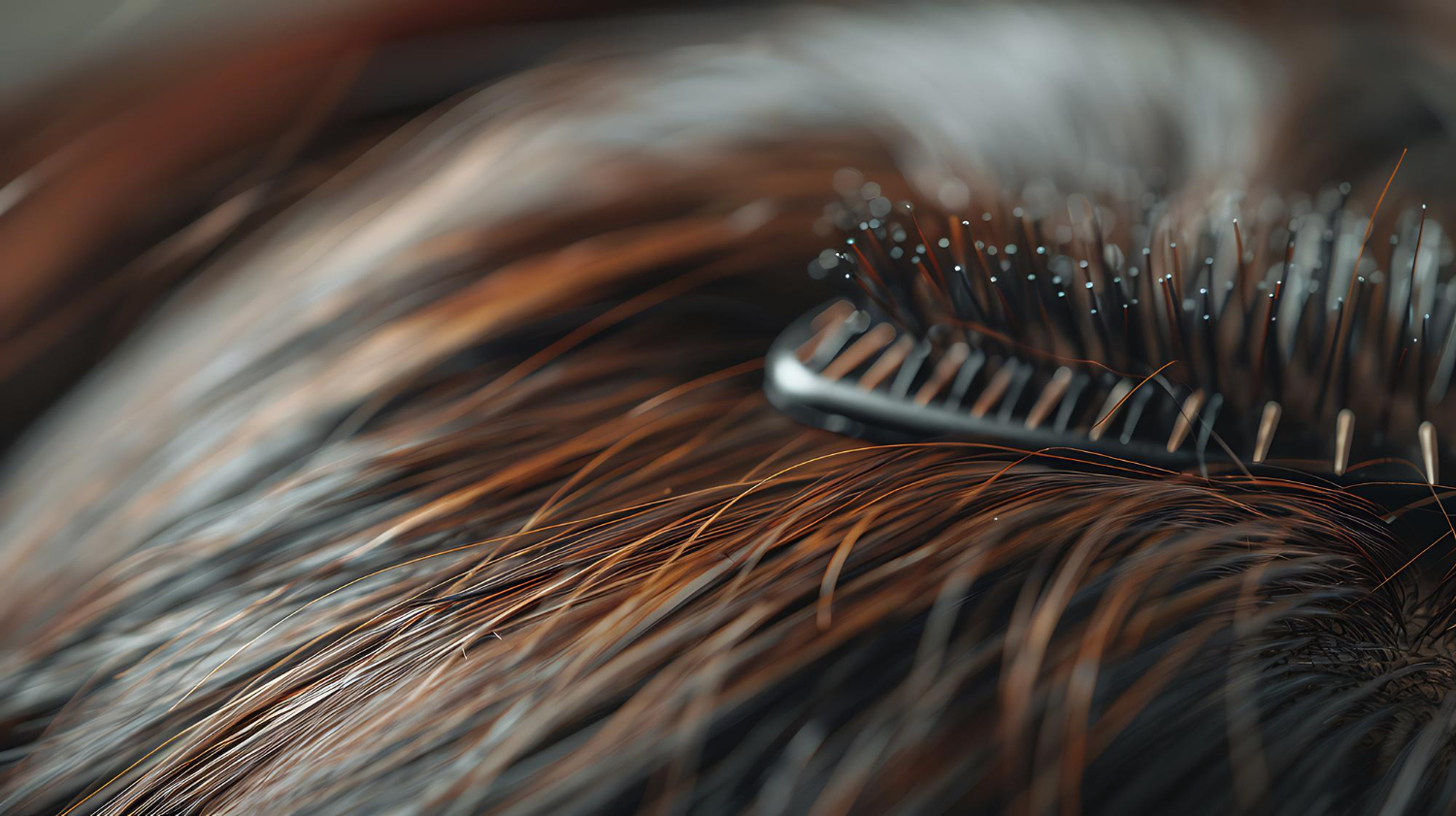
Every strand of hair is built from three parts:
- the cuticle – the outer, protective layer of overlapping scales
- the cortex – which holds strength, elasticity, and colour
- the medulla – a soft core that’s often absent in finer hair
When the cuticle lies flat, hair looks smooth and reflects light well. In other cases, hair can be lifted or damaged from heat, chemical processing, or friction. Hair looks dull and frizzy, and loses moisture faster than it can be replaced.
Scalp type matters just as much as hair type, because it determines how often you should be cleansing:
| Scalp type | Common signs | Suggested wash frequency |
| Oily | Shine or greasiness by day 1–2, flat roots | 3–4 times a week with a balancing, lightweight shampoo |
| Dry | Tightness, flaking, static | 1–2 times a week with a hydrating, sulfate-free shampoo |
| Normal | Balanced oil, minimal flaking | 2–3 times a week |
| Sensitive | Redness, itching, stinging with certain products | Fragrance-free, gentle formulas; patch-test new products |
Master Makeup, Hair & Skincare to Build Your Beauty Identity
Unlock your creative potential with our expert-led Beauty & Wellness course. Build in-demand beauty skills and step confidently into the world of beauty!
Your Beauty Career Starts Here!The Core Properties Worth Testing

It is important that you understand four measurable traits before buying a single new product. They are
- Porosity
- Elasticity
- Density
- Strand thickness
These four properties decide
- how your hair absorbs moisture
- how much stress it can take before breaking
- how much volume or weight your styling routine should account for
| Property | What it tells you | Simple at-home test | What it means for your routine |
| Porosity | How well hair absorbs and holds moisture | Drop a clean, shed strand into a glass of water; watch if it floats or sinks | Floats = low porosity, needs lightweight products and gentle heat to open the cuticle. Sinks = high porosity, needs sealing oils and occasional protein |
| Elasticity | How much stress hair can handle before snapping | Stretch a wet strand gently; note how far it goes before returning or breaking | Stretches 20–30% and bounces back = healthy. Under 10% = brittle, needs protein-based treatments |
| Density | How many hairs grow per square inch | Take a small section of hair; if scalp is easily visible, density is low | Low density benefits from volumising, lightweight formulas; high density needs stronger detangling |
| Strand thickness | Diameter of an individual hair | Compare a single strand against a sewing thread | Fine strands need gentle, low-weight products; coarse strands tolerate richer conditioners |
Note:
You should keep in mind that none of these home tests can fully replace a trip to a dermatologist for a proper trichoscopy. But they can be a pretty reliable starting point for figuring out what products and hair habits work best for you.
Building a Routine Around Your Results
Now that you know your porosity and scalp type, the rest is pretty straightforward:
Low porosity + normal scalp:
- Wash your hair with a gentle, sulfate-free shampoo 2 or 3 times a week – you know, not too often, not too little.
- Condition with a lightweight, water-based conditioner – not the heavy kind.
- Use a warm towel or some other trick to help products soak in a bit.
- Give your hair a good deep clean every month to prevent buildup.
High porosity + dry scalp:
- Wash your hair 1 or 2 times a week, do not overdo it.
- After every wash, treat your hair to a good deep conditioner.
- Use a light oil (argan or jojoba work well) to seal the ends – helps keep things from drying out.
- Whip up a protein-moisture balanced mask once a week, that sounds like a good plan.
Oily scalp + fine hair:
- Wash your hair 3 to 4 times a week with a shampoo that’s going to help balance things out.
- Keep the heavy products away from your roots.
- Give your scalp a good exfoliating once in a while to keep the oil under control.
Ingredients that Help & the Ones to Watch
Humectants like glycerin are good at drawing moisture into your hair shaft and they work best when it’s not too humid outside. In real humid climates, you need to pair them with something to seal it all in. This can be an oil or butter, for instance.
The thing most people do wrong is overdoing it. Too much protein can leave your hair stiff and ready to snap, too much moisture without any protein will leave it limp and floppy.
The most common mistake is overcorrecting. Too much protein makes hair stiff and prone to snapping. On the other hand, too much moisture without protein leaves hair limp and stretchy.
If your hair suddenly feels like straw, you’ve probably overdone it on the protein. Give it a few weeks and see if that sorts itself out. If it is all mushy and stretches without bouncing back, you’re probably more into the protein camp and need to cut back on the heavy conditioning.
Common Hair and Scalp Problems
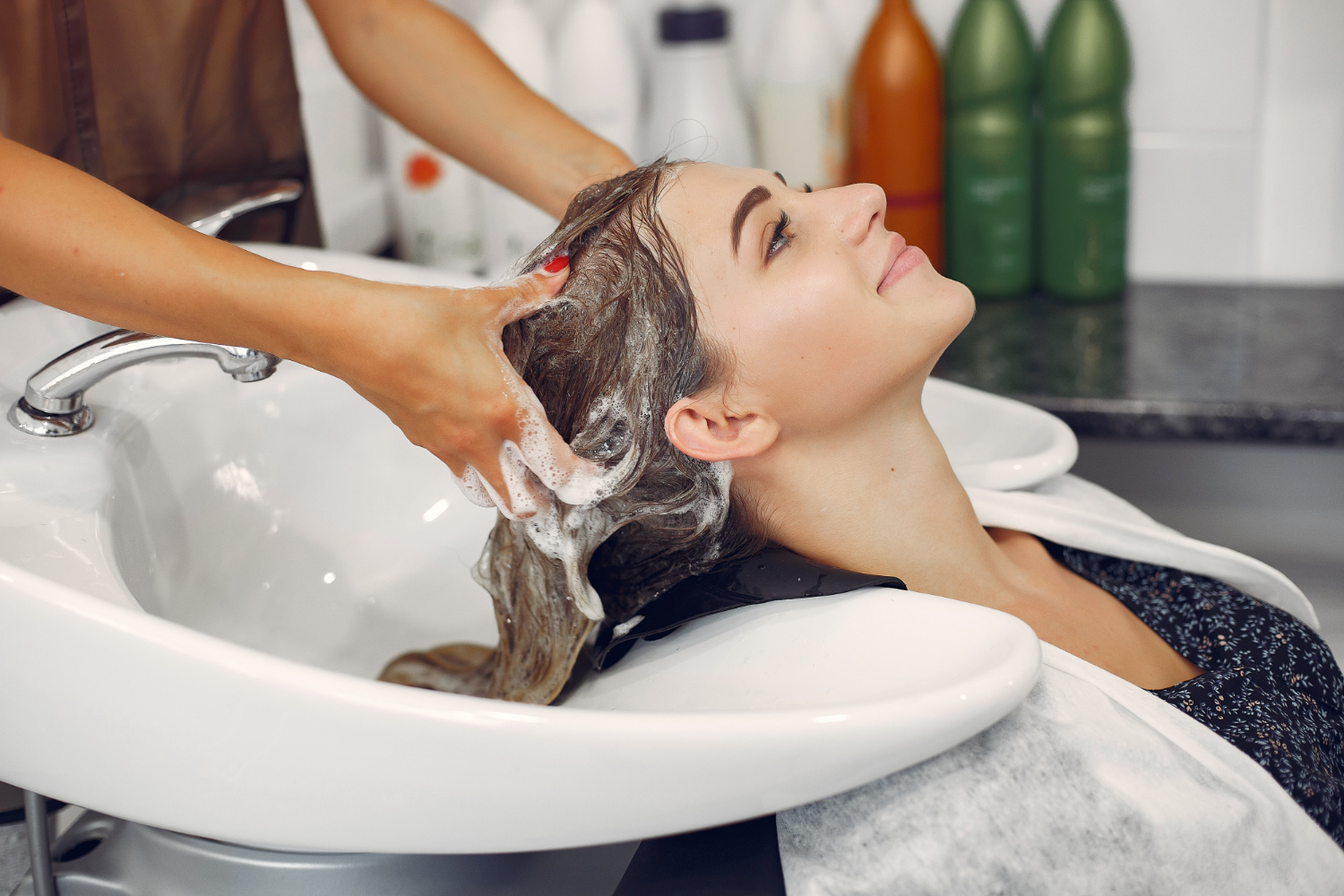
Dandruff vs. dry scalp:
Oily, yellowish flakes usually point to a fungal cause (commonly linked to the yeast Malassezia) and respond to shampoos with pyrithione zinc or ketoconazole. Fine, dry, white flakes with tightness usually mean the scalp simply needs more hydration and gentler cleansers.
Shedding vs. breakage:
If you find a fallen hair with a teeny tiny white root bulge at the bottom. It is probably just a hair that’s completed its growth cycle and moving on. You know, the natural way.
Uneven, short bits of hair without that little bulb at the root are usually a sign of breakage from way too much heat, friction or over processing – not because your hair is falling out of your scalp. These are the ones you will probably end up finding on your pillow case, hairbrush or favourite t-shirts.
How much hair loss is too much:
Dermatology sources generally agree that losing 50 to 100 hairs a day is normal, since the scalp holds well over 100,000 follicles at any time. What matters more than the exact count is the pattern.
A widening centre parting, a visibly thinner ponytail, or sudden clumps of hair are stronger signals than a single “bad hair day,”. They are worth discussing with a dermatologist rather than self-treating for months.
Master Makeup, Hair & Skincare to Build Your Beauty Identity
Unlock your creative potential with our expert-led Beauty & Wellness course. Build in-demand beauty skills and step confidently into the world of beauty!
Your Beauty Career Starts Here!When to See a Trichologist or Dermatologist
At-home analysis is useful, but realize that it has limits. Book a professional consultation if
- there is sudden or patchy hair loss
- a scalp that’s painful or scarring
- persistent flaking unresponsive to over-the-counter treatment
- shedding continues for months without an obvious trigger
A dermatologist can run bloodwork for thyroid function, iron, and vitamin D, which are common internal contributors to thinning. They may use trichoscopy, a magnified scan of the scalp, to rule out causes that home tests can’t detect.
Master Advanced Skincare, Makeup, Hair, and Salon Management. Enrol Now!
Conclusion
Good hair care is not about buying more products. It is about understanding the hair and scalp you actually have. Spend a few minutes staring at your scalp in a mirror with a glass of water and a dampened lock of your hair. You’ll get a better idea of what is going on with your locks than from any number of trendy products on the shelf.
Match your shampoo frequency to what your scalp is telling you, balance out moisture with protein based on how porous and flexible your hair is, and if you have got a scalp issue that is just not going away, don’t be afraid to get some professional help.
The key to getting results in a few short weeks is not in slapping on more and more stuff, it’s in getting it right in the first place, and being consistent.
|
RELATED POSTS |
|
| How to Become a Makeup Artist | |
| Bridal Makeup Essentials for Aspiring Beauticians | |
| Benefits of Regular Skin Care Treatments | |
Master Makeup, Hair & Skincare to Build Your Beauty Identity
Unlock your creative potential with our expert-led Beauty & Wellness course. Build in-demand beauty skills and step confidently into the world of beauty!
Your Beauty Career Starts Here!Frequently Asked Questions
How do I test my hair's porosity at home?
Drop a clean, shed strand of hair into a glass of water and watch what happens after a few minutes. If it floats, your hair is low porosity; if it sinks, it’s high porosity.
How often should I wash my hair?
It depends on your scalp type rather than a fixed rule. Oily scalps generally do better with 3 to 4 washes a week, while dry scalps need only 1 to 2. Sensitive scalps should stick to fragrance-free, gentle formulas regardless of frequency.
What does hair elasticity actually measure?
Elasticity measures how much a wet strand can stretch before returning to its original length without breaking. Healthy hair stretches around 20% to 30% and bounces back; anything under 10% suggests brittleness that needs protein-focused care.
What is the best way to check my scalp type?
Observe your scalp a day after washing: visible shine and flatness by day one or two points to oily, tightness and flaking points to dry, and minimal change points to normal. Sensitive scalps are identified by redness, itching, or stinging after using new products.
Does hair porosity change over time?
Yes, it can increase with chemical treatments, heat styling, and sun exposure. Retesting every few months, especially after colouring or straightening, keeps the picture accurate.
Are natural oils good for all hair types?
Not universally. Lightweight oils like jojoba suit low-porosity and fine hair, while richer oils like argan suit high-porosity or coarse hair. Heavy oils on fine, low-porosity hair often leave it looking greasy.
What heat styling temperature is safest for my hair?
Fine hair tolerates lower heat settings, while coarse hair can handle slightly higher temperatures without damage. A heat protectant and limited styling frequency reduce cuticle damage regardless of hair type.
When should I see a dermatologist instead of self-treating?
See a professional if shedding is sudden, patchy, or continues for months, or if the scalp is painful or scarring. These signs often point to causes like thyroid issues or nutrient deficiencies that home care can’t fix.
How often should I reassess my hair analysis results?
Retesting porosity, elasticity, and scalp condition every three months, or after a major chemical treatment, keeps the routine aligned with your hair’s current state. Hair changes with seasons and stress, so periodic reassessment matters.
What is the single biggest mistake people make with hair care?
Following a generic routine without first checking porosity, scalp type, and elasticity, which leads to products that weigh hair down or leave it under-moisturised. Testing first and adjusting based on results beats trial-and-error.