Table of Contents
For millions of Indians, achieving dreams like buying a first home, purchasing a family car, or funding a child’s higher education relies heavily on bank loans. For a long time, as long as you had a stable job and did not have a history of major loan defaults, securing credit was a relatively manageable process.
But starting April 1, 2027, the rules of the financial game are set to change completely. The central bank is rolling out a massive banking reform that shifts how lenders view credit risk and borrower defaults.
While it is undeniably a necessary step to keep the banking system secure and aligned with global standards, the reality for the everyday borrower could be quite harsh.
If your credit score is hovering anywhere under the 730 mark, you need to pay close attention right now. The upcoming regulatory changes could mean the difference between a smooth loan approval and a flat-out rejection.
Ace your personal finance journey with Entri’s Personal Finance Online Course. Join Now!
Key Takeaways
- The Reserve Bank of India is changing how banks calculate loan risks, effective April 1, 2027.
- Banks will shift to an Expected Credit Loss (ECL) model, which requires them to predict defaults before they happen rather than waiting for them to occur.
- Borrowers with a CIBIL score below 730 may find it significantly harder to get home, car, or personal loans.
- Higher provisioning requirements mean banks might charge higher interest rates to riskier borrowers or deny their applications outright.
- It is crucial to start improving your credit score immediately to ensure you are not locked out of the credit market in the coming years.
What is the New Expected Credit Loss (ECL) Framework?
1: What is a stock?

To understand why things are changing, we first need to look at how things work today. Currently, the Indian banking system operates on what is called an “incurred loss” model. In simple, everyday terms, this means banks only set aside money for bad loans after a borrower actually defaults or misses their payments for a certain number of days (usually 90 days).
The bank reacts to the financial problem only when the problem is already standing at its doorstep. The new system, officially named the Expected Credit Loss framework, flips this logic entirely on its head. Instead of waiting for a borrower to stop paying their Equated Monthly Installments (EMIs), banks will now have to look into the future and predict the likelihood of a loan going bad.
Banks must calculate this future risk the exact moment a loan is issued to you. Depending on how risky they think you are, they must set aside a specific amount of their own money—known as provisions—to cover potential future losses.
Old vs New Rules
As per the new rules, if a borrower fails to pay two installments of a loan, banks have to set aside up to 12 times higher amount as provision. Thus, banks will use forward-looking data, economic indicators, and, most importantly, your past financial behaviour to judge whether you are a safe bet. It would be easily relatable if you think of packing for a trip.
As per the old rules, you would only buy an umbrella after it started raining. However, under the new rules, you check the weather forecast before you leave the house. Even if there is a slight chance of rain, you are forced to pack the umbrella. If a bank believes there is a chance you might miss payments down the road, it has to lock away a chunk of its capital immediately.
Naturally, banks do not want to lock up their money unnecessarily. So, their easiest and most logical solution will be to simply stop giving loans to people who show even the slightest hint of financial risk.
Why the CIBIL Score of 730 is the New Danger Zone
In the modern credit world, a three-digit number dictates your financial credibility: your CIBIL score. Ranging from 300 to 900, this score tells lenders exactly how good you are at managing debt.
Traditionally, a score of around 680 to 700 was often considered “good enough” for many banks and non-banking financial companies to grant a loan, albeit sometimes at a slightly higher interest rate.
Under the new regulatory rules, 730 is rapidly emerging as the new cutoff line. Why is this specific number so important? Because the RBI Expected Credit Loss impact on loans means banks will no longer take chances on average or below-average credit profiles.
With the strict requirement to provision more funds for riskier accounts, the sheer cost of lending to someone with a score of 710 or 720 suddenly becomes too high for the bank to justify.
How much Amount Banks have to set side?
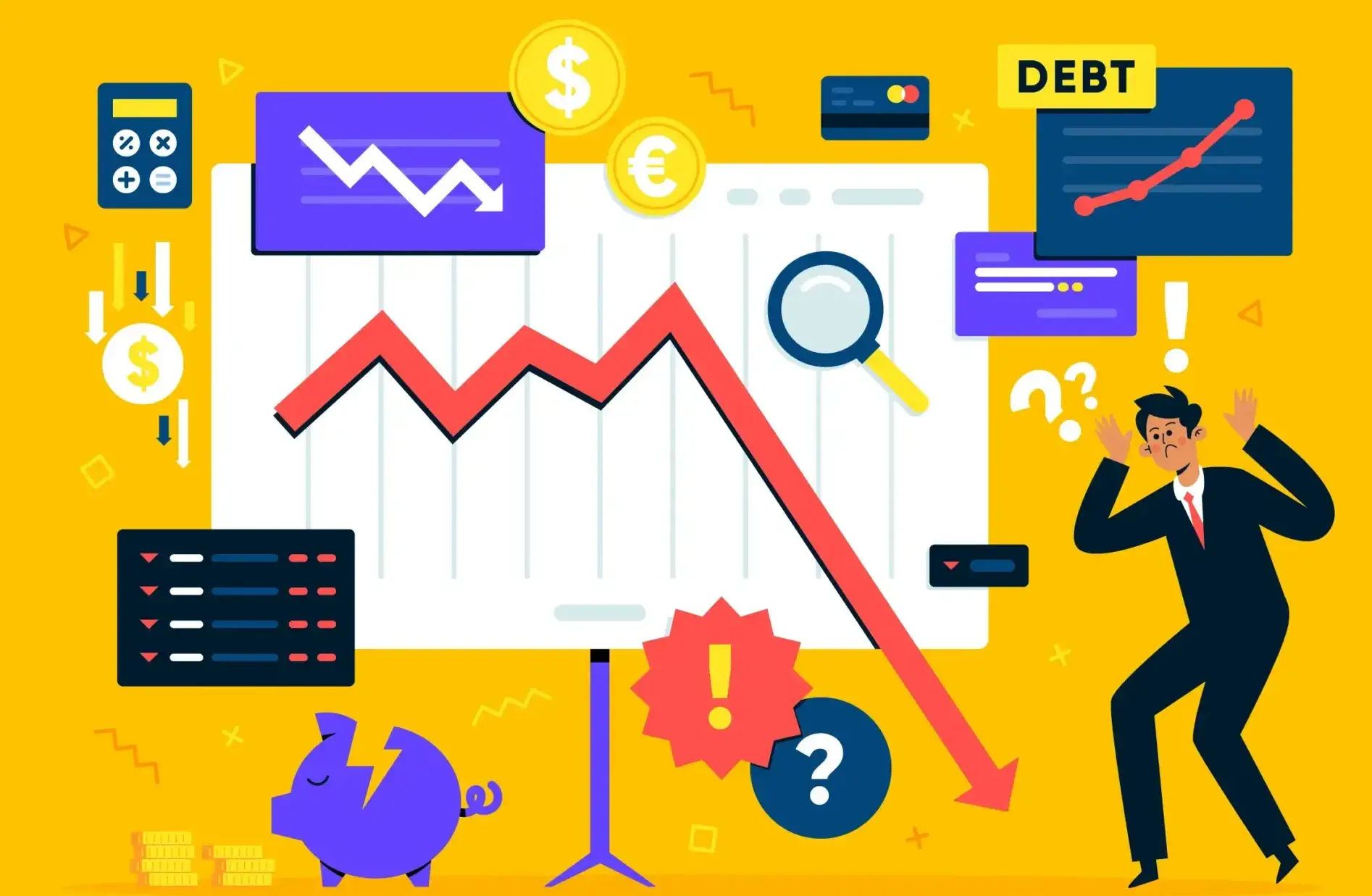
For a housing loan of Rs.25 lakhs, if a customer fails to pay a 30-day EMI, currently banks have to set aside Rs.10,000. However, as per the new rules, this amount is raised to Rs.25,000. In the case of EMIs between 31-60 days, at present Rs. 10,000 has to be set aside for payment failures whereas this amount will go up to Rs.1.25 lakhs in the future.
When the EMIs are not paid for more than 91 days, currently Rs.3.75 lakhs (i.e. 15%) has to be set aside. However, going forward, it will increase to Rs.5 lakhs. To protect their profit margins and keep their capital free, banks will tighten their lending gates drastically. They will reserve their best interest rates, easiest approvals, and premium services strictly for those with scores of 750 and above.
For those scoring below 730, the scrutiny will be intense. The bank’s software algorithms will flag you as a potential future risk, essentially making you a financial liability before you have even missed a single EMI payment.
The sad reality of this regulatory shift is that a massive portion of the Indian population falls into the sub-730 category. According to latest news reports, 62% of India’s loan applicants fall under the category of CIBIL score below 730. The people most affected won’t necessarily be serial defaulters or reckless spenders trying to game the system. Instead, the burden will fall on everyday, hardworking individuals: For these broad demographic groups, a score under 730 is usually an artefact of their economic circumstances and limited credit exposure, not bad intent. Yet, the highly predictive nature of the new banking rules will treat them as high-risk entities, effectively shutting the door on their aspirations of upward financial mobility. Trusted, concepts to help you grow with confidence. Enroll now and learn to start investing the right way.
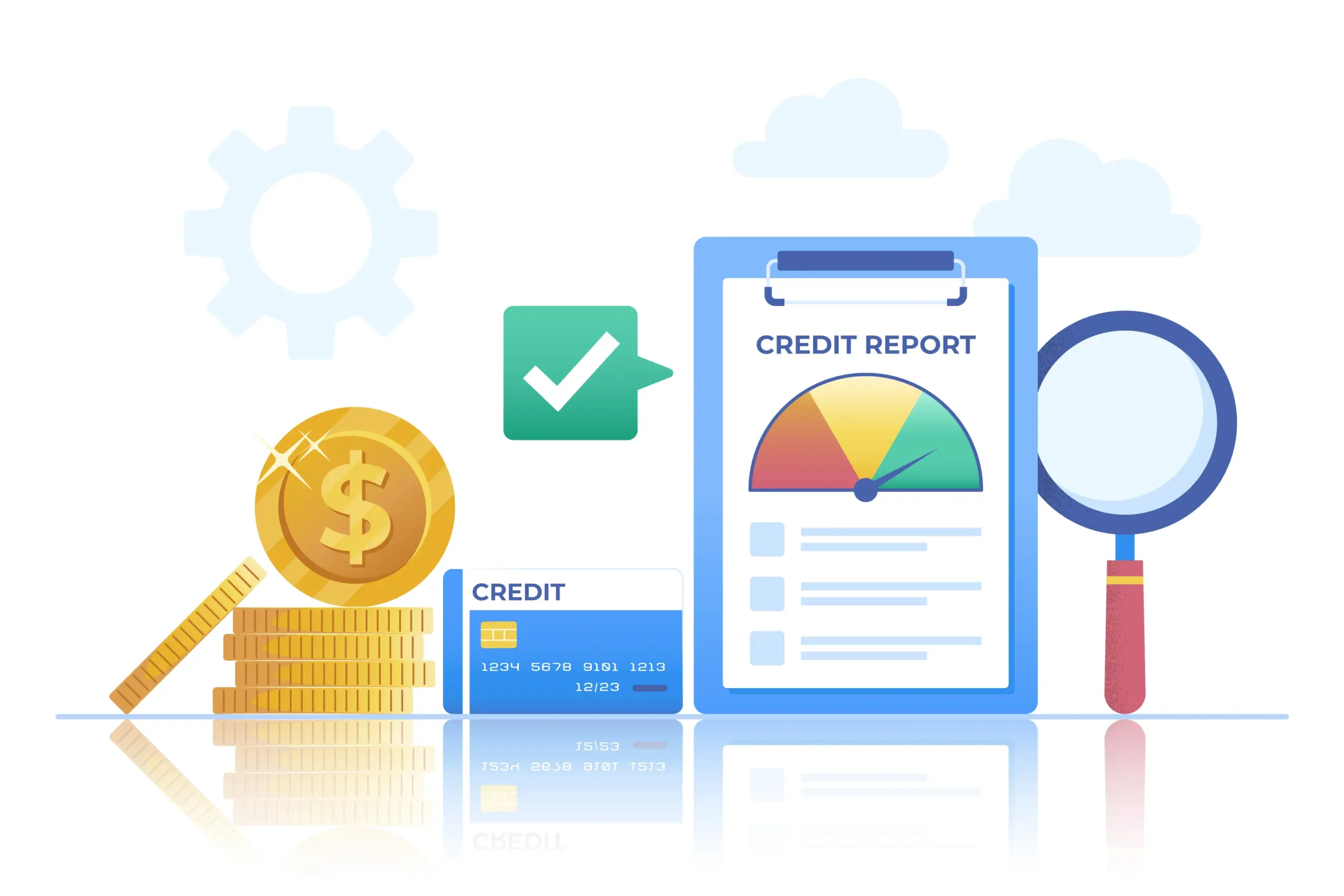
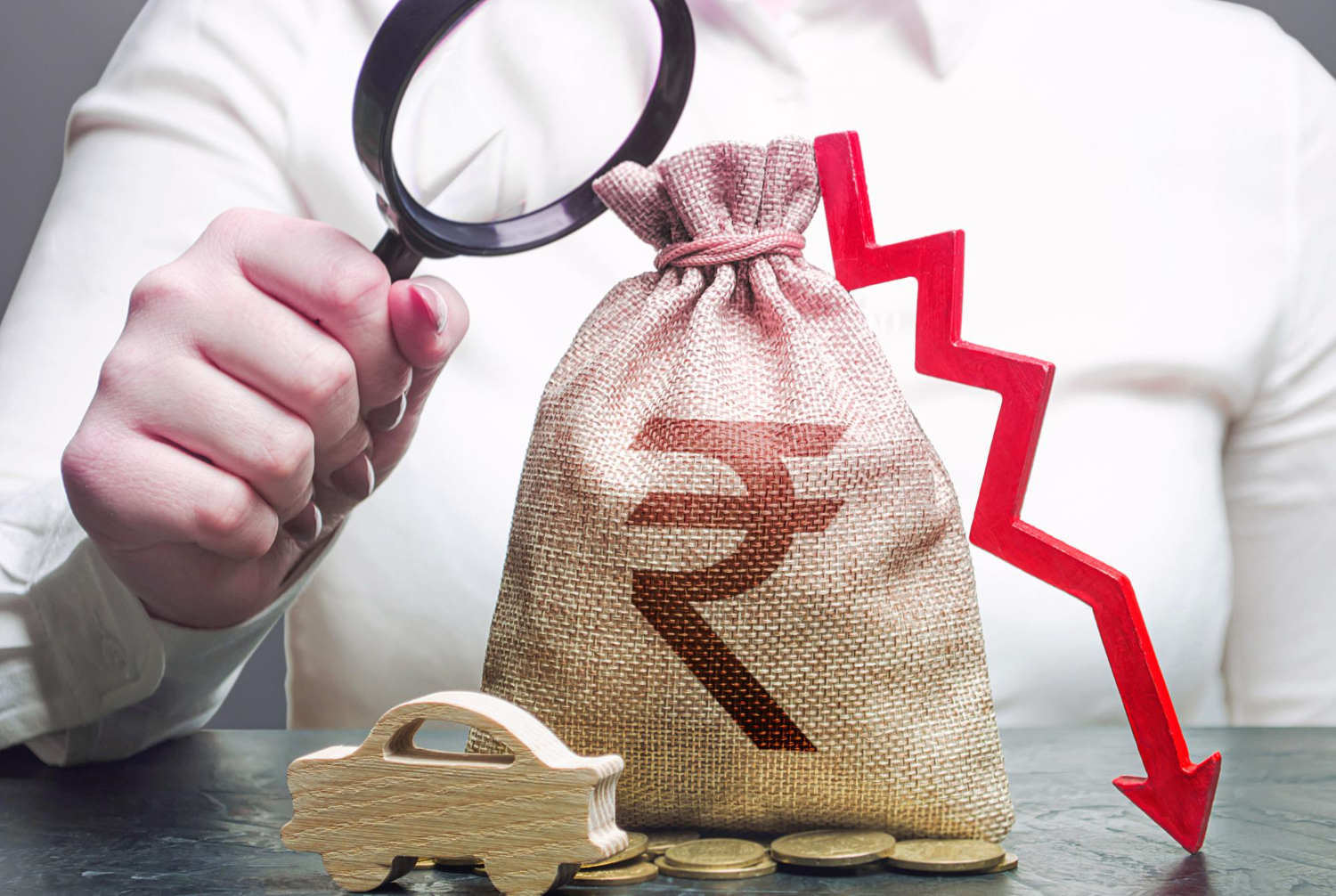
When banks have to keep more money aside for potential bad loans, their overall profits take a direct and heavy hit. To add on, some financial experts even forecast that the higher provisioning requirements could cut down the banking sector’s aggregate profits by as much as Rs.42,000 crore. Therefore, the RBI Expected Credit Loss impact on loans will be visible to the common man in three major ways: The most immediate and painful consequence will be a sharp spike in loan application rejections. Even if you have a decent salary and stable job, a historically low credit score will be a non-negotiable dealbreaker for top-tier banks. In short, in the future, banks will be focussing only on premium customers. If a bank does decide to take a chance and give a loan to someone with a score of 700, they will charge a massive premium for the assumed risk. You could end up paying much higher interest rates compared to a borrower with a score of 780. Over the lifespan of a 20-year home loan, even a 1% or 2% difference in interest can mean several lakhs of extra rupees draining out of your pocket. Unsecured credit, like personal loans or credit cards, will become extremely hard to secure. For secured loans, lenders might demand much more collateral or force you to make much larger down payments for auto and home loans to offset their perceived risk. With the implementation date of April 2027 giving us a bit of a runway, the absolute best time to fix your credit score is right now. A good credit score takes significant time to build organically, and you cannot magically fix a bad score a month before you need a housing loan. Here is what you should start doing today: This is the absolute golden rule of credit. Never miss a payment deadline. Set up auto-debits from your savings account so you do not rely on your memory. Do not max out your credit cards just because the limit is available. Try your best to use less than 30% of your total available credit limit across all cards. Pull your credit report regularly and check for any glaring mistakes. Sometimes, a bank might falsely report a missed payment, or an old closed loan might still show as active. Get these rectified immediately by raising a dispute. Every time you apply for credit, a “hard inquiry” is made on your profile, which slightly lowers your score. Apply for new credit only when absolutely necessary, and avoid clicking on those “pre-approved loan” SMS links. Having a healthy mix of secured loans (like a car or gold loan) and unsecured loans (like a credit card) shows the banking algorithms that you can handle different types of financial pressure responsibly. Ace your personal finance journey with Entri’s Personal Finance Online Course. Join Now! The upcoming financial transition is a massive wake-up call for borrowers across the entire country. A CIBIL score under 730 is no longer just a minor inconvenience that can be waved away with a slightly higher interest rate from a friendly bank manager. On the other hand, it is rapidly becoming a concrete barrier to entry into the formal financial system. The new framework will fundamentally alter the consumer lending landscape, making banks far more cautious, data-focused, and incredibly selective. It’s quite beneficial to understand these deep regulatory changes at the earliest as you can take proactive, intelligent steps to clean up your credit history. Discipline your monthly spending, pay all your dues strictly on time, and build a robust, spotless financial profile. Do not let a simple three-digit number shut the door on your life’s biggest aspirations. Trusted, concepts to help you grow with confidence. Enroll now and learn to start investing the right way.
Banks will shift to the Expected Credit Loss (ECL) model, predicting and preparing for loan defaults before they happen, making lending stricter. Banks will view scores below 730 as risky. To avoid locking away extra capital for potential losses, they may deny loans entirely. No, existing fixed-rate loans will not change. However, if you apply for new credit or have floating rates, you face stricter scrutiny. It will become exceptionally difficult. You may face outright rejections, demands for heavy collateral, or extremely high interest rates. It typically takes 6 to 12 months of disciplined, on-time payments and low credit utilization to see significant score improvements. No. Checking your own score is a “soft inquiry” and does not negatively impact your credit profile. Yes, all scheduled commercial banks must adopt this framework, though smaller financial institutions have slightly different transition timelines.Who Will Be Hit the Hardest by this Change?
Stock Market Training Reviewed & Monitored by SEBI Registered Investment Advisor
How Banks will Change their Approach
Higher Rejection Rates:
More Expensive Interest Rates:
Demand for More Collateral:
Steps You Must Take to Improve Your Credit Score
Pay Every Single EMI on Time:
Keep Credit Utilisation Low:
Check for Reporting Errors:
Don’t Apply for Too Many Loans:
Maintain a Good Credit Mix:
Conclusion
Stock Market Training Reviewed & Monitored by SEBI Registered Investment Advisor
Frequently Asked Questions
What is the new banking rule coming in 2027?
Why is a 730 CIBIL score important now?
Will my existing loans be affected?
Can I still get a loan with a 650 score?
How long does it take to improve my score?
Does checking my own CIBIL score lower it?
Are all Indian banks adopting this rule?