Table of Contents
Eggs are a nutrient-dense food that can give high-quality protein in addition to a number of vitamins and minerals. Eggs are a convenient food that is rich in nutrients. Eggs are able to be incorporated into a diet that is balanced for the majority of healthy individuals. There are a number of factors that determine the optimal quantity, including your overall eating pattern, cholesterol levels, health issues, and the foods that you consume in addition to the eggs.
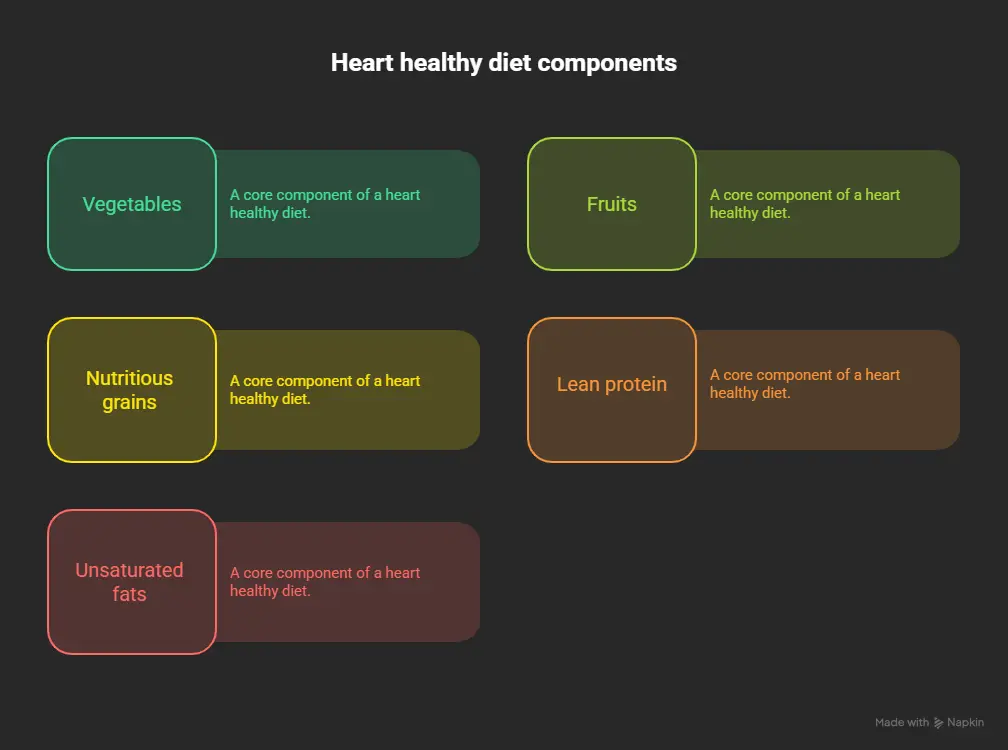
The current recommendation for heart health has moved away from treating cholesterol in the diet as the single element that constitutes an important consideration. The overall quality of the diet, notably the amount of saturated fat, fiber, vegetables, whole grains, and healthy sources of protein, is more essential than the quantity of these foods.
Key Takeaways
- Eggs are a nutrition packed food containing a lot of important nutrients and quality proteins.
- Eggs can be part of a healthy, balanced diet for most healthy persons.
- Egg consumption must be considered in relation to overall diet quality .
- The effect of dietary cholesterol is individual.
- People with conditions such as high cholesterol, diabetes or heart disease may need a personalized strategy to therapy.
- There is a correlation between the way eggs are cooked and the quality of the whole meal.
Become a General Fitness Trainer and turn your passion into a Profession!
How Many Eggs Can You Safely Eat?
A healthy diet typically consists of one egg each day, which is sufficient for the average person to consume. Egg consumption of up to one egg per day is recommended by the American Heart Association for individuals who wish to maintain their health.
A few extra eggs here and there won’t hurt you in any way, shape, or form. A person’s diet is not as significant as the number of meals they consume in a day. It is more common for people to consume eggs with cooked meats, butter, and other items that are high in saturated fat that are consumed today. You might, for instance, have eggs along with vegetables and cereals that are very beneficial to your health.
Egg whites are particularly useful in situations where you want to consume a little bit more protein but do not want to consume the cholesterol that is included in egg yolks. Because egg yolks include a wide variety of beneficial nutrients, the majority of healthy people are able to consume them without regard.
When you have a condition that affects your cholesterol levels, such as diabetes, heart disease, high LDL cholesterol, or another condition, your physician may suggest a dosage that is more appropriate for your requirements. This is because your cholesterol levels are affected by the condition.
Nutritional Value of Eggs
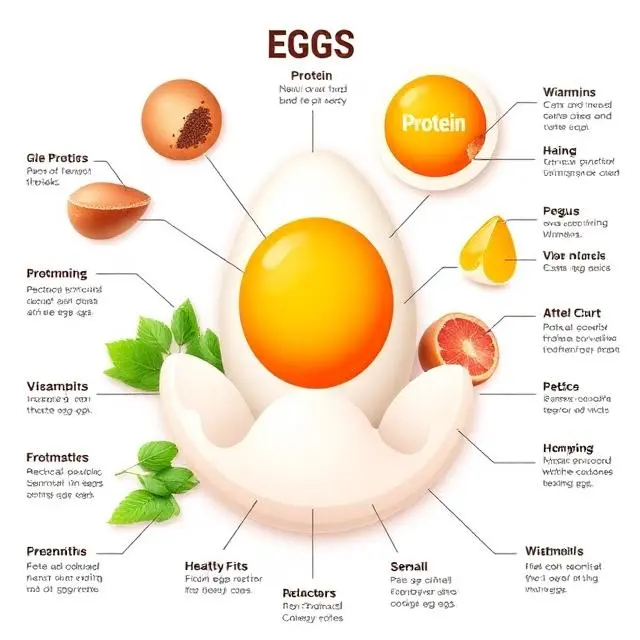
Eggs have fat, protein, vitamins, and minerals in their composition. 78 calories, 6.3 grams of protein, 5.3 grams of fat, and less than one gram of carbs are contained in a single big egg that has been hard-boiled throughout.
Eggs are a useful source of minerals such as:
- Muscle and growth are both facilitated by protein.
- Choline is essential for your brain and nervous system.
- The function of the neurological system and the blood is maintained by vitamin B12.
- Immunity and bone health are both improved by vitamin D.
- The thyroid and immune system both benefit from selenium’s use.
- Vitamin A helps to both prevent and diagnose sickness.
- Food is burned by riboflavin.
- The eyes are benefited by the antioxidants lutein and zeaxanthin that are found in the yolk.
Daily Egg Intake Recommendations
Eggs are easily digested by most healthy people. There is no set maximum for each day. Nutritional needs vary with age, health, activity level and diet. In its 2026 recommendations, the American Heart Association emphasizes dietary patterns more than individual meals or cholesterol.
It is advised that you:
- Adults in excellent health can include eggs in their diet.
- The consumption of eggs in children and adolescents is related to their age and nutritional requirements, thus the amount of eggs ingested should be proportional to the growth rate.
- Those with high cholesterol or other health concerns may also want to evaluate their egg intake in addition to their diet and cholesterol levels.
- Compared to saturated fat, vegetables, whole grains and other nutritional foods are the best complements to eggs.
Eggs and Cholesterol: What Does Research Say?
Turn Your Passion for Fitness into a Profession
Learn practical skills, get certified, and step into the growing fitness industry with confidence.
Join the CourseWho Should Limit Egg Consumption?
Avoiding eggs entirely is not necessary for the vast majority of healthy persons. However, there are some individuals who might require more specialized guidance.
People Who Have High LDL Cholesterol
If you have high levels of LDL cholesterol, it is important to consult with a medical specialist about your diet. Depending on the circumstances, they might suggest paying more attention to both cholesterol and saturated fat in the diet.
Patients Suffering from Cardiovascular Disease
Therefore, rather than simply adhering to a generic prescription about eggs, those who are now suffering from heart disease or who have previously suffered cardiovascular problems may benefit from receiving individualized dietary counsel.
Insulin-Deficient Individuals
Individuals who have diabetes or other cardiometabolic risk factors may also require individualized guidance on the consumption of eggs and their overall dietary pattern regarding egg consumption. It is important to note that the American Heart Association has made it clear that their recommendations regarding eggs include some qualifiers for individuals who have dyslipidemia, diabetes, or risk factors for heart failure.
People Who Have Other Restrictions Regarding Their Diet
Egg allergies and other dietary restrictions that are given by medical professionals may require certain individuals to limit their consumption of eggs. In situations like these, it is important to consult with a medical specialist in order to determine the optimum dosage.
Young children and adolescents
The dietary needs of children and adolescents are distinct from one another due to the fact that they are still developing. With the exception of situations in which it is medically required, they should not adhere to restrictive dietary regulations regarding eggs or other nutritious foods without the direction of a parent or guardian and a healthcare practitioner.
Become a General Fitness Trainer and turn your passion into a Profession!
Conclusion
A diet that is both healthy and well-balanced can benefit greatly from the inclusion of eggs as a source of food. The majority of people who are healthy are more concerned about the quality of their meals, the manner in which they prepare their food, and the amount of saturated fat that they consume in their diet than they are about avoiding eggs because of the high cholesterol content that they contain. This is because eggs contain a lot of cholesterol. Eggs have a great deal of cholesterol in their composition. If you have high cholesterol, diabetes, or any other risk factors for cardiovascular disease, it is strongly suggested that you seek the guidance of a nutritionist in order to receive recommendations from an expert.
Turn Your Passion for Fitness into a Profession
Learn practical skills, get certified, and step into the growing fitness industry with confidence.
Join the CourseFrequently Asked Questions
Is it safe to eat eggs every day?
For many healthy people, eggs can be included regularly as part of a balanced diet. Individual needs vary.
Do eggs increase cholesterol?
Eggs contain dietary cholesterol, but blood cholesterol is influenced by multiple dietary and lifestyle factors, including saturated fat intake.
Is egg white healthier than the whole egg?
Egg whites provide protein without the cholesterol found in the yolk, while the yolk contains many important nutrients. The best choice depends on your individual nutritional needs.
Can people with high cholesterol eat eggs?
They may be able to include eggs, but the appropriate amount depends on their overall diet and cholesterol levels. A healthcare professional can provide personalized advice.
What is the healthiest way to cook eggs?
Boiling, poaching, or cooking with little added fat can help keep the meal lower in saturated fat.
Are eggs good for protein?
Yes. Eggs provide high-quality protein along with several vitamins and minerals.