Table of Contents
Entrepreneurs should focus on getting organic social media marketing right first, This means building your brand’s voice, testing your messaging, and growing an audience before you even think about splashing out on paid ads.
Organic social media lays the trust and foundation that your paid ads need to really take off. Without it, ad budgets can end up being wasted on messaging that hasn’t been tested properly on real people.
Time and time again, research shows that businesses that have a solid organic social presence before launching paid advertising get a much stronger return on ad spend because they already know what kind of content is going to resonate and who their real audience actually is.
Join Our Online Digital Marketing Course & Learn the Fundamentals!
Key takeaways
- If your budget is under ₹20,000 a month, start with organic social first, no question.
- Paid ads can give you results a lot faster but they’re only going to work really well if you’ve validated your messaging with some organic reach first.
- Don’t expect to see meaningful organic growth until at least 3 to 6 months in.
- The best approach is to use a hybrid approach: get your organic presence sorted, then bring in paid ads to give it an extra boost.
- Each of the main platforms – Meta, LinkedIn, TikTok and YouTube – is best used for different goals and audiences.
- A great way to cut costs is to repurpose those organic posts into paid ad creatives.
Introduction
1: What is the primary goal of SEO (Search Engine Optimization)?
We all know the question that every entrepreneur Googles at some point: Should I build my brand on social media or just chuck some cash at paid ads and get customers fast? It’s a real dilemma and, let’s be honest, it’s a lot more complicated in 2026 than it used to be.
Social media platforms are increasingly restrictive with organic reach. For instance, Instagram’s average organic reach for business accounts is only 5% to 10% of their followers. The average cost-per-click on Meta Ads is going up year over year. With budgets stretched so thin, especially for new businesses, every single rupee counts.
This guide is for start-ups, solo entrepreneurs and small business owners who want to grow their business without breaking the bank. We’ll break down the two main approaches – organic and paid – and tell you exactly when to use each (and how to combine them to get the best results in the real world).
Become an AI-powered Digital Marketing Expert
Master AI-Driven Digital Marketing: Learn Core Skills and Tools to Lead the Industry!
Explore CourseWhat is Social Media Marketing (Organic)?
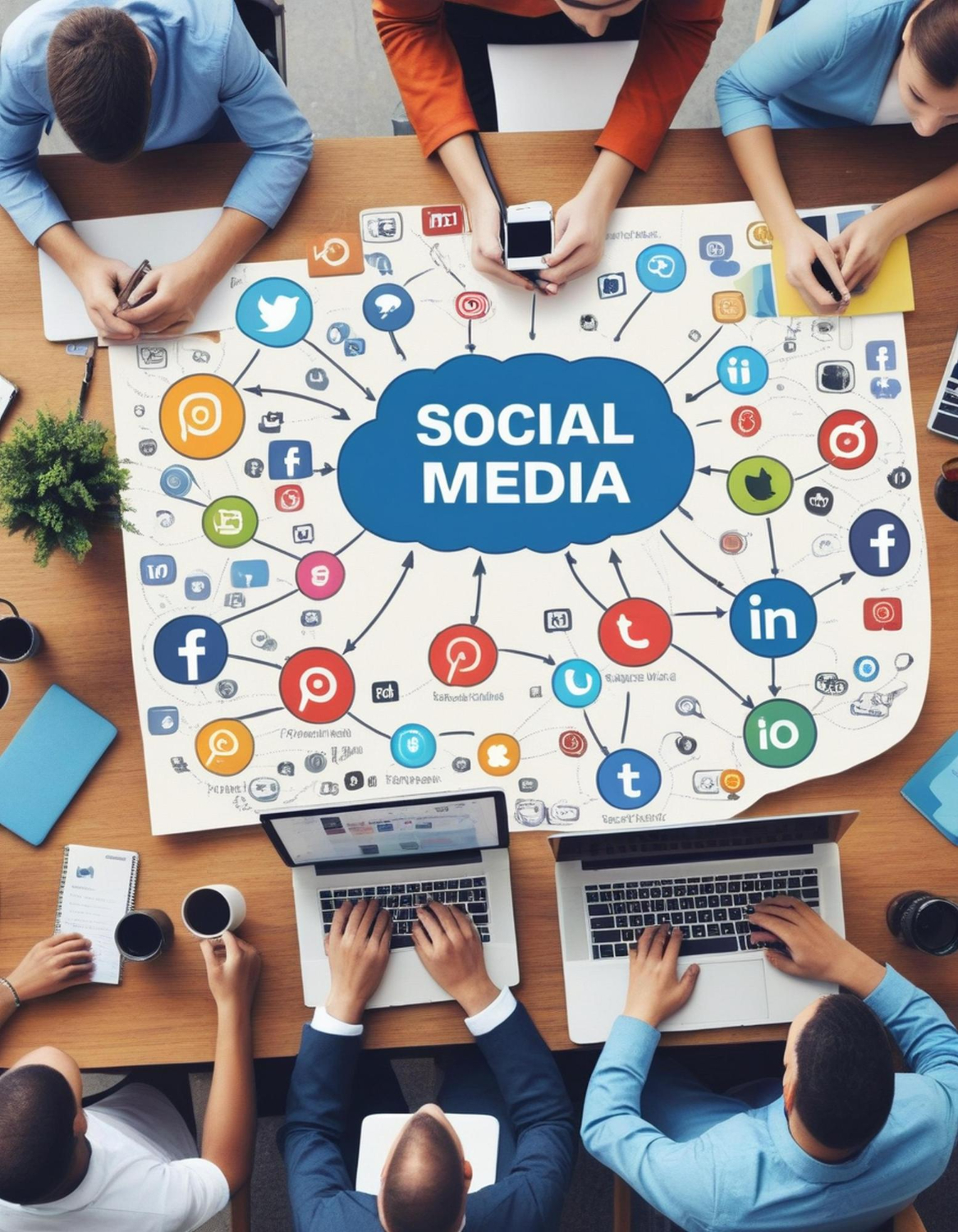
Organic social media marketing means building up a presence on the big platforms like Instagram, LinkedIn, Facebook and YouTube without splashing out on ads.
You’ve got to create posts, get involved in conversations with your followers, use hashtags in a smart way, deal with comments and messages, and build a community. But all this only through putting out good quality content and being genuinely interested in people.
It’s not really “free” at the end of the day. It costs you time, effort and a good dose of imagination and a solid strategy. But on the plus side, it’s also a super accessible way for beginners to grow their brand without having to break the bank.
Core organic activities include:
- Making short-form videos (Reels, YouTube Shorts, TikTok vids)
- Publishing all sorts of different posts like carousels, infographics and plain old text ones
- Getting back to people when they comment, message you or start a thread
- Using the right hashtags and making sure your captions are optimised for search
- Getting in with smaller influencers and communities
Organic Social Media Marketing – Pros & Cons
| Aspect | Advantage | Limitation |
| Cost | No media spend required | Time-intensive to scale |
| Reach | Builds a loyal, engaged community | Limited by platform algorithms |
| Trust | Higher authenticity and credibility | Takes 3 to 6 months to gain traction |
| Long-term Value | Evergreen content, compounding authority | No guaranteed visibility per post |
| Creative Control | Full ownership of your brand narrative | Daily reach fluctuates unpredictably |
What are Paid Ads?
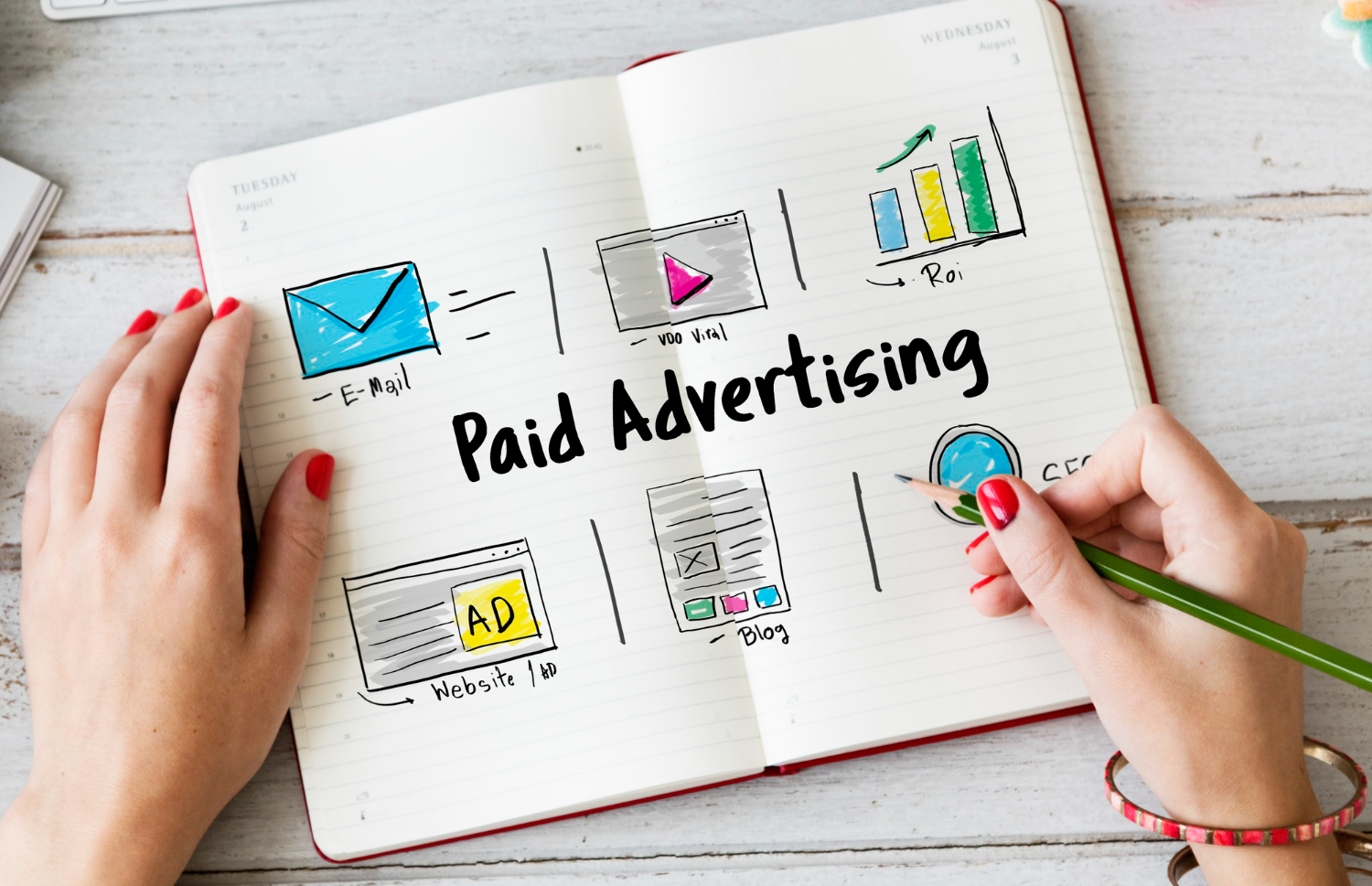
Paid social media advertising is when you pay for the platform – be it Meta, LinkedIn, TikTok, YouTube or Google – to bring your content to a super specific group of people. You set a budget, decide who you want to reach and pay either per click (or per thousand views).
Unlike just posting and hoping for the best, paid ads give you instant visibility. That means you can get in front of thousands of people who’ve never even heard of you. That is, as long as you’ve got a killer ad, great copy and the right people to target.
Key platforms for paid social in 2026:
- Meta Ads (Facebook & Instagram): Best for consumer brands, e-commerce, and local businesses
- LinkedIn Ads: Ideal for B2B, professional services, and high-ticket offers
- TikTok Ads: Strongest for reaching Gen Z and younger millennials with short-form content
- YouTube Ads: Effective for storytelling, product demos, and long-consideration purchases
Paid Social Ads – Pros & Cons
| Aspect | Advantage | Limitation |
| Speed | Traffic and leads within 24 to 48 hours | Costs rise with competition; CPC increasing in 2026 |
| Targeting | Precision audience segmentation by interest, behaviour, and demographics | Requires a testing budget to find winning combinations |
| Scalability | Winning campaigns can be scaled quickly | Ad fatigue sets in within 2–4 weeks of creative repetition |
| Control | Full budget control and A/B testing capability | Results stop the moment you stop spending |
| ROI | Fast, measurable results with clear attribution | ROI deteriorates without fresh, high-quality creatives |
Organic Social vs. Paid Ads: Side-by-Side Comparison
| Factor | Organic Social Media | Paid Ads |
| Time to Results | 3 to 6 months | 24 to 48 hours |
| Cost | No media spend (time only) | ₹500 to ₹50,000+/month |
| Best For | Brand awareness, trust, community | Sales, lead generation, quick wins |
| Audience Reach | Followers + viral potential | Targeted custom and lookalike audiences |
| Long-term Asset | Yes – content compounds over time | No – stops when budget stops |
| Algorithm Dependence | High | Low (you pay to bypass it) |
| Average Conversion Rate | 1% to 2% | 3% to 5% (with optimised creatives and targeting) |
Become an AI-powered Digital Marketing Expert
Master AI-Driven Digital Marketing: Learn Core Skills and Tools to Lead the Industry!
Explore CourseWhen Entrepreneurs Should Start with Organic Social Media
If your marketing budget is under ₹20,000 per month, or if you’re still figuring out what your audience actually wants – organic social is your best investment right now.
Organic-first makes sense when you are:
- A brand-new business with limited funds and no proven product-market fit
- A content-heavy business (coaching, education, lifestyle, wellness)
- Building in public and trying to cultivate a community around your brand
- Unsure of your ideal customer’s language, pain points, and motivations
What an effective organic strategy looks like:
- Post 3 to 5 times per week across your primary platform
- Prioritise video content – Reels and YouTube Shorts get 2–3x the organic reach of static posts
- Engage daily – respond to every comment and DM in the first hour of posting
- After 60–90 days, identify your top 3 performing content formats and double down on them
- Collect social proof – testimonials, user reactions, and questions become your ad creative later
The 60–90 day mark is your data goldmine. You’ll know exactly which messages, formats, and topics drive engagement. That intelligence is worth far more than any ad spend at this stage.
When Entrepreneurs Should Invest in Paid Ads Early
Paid ads make sense from day one only if you have an established product, a clear audience, and a testing budget set aside for experimentation.
Paid-ads-first makes sense when you are:
- Running an e-commerce store with proven product-market fit
- Promoting a time-sensitive launch, sale, or event
- Offering high-ticket B2B services where one client justifies the entire ad spend
- Sitting on a marketing budget of ₹30,000/month or more
What an effective paid strategy looks like:
- Start with ₹500 to ₹1,000/day as a testing budget
- Run 3 to 5 creative variations (different headlines, visuals, CTAs) simultaneously
- Analyse performance after 3 to 5 days – cut losers, scale winners
- Layer retargeting campaigns to re-engage website visitors and social engagers
- Allocate at least 20% to 30% of your budget to retargeting – these audiences convert at 2x to 3x the rate of cold traffic
The Hybrid Strategy: The Smartest Approach for 2026
The organic vs. paid debate is something of a false choice. In practice, the most successful entrepreneurs use both in the right sequence.
Here’s a practical timeline to follow:
| Phase | Timeline | Focus | Suggested Budget |
| 1 – Build | Months 1 to 3 | Organic content creation, community building, audience insights | ₹0 to ₹5,000 (tools only) |
| 2 – Amplify | Months 4 to 6 | Boost top-performing organic posts; test paid with small budgets | ₹5,000 to ₹15,000/month |
| 3 – Scale | Month 7 onwards | Full paid funnel — awareness, retargeting, and conversion campaigns | ₹15,000 to ₹50,000+/month |
Join Our Online Digital Marketing Course & Learn the Fundamentals!
Why this sequencing works so well:
Your best organic posts literally become your paid ad creatives – saving production costs and eliminating creative guesswork.
The audience data gathered during Phase 1 (who engaged, what they said, which formats performed) directly improves your ad targeting precision in Phase 2. And by the time you scale in Phase 3, you’re not experimenting – you’re amplifying what’s already proven to work.
This is the difference between entrepreneurs who scale efficiently and those who burn their budgets trying to shortcut the process.
Conclusion
The answer to the social media marketing vs paid ads debate isn’t either/or. It’s a matter of sequence.
Build organically first. Post consistently, learn from your audience response and interactions, and develop content that genuinely resonates. Once you know what works, then invest in paid ads to take that proven content further, faster.
Entrepreneurs who master this sequence don’t just save money. They build brands that people actually trust. Start posting today. Collect your data. Reinvest your early profits into ads that you know will work. That’s not just smart marketing but a means for sustainable business growth.
Frequently Asked Questions
Should I do social media marketing or paid ads first?
Start with organic social media to build credibility and learn your audience’s language. After 60–90 days of proven content and insights, add paid ads to scale reach and conversions.
Is paid advertising better than organic social media?
Neither is always better; they serve different goals. Use organic for trust and paid for predictable scale, sequencing them for best results.
How much money do I need to start paid ads as an entrepreneur?
Begin with about ₹500–₹1,000 per day for a 5–7 day test. Scale gradually after you find winning creatives and audiences toward ₹15,000–₹50,000/month.
How long does it take to see results from organic social media?
Expect meaningful traction in 3 to 6 months of consistent posting (3–5x/week). Growth usually accelerates after 90 days with a solid content strategy.
Can I run organic and paid social simultaneously?
Yes, once you have a small ad budget, run both together. Use organic for testing and community, and paid to amplify top-performing content.
Which social media platform should entrepreneurs focus on in 2026?
Focus where your audience already spends time. Instagram and YouTube Shorts suit consumer brands, LinkedIn fits B2B, and TikTok reaches younger audiences.
What is the biggest mistake entrepreneurs make with paid ads?
Running ads before validating messaging organically is the biggest mistake. That wastes budget amplifying messages that may not resonate.
How do I know when my business is ready to scale paid ads?
Scale when you have at least three high-performing organic posts, clear audience insights, a defined conversion goal, and a 30-day testing budget. Those elements reduce risk and improve scaling efficiency.
Is organic social media marketing completely free?
No, there’s no media spend, but it requires time, creative effort, and tools. Expect tool and production costs typically between ₹0–₹5,000/month.
Can paid ads work for a brand-new business with no audience?
Yes, but risk and testing costs are higher without organic data. A 4 to 6 weeks of organic warm-up significantly improves paid performance.