Table of Contents
Trendjacking is when a brand steps into an already viral moment to get some attention and turn it into visibility. This practice of inserting itself into a moment that is being actively discussed increases engagement that works in favour of their sales.
It is different from a planned campaign as it depends on how fast you act on an unforeseen moment or event. A brand has to spot the trend, see if it aligns with their own voice and publish the content within hours and not weeks.
The payoff in such cases can be enormous and so a well-timed response can outperform a media budget really well.
Join Our Online Next Gen AI Digital Marketing Course & Learn the Fundamentals!
Key Takeaways
- Trendjacking targets viral content. Newsjacking reacts to breaking news. Both need speed and relevance.
- Fast, authentic beats polished.
- Best trendjacks create remixable formats.
- Failures stem from bad tone and not timing.
- Check fit, timing, brand safety before responding.
What is Trendjacking?
1: What is the primary goal of SEO (Search Engine Optimization)?
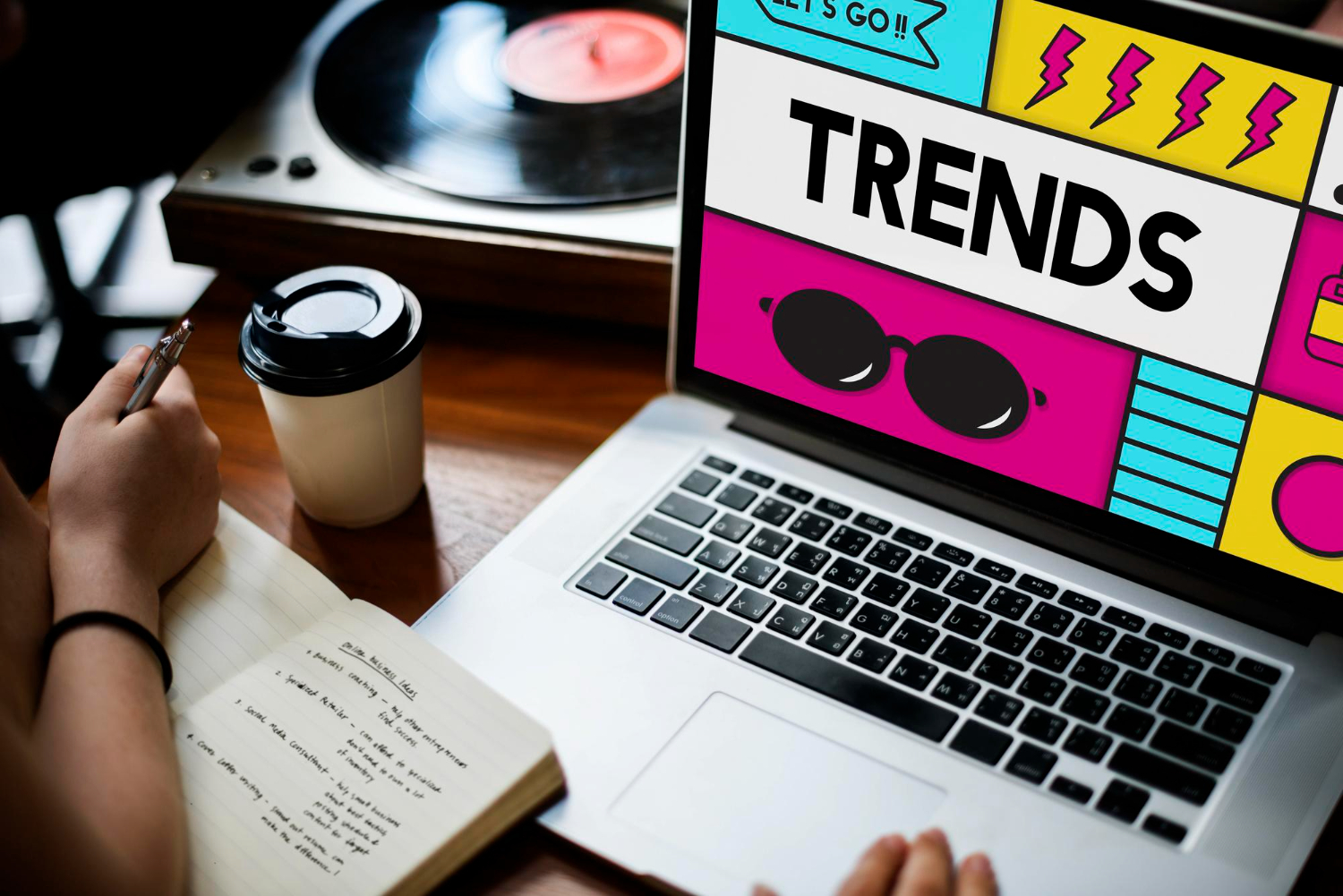
Trendjacking is basically a real-time marketing tactic in which a brand publishes content that builds its connection with a trending topic, meme or event online. There is no long production runway. It works within a few hours to a couple of days before the trend cools off.
This works primarily because the majority of the consumers rely on social media these days to keep up with cultural moments and trends. This makes social feeds the fastest route for a brand to be relevant.
Trendjacking vs. Newsjacking
| Aspect | Trendjacking | Newsjacking |
| Source of the moment | Memes, viral videos, pop culture, social challenges | Breaking news stories, current events |
| Tone | Playful, social, often humour-led | Formal, PR and media-facing |
| Typical channel | Instagram, TikTok, X | Press releases, expert commentary, X |
| Risk profile | Backlash if tone-deaf or forced | Backlash if exploiting tragedy or crisis |
| Example | Duolingo’s owl reacting to a meme | A brand commenting on a policy announcement |
Become an AI-powered Digital Marketing Expert
Master AI-Driven Digital Marketing: Learn Core Skills and Tools to Lead the Industry!
Explore CourseThe Empire State Building Proposal: A Case Study
In July 2026, two rooftoppers climbed to the antenna of the Empire State Building and unfurled a banner about love and peace before an apparent marriage proposal. This is an incident that ended with their arrest on felony charges including reckless endangerment.
Within hours, the viral photos and videos of the stunt had already been reframed by marketing teams around the world. This shows exactly how fast a modern trendjack can move from headline to brand content.
| Brand | How they trendjacked it |
| Canva | Enlarged the couple’s banner and added “Make the sign bigger with Canva,” tying the moment to its design tools |
| Duolingo (Germany) | Reimagined the scene as one of its language-learning lessons, complete with vocabulary prompts |
| Tarte Cosmetics | Replaced the couple with one of its PR mailer boxes, joking that it had left products atop the building |
| Empire State Building (own account) | Recreated the engagement-ring photo and reminded followers they could enjoy the same skyline view safely from the 86th-floor deck |
The act by itself was later explained to be a promotion tactic. But the lesson here is not about the stunt. It is carried away by the reaction time and the excess of things that came around it.
Every brand that trendjacked the moment made sure they shared the spotlight with their own established voice. They did not comment on the legal risk or danger involved. That keeps the content light and without any risk celebrates something genuinely unsafe.
More 2025-2026 Trendjacking Moments Worth Studying
Heinz’s “Ketchup and Seemingly Ranch”
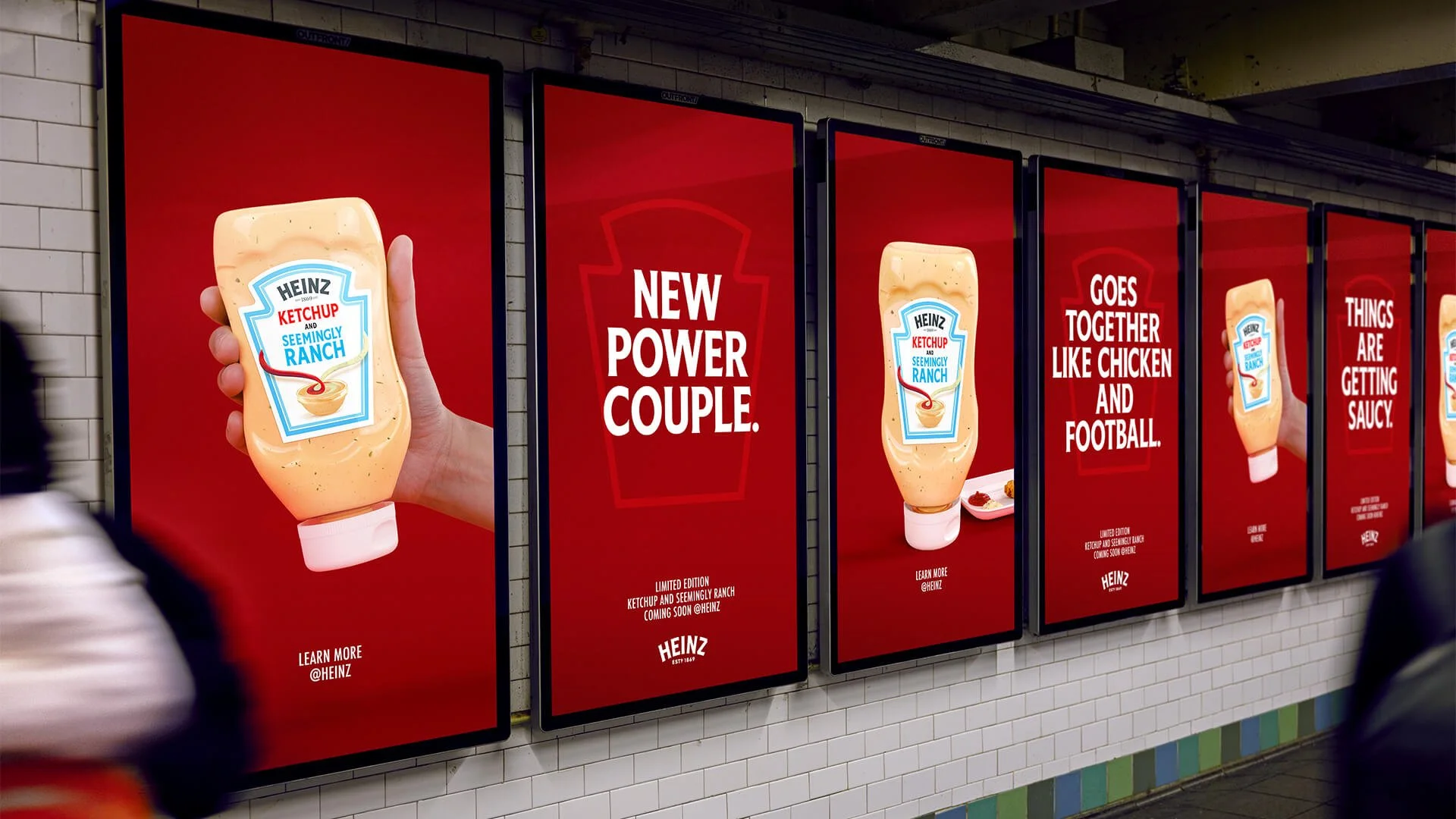
A fan’s tweet about Taylor Swift eating chicken with “ketchup and seemingly ranch” crossed 30 million views. Heinz, the American food processing company rebranded its existing sauce under that exact name within 24 hours. It was complete with custom packaging.
The campaign is reported to have generated 6.1 billion earned impressions. This is the brand’s largest ever. The limited-edition bottles sold out almost immediately before becoming a permanent retail product.
IKEA vs. Balenciaga’s Luxury Tote
Balenciaga, a French luxury fashion house released a leather tote that closely resembled IKEA’s inexpensive Frakta shopping bag. IKEA responded to it to be flattery and with humour, they made an ad on how to spot an “original” Frakta.
Jokingly they listed ways to spot the IKEA one by shaking it to hear a rustle or hosing off the dirt confirmed authenticity. The response went viral for turning a copycat moment into a display of brand confidence. They did not resort to a defensive complaint.
So, it is not just Balenciaga who made the money out of IKEA’s idea, it also worked the other way around. The trendjacking part is owned by IKEA.
The Coldplay “Kiss Cam” Ripple Effect
A viral kiss-cam clip from a Coldplay concert, exposed an executive’s relationship. It quickly became a shared meme format that multiple brands recreated in their own style.
The company at the centre of the scandal later re-entered the conversation with its own polished response video. It extends the life of a story that started as a PR crisis rather than a marketing opportunity.
The way the online space made it a meme worthy content marks the idea of trendjacking without addressing what is in fact a personal matter for those involved.
Amul’s Five-Decade Topical Ad Machine
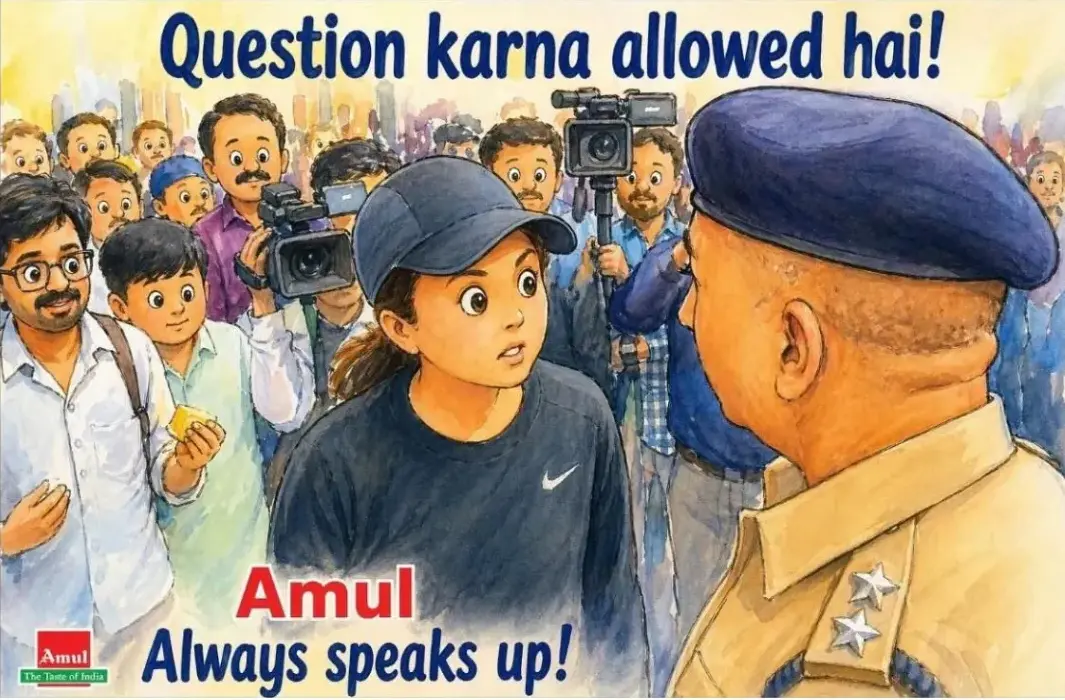
An AI-generated fake Amul poster went viral after a Mumbai citizen confronted a minister over a traffic-snarling rally. It said “Amul. Always speaks up.” Thousands believed it was a genuine Amul ad before the brand clarified it had no involvement. Also, the woman in the poster is wearing a Nike shirt.
The takeaway for marketers is that real-time relevance built over years eventually becomes a brand’s default “voice” in the public’s mind. This is powerful, but also something competitors or bad actors can borrow without permission.
Swiggy’s “Chawal or Chawla” Confusion Bit
Swiggy has built a habit of playing with mishearings and mix-ups in everyday food ordering. It is, in fact, a running theme across its social content.
It turned small linguistic confusion like “chawal” with a name that sounds similar to “chawla” into lighthearted, shareable copy.
It is a good example of a brand trendjacking not a single viral event, but an ongoing cultural quirk of Indians mishearing food names over calls. It is a recurring content format rather than a one-time reaction.
When Trendjacking Backfires
It is crucial to realize that trendjacking is something you need to handle carefully as it is a matter that involves high risk. Not every real-time event or reaction can be taken lightly. The difference falls on the sensitivity factor rather than how fast you do it.
Kenneth Cole, the American fashion house, faced sharp criticism after tying its products to posts about the Egyptian revolution and later the Syrian conflict. This is an example frequently cited as newsjacking that used real human suffering to sell fashion.
Similarly, SpaghettiOs’ tweet marking a Pearl Harbor anniversary and Pepsi’s widely criticised protest-themed commercial are both held up as cautionary tales of brands that mislead the tone of a serious moment.
Become an AI-powered Digital Marketing Expert
Master AI-Driven Digital Marketing: Learn Core Skills and Tools to Lead the Industry!
Explore CourseHow Marketers can Apply this
Trendjacking rewards preparation as much as speed. The brands that win usually have a fast approval process and a clear sense of their own voice ready before a trend even appears.
| Do | Don’t |
| Check if the moment fits your brand’s existing tone and values | Force a joke onto a tragedy, crisis, or sensitive news event |
| Move within the first few hours of a trend gaining traction | Wait for a lengthy approval chain until the moment has cooled |
| Add an original twist instead of copying other brands’ takes | Repeat a format that dozens of other accounts have already used |
| Build a lightweight, pre-approved fast-track process for timely posts | Skip legal or brand-safety review entirely in the name of speed |
Marketers who want to build this skill should focus on
- social listening
- brand-voice consistency
- quick-turnaround content creation
These three abilities repeatedly separate trendjacks that go viral for the right reasons from the ones that don’t.
Kickstart your Dream career with Online Performance Marketing Course in Kerala. Enrol Now
Conclusion
Trendjacking has moved from an occasional PR trick to a genuine marketing skill. The brands winning at it in 2025 and 2026 share the same traits. The speed, restraint, and a clear sense of when to stay quiet marks the actual skill involved.
The Empire State Building stunt, Heinz’s Kranch relaunch, and IKEA’s Frakta joke all prove that a single well-timed, well-judged post can outperform an entire paid campaign. On a different level Amul and Swiggy, through their brand image make the audience stay connected and invested.
The flip side is just as instructive as they show that the same speed that creates viral wins can just as easily create lasting reputational damage if a brand misjudges the moment. For marketers, the real skill to build is not reacting fast, but reacting well.
Frequently Asked Questions
What is trendjacking in marketing?
Trendjacking is when a brand inserts itself into a moment, meme, or trend that is already going viral online. It’s used to gain fast, low-cost visibility by riding the attention a trend already has.
Which brands trendjacked the Empire State Building proposal?
Canva, Duolingo’s German account, Tarte Cosmetics, and the Empire State Building’s own social team were among the brands that responded. Each one reframed the viral image around its own product without commenting on the legal risk involved.
Why did Heinz's "Ketchup and Seemingly Ranch" campaign go viral?
Heinz rebranded an existing sauce to match the exact wording of a fan’s viral tweet within 24 hours. The speed and specificity of the response reportedly earned the brand its highest-ever impressions and an unusually high ROI.
Is trendjacking risky for brands?
Yes, trendjacking carries real reputational risk if the trend involves tragedy, controversy, or sensitive current events. Brands that stick to lighthearted pop-culture moments and match their existing tone generally face far less backlash.
What makes a trendjacking campaign successful?
Successful trendjacks combine speed, an original creative twist, and close alignment with the brand’s existing voice. Campaigns that simply copy what other brands are already doing tend to get less attention and can look opportunistic.
Can small businesses use trendjacking, or is it only for big brands?
Small businesses can trendjack just as effectively as large brands, often with lower risk since they have less visibility to lose. What matters most is a fast, simple approval process rather than a large marketing budget.
How fast should a brand respond to a viral moment?
Most successful trendjacks are published within the first few hours of a moment gaining traction, before the trend peaks and interest fades. Waiting even a day or two often means missing the highest-engagement window entirely.
Does trendjacking work on every social media platform?
Trendjacking tends to perform best on fast-moving, visually driven platforms like X, Instagram, and TikTok, where trends spread quickly. It can still work on other platforms, but the response window is usually shorter there than on more static channels.
What skills do marketers need to trendjack effectively?
Marketers need strong social listening skills, a clear grasp of their brand’s voice, and the ability to create content quickly without long approval delays. Judgment about tone and timing matters just as much as creative execution.
Is trendjacking a long-term marketing strategy or a one-off tactic?
Trendjacking works best as a recurring capability rather than a single campaign, since new viral moments appear constantly. Brands that build a repeatable, fast-response process tend to benefit more consistently than those trying it only once.