Table of Contents
The role of an Influencer Marketing Manager includes planning, executing and measuring creator-led campaigns for brands. They blend marketing strategy, performance analytics and creator relations to get things done.
This has had a shift from a nice social media task to a core marketing function. This is because brands now treat creators as a distribution channel with measurable return on investment. It has gone beyond a one-off publicity stunt.
Join Our Online Next Gen AI Digital Marketing Course & Learn the Fundamentals!
Key Takeaways
- The role involves managing the full campaign lifecycle.
- Salaries – ₹4L to ₹8L (entry), ₹8L to ₹18L (mid), ₹18L to ₹35L+ (senior).
- Portfolio matters more than a degree.
- Needs short-video platform fluency, negotiation, data skills.
- Higher pay in Bengaluru, Mumbai, Delhi NCR.
- Fraud checks, disclosures, contracts are mandatory.
- 2 to 3 case studies beat certificates.
Why this Role Matters Right Now
1: What is the primary goal of SEO (Search Engine Optimization)?
Ad spend has got to be more inclined towards creators as audiences trust a familiar face and take them seriously than a banner. This has marked a drastic expansion of the Indian creators as well through the last 5 years.
Brands now are actively looking for dedicated professionals who can
- Keep up with the crowded market
- Spot authentic fits
- Negotiate fair rates
- Prove the campaign moved the needle
This is exactly what an Influencer Marketing Manager is hired for.
Become an AI-powered Digital Marketing Expert
Master AI-Driven Digital Marketing: Learn Core Skills and Tools to Lead the Industry!
Explore CourseWhat does an Influencer Marketing Manager Actually Do?
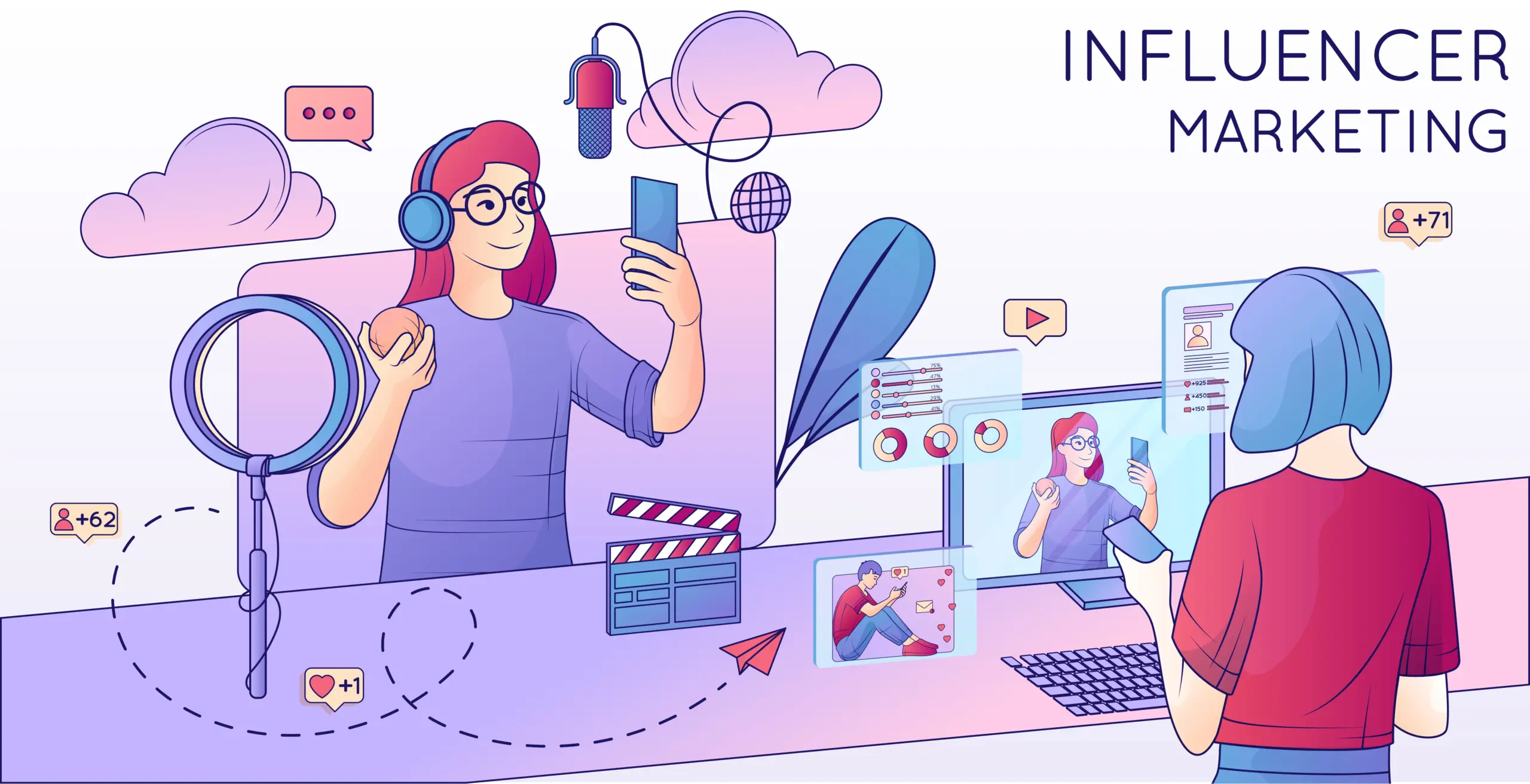
The role sits at the crossroads of where brand strategy meets the world of working with creators. Setting up campaign objectives, briefing the right creators, sorting out who gets to use what, and explaining how it all did or didn’t work to the people in charge.
Core responsibilities:
-
Strategy and planning:
Defining campaign goals (awareness, consideration, or conversion), budget allocation, and platform mix.
-
Creative briefing:
Turning brand objectives into clear creative direction and content deliverables for creators.
-
Creator sourcing and outreach:
Finding creators whose audience genuinely matches the brand, then negotiating fair terms.
-
Contracting and compliance:
Managing usage rights, disclosure requirements, and payment terms.
-
Execution and tracking:
Coordinating deadlines, approvals, and any paid amplification alongside organic reach.
-
Reporting:
Taking those engagement numbers and turning them into real business results and next steps that actually make a difference for the people who care.
-
Relationship management:
Maintaining long-term partnerships with high-performing creators instead of one-off transactions.
What Skills do You Need?
Must-Have Skills
| Skill | Why it Matters |
| Platform expertise | Understanding how content performs differently across Instagram, YouTube, and short-video formats |
| Creator vetting | Spotting fake followers, engagement pods, and audience mismatch before signing a deal |
| Analytics and measurement | Reading engagement rate, CPM/CPV, CTR, and conversion data to judge real campaign impact |
| Contract and compliance knowledge | Ensuring disclosures, usage rights, and payment terms protect both brand and creator |
| Negotiation | Getting fair rates without damaging long-term creator relationships |
Good-to-Have Skills
- Paid media buying
- Basic creative direction
- Community management
- People management
These become valuable as you move into senior or team-lead roles.
Do You Need a Specific Degree or Certification?
There is no single degree that is mandatory for the job. Brands hire for demonstrated results over qualifications. Structured learning still helps you get interview-ready faster.
| Certification | Focus Area | Typical Duration |
| Google Analytics certification | Measurement and attribution | 1–2 weeks |
| Meta Blueprint | Paid social and amplification | 2–6 weeks |
| YouTube Creator Academy | Video strategy and formats | Self-paced |
| Influencer marketing specialisation courses | Creator partnerships and contracts | 4–8 weeks |
You can pair any of these with a hands-on internship or a self-run micro-campaign. This can be even for a local business or personal brand. It gives you a case study to talk about in interviews. This matters more than the certificate itself.
Become an AI-powered Digital Marketing Expert
Master AI-Driven Digital Marketing: Learn Core Skills and Tools to Lead the Industry!
Explore CourseHow Much does an Influencer Marketing Manager Earn in India?

Compensation depends heavily on experience, company type, and city. Metros command a clear premium.
| Experience Level | Typical Annual Salary (India) | Core Responsibilities |
| Entry (0–2 years) | ₹4–8 LPA | Creator outreach, campaign coordination, basic reporting |
| Mid-level (2–6 years) | ₹8–18 LPA | Campaign strategy, contract negotiation, budget ownership |
| Senior / Team Lead (7+ years) | ₹18–35+ LPA | Multi-brand strategy, ROI accountability, mentoring |
A lot of the time start-ups will offer you a bit less up front but a bunch of potential for extra pay if things go really well.
Career Path: From Coordinator to Agency Lead
- Influencer Marketing Coordinator/Executive (0–2 yrs): In this role you’ve got day to day stuff and creator communication to handle.
- Manager/Senior Manager (2–6 yrs): This is where you get to come up with a campaign strategy all by yourself.
- Head of Influencer Marketing (6–10 yrs): In this role, you will have to lead multi-brand or multi-category strategy.
- Director/VP or Agency Lead (10+ yrs): This role involves owning P&L, client relationships, and team growth.
Keep in mind that your career progression isn’t going to be a totally straight line. Many people bounce back from agency to brand and vice-versa, because each one teaches you a different set of skills.
So think about the depth of experience you want to get on the brand side versus the breadth of experience you get from working on multiple brands on the agency side.
What Tools Should You Learn?
- A working knowledge of creator-discovery platforms
- A project tracker (like Asana or Trello)
- Native platform analytics
- Basic digital-contract tools
When you’re interviewing, being able to talk about how you track performance with spreadsheets and being familiar with UTM tracking is a lot more useful than being familiar with every tool out there.
What interviewers care about is that you can show them that you actually made something work.
How do you Build a Hire-Ready Portfolio?
What recruiters really want is to see proof of actual results, not just a list of all the different platforms you’ve used. A strong portfolio includes
- The objective of the campaign and why you chose to work with those particular creators
- The creative brief and any approved samples of the content
- Numbers – like reach, engagement rate, clicks, and conversions
- A breakdown of what didn’t work and what you changed as a result
As long as you document the thinking behind it and the results, even a tiny little campaign you did on the side counts. It doesn’t have to be a huge project – even something for a personal cause, a friend’s small business, or a mock-up with your own ideas is fine.
What does the Hiring Process Typically Look Like?

Typically it is a screening call, a take home case study, and then some interviews with the person doing the hiring or their team. A common prompt:
“Design a 3-month creator campaign for a consumer product with a fixed budget.”
Interviewers usually probe how you
- choose creators
- measure success beyond likes and comments
- have handled an underperforming campaign
Common Challenges in the Role & How to Handle them
- Creator fraud: Run authenticity checks before committing a budget.
- Misaligned expectations: Lock deliverables and approval rounds in the brief upfront.
- Measurement gaps: Set up tracking and KPIs before you even launch something, not after.
- Contract disputes: Get in the habit of putting down everything in writing – like what gets used for, any necessary disclosures, and payment milestones.
A 90-Day Roadmap to Break into the Role
Weeks 1 to 4:
Complete one measurement-focused certification like Google Analytics. Also go with one platform-focused certification like Meta Blueprint. Try to run a small mock campaign to generate a case study.
Month 2:
You can offer to run a paid or unpaid micro-campaign for a small business or personal project. Then document the results honestly. Also include what underperformed, if any.
Month 3:
It is time to apply for coordinator or executive-level roles with a two-page portfolio. This can be built around your case study. Also prepare for a take-home case-study interview.
Kickstart your Dream career with Online Performance Marketing Course in Kerala. Enrol Now
Conclusion
Becoming an Influencer Marketing Manager in India does not require you to hold a specific degree. It is about having proof that you can plan a campaign.
Be cautious enough to choose the right creators, and show measurable results. With the industry’s steady growth and brands formalising creator budgets, demand for professionals is going up.
You just need to have skills to combine strategy with data literacy. Start small, and make it a priority to document everything. Let your case studies do the rest for a strong and promising career path.
Frequently Asked Questions
Do I need a marketing degree to become an Influencer Marketing Manager?
No single degree is required. Most hiring managers prioritise a portfolio of real campaign results. Certifications and hands-on case studies matter more than formal qualifications.
Which city pays the highest salary for this role?
Bengaluru, Mumbai, and Delhi NCR generally offer the highest salaries due to a higher concentration of agencies and larger brand ad budgets. Tier-2 cities pay less but often come with a better cost-of-living balance.
What skills matter most for this job?
Platform expertise, creator vetting, negotiation, and data-driven measurement are the core must-have skills. Contract and compliance knowledge is increasingly important as regulations around disclosures tighten.
Which platforms should I focus on learning first?
Instagram Reels and YouTube Shorts currently drive the most brand campaign activity in India. The right platform ultimately depends on where your target brand’s audience spends time.
What is a typical hiring process for this role?
Most processes include a screening call, a take-home case study, and interviews with the hiring manager or stakeholders. Case studies often ask you to design a mock campaign with a defined budget and KPIs.
How do I avoid influencer fraud when selecting creators?
Check for authentic engagement patterns and request historical campaign performance before committing a budget. Avoid influencers whose engagement doesn’t match their follower count.
What's the difference between working in-house versus at an agency?
In-house roles offer deep focus on one brand, while agency roles expose you to multiple brands and categories at once.
What tools should I learn as a beginner?
Start with basic analytics, spreadsheet-based reporting, and a project management tool like Asana or Trello. UTM tracking knowledge is especially valuable in interviews.
How important are contracts and legal compliance in this role?
Very important. Contracts protect both the brand and the creator on usage rights, payment terms, and disclosure requirements. Recruiters increasingly expect candidates to understand basic compliance practices.
What is the fastest way to move from entry-level to a manager role?
Take ownership of full campaigns as early as possible, even small ones, and build a track record of measurable outcomes. Strong negotiation skills and a clear reporting habit tend to accelerate promotions faster than tenure alone.