Table of Contents
Cool-down exercises are important after every workout session. Many beginners often skip cool-down routines regularly. However, proper cool-down exercises support better body recovery gradually. These exercises also reduce body stiffness and discomfort daily. Simple stretching movements improve flexibility and body relaxation naturally.
Cool-down routines help the body return to normal gradually. They also improve recovery and reduce workout strain regularly. Proper cool-down habits support safer and healthier fitness routines long-term.
Become a General Fitness Trainer and turn your passion into a Profession!
Key Takeaways:
- Cool-down exercises support body recovery gradually.
- Stretching reduces body stiffness after workouts.
- Proper cool-down routines improve flexibility naturally.
- Slow movements help relax the body safely.
- Cool-down exercises reduce muscle discomfort regularly.
- Stretching improves body movement and posture.
- Simple recovery habits support long-term fitness.
What Are Cool-Down Exercises?
Cool-down exercises are slow movements after workout sessions regularly. These exercises help the body relax gradually after activity. Cool-down routines reduce workout intensity slowly and safely. They also support smoother body recovery after training sessions.
Most cool-down routines include stretching and slow walking exercises. Deep breathing movements are also included regularly. Simple recovery exercises improve body comfort and flexibility gradually. Beginners should follow cool-down routines after every workout session.
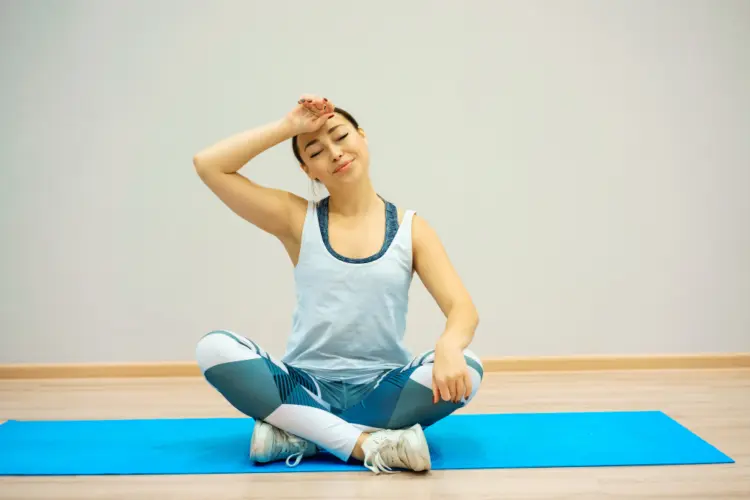
🧘 Main Purpose of Cool-Down Exercises
Cool-down exercises help the body recover gradually after workouts.
Main Functions of Cool-Down Exercises
- Slow body movements gradually.
- Support smoother recovery naturally.
- Relax muscles after exercise sessions.
- Reduce body tightness gradually.
- Help control breathing patterns.
- Improve body calmness regularly.
- Reduce workout intensity safely.
- Improve workout comfort levels.
🚶 Common Cool-Down Activities
Most cool-down routines use simple recovery movements regularly.
Popular Cool-Down Exercises
- Slow walking.
- Helps lower heart rate gradually.
- Shoulder stretches.
- Relax upper body muscles slowly.
- Hamstring stretches.
- Improve leg flexibility gradually.
- Neck rolls.
- Reduce neck stiffness naturally.
- Deep breathing exercises.
- Improve body relaxation levels.
- Side stretches.
- Improve body movement comfort.
⏰ Duration of Cool-Down Routines
Cool-down routines should feel comfortable and manageable regularly.
Important Timing Guidelines
- Most routines last several minutes.
- Support proper body recovery gradually.
- Slow movements work best initially.
- Improve body relaxation naturally.
- Stretching should feel comfortable.
- Reduce unnecessary body strain.
- Recovery should remain controlled.
- Support smoother body balance.
💪 Body Areas Involved During Cool-Downs
Different body muscles relax during cool-down routines regularly.
Commonly Relaxed Body Areas
- Leg muscles.
- Reduce body stiffness gradually.
- Arm and shoulder muscles.
- Improve upper body comfort.
- Core muscles.
- Support body balance naturally.
- Neck and back muscles.
- Improve body relaxation gradually.
- Hip muscles.
- Support smoother body movement.
🌟 Features of Effective Cool-Down Exercises
Good cool-down routines focus on controlled body movement.
Features of Proper Cool-Down Routines
- Use slow body movements.
- Improve body comfort gradually.
- Include stretching exercises regularly.
- Improve flexibility naturally.
- Support steady breathing patterns.
- Reduce body stress levels.
- Avoid sudden body movements.
- Improve workout safety gradually.
📋 Common Cool-Down Exercise Table
| Cool-Down Exercise | Main Purpose |
|---|---|
| Slow Walking | Reduce workout intensity |
| Shoulder Stretch | Relax upper body muscles |
| Hamstring Stretch | Improve leg flexibility |
| Neck Rolls | Reduce neck tightness |
| Deep Breathing | Improve relaxation gradually |
🧠 Importance of Controlled Breathing
Breathing control supports body relaxation after workouts regularly.
Benefits of Controlled Breathing
- Improve body calmness gradually.
- Reduce workout stress naturally.
- Support steady heart rate levels.
- Improve recovery comfort gradually.
- Improve focus and relaxation.
- Support smoother recovery naturally.
- Help the body relax properly.
- Improve overall recovery quality.
⚡ Quick Recovery Tip
Cool-down routines should feel slow and comfortable. Controlled movements improve recovery and body relaxation gradually.
Benefits of Cooling Down After Workouts
Cool-down exercises support body recovery after workout sessions regularly. These exercises help the body relax gradually after activity. Proper cool-down routines also improve flexibility and movement comfort naturally. Simple recovery habits support healthier workout routines long-term.
Many beginners ignore cool-down exercises after workouts regularly. However, proper recovery improves workout comfort and body balance gradually. Cool-down routines also reduce body stiffness and tiredness naturally.
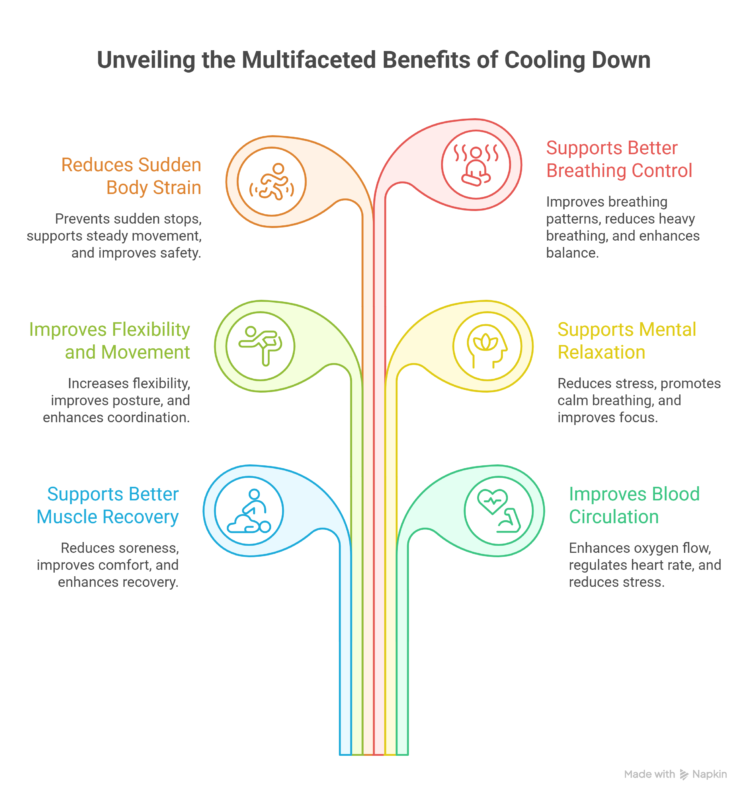
💪 Supports Better Muscle Recovery
Cool-down exercises help muscles relax after workouts regularly.
Recovery Benefits
- Reduce body soreness gradually.
- Improve workout comfort naturally.
- Relax tight muscles slowly.
- Support smoother body movement.
- Improve muscle recovery quality.
- Support regular workout consistency.
- Reduce workout strain gradually.
- Improve body relaxation naturally.
- Support comfortable body movement.
- Reduce muscle discomfort levels.
❤️ Improves Blood Circulation
Slow movements support healthy circulation after workouts regularly.
Circulation Benefits
- Improve oxygen flow gradually.
- Support smoother body recovery.
- Help regulate heart rate slowly.
- Improve workout recovery comfort.
- Reduce sudden body stress.
- Support safer recovery naturally.
- Improve body relaxation levels.
- Support healthier recovery routines.
- Support better blood movement.
- Improve recovery comfort gradually.
🌟 Improves Flexibility and Movement
Stretching improves body flexibility after exercise sessions regularly.
Flexibility Benefits
- Reduce body stiffness gradually.
- Improve movement comfort naturally.
- Improve body flexibility slowly.
- Support smoother body movement.
- Support better posture habits.
- Improve body balance gradually.
- Help muscles relax properly.
- Improve recovery quality naturally.
- Improve movement coordination gradually.
- Support better body control.
🧘 Supports Mental Relaxation
Cool-down exercises also improve body calmness gradually.
Mental Relaxation Benefits
- Reduce workout stress levels.
- Improve body comfort naturally.
- Support calm breathing patterns.
- Improve relaxation gradually.
- Improve focus after workouts.
- Support better recovery habits.
- Help the body feel refreshed.
- Improve workout experience regularly.
- Support mental calmness naturally.
- Improve overall workout recovery.
⚡ Reduces Sudden Body Strain
Slow recovery movements reduce body strain after workouts.
Safety Benefits
- Prevent sudden workout stops.
- Improve recovery comfort gradually.
- Support steady body movement.
- Reduce body discomfort naturally.
- Improve workout safety regularly.
- Support healthier fitness habits.
- Reduce excessive muscle tightness.
- Improve body balance gradually.
- Support smoother recovery sessions.
- Improve body comfort levels.
🌬️ Supports Better Breathing Control
Controlled breathing improves body recovery after workouts regularly.
Breathing Benefits
- Improve breathing patterns gradually.
- Support body relaxation naturally.
- Reduce heavy breathing slowly.
- Improve workout recovery comfort.
- Support calm body movement.
- Improve recovery quality gradually.
- Improve overall body balance.
- Support smoother recovery naturally.
📋 Cool-Down Benefits Table
| Cool-Down Benefit | Main Advantage |
|---|---|
| Muscle Recovery | Reduces body soreness |
| Better Circulation | Supports smoother recovery |
| Improved Flexibility | Reduces body stiffness |
| Mental Relaxation | Improves body calmness |
| Reduced Body Strain | Supports workout safety |
| Controlled Breathing | Supports body relaxation |
⚡ Simple Recovery Tip
Cool-down exercises should remain slow and controlled. Regular recovery habits improve long-term workout comfort greatly.
Become a General Fitness Trainer and turn your passion into a Profession!
Turn Your Passion for Fitness into a Profession
Learn practical skills, get certified, and step into the growing fitness industry with confidence.
Join the CourseSimple Cool-Down Routine
A simple cool-down routine helps the body relax gradually. Recovery exercises should feel slow and comfortable regularly. Controlled movements improve flexibility and body comfort naturally. Beginners should follow simple recovery routines after workouts daily.
Cool-down routines usually include stretching and slow movements. Deep breathing exercises also improve body relaxation gradually. Simple recovery sessions support healthier workout habits long-term.
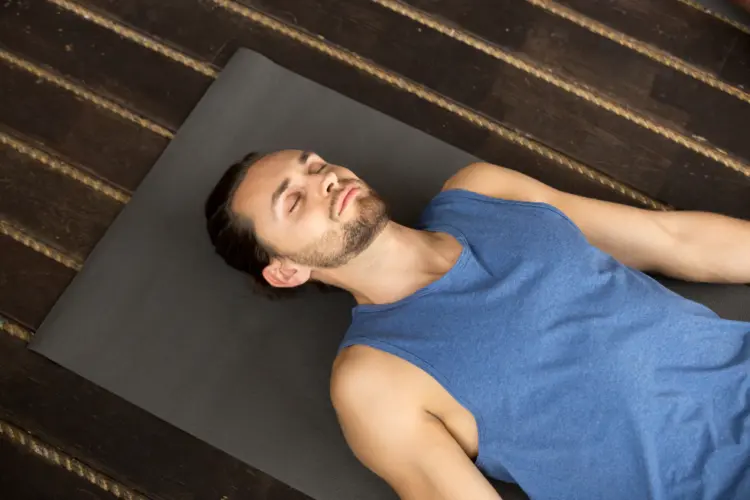
📅 Beginner Cool-Down Routine Schedule
| Exercise | Duration | Main Purpose |
|---|---|---|
| Slow Walking | 2 Minutes | Lower Heart Rate |
| Shoulder Stretch | 30 Seconds | Relax Upper Body |
| Hamstring Stretch | 30 Seconds | Improve Leg Flexibility |
| Neck Rolls | 30 Seconds | Reduce Neck Tightness |
| Side Stretch | 30 Seconds | Improve Body Flexibility |
| Deep Breathing | 1 Minute | Improve Relaxation |
🚶 Slow Walking Routine
Slow walking helps the body relax after workouts regularly.
Benefits of Slow Walking
- Lower heart rate gradually.
- Support smoother body recovery.
- Reduce sudden body strain.
- Improve workout comfort naturally.
- Relax body movements slowly.
- Support recovery quality gradually.
- Improve breathing control naturally.
- Reduce workout stress levels.
💪 Shoulder Stretch Routine
Shoulder stretches relax upper body muscles gradually.
Shoulder Stretch Steps
- Stand comfortably during stretching.
- Improve body balance naturally.
- Stretch arms slowly across chest.
- Relax shoulder muscles gradually.
- Hold stretches comfortably.
- Improve flexibility levels slowly.
- Avoid sudden movements regularly.
- Reduce body strain naturally.
🦵 Hamstring Stretch Routine
Hamstring stretches improve lower body flexibility gradually.
Hamstring Stretch Steps
- Sit comfortably on the floor.
- Maintain relaxed body posture.
- Stretch legs slowly forward.
- Improve leg flexibility gradually.
- Reach gently toward feet.
- Support smoother body movement.
- Hold stretches carefully.
- Reduce muscle tightness naturally.
🔄 Neck Roll Routine
Neck rolls reduce upper body stiffness gradually.
Neck Roll Steps
- Keep body posture relaxed.
- Improve stretching comfort naturally.
- Move neck slowly sideways.
- Relax neck muscles gradually.
- Perform smooth circular movements.
- Improve neck flexibility levels.
- Avoid fast neck movement.
- Reduce body discomfort naturally.
🌟 Side Stretch Routine
Side stretches improve overall body flexibility gradually.
Side Stretch Steps
- Stand with balanced posture.
- Support stable body movement.
- Raise one arm slowly upward.
- Improve upper body flexibility.
- Bend body gently sideways.
- Stretch side body muscles gradually.
- Repeat stretches both sides.
- Improve body balance naturally.
🌬️ Deep Breathing Routine
Deep breathing supports body calmness after workouts regularly.
Deep Breathing Steps
- Sit comfortably during breathing exercises.
- Support body relaxation gradually.
- Inhale slowly through the nose.
- Improve breathing control naturally.
- Exhale slowly and comfortably.
- Reduce body stress levels gradually.
- Repeat breathing several times.
- Improve overall body calmness.
📋 Simple Recovery Routine Table
| Recovery Exercise | Main Benefit |
|---|---|
| Slow Walking | Supports smoother recovery |
| Shoulder Stretch | Relaxes upper body muscles |
| Hamstring Stretch | Improves leg flexibility |
| Neck Rolls | Reduces neck stiffness |
| Side Stretch | Improves body flexibility |
| Deep Breathing | Supports body relaxation |
⚡ Simple Recovery Tip
Cool-down routines should feel slow and comfortable. Controlled recovery movements improve flexibility and relaxation gradually.
Stretching Techniques Explained
Stretching improves flexibility and body movement gradually. Proper stretching also supports smoother workout recovery regularly. Controlled movements reduce body strain during stretching sessions. Beginners should follow slow and comfortable stretching techniques daily.
Different stretching techniques support different body movements regularly. Some stretches improve flexibility slowly. Other stretches improve body movement and coordination gradually.
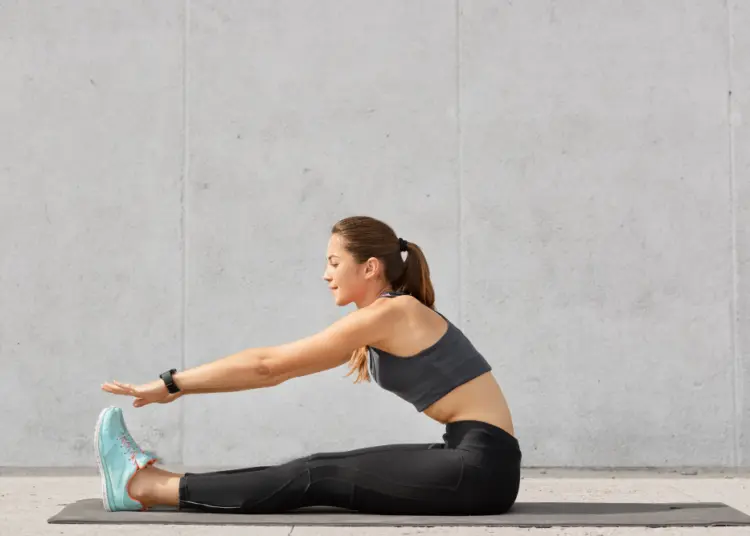
🧘 Static Stretching
Static stretching uses slow and steady body positions.
Features of Static Stretching
- Hold stretches for several seconds.
- Improve flexibility gradually.
- Relax muscles slowly after workouts.
- Reduce body stiffness naturally.
- Improve body comfort levels.
- Support smoother body movement.
- Use controlled stretching positions.
- Improve workout recovery gradually.
Common Static Stretches
- Hamstring stretches.
- Improve leg flexibility naturally.
- Shoulder stretches.
- Relax upper body muscles.
- Side stretches.
- Improve body movement gradually.
🔄 Dynamic Stretching
Dynamic stretching uses slow and controlled body movement.
Features of Dynamic Stretching
- Include gentle body movements.
- Improve movement coordination gradually.
- Keep muscles active regularly.
- Support smoother body movement.
- Improve flexibility naturally.
- Reduce body tightness gradually.
- Support better body balance.
- Improve movement comfort regularly.
Common Dynamic Stretches
- Arm circles.
- Improve shoulder movement gradually.
- Leg swings.
- Improve lower body flexibility.
- Torso twists.
- Support body coordination naturally.
⚠️ Important Stretching Tips
Safe stretching improves flexibility and body comfort gradually.
Stretching Safety Tips
- Stretch slowly and comfortably.
- Reduce body strain naturally.
- Avoid sudden stretching movements.
- Improve workout safety regularly.
- Maintain steady breathing patterns.
- Support body relaxation gradually.
- Stop stretching during discomfort.
- Prevent unnecessary body strain.
⚡ Simple Stretching Tip
Stretching should feel smooth and controlled regularly. Consistent stretching improves flexibility and movement comfort gradually.
Common Mistakes to Avoid
Many beginners make simple recovery mistakes after workouts regularly. Poor cool-down habits can increase body discomfort gradually. Proper recovery routines improve body comfort and flexibility naturally.
❌ Skipping Cool-Down Exercises
Many beginners stop workouts suddenly after exercise sessions.
Problems Caused by Skipping Cool-Downs
- Increase body stiffness gradually.
- Reduce movement comfort naturally.
- Affect muscle recovery quality.
- Increase body soreness regularly.
- Raise body discomfort levels.
- Affect workout recovery gradually.
🚫 Stretching Too Quickly
Fast stretching movements can strain muscles regularly.
Problems With Fast Stretching
- Increase body tightness gradually.
- Reduce stretching comfort naturally.
- Affect flexibility improvement levels.
- Reduce recovery quality gradually.
- Raise body strain risks.
- Affect smoother body movement.
💧 Ignoring Hydration After Workouts
Hydration supports proper body recovery regularly.
Problems With Poor Hydration
- Increase body tiredness gradually.
- Reduce recovery comfort naturally.
- Affect body balance regularly.
- Reduce workout recovery quality.
- Increase dehydration risks gradually.
- Affect overall body function.
⚡ Simple Recovery Tip
Recovery routines should feel slow and comfortable. Proper cool-down habits improve body recovery gradually.
Turn Your Passion for Fitness into a Profession
Learn practical skills, get certified, and step into the growing fitness industry with confidence.
Join the CourseConclusion
Cool-down exercises are important after workout sessions regularly. Simple recovery movements improve flexibility and body comfort gradually. Proper stretching also supports smoother recovery and relaxation daily. Small recovery habits improve healthier workout routines long-term.
Beginners should follow slow and controlled cool-down routines regularly. Proper recovery supports safer and more comfortable workouts daily. Stretching and hydration also improve body balance naturally. Consistent recovery habits support better long-term fitness results.
Turn Your Passion for Fitness into a Profession
Learn practical skills, get certified, and step into the growing fitness industry with confidence.
Join the CourseFrequently Asked Questions
What are cool-down exercises?
Cool-down exercises are slow movements performed after workout sessions. These exercises help the body relax and recover gradually after physical activity.
Why are cool-down exercises important after workouts?
Cool-down exercises support smoother body recovery and relaxation regularly. They also reduce body stiffness and improve flexibility gradually.
How long should cool-down routines last?
Most cool-down routines last around five to ten minutes. Short recovery sessions still improve body comfort and recovery quality gradually.
What exercises are included during cool-down routines?
Cool-down routines usually include stretching, slow walking, and breathing exercises. These movements help relax muscles and improve body comfort naturally.
Can beginners skip cool-down exercises?
Skipping cool-down exercises is not recommended regularly. Proper recovery habits support safer and more comfortable workout experiences.
What is static stretching?
Static stretching uses slow and steady stretching positions regularly. These stretches improve flexibility and reduce body tightness gradually.
What is dynamic stretching?
Dynamic stretching includes slow and controlled body movements regularly. These stretches improve movement coordination and body flexibility gradually.
Why is hydration important after workouts?
Hydration supports proper body recovery and energy balance regularly. Drinking enough water also improves body comfort after workouts naturally.
What mistakes should beginners avoid during cool-downs?
Beginners should avoid skipping recovery exercises and stretching too quickly. Poor recovery habits can increase body discomfort and stiffness gradually.
Can cool-down exercises improve flexibility?
Yes. Regular stretching improves body flexibility and movement comfort gradually. Consistent cool-down routines also support better body balance naturally.