Table of Contents
Germany has become one of the most popular destinations for students from other countries, drawing in thousands of students each year due to its low or even nonexistent tuition prices, universities that are recognized all over the world, and robust career chances following graduation. Cities such as Berlin, Munich, and Hamburg provide the ideal combination of highly regarded educational opportunities with an active student life.
Why choosing the right city matters?
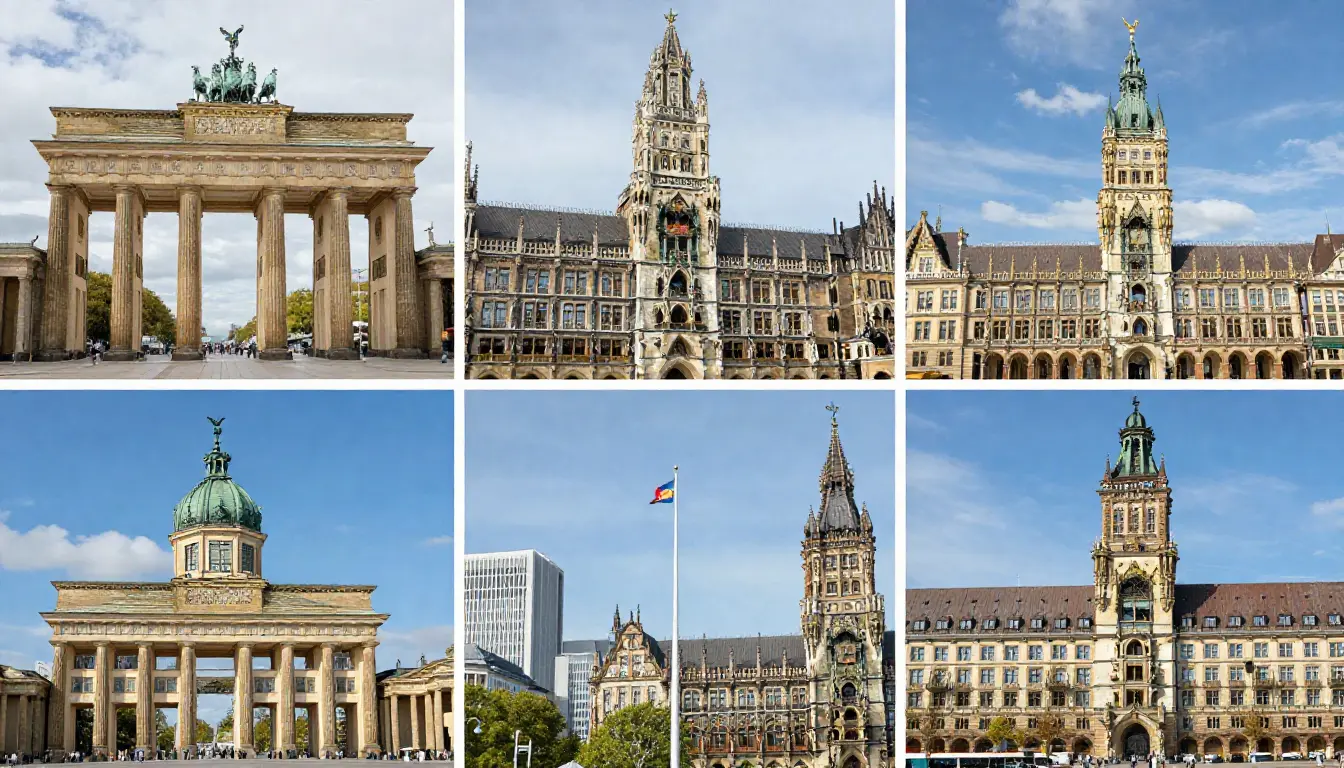
Berlin
Overview:
International students like Berlin for studying abroad. The city’s many neighborhoods and rich culture explain this. Students can have busy lives, great schools, and many business prospects. The city’s real estate rivals Munich’s yet is cheaper.
Cost of Living:
Each month, the cost of living ranges from €900 to €1,300 (rent, food, transport, and insurance).
Why Students Choose This City
- Two of Berlin’s top universities are Free and Humboldt.
- Strong new business ecosystem with many internships
- A diversified, international student body
Pros:
- Exceptional student life and culture in campus atmosphere
- There are a great deal of chances for part-time work.
- An alternative to Munich that is more realistic
Cons:
- There is a significant demand for sleeping quarters among students.
- It is not impossible for the bureaucracy to move glacially.
Best For: International students, startups, arts, social sciences, and tech fields
|
German A2 Exercises – Download Free PDF |
||
Hamburg
Overview:
Hamburg is a German port city with good quality of life, peace, and modern infrastructure. Hamburg port matters. Educational, cultural, and employment opportunities arise. This area provides pupils peace and variety.
Cost of Living:
Monthly costs range from €900 to €1,200 (this includes rent, food, transport, and insurance).
Why Students Choose This City
- High-quality universities like Hamburg University
- Unique media, logistics, and international trade opportunities
- City environment that is safe, clean, and organised
Pros:
- Excellent standard of living
- Maintaining a healthy equilibrium between studies and pleasure
- The cultural scene is robust.
Cons:
- The cost of rent in central regions can be quite high.
- When compared to larger cities such as Berlin, there are less universities.
Best For: Business, logistics, media studies, and students seeking a balanced lifestyle
Frankfurt
Overview:
Financial capital Frankfurt has a contemporary skyline and global corporate links. Also renowned for strong German economic ties. Banking, finance, and international commerce provide various career prospects. Along with the city’s fast-paced job climate, students enjoy several good educational opportunities.
Cost of Living:
On a monthly basis, the rent, food, transport and insurance costs range from 1,000 to 1,400 euros.
Why Students Choose This City
- Goethe University Vienna offers excellent academic options.
- A major worldwide banking, financial, and trade hub
- Excellent internship and career chances with global firms.
Pros:
- Opportunities that have great promise for a career
- Environmental conditions for conducting business on a global scale
- The availability of transport and connection
Cons:
- Expensive living costs
- A lively but very fast-moving lifestyle
Best For: Finance, business, economics, and career-focused students
Stuttgart
Overview:
Germany’s Stuttgart is a major technical and automotive hub. Stuttgart’s auto industry is famous. Innovative research is recognised in a modern context. City technical students have several educational and professional options.
Cost of Living:
On a monthly basis, the rent, food, transport, and insurance costs range from 1,000 to 1,400 euros.
Why Students Choose This City
- This region has respected universities like Stuttgart.
- Partnerships with Porsche and Mercedes-Benz
- Engineering and research offers promising opportunities.
Pros:
- Industry relationships that are strong
- Internships that are of superior quality
- Education of the highest class
Cons:
- Expensive living costs
- Less entertainment than bigger cities
Best For: Engineering, automotive studies, and research-focused students
Cologne
Overview:
Cologne is known for its nice people, rich culture, and diverse student body. Cologne students are noted for diversity. This institution offers tough academics and a bustling social life. Students can use both. Creative and media industries made the city famous.
Cost of Living:
Monthly costs range from €900 to €1,200 (this includes rent, food, transport, and insurance).
Why Students Choose This City
- It is the home to the University of Cologne.
- Programs that are particularly strong in the arts, social sciences, and media
- Culture and activities that are vibrant among students
Pros:
- A city that is welcoming and centred on students
- Societal and cultural life that is active
- Reliable public transport
Cons:
- At times of high demand, it may feel crowded.
- Rents range from moderate to high in central locations
Best For: Media studies, arts, social sciences, and students who enjoy active city life
Leipzig
Overview:
Leipzig is an affordable and growing German student city with lots of culture and art. Its serene, inviting atmosphere makes living and studying easy for students. Every year, more overseas students choose it.
Cost of Living:
The cost of living includes rent, food, transit, and insurance, and it ranges from 700 to 1,000 euros per month.
Why Students Choose This City
- Home to the University of Leipzig’s
- Comparatively inexpensive in comparison to other cities in Germany
- Opportunities are expanding in the fields of research, culture, and the arts
Pros:
- Inexpensive cost of living
- Quieter and less crowded than before
- Student welcoming atmosphere
Cons:
- Fewer employment opportunities than those in large cities
- An international community that is more limited
Best For: Budget students, humanities, arts, and research-focused studies
Aachen
Overview:
The German student city of Aachen is tiny and peaceful, known for engineering and technology. Due to its great studying atmosphere, many international students live there. This city borders Belgium and the Netherlands.
Cost of Living:
A monthly cost of living that ranges from 800 to 1,100 euros (including rent, food, transit and insurance)
Why Students Choose This City
- Home to RWTH Aachen University, one of Europe’s top engineering universities
- Strong research and technical education programs
- More affordable than major German cities
Pros:
- Superior standing in the field of engineering
- Affordability of living expenses
- An atmosphere that is calm and welcoming to students
Cons:
- Nightlife and entertainment options are limited.
- Contrary to other cities, this one is small.
Best For: Engineering, research, and students who prefer a quiet and focused study life
Learn German from the best mentors in the field! Join the Entri online course!
Affordable Cities in Germany for Students
When compared to big cities, cities such as Leipzig and Aachen are among the most cost-effective possibilities for students in Germany. This is mostly due to the fact that rent is lower and everyday costs are lower in these cities.
Difference Between Rent and Expenses
In Leipzig:
- Monthly rent for a shared flat is approximately €250–€400.
- Nearly €700–€900 is the total expense every month.
- Compared to the prices in major cities, apartments with one bedroom can range anywhere from 400 to 600 euros.
In Aachen:
- Room rent is approximately €350–€450 per month.
- Total expense per month ranges from €850 to €950.
Best Cities Based on Student Needs
Your ideal city depends on affordability, jobs, and lifestyle. An easy explanation:
Berlin
Berlin’s diverse student population, English-friendly climate, and thriving cultural scene make it one of Germany’s most cosmopolitan capitals. International students like its openness and startup culture.
Frankfurt and Munich
Munich offers engineering, IT, and global corporate roles, whereas Frankfurt is a financial center with banking and commercial opportunities. These places offer multiple professional development and networking opportunities.
Leipzig and Aachen
Leipzig is one of the world’s cheapest cities, costing 700–900 euros a month. Aachen is expensive but affordable and offers a wonderful education.
Berlin and Cologne
Berlin festivals, culture, and nightlife are famous. However, Cologne is famed for its hospitality, student groups, and social life. Students can enjoy exciting experiences in both locations.
|
Goethe 2026 Exam Dates: Multiple Test Centers |
|
| Trivandrum Goethe Exam Dates | Kochi Goethe Exam Dates |
| Chennai Goethe Exam Dates | Coimbatore Goethe Exam Dates |
Free German A1 Mock Tests – Powered by AI!
Test your skills on our interactive platform. Get instant feedback from our AI to help you communicate better and track your progress. Start your free German mock test now.
Test Your German A1 for FreeCost of Living
Before choosing a city, you must know your monthly expenses. Simple breakdown of main expenses:
Room rent:
- Shared apartments and student dorms cost €300–€700 per month. Over 800 Euros in large cities like Munich or Frankfurt
- Rent is the biggest cost for students.
Food & Groceries
- Home-cooked dinners cost 150–250 Euros per month.
- Dining out frequently may increase expenses.
- 40–$80 per month for travel (students often get discounts).
- In many places, semester tickets include transit, making them cheaper.
The Health Insurance
- Each student must pay 110–125 euros per month.
Monthly Expense
- The typical monthly cost is €850–€1,200.
- Budget cities cost 700–900 euros.
- Pricey cities: over 1,200 euros
Tips to Choose the Right City
Choosing the proper place will make college easier and more fun. Here are some tips:
Based on Your Course
To become an engineer, go to Stuttgart or Munich. Visit Berlin to study arts, social studies, or technology.
Based on Your Budget
Low-income people should visit Leipzig or Aachen. Frankfurt and Munich are options for wealthy folks.
Language Preference (English vs German)
Berlin and Hamburg are more multinational and offer more English classes. You may want to go there to study English. In smaller towns, you may need basic German for daily life.
Based on your career perspectives
Look for cities with strong job markets in your desired area. Berlin is recognized for startups and creativity. Munich is recognized for engineering and technology; Frankfurt, for banks.
Learn German language in your own language! Get free Demo Classes Here!
Conclusion
Students in Germany have access to a wide range of wonderful places to study, and students can choose from among these places. These towns range from high-end centers like Munich and Frankfurt, which offer great job opportunities, to stimulating and diverse possibilities like Berlin and Cologne, which offer student life. Munich and Frankfurt are two examples of these cities. It is possible for individuals who are on a limited budget to find that locations such as Leipzig and Aachen give a respectable standard of living without compromising the quality of education that they provide.
Your ideal city depends on your goals, affordability, course selection, and career plans. To maximize your study experience in Germany, analyze your alternatives and choose a city that fits your lifestyle and goals.
Free German A1 Mock Tests – Powered by AI!
Test your skills on our interactive platform. Get instant feedback from our AI to help you communicate better and track your progress. Start your free German mock test now.
Test Your German A1 for FreeFrequently Asked Questions
Which German city is best for engineering students?
Cities like Aachen and Stuttgart are ideal due to strong engineering universities and industry connections.
Are smaller cities in Germany good for students?
Yes, smaller cities offer lower living costs, less competition for housing, and a peaceful study environment, though job opportunities may be fewer.
Is it easy to live in Germany without knowing German?
In larger cities like Berlin, Frankfurt, and Hamburg, many people speak English, making it easier for international students.
Which city is best for business and finance students?
Frankfurt is considered the financial hub of Germany and is ideal for students pursuing business and finance studies.
Which German city has the best student life balance?
Cities like Freiburg and Heidelberg offer a great mix of academics, nature, and relaxed student life.
Which city is safest for international students in Germany?
Cities like Munich, Heidelberg, and Freiburg are known for being safe and student-friendly.
Which German city is best for research opportunities?
Cities like Aachen and Munich are known for strong research universities and innovation hubs.
How important is location when choosing a city in Germany?
Location is very important—it affects your living cost, job opportunities, travel convenience, and overall student experience.