Table of Contents
Cyber law in India controls how people use the internet. It sets rules for safe digital activities. It protects users from online fraud and misuse. This law also keeps personal and business data secure. Digital transactions become safer under these legal rules. The Information Technology Act, 2000 is the main law. It handles cyber crimes and penalties clearly. However, online threats keep changing over time. Many users still lack proper awareness today. This blog explains laws, types, cases, and penalties. It helps readers understand cyber law in simple terms.
Enroll in Entri’s AI-Powered Cybersecurity course now!
Key Takeaways:
- Cyber law regulates online activities and digital behavior.
- The IT Act, 2000 is the main cyber law in India.
- It covers data protection, e-commerce, and cyber crimes.
- Different sections define offenses and penalties.
- Cyber law helps ensure safe digital usage.
- Awareness is important for effective protection.

Frequently Asked Questions
What is cyber law in India?
Cyber law controls online activities through legal rules. It protects users from digital misuse and crimes.
Which law governs cyber crime in India?
The Information Technology Act, 2000 is the main law. It handles cyber offenses and penalties.
Why is cyber law important today?
Digital use is increasing in daily life. This makes legal protection necessary for safety.
What are common types of cyber crimes?
Common crimes include hacking, phishing, and identity theft. These affect both individuals and businesses.
What is Section 66 of the IT Act?
It deals with computer-related offenses. It applies when actions involve harmful intent.
What punishment is given for cyber crimes?
Punishments include fines and imprisonment. The severity depends on the offense.
How does cyber law protect individuals?
It protects personal data and privacy. It also provides legal support against cyber crimes.
Can cyber law prevent all cyber crimes?
No law can stop all crimes completely. However, it helps reduce risks and control misuse.
What is the role of digital signatures?
They verify identity in online documents. They ensure secure and trusted transactions.
How can users stay safe online?
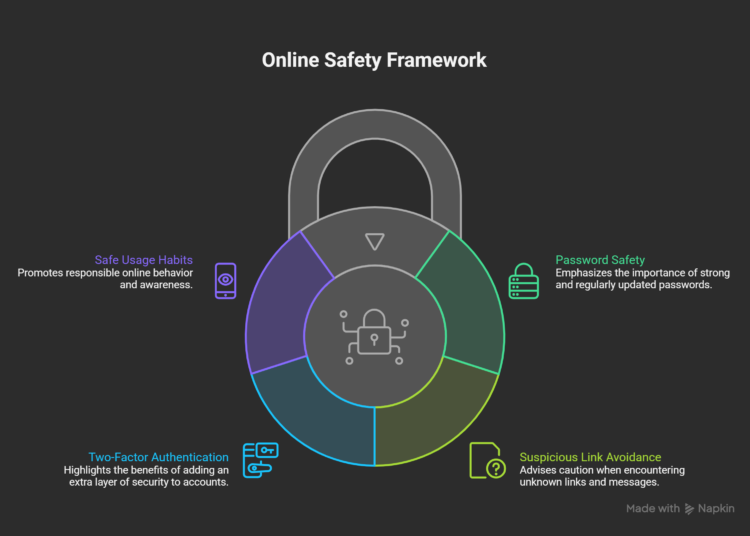
Use strong passwords and avoid unknown links. Enable two-factor authentication for extra safety.