Table of Contents
Introduction
Social media is a medium through which fitness coaches reach people. They share simple useful tips via posts. Short videos are used to share Exercises. Healthy habits are shared everyday via online content. They also motivate the followers using social media.
Good content needs simple planning. Show exercises in a clear manner. Videos should have strong opening. Topics should be as per audience’s needs. Expensive equipment is not needed initially. Recording can be done via smartphone. Use natural light for better video quality. Post everyday. This will keep followers interested.
Key Takeaways:
- One must share useful fitness tips.
- Exercises need to be shown in a proper manner.
- Explain fitness topics in simple ways.
- Understand audience needs.
- Post regularly and safely.
Become a General Fitness Trainer and turn your passion into a Profession!
Why Is Social Media Important for Fitness Coaches?
It helps coaches reach more and more people. Fitness tips can be shared quickly. Followers can be encouraged to exercise. Coaching services can also be promoted.
1. More People Can Be Reached
New viewers can find useful fitness posts.
– Useful topics
- Beginner workouts.
- Exercise tips.
- Home workouts.
– Better discovery
- Clear titles.
- Simple keywords.
- Relevant hashtags.
– Audience growth
- Regular posts.
- Original videos.
- Viewer interaction.
– Content sharing
- Helpful advice.
- Short videos.
- Easy routines.
Topics should match audience needs. Relevant trends can also be used.
2. Exercises Can Be Learned Easily
Exercises can be shown with the help of videos. Simple demonstrations can help beginners learn.
– Clear movements
- Starting positions.
- Correct posture.
- Full repetitions.
– Easy learning
- Visual guidance.
- Simple instructions.
- Repeated viewing.
– Exercise practice
- Basic techniques.
- Common mistakes.
- Movement patterns.
– Beginner support
- Easy variations.
- Slow demonstrations.
- Step-by-step guidance.
Correct techniques to be shown. Exercise safety should also be explained.
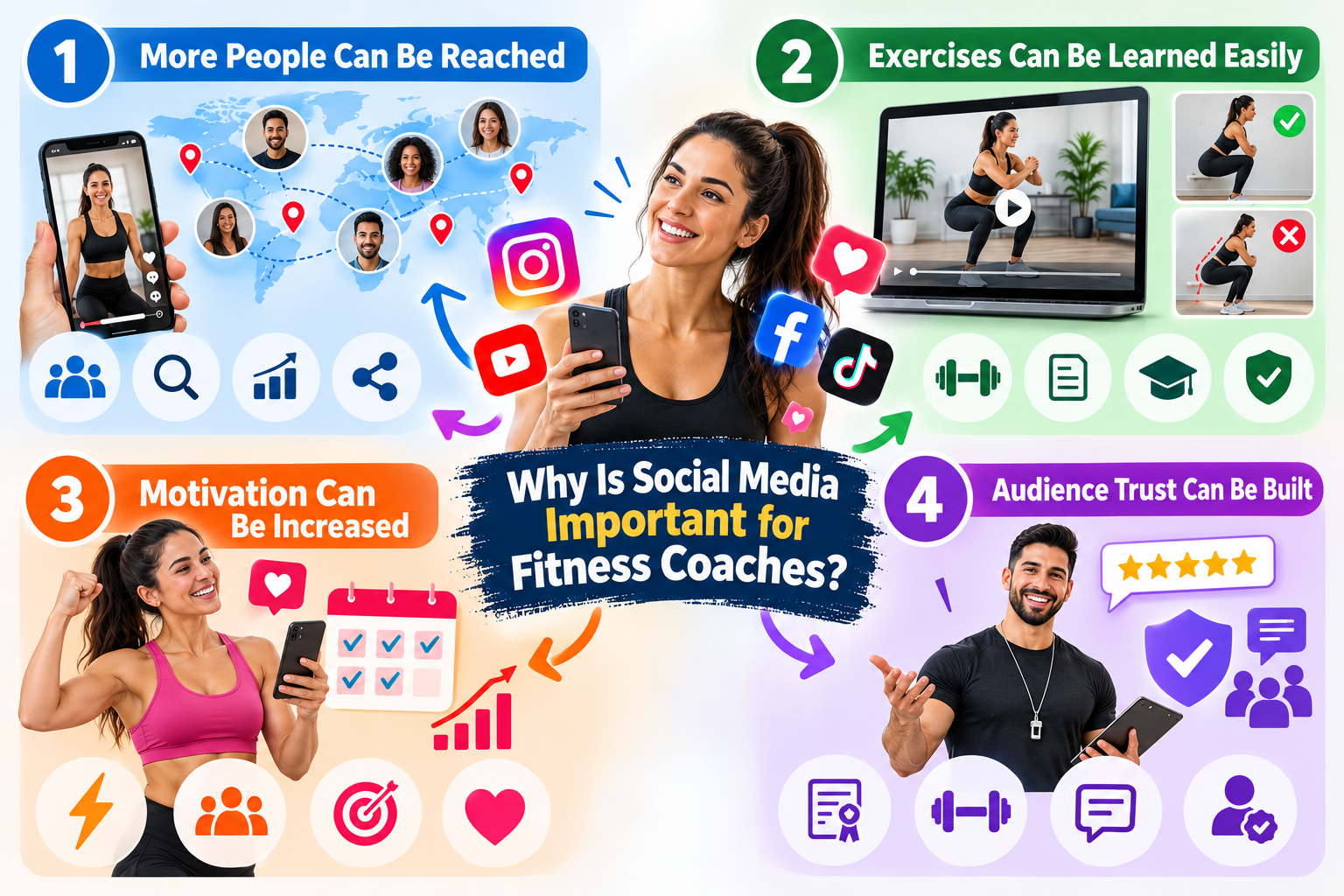
3. Motivation Can Be Increased
Posting everyday encourage people to exercise. Simple goals can keep followers interested.
– Daily motivation
- Quick workouts.
- Daily goals.
- Positive reminders.
– Fitness challenges
- Weekly goals.
- Daily routines.
- Group activities.
– Progress updates
- Training records.
- Strength gains.
- Personal goals.
– Healthy habits
- Regular exercise.
- Rest days.
- Recovery routines.
Unrealistic results should never be promised. Everyone’s fitness progress should be respected.
4. Audience Trust Can Be Built
Trust can grow through useful fitness advice. Regular posting can also build confidence.
– Clear guidance
- Simple instructions.
- Honest explanations.
- Clear demonstrations.
– Safe exercise
- Correct techniques.
- Easy variations.
- Realistic advice.
– Audience connection
- Helpful replies.
- Honest progress.
- Regular updates.
– Professional behaviour
- Correct information.
- Suitable qualifications.
- Honest claims.
Take medical advice qualified professionals. Health claims to be checked carefully.
Turn Your Passion for Fitness into a Profession
Learn practical skills, get certified, and step into the growing fitness industry with confidence.
Join the Course10 Best Content Ideas for Fitness Coaches on Social Media
Different posts can attract different viewers. Topics should match the coach’s knowledge. Every post should provide useful information.
1. Share Quick Workout Videos
Short workouts can be shown through Reels. Simple routines help beginners get started.
– Beginner workouts
- Basic exercises.
- Easy routines.
- Simple movements.
– Home workouts
- Bodyweight exercises.
- Small-space routines.
- No-equipment workouts.
– Quick sessions
- Five-minute workouts.
- Short circuits.
- Movement breaks.
– Workout guidance
- Warm-up routines.
- Cool-down exercises.
- Simple instructions.
Exercises to be shown clearly. Safe options to be included.
2. Demonstrate Exercise Techniques
Correct exercise methods can be shown in videos. Common mistakes needs explanation.
– Strength exercises
- Squats.
- Push-ups.
- Planks.
– Movement tips
- Lunge techniques.
- Breathing methods.
- Correct posture.
– Common mistakes
- Poor positioning.
- Rushed movements.
- Incorrect form.
– Easy options
- Beginner variations.
- Simple alternatives.
- Supported movements.
Clear camera angles should be used. Keep instructions short and simple.
3. Create Educational Fitness Posts
Fitness topics can be explained through carousel posts. Simple words should be used.
– Fitness basics
- Strength training.
- Cardio exercises.
- Muscle growth.
– Fitness myths
- Spot reduction.
- Sweat and weight loss.
- Quick-result claims.
– Healthy training
- Rest-day benefits.
- Regular exercise.
- Recovery methods.
– Learning support
- Simple examples.
- Clear explanations.
- Helpful pictures.
Each post should cover one topic. Share accurate information.
4. Share Healthy Lifestyle Tips
Simple tips can help followers build healthy habits.
– Daily habits
- Better sleep.
- Daily walking.
- Active breaks.
– Healthy eating
- Balanced meals.
- Regular meals.
- Simple food choices.
– Drinking water
- Water reminders.
- Daily routines.
- Workout hydration.
– Healthy routines
- Regular stretching.
- Stress control.
- Proper rest.
Easy examples should be included. Advice should suit the audience.
5. Answer Common Fitness Questions
Common questions can be answered through short videos. Questions can also be collected through Stories.
– Beginner questions
- Starting workouts.
- Exercise choices.
- Basic training.
– Workout planning
- Training frequency.
- Workout duration.
- Rest between sets.
– Home exercises
- Simple equipment.
- Small-space workouts.
- Easy routines.
– Exercise safety
- Recovery time.
- Exercise changes.
- Safe progress.
Answers require be clear and useful. Go to qualified professionals in case of medical concerns .
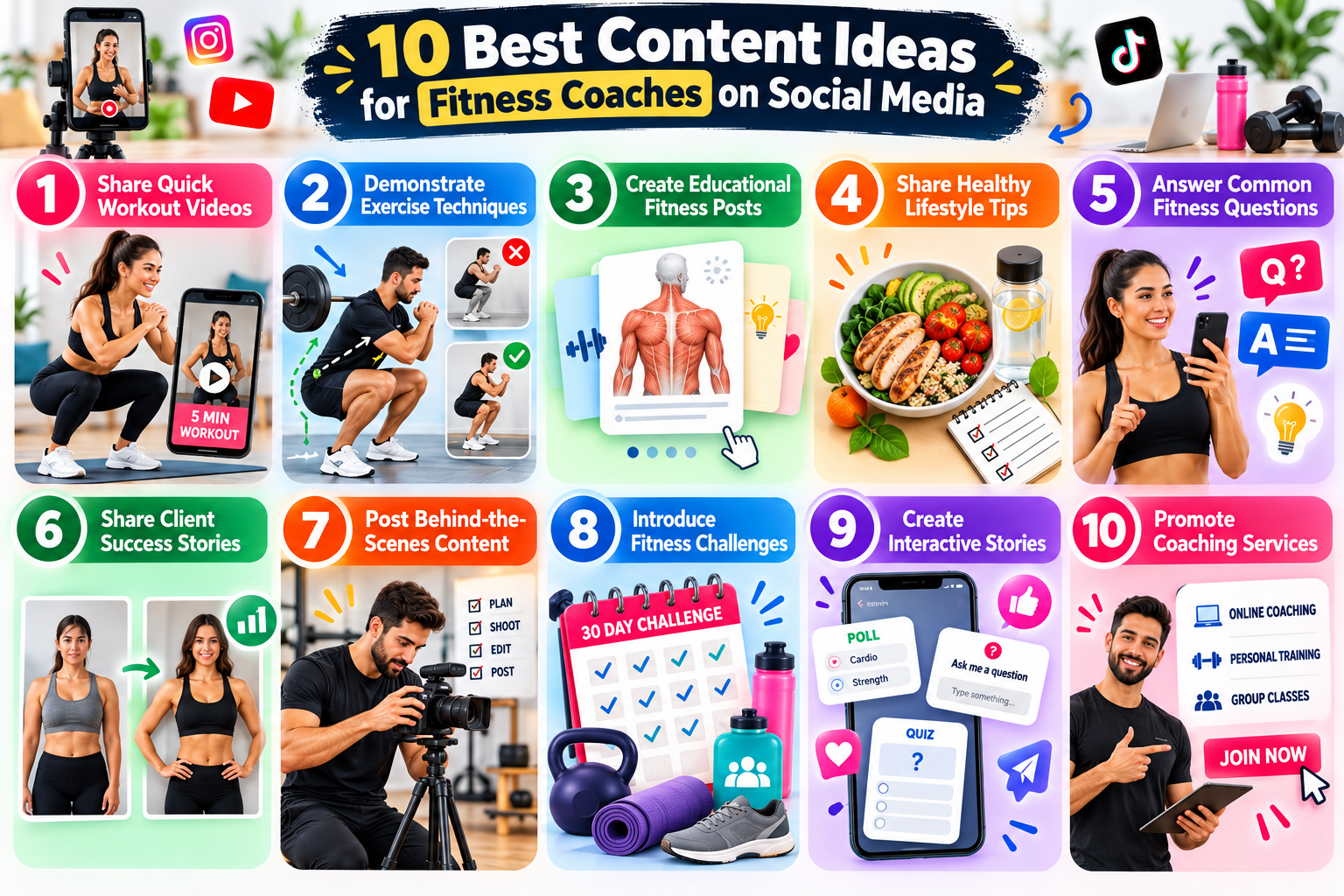
6. Share Client Success Stories
Client progress can be shared through honest stories. Permission should be obtained first.
– Physical progress
- Strength gains.
- Better stamina.
- Easier movement.
– Personal goals
- Regular training.
- Completed goals.
- Better habits.
– Client feedback
- Written reviews.
- Short testimonials.
- Coaching experiences.
– Positive changes
- Better confidence.
- Healthy habits.
- Regular exercise.
Real progress should be shown honestly. Results should never be guaranteed.
7. Post Behind-the-Scenes Content
Daily coaching activities can be shown through videos.
– Workout preparation
- Session planning.
- Exercise selection.
- Training schedules.
– Training activities
- Exercise demonstrations.
- Equipment setup.
- Coaching sessions.
– Video creation
- Recording videos.
- Camera setup.
- Editing clips.
– Daily work
- Fitness planning.
- Routine preparation.
- Learning new skills.
These posts can build audience connections. Client privacy should always be protected.
8. Introduce Fitness Challenges
Simple challenges can encourage audience participation.
– Daily challenges
- Walking goals.
- Movement breaks.
- Short workouts.
– Weekly challenges
- Plank challenges.
- Squat challenges.
- Stretching routines.
– Progress tracking
- Step counts.
- Daily updates.
- Weekly records.
– Group activities
- Shared goals.
- Group participation.
- Workout check-ins.
Challenges has to Match fitness levels. Include some rest.
9. Create Interactive Stories
Followers can use interactive features for participation.
– Audience polls
- Workout choices.
- Exercise preferences.
- Topic votes.
– Question boxes
- Beginner doubts.
- Training questions.
- Fitness concerns.
– Simple quizzes
- Fitness facts.
- Exercise knowledge.
- Healthy habits.
– Community updates
- Weekly check-ins.
- Progress sharing.
- Topic requests.
Responses can show audience interests. Future posts can follow these interests.
10. Promote Coaching Services
Coaching services can be introduced through simple posts.
– Training services
- Personal training.
- Online coaching.
- Group classes.
– Programme details
- Training plans.
- Workout schedules.
- Coaching support.
– Client information
- Suitable audiences.
- Service details.
- Time commitments.
– Booking details
- Contact information.
- Consultation options.
- Registration steps.
Service details should be accurate. Clear contact information should be included.
Simple Content Planning Table
| Content idea | Suggested format |
| Workout videos | Reels. |
| Fitness education | Carousels. |
| Client stories | Photo posts. |
| Interactive content | Polls and questions. |
| Coaching services | Informative posts. |
A simple plan can cover different topics. Audience feedback can help select future posts. Every post should provide useful information. Fitness advice should remain safe and accurate.
Workout and Exercise Content Ideas
Workout videos can be shared in many formats. Use short clips to show simple exercises. Use clear instructions. This help viewers follow movements. Different routines can be created for different fitness levels.
1. Create Beginner Workout Videos
Easy workouts can help beginners get started.
– Basic exercises
- Squats.
- Wall push-ups.
- Glute bridges.
- Standing marches.
- Knee raises.
– Workout routines
- Warm-up exercises.
- Beginner circuits.
- Weekly plans.
- Short sessions.
- Full-body routines.
– Learning support
- Gym introductions.
- Form corrections.
- Common mistakes.
- Exercise names.
- Simple instructions.
– Healthy habits
- Rest days.
- Daily movement.
- Progress tracking.
- Regular practice.
- Recovery routines.
2. Share Home Workout Videos
Home workouts can be performed with little equipment.
– No equipment
- Bodyweight exercises.
- Standing workouts.
- Floor routines.
- Marching exercises.
- Simple circuits.
– Small spaces
- Chair exercises.
- Indoor walking.
- Short routines.
- Standing stretches.
- Low-impact movements.
– Simple equipment
- Resistance bands.
- Light dumbbells.
- Exercise mats.
- Stable chairs.
- Water bottles.
– Indoor activities
- Rainy-day workouts.
- Morning movement.
- Quick exercise breaks.
- Family-friendly activities.
- Evening stretches.
3. Post Strength Training Videos
Strength exercises can be explained through demonstrations.
– Exercise demonstrations
- Dumbbell rows.
- Squat variations.
- Chest presses.
- Bicep curls.
- Shoulder presses.
– Gym guidance
- Equipment use.
- Gym rules.
- Beginner routines.
- Machine adjustments.
- Exercise setup.
– Training advice
- Rest periods.
- Training schedules.
- Recovery habits.
- Suitable weights.
- Gradual progress.
– Technique guidance
- Body alignment.
- Controlled movements.
- Correct posture.
- Common mistakes.
- Safe positioning.
Suitable qualifications should be held before advanced advice is provided. Correct techniques should always be prioritised.
4. Share Stretching and Mobility Videos
Daily movement can be supported through these videos.
– Daily stretching
- Morning stretches.
- Desk breaks.
- Evening routines.
- Neck stretches.
- Gentle leg stretches.
– Mobility exercises
- Hip movements.
- Shoulder movements.
- Ankle exercises.
- Arm circles.
- Gentle rotations.
– Recovery routines
- Cool-down stretches.
- Gentle movements.
- Relaxation exercises.
- Breathing practice.
- Light walking.
– Beginner guidance
- Easy variations.
- Slow demonstrations.
- Simple instructions.
- Supported movements.
- Short routines.
Movements should never be forced through pain.
5. Introduce Fitness Challenges
Audience participation can be encouraged through simple challenges.
– Daily challenges
- Walking goals.
- Movement breaks.
- Short workouts.
- Stretching reminders.
- Water reminders.
– Weekly challenges
- Plank challenges.
- Squat challenges.
- Walking targets.
- Stretching routines.
- Beginner circuits.
– Progress updates
- Training records.
- Strength milestones.
- Habit tracking.
- Weekly check-ins.
- Personal achievements.
– Community activities
- Viewer questions.
- Shared goals.
- Group participation.
- Workout check-ins.
- Friendly encouragement.
Progress should be shown honestly. Individual results can differ. Rest and safe exercise levels should be encouraged.
6. Select Suitable Video Formats
Each video format should have a clear purpose.
| Video format | Main purpose | Example |
| Short Reel | Quick learning | Three squat tips. |
| Tutorial | Exercise guidance | Correct push-up form. |
| Follow-along | Guided practice | Ten-minute workout. |
| Challenge | Participation | Seven-day walking goal. |
| Progress video | Motivation | Weekly training update. |
| Q&A video | Answering questions | Beginner fitness doubts. |
Formats should match the topic. Viewer responses can guide future content.
Become a General Fitness Trainer and turn your passion into a Profession!
Turn Your Passion for Fitness into a Profession
Learn practical skills, get certified, and step into the growing fitness industry with confidence.
Join the CourseEducational Fitness Content Ideas
Fitness topics can be explained through simple posts. Clear information can help viewers learn safely. Short explanations can also make difficult topics easier.
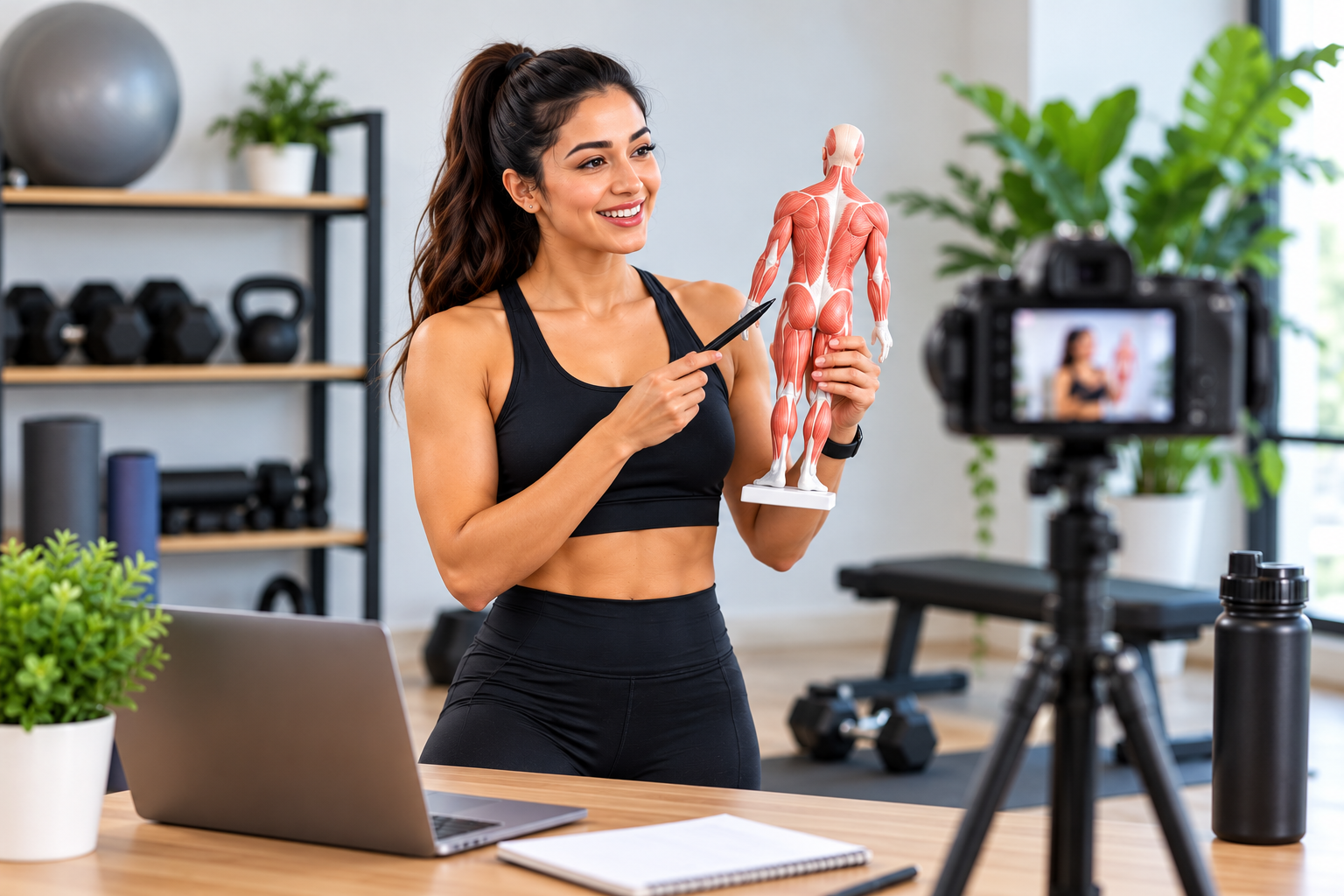
1. Fitness Myths Are Explained
Common fitness myths can be discussed through posts.
– Weight loss
- Spot reduction.
- Quick-result claims.
- Unrealistic promises.
- Weight-loss expectations.
- Fat-loss myths.
– Exercise beliefs
- Sweat and fat loss.
- Cardio misconceptions.
- Strength training myths.
- Muscle-building beliefs.
- Rest-day misunderstandings.
– Healthy training
- Rest-day benefits.
- Recovery needs.
- Gradual progress.
- Suitable exercise levels.
- Regular movement.
– Simple explanations
- Clear examples.
- Short answers.
- Helpful visuals.
- Easy comparisons.
- Reliable information.
2. Fitness Basics Are Explained
Important fitness terms can be explained simply.
– Training basics
- Sets.
- Repetitions.
- Training frequency.
- Rest periods.
- Workout duration.
– Exercise types
- Strength training.
- Cardio exercise.
- Mobility training.
- Balance exercises.
- Flexibility training.
– Recovery basics
- Sleep habits.
- Rest days.
- Recovery routines.
- Gentle movement.
- Training breaks.
– Progress tracking
- Training records.
- Strength gains.
- Personal goals.
- Weekly progress.
- Consistent practice.
Each topic should be explained clearly. Information should be checked before posting.
Nutrition and Healthy Lifestyle Content Ideas
Healthy habits can be encouraged through useful content. Simple tips can support everyday routines.
1. Healthy Eating Tips Are Shared
Balanced eating can be explained through simple posts.
– Balanced meals
- Vegetables.
- Whole grains.
- Protein sources.
- Healthy fats.
- Fruit choices.
– Easy food ideas
- Simple breakfasts.
- Healthy snacks.
- Quick lunches.
- Easy dinners.
- Homemade meals.
– Daily habits
- Regular meals.
- Suitable portions.
- Meal preparation.
- Grocery planning.
- Food variety.
– Food education
- Food groups.
- Balanced choices.
- Simple recipes.
- Ingredient ideas.
- Cooking methods.
Nutrition advice should remain within the coach’s qualifications.
2. Healthy Habits Are Encouraged
Small habits can be shared through short videos.
– Daily movement
- Walking.
- Stretching.
- Active breaks.
- Stair climbing.
- Outdoor activities.
– Better rest
- Regular sleep.
- Rest days.
- Recovery time.
- Evening routines.
- Relaxing activities.
– Hydration
- Water reminders.
- Drinking routines.
- Exercise hydration.
- Reusable bottles.
- Hot-weather reminders.
– Stress management
- Relaxation breaks.
- Calm routines.
- Time outdoors.
- Deep breathing.
- Enjoyable activities.
3. Healthy Lifestyle Content Is Planned
| Content idea | Suggested format |
| Balanced meals | Carousel posts. |
| Water reminders | Story updates. |
| Daily movement | Short videos. |
| Easy recipes | Recipe Reels. |
| Better sleep | Educational posts. |
| Healthy routines | Weekly checklists. |
Simple examples can make each topic easier to understand.
Client Transformation and Success Story Ideas
Client progress can be shared through honest stories. Permission should always be obtained first.
1. Client Progress Is Shared
Different types of progress can be highlighted.
– Physical progress
- Strength gains.
- Better stamina.
- Improved movement.
- Better balance.
- Greater endurance.
– Personal goals
- Regular training.
- Completed milestones.
- Better habits.
- Increased consistency.
- Improved technique.
– Client feedback
- Written reviews.
- Short interviews.
- Video testimonials.
- Coaching experiences.
- Helpful feedback.
– Daily improvements
- Better energy.
- More confidence.
- Easier movement.
- Regular exercise.
- Healthy routines.
Results should be presented honestly. Individual progress should never be guaranteed.
Tips to Grow Your Fitness Coaching Brand on Social Media
A simple content plan can support steady growth. Regular posting can help build audience trust.
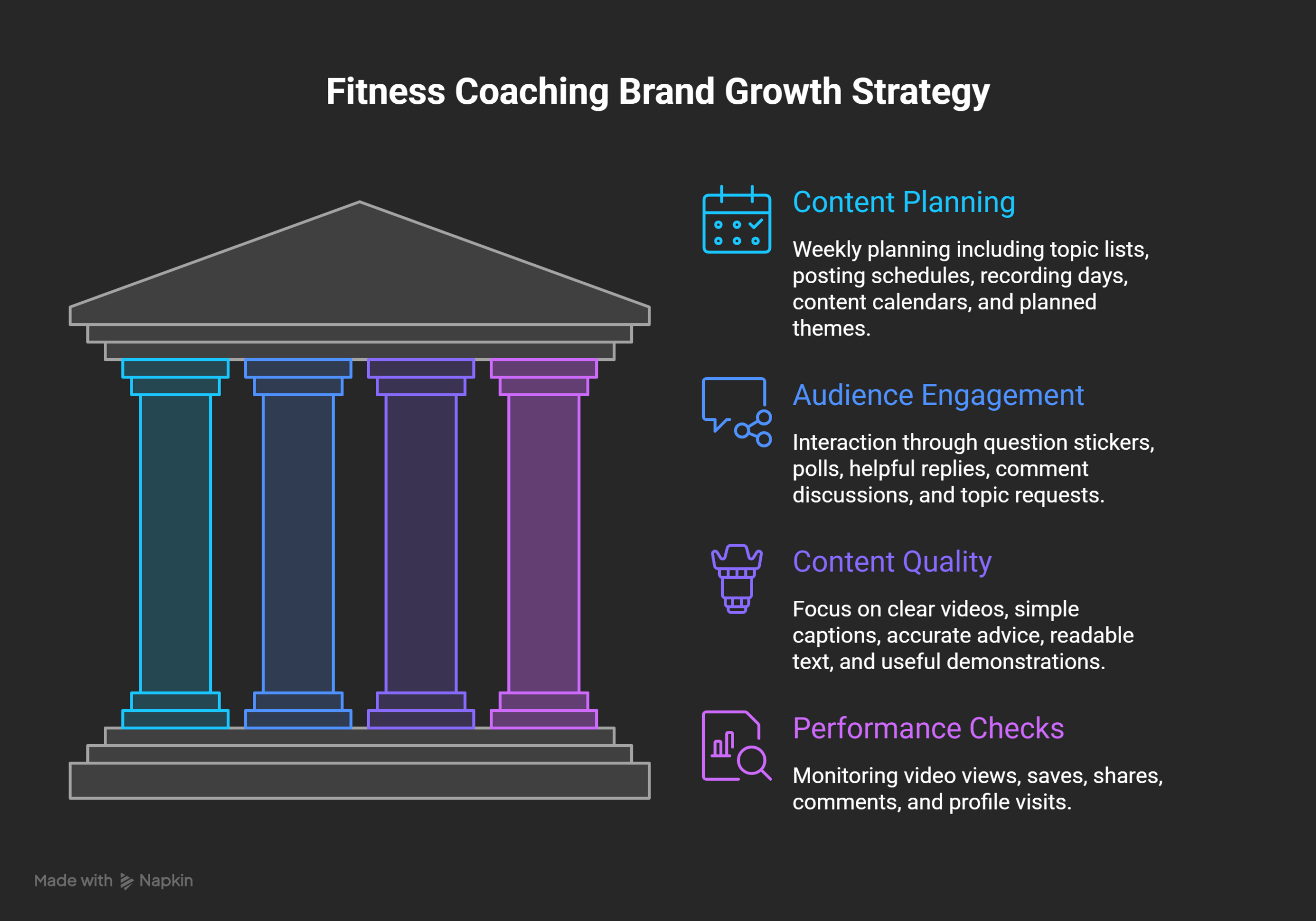
1. Content Is Planned Regularly
– Weekly planning
- Topic lists.
- Posting schedules.
- Recording days.
- Content calendars.
- Planned themes.
– Audience engagement
- Question stickers.
- Polls.
- Helpful replies.
- Comment discussions.
- Topic requests.
– Content quality
- Clear videos.
- Simple captions.
- Accurate advice.
- Readable text.
- Useful demonstrations.
– Performance checks
- Video views.
- Saves.
- Shares.
- Comments.
- Profile visits.
Conclusion
Useful content can attract interested viewers. Workout videos can show exercise techniques. Educational posts can answer common questions. Lifestyle tips can encourage healthy habits. Client stories can show personal progress.
A simple schedule can support regular posting. Audience feedback can guide future topics. Every post should provide useful information. Safe and accurate advice should always be shared. Stronger audience relationships can develop over time.
Turn Your Passion for Fitness into a Profession
Learn practical skills, get certified, and step into the growing fitness industry with confidence.
Join the CourseFrequently Asked Questions
What content should fitness coaches post on social media?
Fitness coaches can share workout videos, exercise tips, healthy lifestyle advice, client success stories, and beginner routines. Fitness challenges, educational carousels, and coaching updates can also attract viewers.
How can fitness coaches attract more followers?
Useful content, clear videos, relevant hashtags, and regular posting can improve content discovery. Answering comments and sharing practical fitness advice can encourage engagement.
Which social media platform is best for fitness coaches?
Instagram suits short workouts and fitness tips, while YouTube supports longer tutorials. Facebook helps build local communities, and TikTok suits short videos and challenges.
How often should fitness coaches post?
A realistic posting schedule helps coaches share content consistently without reducing quality. A weekly calendar can organise workouts, educational posts, client stories, and interactive content.
What workout videos can fitness coaches create for beginners?
Beginner videos can include bodyweight exercises, warm-ups, stretching, and short full-body workouts. Clear demonstrations, safe instructions, and easier variations can help viewers follow along.
How can fitness coaches build trust on social media?
Trust can be developed through accurate advice, correct demonstrations, honest answers, and realistic claims. Client stories should be shared with permission, and medical questions should be referred to qualified professionals.
How can client success stories be shared?
Progress can be shown through testimonials, interviews, and updates about strength or consistency. Permission should be obtained before sharing personal information, and results should never be exaggerated.
What educational fitness topics can coaches share?
Useful topics include strength training, cardio, muscle recovery, workout planning, and fitness myths. Simple videos, carousels, and diagrams can make these topics easier to understand.
How can fitness coaches promote their services?
Coaches can promote personal training, online coaching, group classes, and workout programmes through informative posts. Programme details, schedules, booking methods, and available support should be explained clearly.
How can coaches measure content performance?
Views, saves, shares, comments, profile visits, and coaching enquiries can be tracked. These results can help identify popular topics and improve future content plans.