
Table of Contents
To find your foundation shade, match both your skin depth and undertone by swatching two or three close shades along your jawline and checking them in natural daylight. The shade that blends invisibly between your face and neck is your match. As store lighting can be flattering, daylight is the most reliable final check.
Master Advanced Skincare, Makeup, Hair, and Salon Management. Enrol Now!
Key Takeaways
- Match foundation on your jawline, where your face meets your neck.
- Consider both depth and undertone.
- Swatch two to four close shades side by side.
- Check the match in natural daylight, not shop lighting.
- Let the formula dry down before deciding.
- Use undertone tests as clues, not rules.
- Recheck your shade after tanning or seasonal changes.
- Patch-test new products and use clean applicators on testers.
What does “the Right Foundation Shade” Actually Mean?
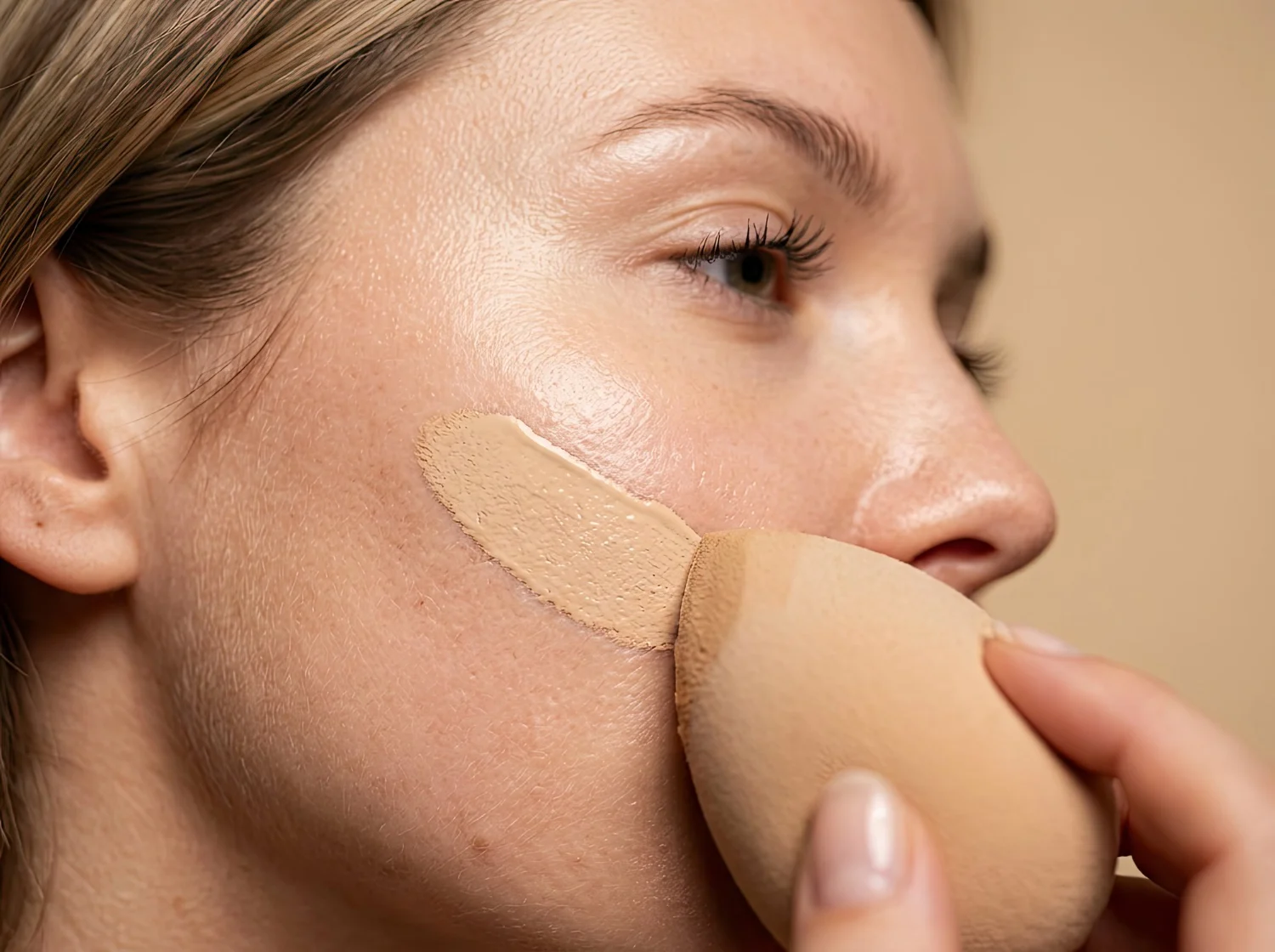
The right foundation shade is the one that blends into your skin without a visible line at the jaw, hairline or neck. It evens out your complexion without making you look lighter, darker, grey, pink or orange.
Two things decide the match:
1. Skin depth (skin tone):
How light or deep your skin is, such as fair, light, medium, tan, deep or very deep.
2. Undertone:
The subtle hue under the surface. The common categories are cool (pink, red or bluish), warm (yellow, golden or peachy), neutral (a balance of both) and olive (a muted, slightly greenish cast).
Two people with the same depth can need different shades, such as golden beige versus neutral beige, because their undertones differ.
Master Makeup, Hair & Skincare to Build Your Beauty Identity
Unlock your creative potential with our expert-led Beauty & Wellness course. Build in-demand beauty skills and step confidently into the world of beauty!
Your Beauty Career Starts Here!Skin Tone vs Undertone: Which One Should You Match First?
You need both, but most mismatches people notice come from the wrong undertone. A foundation can be the correct depth and still look ashy, pink or orange if the undertone is off.
| Factor | What it means | How it affects your foundation |
| Skin depth | How light or deep your skin is | Decides how light or deep the shade should be |
| Undertone | Cool, warm, neutral or olive | Decides whether the shade should lean pink, golden, balanced or olive |
| Finish | Matte, natural/satin or dewy | Changes how the colour reads on oily or dry skin |
| Coverage | Sheer, medium or full | The fuller the coverage, the more visible a small mismatch becomes |
A helpful rule from Ulta’s undertone guide: narrow down your depth first, then compare several undertones at that depth on your jawline.
How can You Identify Your Undertone at Home?
Home tests give you a starting point, not a final answer. Use two or three together, then confirm with a jawline swatch.
The Jewellery Test
Hold gold and silver jewellery near your face in daylight. If gold looks more flattering, you may lean warm. In the case when silver looks better, you may lean cool. If both look similar, start with neutral shades.
The White Cloth Test
Hold a plain white cloth or paper beside your bare face. Skin that looks pinker against it may lean cool. Skin that looks more yellow or golden may lean warm.
The Vein Test (Use with Caution)
The traditional advice says blue or purple wrist veins suggest cool undertones and greenish veins suggest warm ones. However, makeup artists point out that wrist veins do not always reflect the skin on your face.
Veins can also be hard to see on deeper skin, and the test does not account well for olive undertones.
How to Test Foundation Shades Correctly: Step by Step
1. Start with clean, bare skin.
Remove makeup and let any moisturiser absorb. If you are in a store, a cleansing wipe or micellar water helps.
2. Choose two to four close shades.
Pick shades at your estimated depth, ideally with different undertones (for example, one warm, one neutral, one olive).
3. Swatch along the jawline.
Apply a thin stripe of each shade from the lower cheek down over the jaw, leaving space between them. Blend the edges lightly.
4. Wait before judging.
Many liquid and cream formulas dry down slightly darker or warmer. Give the swatches at least 15 minutes, and if you can, wear a sample for a full day.
5. Check in natural daylight.
Stand near a window or step outside into shade. Turn your head side to side and look at the jaw-to-neck transition.
6. Pick the shade that disappears.
The right one leaves no obvious pink, yellow, orange or grey stripe against your neck.
7. Hygiene tip:
The US FDA advises using a fresh sponge or cotton swab on shared store testers, which can carry germs.
Buying Online?
Use the brand’s shade-finder tool or a cross-brand matching site such as Findation, which suggests matches based on a shade you already wear. Order samples where possible and check the return policy.
Master Makeup, Hair & Skincare to Build Your Beauty Identity
Unlock your creative potential with our expert-led Beauty & Wellness course. Build in-demand beauty skills and step confidently into the world of beauty!
Your Beauty Career Starts Here!Foundation Shade Matching Chart
Use this as a starting point, then confirm your choice with a jawline test.
| Undertone | Common clues | Foundation direction | Labels you may see |
| Cool | Skin looks pink or rosy; silver often flatters | Pink, rosy or red-leaning | C, Cool, Rosy (R), Pink |
| Warm | Skin looks golden, yellow or peachy; gold often flatters | Yellow, golden, peach or honey | W, Warm, Golden (G), Yellow |
| Neutral | Neither gold nor silver clearly wins | Balanced beige | N, Neutral, Beige |
| Olive | Muted, greenish or grey-golden cast; many shades turn ashy or orange | Muted golden or olive-neutral | O, Olive, Neutral-Warm |
Undertone codes are not standardised. Each brand uses its own letters and numbers. So a “W2” in one range will not match a “W2” in another. Always compare the actual swatch, not the name.
Choosing Foundation for Indian and South Asian Skin Tones
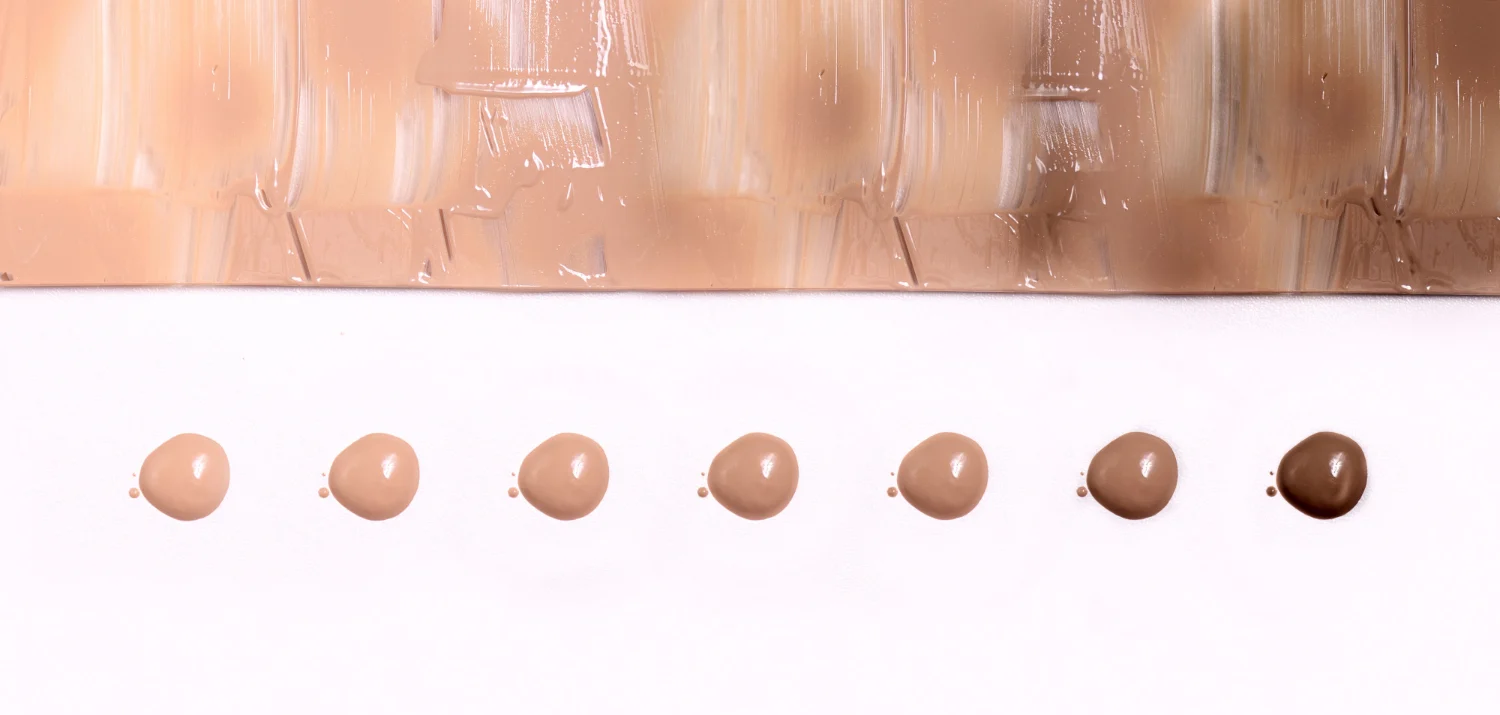
Indian skin covers a wide range of depths and undertones. Golden, warm, olive and neutral-warm undertones are common, but cool and neutral undertones also occur, so test rather than assume.
- If a shade looks grey or chalky, it is usually too light or too cool. Try a warmer, golden or olive-leaning option.
- If a shade looks too pink, it may clash with warm or olive undertones. Move towards golden or neutral.
- If a shade looks orange, it may be too warm, or it may be oxidising. Try a more neutral option at the same depth.
- Avoid going lighter to look “fairer.” A shade lighter than your skin is one of the most common causes of an ashy cast.
For deeper skin tones, Marks & Spencer’s beauty guide suggests also checking the shade against your chest or body, because deeper skin can have more natural variation in pigmentation across the face.
Common Foundation Shade Mistakes to Avoid
- Testing on the back of your hand or wrist. Hand skin often differs from your face in both depth and undertone.
- Choosing by the bottle colour. Packaging and store lighting change how a shade looks.
- Ignoring your neck. A face-only match creates a visible line at the jaw.
Why does Foundation Turn Darker or Orange?
Several things can make foundation look darker or more orange over time:
- Oxidation: pigments and ingredients react with air and skin oils.
- Normal dry-down: many formulas set slightly deeper than they look when wet.
- Skin oil and sweat: oily skin can make a formula look deeper and warmer through the day.
- The wrong undertone: a foundation that is too warm for cool or neutral skin can look orange from the start.
- An old product: a formula can also change in the bottle after it has been opened for a long time.
Some colour change is normal. If a shade consistently turns orange, try one that is less warm, blot oil through the day, and consider a formula made for oily skin.
How to Fix a Shade that is Slightly Off
| Problem | Likely cause | What to try |
| Too light | Depth too light | Mix with a deeper shade, or use a little bronzer blended well down the neck |
| Too dark | Depth too deep | Mix with a lighter shade or a white mixer, then retest on the jaw |
| Grey or ashy | Too light or too cool | Move to a warmer, golden or olive-leaning shade |
| Orange | Too warm or oxidising | Try a more neutral shade; test longer before buying |
| Pink | Too cool for your undertone | Move towards neutral or golden |
| Patchy | Skin prep or application | Moisturise for your skin type, apply thin layers and blend well |
Mixing two shades is a well-established fix when you fall between options, and it works for both depth and undertone.
Matching Finish and Coverage to Your Skin
Once the shade is right, finish and coverage decide how natural it looks. Matte finishes are often preferred for oily skin, dewy finishes for dry skin, and natural or satin finishes suit most skin types. Sheer coverage forgives small shade errors, while full coverage makes any mismatch more visible.
When Should You Change Your Foundation Shade?
Recheck your shade whenever a line appears at your jaw or your face looks different from your neck. Common triggers include summer tanning, moving to a different climate and changes to your skincare routine.
Keeping a slightly lighter and a slightly deeper shade to mix through the year is a practical option.
Master Advanced Skincare, Makeup, Hair, and Salon Management. Enrol Now!
Safety Note: Sensitive Skin and Reactions
Any new product can irritate skin or cause an allergic reaction. If your skin is sensitive, patch-test a new foundation first, and stop using any product that causes redness, itching, burning or swelling.
The FDA also notes that it does not define the term “hypoallergenic,” so that label does not guarantee a product will not cause a reaction. For ongoing or severe reactions, consult a dermatologist or healthcare professional.
Conclusion
Choosing the right foundation shade comes down to a simple, repeatable process. First, estimate your skin depth and undertone using home tests as clues rather than final answers.
Next, swatch two to four close shades along your jawline on clean skin. Then give them time to dry down and check them in natural daylight, looking at the line where your face meets your neck. The shade that disappears is your match.
If none is perfect, mixing two shades is a reliable fix. Finally, revisit your shade when the seasons, your sun exposure or your skincare changes, because a good match today may not be a good match six months from now.
|
RELATED POSTS |
|
| Latest Bridal Makeup Trends in India | |
| Skincare Routine for Acne-Prone Skin | |
| Skin Care Routine for Men & Women: Daily Steps that Work | |
Master Makeup, Hair & Skincare to Build Your Beauty Identity
Unlock your creative potential with our expert-led Beauty & Wellness course. Build in-demand beauty skills and step confidently into the world of beauty!
Your Beauty Career Starts Here!Frequently Asked Questions
How do I find my exact foundation shade?
Estimate your skin depth and undertone, then swatch two to four close shades on your clean jawline. The shade that blends invisibly in natural daylight after it has dried down is your match.
Should the foundation match my face or my neck?
Foundation should match the area where your face meets your neck, which is why the jawline is the best testing spot. A shade that matches only your face can leave a visible line at the jaw.
Is the vein test accurate for finding my undertone?
The vein test is only a rough clue and is often unreliable. Wrist veins may not reflect your facial skin, and they can be hard to see on deeper skin tones.
How long should I wait before judging a foundation swatch?
Wait at least 15 minutes so the formula can dry down. If possible, wear a sample for a full day to see whether it darkens or turns orange.
Why does my foundation turn orange after a few hours?
This can be caused by oxidation, skin oil, normal dry-down or a shade that is too warm. Testing for longer before buying and choosing a less warm shade usually helps.
What should I do if I am between two shades?
Mix the two shades to create a custom match for your depth and undertone. You can also keep both and adjust the ratio as your skin changes through the year.
Why does my foundation look grey or ashy?
Grey or ashy foundation is usually too light or too cool for your skin. Try a shade that is slightly deeper or more golden or olive-leaning.
Does my foundation shade change with the seasons?
Your skin depth can change with sun exposure, so a summer shade may be too dark in winter. Your undertone usually stays the same, so you mainly need to adjust depth.
How can I choose a foundation shade when shopping online?
Use the brand’s shade-finder tool or a cross-brand matching site based on a foundation you already wear. Order samples where possible and check the return policy before buying a full-size bottle.
Should I choose a lighter shade to look brighter?
A lighter shade usually makes skin look grey, chalky or mask-like rather than brighter. Choose the shade that matches your skin, and add brightness with skincare or a light-reflecting finish instead.