Table of Contents
The 2026 FIFA World Cup is turning a month of matches into a year-long growth engine for American soccer. MLS reports a 62% jump in viewership and NWSL sponsorship revenue reaches $40 million even before kickoff. This is not a coincidence of timing.
Leagues, clubs, and brand partners have strategically spent the past two years building campaigns around this. They were specifically designed to convert tournament-driven curiosity into subscribers, paying fans, and long-term sponsorship deals.
This stands as an understanding of how a single global event can be engineered into a multi-channel, multi-year commercial opportunity.
Join Our Online Digital Marketing Course & Learn the Fundamentals!
Key Takeaways
- 2026 World Cup: It’s all happening from June 11 through to July 19 across 16 cities. 13 of those cities are MLS markets.
- MLS is crushing it in the viewership department and the average value of an MLS club is 39% higher than it was back in 2021.
- NWSL revenue is around $39.5 million for 2025, and their viewership is up a healthy 22% YoY; and they’ve snagged over 400 brand partners.
- It’s clear that brands are looking for content-first, creator-led partnerships that don’t just stop at slapping their logo on an ad.
- Streaming is now accounting for almost half of all TV time in the US (47.5% to be exact), and CTV is where all the World Cup buzz is happening.
- Brands that aren’t official sponsors can still make a real impact if they create content that really speaks to the cultural moment.
Why the World Cup Matters for US Soccer Marketing
1: What is the primary goal of SEO (Search Engine Optimization)?
The tournament creates a demand spike that’s already measurable
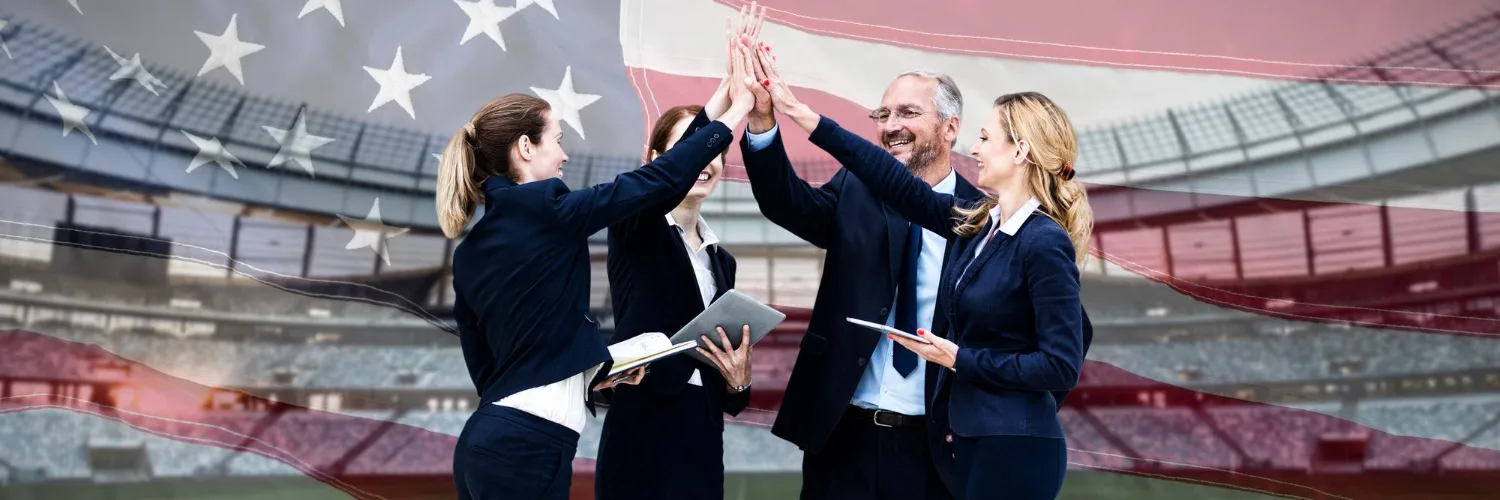
The World Cup is not just generating all the buzz around the game, it is in fact producing hard numbers. Data shows that as the tournament approached, the percentage of US adults who follow MLS at least “a little” closely jumped seven points year-over-year while NWSL fandom rose five points.
Interest in the World Cup itself climbed from just weeks before kickoff, with Gen Z and Millennials leading that surge. This is a high-intent moment where casual viewers are actively becoming first-time searchers, followers, and content consumers. This is exactly what the audience leagues and sponsors want to capture early.
It expands the audience well beyond core fans
What makes this tournament different from a typical MLS or NWSL season is the wide reach. The World Cup pulls in people who have never watched a domestic match. Any one who does not care about football, gets all hyped up during the World Cup season.
FIFA projects roughly 6 billion engagements across broadcast, streaming, digital, and social platforms globally. This is a scale no single domestic league could achieve on its own. That broad funnel gives MLS and NWSL a rare chance to convert one-time viewers into season-long subscribers. They should just be cautious about showing up with the right content at the right time.
Become an AI-powered Digital Marketing Expert
Master AI-Driven Digital Marketing: Learn Core Skills and Tools to Lead the Industry!
Explore CourseHow MLS Uses the World Cup Moment
Full-funnel marketing built around “MLS is Back”
MLS opened its 2026 marketing push in mid-February, four months ahead of the tournament, with a campaign called “MLS is Back.”
The league’s CMO Radhika Duggal described the approach plainly. She stated that the goal is to pull every available lever before, during, and even after the World Cup. This is to make sure that fans who fall in love with the tournament realize that the same level of soccer is being played domestically all season.
The campaign leans heavily on star power, featuring players like Son Heung-min and Diego Luna alongside celebrity team owners and soccer content creators. This is a strategy designed to build what Duggal calls a “bridge between sports and culture.”
Local clubs benefit from national attention
The 13 MLS markets hosting World Cup matches are positioned to capture spillover attention directly. This matters because national campaigns alone rarely build the kind of loyalty that keeps fans coming back.
The city-based storytelling does this. When a World Cup match is played in a city that also hosts an MLS club. This overlap becomes a built-in marketing asset.
Turning Four-Year Fans into Year-Round Fans
The opening weekend of the 2026 MLS season featured a high-profile matchup between Son Heung-min and Lionel Messi. This drew more than 387,000 fans across the league for an average of roughly 26,000 per match. This is up 5% from the previous year.
That early momentum gives MLS leverage heading into two major business events on the horizon. This involves a media rights renewal in 2029 and a new collective bargaining agreement cycle beginning in 2028. Strong post-World Cup numbers could directly influence both negotiations.
MLS World Cup-Year Snapshot
| Metric | Figure |
| YoY viewership growth (early 2026 season) | 62% |
| Average weekly live-match viewers | 7.9 million |
| Average club valuation (2026) | $767 million |
| Valuation growth since 2021 | 39% |
| MLS clubs valued above $1 billion | 5 |
| Opening weekend total attendance | 387,000+ |
| MLS host markets for World Cup | 13 of 16 |
How NWSL Captures the Same Momentum

A Fresh Visibility Boost for the Women’s Game
NWSL enters this tournament window with its own independent growth story and not just a hand-me-down from MLS. The league posted its fourth consecutive year of linear viewership growth in 2025, up 22% year-over-year.
This also records viewership among women aged 18 to 34 to climb 30%. Total viewership across Nielsen-rated platforms reached 20.1 million in 2025, an 18% increase from the prior year. ESPN broadcasts alone saw a significant jump in average viewers.
Seasonal Campaigns Extend the Conversation
NWSL’s media footprint is also widening. The league added Victory+ as a fifth media partner in 2026. They introduced 25 new weekly Sunday primetime broadcasts, on top of existing deals with CBS Sports and ESPN.
That expanded broadcast real estate gives the league more touchpoints to keep fans engaged through the summer. This is well past the World Cup final.
Deeper Community-Based Engagement Pays off Commercially
NWSL’s sponsorship growth reflects this community-first approach. League-wide sponsorship revenue reached an estimated $39.5 million in 2025.
Team-level sponsorship, on the other hand, was valued between $66.46 million and $75 million. This depends on the source, with more than 400 brands now investing in the league. New partners including AT&T, CVS Health, Canon, and Elf Cosmetics joined ahead of the 2026 season.
Notably, fan research from Parity found that NWSL supporters are nearly six times more likely than other women’s sports fans to purchase a product. This is with a brand’s sponsorship, which is a statistic that explains why advertisers are moving quickly.
NWSL Growth Indicators (2025–2026)
| Metric | Figure |
| Linear viewership growth (YoY) | 22% |
| Viewership growth, ages 18–34 | 30% |
| Total Nielsen-rated viewership (2025) | 20.1 million |
| ESPN average viewership growth | 61% |
| League-wide sponsorship revenue (2025) | ~$39.5 million |
| Brands invested in the league | 400+ |
| Media partners | 5 (incl. CBS, ESPN, Victory+) |
Why Brand Partners Invest During the World Cup
They want relevance, not just visibility
Modern sponsors are not buying logo placement. The bottom line is this: these fans aren’t just buying tickets and merch, they’re buying into a cultural moment.
FIFA’s got its official partners – Coca-Cola, Visa, McDonald’s, Verizon, and Hyundai-Kia – all locked in for premium access with big-money deals. But being a sponsor isn’t everything.
Cultural access matters more than spend
History shows us that brands don’t need official sponsorship to make their mark – just look at Nike in 1998. They created one of the most celebrated sports commercials of all time without ever mentioning FIFA.
And more recently, brands that focused on storytelling rather than just waving their logo around have seen some serious brand lift without needing to shell out for an official sponsor status.
Sponsorship now blends content and commerce
Today’s partnerships are all about creating a rich, multi-layered experience that covers content, retail integration, social media campaigns, creator collaborations, and super-targeted audience reach.
Continental Tire has been an MLS partner for over 15 years now, and they just upped their investment for the World Cup year.
Become an AI-powered Digital Marketing Expert
Master AI-Driven Digital Marketing: Learn Core Skills and Tools to Lead the Industry!
Explore CourseThe Role of Creators and Social Media
Creators make soccer feel native to social platforms
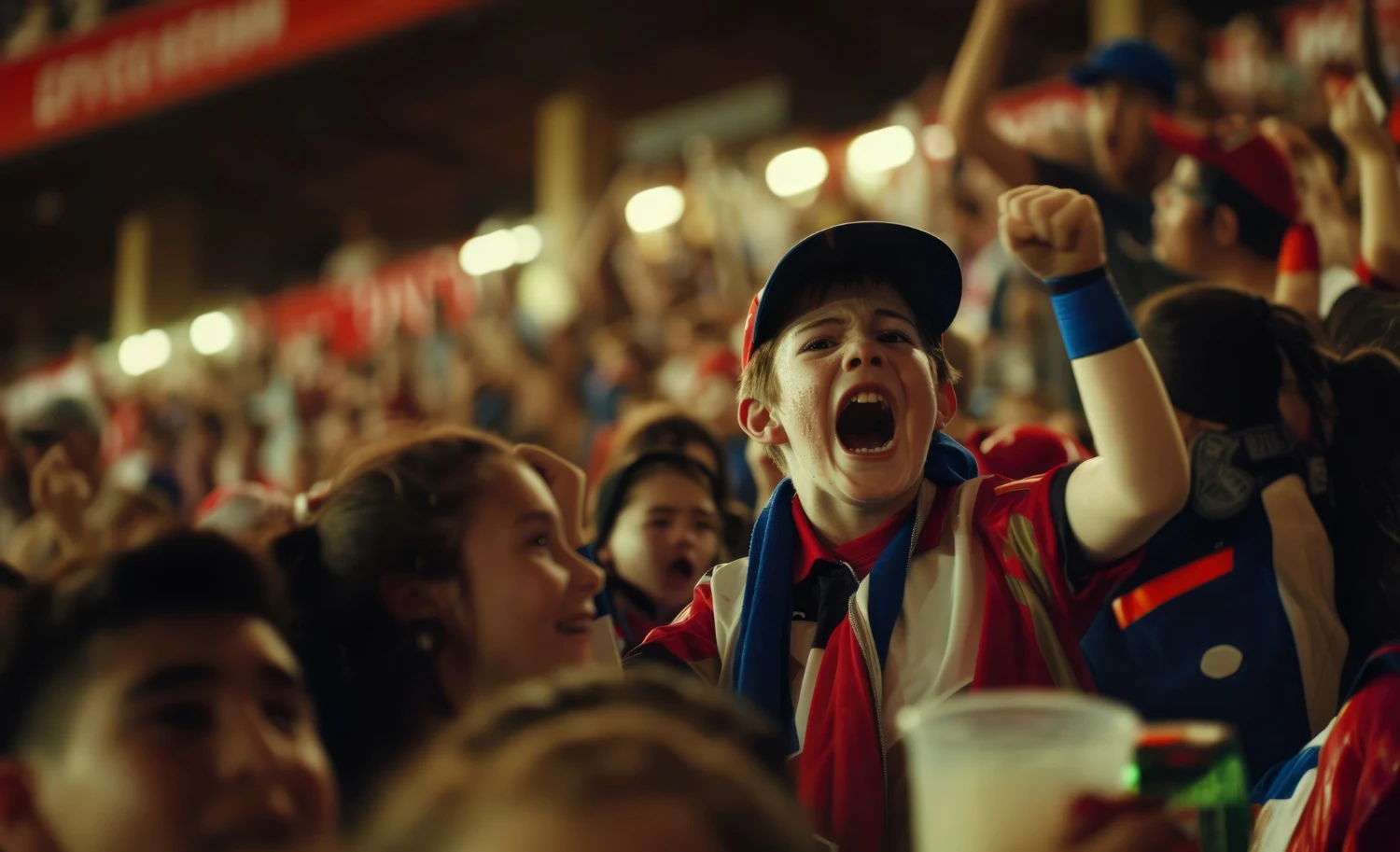
It is important to note that Soccer content increasingly travels through creators rather than traditional ads. FOX Sports built its 2026 World Cup studio around recognizable football names like Thierry Henry and Zlatan Ibrahimović. This was paired with US voices including Carli Lloyd and Landon Donovan.
It mirrors the format NBA coverage has used successfully with personalities like Charles Barkley. The goal is the same across sports: Turn analysis into shareable short-form moments.
Short-form video drives discoverability
Player reactions, behind-the-scenes clips, and fan commentary consistently perform well on TikTok, Instagram, and YouTube. This helps the sport travel faster than traditional broadcast alone could manage.
This format is particularly effective at reaching younger, casual viewers who may encounter a club or player through a social feed long before they search for it directly.
Social proof builds lasting fan identity
Sources tracking 2026 World Cup ad spend note that soccer-related creators, including current and former players, are commanding a larger share of marketing budgets than in the previous tournament cycles.
That shift reflects a broader truth that fans increasingly look to creator communities and not just broadcasters, for a sense of belonging within a league or club.
The Digital Marketing Value
World Cup content is a major SEO opportunity
With streaming now accounting for a good percentage of all US TV viewing time, connected TV has become the central battlefield for sports marketers. Search and AI-driven discovery are becoming equally important.
The fans are increasingly finding leagues, players, and merchandise through search and AI answers before settling into a single channel. This means that timely and well-structured content has real commercial value during this window.
Paid, owned, and earned channels working together
The most effective campaigns this year are coordinated across channels rather than running in isolation. MLS, for instance, layered celebrity-led national ads with city-specific activations and product-focused promotions for its Saturday and Sunday night broadcasts.
It was sponsored respectively by Walmart and Continental Tire. This kind of multi-channel coordination consistently outperforms single-channel pushes.
Measurement defines success
For marketers, the real test of a World Cup campaign is not just attention but outcomes. This includes traffic, follower growth, social engagement,ticket interest, and sponsorship renewal rates.
MLS’s own framing captures this well. The World Cup window is only valuable if it builds something that lasts after the tournament ends.
Join Our Online Digital Marketing Course & Learn the Fundamentals!
Conclusion
The World Cup is functioning as a structural growth catalyst for American soccer, not a one-off spike in attention. MLS and NWSL have both built campaigns specifically to capture the tournament’s reach and convert it into lasting subscribers, sponsorship dollars, and ticket buyers.
The early data suggests it is working with rising viewership, growing valuations, and a sponsorship pipeline that includes hundreds of new brand partners. For marketers and content strategists watching this space, the lesson extends well beyond soccer.
Major cultural moments create a temporary surge in attention. But the leagues and brands that win long-term are the ones that turn that surge into content, community, and habit, long after the final whistle.
|
RELATED POSTS |
|
| Vector Databases and the Evolution of Semantic SEO | |
| Meta’s Wukong and GEM: The New Architecture of Advertising | |
Frequently Asked Questions
How does the World Cup help US soccer leagues like MLS and NWSL?
The tournament drives a measurable spike in search interest, social engagement, and casual viewership that both leagues actively convert into season-long fans through targeted campaigns. MLS alone reported a 62% rise in viewership in the lead-up to the 2026 tournament.
Why are brand partners spending more during the 2026 World Cup?
Brands want cultural relevance and access to a highly engaged, fast-growing audience rather than simple visibility. The tournament offers a rare moment when storytelling-driven sponsorship outperforms traditional logo placement.
How is MLS using the World Cup to grow its fanbase?
MLS launched its “MLS Is Back” campaign months before the tournament, using star players, celebrity owners, and creators to connect World Cup energy with domestic matches. The strategy aims to convert four-year fans into year-round supporters.
What has NWSL's growth looked like heading into the World Cup year?
NWSL posted its fourth consecutive year of viewership growth in 2025, up 22% year-over-year, alongside sponsorship revenue of roughly $39.5 million and more than 400 active brand partners.
Are official FIFA sponsors the only brands that benefit from the World Cup?
No. Unofficial sponsors have historically captured major brand lift through cultural storytelling rather than paid sponsorship, as seen with Nike’s celebrated 1998 World Cup campaign that never mentioned FIFA.
How important are creators in 2026 World Cup marketing?
Creators and former players are commanding a growing share of marketing budgets this cycle, helping leagues and brands reach younger audiences through relatable, short-form content rather than traditional ads.
What happens to fan interest in MLS and NWSL after the World Cup ends?
Both leagues are explicitly building post-tournament content strategies, including local activations, player storytelling, and expanded broadcast slots, designed to keep fans engaged once the World Cup spotlight fades.
What is MLS doing differently in its 2026 marketing compared to past years?
The league is running a coordinated, full-funnel strategy that combines national storytelling, celebrity-driven campaigns, local club activations, and product-specific broadcast sponsorships rather than isolated promotional pushes.
Why does the "discovery funnel" matter for soccer marketing in 2026?
Fans increasingly move through search, AI-driven answers, creator clips, and streaming platforms before settling into a single channel, making structured, searchable content essential for capturing World Cup-driven traffic.