
Table of Contents
Introduction
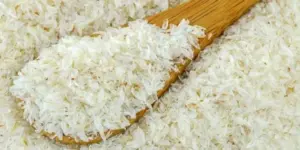
Isabgol, also known as psyllium husk, is a natural source of soluble fibre obtained from the seeds of Plantago ovata. It is widely used in India to support smoother bowel movements, and research also suggests it may help manage cholesterol and blood sugar when used correctly.
What Is Isabgol?
Isabgol is the husk or outer coating of psyllium seeds. When mixed with water, it absorbs liquid and forms a soft, gel-like substance in the digestive tract. This gel adds bulk to the stool and helps it retain moisture, which can make passing stool easier.
Unlike stimulant laxatives, isabgol works mainly as a bulk-forming fibre. It does not force the bowel to move; instead, it supports regularity by improving stool consistency.
Originating from Western Asia, psyllium husk was introduced as a medicinal plant by Indian Muslims. India is the chief producer of Psyllium husks globally.
Turn Your Passion for Fitness into a Profession
Learn practical skills, get certified, and step into the growing fitness industry with confidence.
Join the CourseNutritional Values of Isabgol
Isabgol is valued less for vitamins and minerals and more for its exceptionally high fibre content. A typical 9-gram tablespoon of psyllium husk powder provides about 30 calories, 8 grams of total carbohydrates, and 7 grams of dietary fibre, including roughly 6 grams of soluble fibre.
Because soluble fibre is not digested in the usual way, it provides minimal usable energy while helping support digestion and satiety.
| Nutrient | Approximate Amount per 9 g Tablespoon |
|---|---|
| Calories | 30 kcal |
| Total carbohydrates | 8 g |
| Dietary fibre | 7 g |
| Soluble fibre | 6 g |
| Insoluble fibre | 1 g |
| Protein | Usually negligible or not listed on supplement labels |
| Fat | Usually negligible or not listed on supplement labels |
The exact nutrition profile can vary by brand, processing method, and whether the product is whole husk, powder, or a flavoured formulation. Always check the nutrition label on the pack you purchase.
Key Benefits of Isabgol
1. Relieves Constipation
Isabgol is best known for relieving occasional constipation. Its soluble fibre absorbs water, softens hard stools, and increases their bulk, making them easier to pass naturally, according to studies.
Most people may notice a bowel movement within 12 to 72 hours after taking a psyllium-based fibre supplement.
2. Supports Diarrhoea Management
Although it may sound contradictory, psyllium can also help with mild diarrhoea. Because it absorbs excess water in the gut, it can help firm loose stools and reduce the frequency of bowel movements. Studies have also shown that isabgol helps slow down colon transit and gastrointestinal emptying time.
However, persistent or severe diarrhoea needs medical assessment, especially if it is accompanied by dehydration, fever, or blood in the stool.
3. May Help Lower LDL Cholesterol
Soluble fibre binds to bile acids in the digestive system. The body then uses cholesterol to make more bile, which may help reduce LDL or “bad” cholesterol over time.
Studies suggest that regular intake of around 10 grams of psyllium husk daily may support cholesterol reduction, particularly when combined with a heart-healthy diet.
4. Supports Blood Sugar Control
Isabgol may slow the digestion and absorption of carbohydrates, which can help prevent sharp rises in blood glucose after meals. Research indicates that taking psyllium before meals may help lower fasting blood sugar in people with diabetes. Studies conducted on patients with diabetes have shown that isabgol husk effectively improved glycaemic and lipid control.
It should not replace diabetes medicines, insulin, or a doctor-recommended diet, but it may be a useful addition to an overall blood sugar management plan.
5. Promotes Digestive Comfort
By supporting regular bowel movements and improving stool consistency, isabgol may reduce straining, bloating, and discomfort linked to irregular digestion. Some evidence also suggests psyllium may benefit people with irritable bowel syndrome (IBS), though individual responses vary.
6. May Support Weight Management
Isabgol is not a weight-loss medicine, but its gel-forming fibre can create a feeling of fullness. Taking it before meals may help some people eat smaller portions and manage cravings more easily.
For best results, it should be paired with balanced meals, regular physical activity, and adequate hydration.
Common Uses of Isabgol
| Purpose | How Isabgol May Help |
|---|---|
| Constipation | Softens stool and adds bulk for easier passage. |
| Loose stools | Absorbs excess water and helps firm stool. |
| High cholesterol | Soluble fibre may help reduce LDL cholesterol. |
| Blood sugar management | May slow glucose absorption after meals. |
| Digestive regularity | Supports softer, more consistent bowel movements. |
| Appetite control | May promote fullness when taken before meals. |
Turn Your Passion for Fitness into a Profession
Learn practical skills, get certified, and step into the growing fitness industry with confidence.
Join the CourseIsabgol vs Other Supplements
Isabgol is one of several fibre supplements available, but its gel-forming nature makes it different from many alternatives. Psyllium absorbs water and forms a thick gel, which helps soften stool, add bulk, and support cholesterol and blood sugar management.
Chia seeds also form a gel when soaked in liquid, but they are a whole food rather than a concentrated fibre supplement. One ounce, or about two to three tablespoons, of chia seeds provides roughly 9.8 grams of dietary fibre, along with protein, omega-3 fats, and antioxidants.
| Supplement | Main Fibre Type | Best Known For | Key Difference from Isabgol |
|---|---|---|---|
| Isabgol or psyllium husk | Mostly soluble, gel-forming fibre | Constipation, stool regularity, LDL cholesterol, blood sugar support | A concentrated fibre supplement that forms a thick gel and needs ample liquid. |
| Chia seeds | Mostly insoluble fibre, with some soluble mucilage | Overall nutrition, satiety, regular bowel movements, omega-3 intake | Provides fibre plus protein, healthy fats, and minerals; less concentrated than psyllium. |
| Wheat bran | Mostly insoluble fibre | Adding stool bulk and preventing constipation | Does not dissolve or form a gel; may be less suitable for people sensitive to roughage. |
| Inulin | Soluble, fermentable fibre | Feeding gut bacteria and supporting microbiome health | May cause gas or bloating in some people; generally less effective for stool bulking. |
| Wheat dextrin | Soluble, low-viscosity fibre | Convenient fibre supplementation | Does not form a strong gel and is not associated with the same cholesterol or glucose benefits as psyllium. |
| Methylcellulose | Soluble, non-fermenting fibre | Constipation relief | Adds bulk but does not provide the same gel-forming metabolic benefits as psyllium. |
| Beta-glucan | Soluble, gel-forming fibre | Cholesterol and blood sugar support | Found naturally in oats and barley; psyllium is often more convenient as a concentrated supplement. |

How to Take Isabgol Safely
The most important rule is simple: never take isabgol dry. It must be mixed with enough liquid, because it expands quickly and can cause choking or digestive blockage if swallowed without sufficient water.
Basic Method
- Add 1 teaspoon of isabgol husk or powder to a full glass of water, about 200–250 ml.
- Stir briskly and drink it immediately, before it becomes too thick.
- Drink another glass of water afterwards if needed.
- Start with once daily and increase gradually only if required.
Best Time to Take It
- For constipation: Take it at night with warm water or milk, or after dinner.
- For cholesterol or blood sugar: Taking it before meals may be helpful.
- For appetite control: Take it 20–30 minutes before a main meal.
What You Can Mix It With
Isabgol can usually be mixed with:
- Plain water or lukewarm water
- Milk
- Buttermilk or curd
- Fruit juice
- Lassi
For constipation, water or warm milk is commonly preferred. For loose stools, curd or buttermilk may be more suitable, but follow the advice on your product label or from a healthcare professional.
Recommended Dosage
A common starting amount for adults is 1 teaspoon once daily, mixed in a full glass of liquid. If tolerated, it may be gradually increased; many products allow up to three servings daily.
For cholesterol or blood sugar support, some evidence-based guidance points to around 10 grams per day, divided into two or three doses before meals.
Always follow the dosage printed on your specific product, as concentration and formulation can differ.
Possible Side Effects
Isabgol is generally well tolerated, but increasing fibre too quickly can cause temporary digestive symptoms, including:
- Gas
- Bloating
- Stomach cramps
- Nausea
- Diarrhoea or loose stools
- Temporary constipation
Starting with a small amount and drinking plenty of water can reduce these effects.
Interactions with Other Drugs
Isabgol can slow or reduce the absorption of some oral medicines because its gel-like fibre may trap medicines in the digestive tract. For this reason, it is generally advised to take psyllium at least two hours before or after other medicines.
| Medicine or Medicine Group | Possible Interaction | What to Do |
|---|---|---|
| Diabetes medicines and insulin | Isabgol may lower blood sugar, which can add to the effect of glucose-lowering medicines. | Monitor blood sugar regularly and consult your doctor before regular use. |
| Lithium | Psyllium may reduce lithium absorption and blood levels. | Keep a clear time gap and speak with your prescribing doctor. |
| Carbamazepine | Psyllium may reduce absorption and serum levels of this seizure medicine. | Take them at separate times and follow medical advice. |
| Thyroid medicines such as levothyroxine | Fibre supplements may interfere with absorption when taken too close together. | Take thyroid medicine on an empty stomach and maintain a generous gap; ask your doctor for the exact timing. |
| Warfarin and other blood thinners | Absorption or medication response may be affected, requiring careful monitoring in some cases. | Inform your doctor, especially if you take warfarin regularly. |
| Digoxin | Psyllium may affect absorption of this heart medicine. | Separate the doses and consult your doctor or pharmacist. |
| Other regular prescription medicines | The fibre gel may reduce absorption of various oral drugs. | Keep at least a two-hour gap unless your healthcare professional advises otherwise. |
If you take prescription medication daily, ask a doctor or pharmacist before starting isabgol. Do not stop or change any prescribed medicine on your own, and report unusual symptoms such as dizziness, very low blood sugar, palpitations, or a change in how well your medicine seems to work.
Who Should Avoid or Use Caution?
Speak with a doctor before using isabgol if you:
- Have difficulty swallowing
- Have a known bowel obstruction or narrowing
- Have unexplained rectal bleeding
- Have severe abdominal pain or vomiting
- Have a sudden or long-lasting change in bowel habits
- Are pregnant or breastfeeding
- Are taking regular prescription medicines
Psyllium can interfere with the absorption of oral medicines. To reduce this risk, take isabgol at least two hours before or after other medicines.
Seek urgent medical help if you develop breathing difficulty, swelling, severe rash, itching, or trouble swallowing after taking isabgol, as these may signal an allergic reaction.

Important Tips for Best Results
- Drink at least a full glass of liquid with every dose.
- Do not take dry isabgol or inhale the powder.
- Increase the quantity slowly to allow your body to adjust.
- Continue drinking water throughout the day.
- Use it consistently for digestive benefits rather than expecting instant results.
- Pair it with fibre-rich foods such as vegetables, fruits, whole grains, legumes, and nuts.
Final Thoughts
Isabgol is a gentle, versatile soluble-fibre supplement that can support constipation relief, digestive regularity, cholesterol management, and blood sugar control. Its effectiveness depends heavily on correct use: mix it well, drink it immediately, and keep yourself well hydrated.
If you have ongoing constipation, unexplained digestive symptoms, diabetes, heart disease, or take daily medicines, check with a doctor or pharmacist before making isabgol a regular part of your routine.
Turn Your Passion for Fitness into a Profession
Learn practical skills, get certified, and step into the growing fitness industry with confidence.
Join the CourseFrequently Asked Questions
Can I take isabgol every day?
Yes, many adults can take isabgol daily in recommended amounts with sufficient water. However, people with medical conditions or those taking regular medicines should consult a doctor first.
How long does isabgol take to work for constipation?
It commonly produces a bowel movement within 12 to 72 hours.
Can isabgol be taken with milk?
Yes. It can be mixed with warm milk, water, juice, curd, or buttermilk, provided you use enough liquid and drink the mixture promptly.
Is isabgol good for acidity?
Isabgol is mainly used for bowel regularity. It may help some people with digestive discomfort, but it is not a primary treatment for acid reflux or gastritis. Consult a doctor if acidity is frequent or severe.
Can isabgol help with weight loss?
It may support weight management by increasing fullness before meals, but it works best alongside a calorie-balanced diet and exercise. It is not a standalone weight-loss solution.