Table of Contents
Introduction
Healthy eating does not require strict dieting, expensive superfoods, or giving up every food you enjoy. It is about making small, consistent choices—such as adding more vegetables, choosing whole grains, drinking more water, and limiting added sugar and salt—that support your energy, digestion, and long-term health.
A balanced diet can help protect against chronic conditions such as heart disease, type 2 diabetes, and some cancers, while also improving everyday wellbeing. The good news is that you do not need to change everything at once. Start with a few habits you can maintain, then build from there.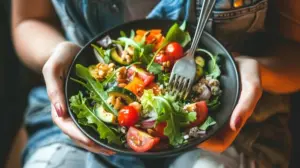
Why Healthy Eating Matters
Food provides the energy and nutrients your body needs for daily activities, immunity, growth, and repair. Eating a wide variety of foods helps ensure you receive a broad mix of vitamins, minerals, fibre, protein, and healthy fats.
Your calorie needs depend on factors such as age, body size, activity level, and health goals. Rather than focusing only on calories, aim for food quality: choose minimally processed foods more often and keep highly processed foods, sugary drinks, and salty snacks as occasional choices.
Become a General Fitness Trainer with Entri’s certified course!
Turn Your Passion for Fitness into a Profession
Learn practical skills, get certified, and step into the growing fitness industry with confidence.
Join the CourseBuild a Balanced Plate
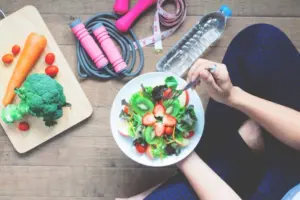
A simple way to plan meals is to use the healthy plate method. Make vegetables and fruits the largest part of your plate, add a portion of whole grains, and include a protein source.
| Food group | What to include | Everyday examples |
|---|---|---|
| Vegetables and fruits | Aim for colour and variety; make them about half your meal | Spinach, carrots, tomatoes, broccoli, berries, oranges, papaya |
| Whole grains | Choose fibre-rich grains instead of refined grains most of the time | Brown rice, oats, whole-wheat roti, quinoa, whole-grain bread |
| Protein | Include plant or animal-based protein at main meals | Lentils, beans, chickpeas, eggs, fish, chicken, paneer, yoghurt |
| Healthy fats | Use moderate amounts of unsaturated fats | Olive oil, nuts, seeds, avocado |
| Fluids | Drink mainly water or other low-sugar drinks | Water, unsweetened tea, plain milk |
Vegetables, fruits, legumes, whole grains, and protein foods work together to create a satisfying meal. You can apply this approach even when eating curry and rice, soups, salads, or packed lunches—simply balance the portions rather than relying on one food group.
Eat More Vegetables and Fruits
Fruits and vegetables supply fibre, vitamins, minerals, and plant compounds that support overall health. Diets rich in these foods are associated with a lower risk of obesity, heart disease, stroke, diabetes, and certain cancers.
You do not need unusual or costly produce to eat well. Add sliced vegetables to eggs, include a salad with lunch, keep fruit visible on the counter, or blend spinach into a smoothie. Frozen and canned vegetables can be just as useful as fresh options, especially when they are convenient and budget-friendly.
A practical goal is to include vegetables or fruit at every meal. For example, add a banana to breakfast, carry an apple for a snack, and serve cooked vegetables with dinner.
Choose Whole Grains and Fibre
Starchy foods such as rice, bread, potatoes, pasta, and cereals can be part of a healthy diet. Choosing higher-fibre versions—such as brown rice, oats, whole-wheat bread, or potatoes with the skin—can help you feel fuller for longer and support digestive health.
Fibre-rich carbohydrates also tend to have a gentler effect on blood sugar than refined options such as white bread or white rice. Try replacing one refined grain at a time: use oats for breakfast, choose whole-wheat roti or bread at lunch, or mix brown rice with your usual white rice until the change feels natural.
Be mindful of what you add to these foods. Butter, creamy sauces, fried toppings, and excessive oil can quickly increase the calorie content of an otherwise balanced meal.
Turn Your Passion for Fitness into a Profession
Learn practical skills, get certified, and step into the growing fitness industry with confidence.
Join the CourseInclude Protein at Every Meal
Protein helps maintain muscle, supports repair, and keeps meals satisfying. Good options include lentils, beans, peas, eggs, fish, chicken, yoghurt, paneer, tofu, nuts, and seeds.
Fish is a particularly useful protein source because it provides important vitamins, minerals, and omega-3 fats. The NHS recommends eating at least two portions of fish each week, including one portion of oily fish such as salmon, sardines, mackerel, or trout.
If you follow a vegetarian diet, combine lentils or beans with grains, vegetables, nuts, or dairy to create filling and nutritious meals. Limit processed meats such as sausages, bacon, and packaged cold cuts, which are best kept as occasional foods.
Cut Back on Added Sugar
Added sugars are common in soft drinks, packaged juices, sweets, cakes, biscuits, flavoured yoghurts, and many breakfast cereals. Regularly consuming sugary foods and drinks can contribute to weight gain and tooth decay.
The World Health Organization recommends keeping free sugars below 10% of daily energy intake, with further benefits when intake is reduced below 5%. In everyday terms, this means treating desserts and sugary beverages as occasional treats rather than daily habits.
Simple swaps include:
- Drink water, unsweetened tea, or plain milk instead of soda or sweetened juice.
- Choose whole fruit instead of sweets when you want something sweet.
- Read labels on cereals, sauces, flavoured yoghurt, and packaged snacks.
- Reduce sugar gradually in tea, coffee, and homemade drinks.
Even 100% fruit juice contains free sugars, so it is better to limit juice to a small serving and choose whole fruit more often.
Reduce Salt Gradually
Too much salt can raise blood pressure, which increases the risk of heart disease and stroke. WHO advises adults to keep salt intake below 5 grams per day, while the NHS suggests no more than 6 grams daily for adults and children aged 11 and over.
Much of the salt in the diet comes from packaged and restaurant foods, not just the salt shaker. Bread, sauces, instant noodles, pickles, processed snacks, soups, and ready meals can all contain high amounts of sodium.
To reduce salt without losing flavour, use lemon, garlic, ginger, herbs, pepper, and spices. Taste food before adding extra salt, and check nutrition labels when buying packaged products.
Choose Healthier Fats
Your body needs some fat, but the type and amount matter. Unsaturated fats from foods such as olive oil, nuts, seeds, and fish are generally better choices than large amounts of saturated fats from butter, ghee, fatty meat, cream, and hard cheese.
Try cooking with a small amount of vegetable or olive oil, choosing lean cuts of meat, and adding nuts or seeds to meals. Avoid industrially produced trans fats, often found in some fried and heavily processed foods.
Fats are energy-dense, so portion size still matters. A small handful of nuts or a spoonful of oil can add nutrition, but large amounts can make it harder to maintain a healthy weight.
Drink Enough Water
Staying hydrated supports concentration, digestion, physical performance, and overall comfort. The NHS recommends 6 to 8 glasses of fluid daily, with water, lower-fat milk, and low-sugar drinks being healthier choices.
Sugary soft drinks provide calories with little nutritional benefit and can harm dental health. Even unsweetened juice and smoothies should be limited because they contain free sugars.
Keep a water bottle nearby, drink a glass of water after waking up, and have water with meals. You may need more fluids in hot weather or during exercise.
Turn your passion into a profession with Entri’s Advanced Certified Personal Trainer Course!
Practise Mindful Portions
Healthy eating is not only about what you eat; how much you eat also matters. Eating slowly, avoiding distractions, and stopping when comfortably full can help you recognise your body’s hunger and fullness signals.
Use smaller plates if large portions have become your normal. Serve vegetables first, then add grains and protein. This makes it easier to fill up on nutrient-rich foods without feeling deprived.
Avoid labelling foods as strictly “good” or “bad.” A flexible approach is easier to maintain: eat nourishing foods most of the time, enjoy treats occasionally, and return to your normal routine at the next meal.
Plan Ahead for Busy Days
Many unhealthy food choices happen because of hunger, stress, or lack of preparation. A little planning can make healthier decisions the easiest option.
- Keep washed fruit, nuts, yoghurt, or roasted chickpeas ready for snacks.
- Batch-cook lentils, vegetables, or whole grains for busy weekdays.
- Make a simple shopping list based on meals for the week.
- Prepare lunch the night before to avoid relying on fast food.
- Keep frozen vegetables available for quick dinners.
Planning does not need to be perfect. Even preparing one extra meal or snack in advance can reduce last-minute takeaway orders and impulsive snacking.
Do Not Skip Meals
Skipping meals may seem like a quick way to eat less, but it can lead to extreme hunger and overeating later. A balanced breakfast containing fibre, protein, and healthy fats can help you start the day with steadier energy.
Good breakfast ideas include oats with fruit and nuts, eggs with whole-grain toast, idli or dosa with sambar, yoghurt with seeds and fruit, or a vegetable-filled whole-wheat wrap. Choose options that keep you satisfied rather than sugary cereals or pastries alone.
If you do not feel hungry in the morning, do not force a large meal. A lighter option such as fruit with yoghurt or a small bowl of oats can still provide useful nutrients.
Combine Healthy Eating With Movement
Nutrition and physical activity work best together. Regular movement helps manage weight, supports heart health, improves mood, and reduces the risk of several long-term health conditions.
You do not need an intense workout routine to benefit. Walking, cycling, stretching, household chores, dancing, or taking the stairs all add up. Aim to move more throughout the day and choose activities you enjoy so the habit lasts.
Also read: Cardio Workouts for Weight Loss
A Simple One-Day Example
Here is an example of how these habits can look in real life:
| Meal | Healthy option |
|---|---|
| Breakfast | Vegetable oats with nuts and a banana |
| Mid-morning snack | A fruit or a small handful of roasted chana |
| Lunch | Brown rice or whole-wheat roti, dal, vegetables, salad, and curd |
| Evening snack | Buttermilk, fruit, or unsalted nuts |
| Dinner | Grilled fish or paneer, stir-fried vegetables, and a small portion of whole grains |
| Drinks | Water throughout the day, with unsweetened tea if desired |
This kind of routine includes fibre, protein, healthy fats, and a variety of vitamins and minerals without being complicated.
Final Thought: Start With One Change
You do not need a perfect diet to improve your health. Pick one habit—such as adding a vegetable to lunch, drinking more water, or reducing sugary drinks—and practise it for a week. Once it feels normal, add another.
Consistency matters more than perfection. Over time, these small decisions can become a sustainable eating pattern that supports your energy, mood, and long-term wellbeing.
This article is for general information only and does not replace personalised advice from a doctor, registered dietitian, or other qualified health professional.
Turn Your Passion for Fitness into a Profession
Learn practical skills, get certified, and step into the growing fitness industry with confidence.
Join the CourseFrequently Asked Questions
Can I eat rice every day and still be healthy?
Yes. Rice can be part of a healthy diet, especially when paired with vegetables, dal or another protein source, and healthy fats. For better fibre and steadier energy, consider mixing white rice with brown rice, millets, or adding more vegetables and legumes to the meal.
Are carbohydrates bad for weight loss?
No. Carbohydrates are an important energy source, but the quality and portion size matter. Choose fibre-rich options such as oats, whole-wheat roti, brown rice, millets, fruits, and legumes more often than refined foods such as white bread, pastries, and sugary snacks.
Is it necessary to count calories to eat healthily?
Not always. Many people can improve their diet by focusing on food quality, balanced meals, hydration, and portion awareness. Calorie tracking may be useful for specific goals, but it should not replace listening to hunger and fullness cues.
What are healthy snack options between meals?
Choose snacks that combine fibre, protein, or healthy fats. Good examples include fruit with yoghurt, roasted chana, boiled eggs, unsalted nuts, vegetable sticks with hummus, buttermilk, or a small bowl of sprouts. These options are more filling than biscuits, chips, or sugary drinks.
Are frozen vegetables and canned beans healthy?
Yes. Frozen vegetables are usually frozen soon after harvesting and can retain many nutrients. Canned beans can also be convenient and nutritious; choose versions with no added sugar and rinse them to reduce excess sodium.
How can I eat healthy on a tight budget?
Buy seasonal fruits and vegetables, use lentils, beans, eggs, and yoghurt as affordable protein sources, and cook simple meals at home. Frozen vegetables, whole grains bought in bulk, and leftovers reused for lunch can also reduce food costs without reducing nutrition.
Can I eat out and still follow healthy eating habits?
Yes. Look for meals that include vegetables, lean protein, and whole grains. Ask for sauces or dressings on the side, choose grilled or steamed dishes over deep-fried options, and avoid making sugary drinks a default choice. You can also balance a heavier restaurant meal with lighter, vegetable-rich meals earlier or later in the day.
How long does it take to see results from healthy eating?
It varies from person to person. Some people notice better energy, digestion, or reduced bloating within a few weeks, while weight, blood sugar, cholesterol, and blood-pressure changes may take longer. Consistency over months matters more than short-term perfection.
Should I avoid eating after a certain time at night?
There is no universal cutoff time that suits everyone. What matters most is your overall daily food intake and whether late-night eating leads to overeating or poor sleep. If you feel hungry at night, choose a light option such as fruit, yoghurt, warm milk, or a small bowl of soup.
Do I need supplements if I eat a balanced diet?
Most people can meet their nutrient needs through a varied diet. However, some people may need supplements due to medical conditions, restricted diets, pregnancy, low sunlight exposure, or diagnosed deficiencies. Speak with a doctor or registered dietitian before starting supplements, especially high-dose products.