Table of Contents
Introduction
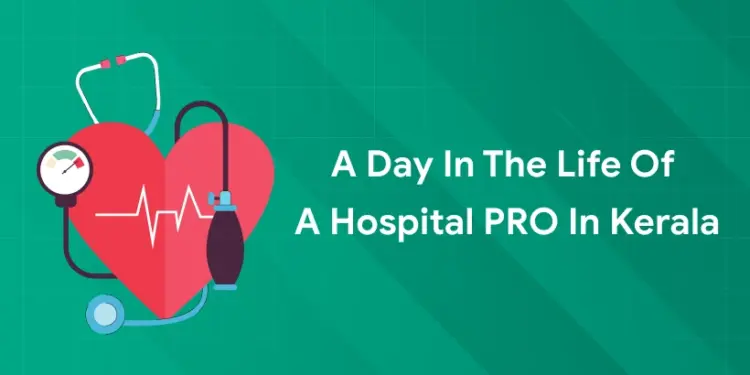
When people visit a hospital, they usually interact with doctors, nurses, receptionists and technicians. However, another professional works quietly behind the scenes to make their experience smoother—the Public Relations Officer, commonly known as the hospital PRO. A hospital PRO acts as a communication link between patients, families, hospital departments, doctors, the media and the general public.
The role involves much more than welcoming visitors or promoting hospital services. It includes listening to concerns, coordinating solutions, supporting awareness programmes and helping the hospital maintain public trust. Hospital PRO job descriptions commonly include patient communication, grievance handling, departmental coordination, media relations, outreach programmes and feedback reporting. The daily routine of a hospital PRO in Kerala can be busy, unpredictable and emotionally demanding. No two days are exactly the same.
Starting the Day at the Hospital
1: What is the primary role of a hospital administrator?
A hospital PRO usually begins the day by reviewing the previous day’s activities and checking for any pending concerns. This may include unresolved patient complaints, requests from hospital departments, upcoming health camps, media enquiries or scheduled visits by important guests. The PRO may also attend a morning meeting with the hospital administrator or public relations team. During this meeting, the team discusses:
- Patient feedback received on the previous day.
- Complaints that require follow-up.
- Health awareness programmes and medical camps.
- Doctor availability and special outpatient clinics.
- Hospital announcements or new services.
- Expected VIP visits, inspections or media interactions.
- Any operational issue that could affect patient satisfaction.
This initial review helps the PRO plan the day. Since hospitals are active throughout the day, the PRO must be ready to change the schedule whenever an urgent situation arises.
Also read: How to Become a Public Relations Officer in a Hospital?
Hospital Administration Course with Assured Career Growth
Hospital Administration Course by Entri App: Master essential healthcare management skills, gain certification, and secure top roles in leading hospitals
Join Now!Welcoming Patients and Visitors
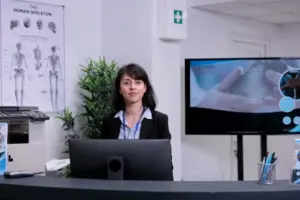
As the hospital becomes busier, the PRO moves through the reception area, outpatient department and other patient-facing sections. In Kerala, patients may arrive from nearby towns and villages, while others may travel from different districts for specialised treatment. Some may be visiting a hospital for the first time and may not know where to go. The PRO helps patients and their families understand the hospital’s procedures. This may involve guiding them to:
- Registration and appointment counters.
- Consultation rooms.
- Diagnostic departments.
- Pharmacy and billing sections.
- Insurance or cashless service desks.
- Inpatient admission areas.
- Emergency and ambulance services.
- Cafeteria, waiting areas and other facilities.
A PRO may also assist elderly patients, people with disabilities and families who are confused or distressed. Clear directions and a calm attitude can make a major difference, particularly when patients are anxious about their health. Communication skills are especially important during these interactions. A hospital PRO may need to communicate in Malayalam, English or occasionally Tamil or Hindi, depending on the patient’s background. The goal is not simply to give information but to ensure that the patient has understood it correctly.
Listening to Patient Concerns
One of the most important responsibilities of a hospital PRO is listening to patients and their relatives. Patients may approach the PRO with concerns about waiting time, billing, room facilities, staff behaviour, appointment delays, diagnostic reports or communication gaps. A PRO must listen without interrupting and avoid making promises that the hospital cannot fulfil. After understanding the concern, the PRO records the details and contacts the appropriate department.
For example, if a patient complains about a long delay in receiving a scan report, the PRO may coordinate with the radiology department to check the status. If a relative has difficulty understanding a billing issue, the PRO may connect them with the accounts or insurance team. If the concern relates to nursing care, the PRO may communicate it to the nursing supervisor. The PRO does not replace doctors or hospital administrators. Instead, the officer ensures that the concern reaches the right person and that the patient receives a proper response.
Step into the world of Hospital Administration with Entri!
Coordinating with Hospital Departments
Hospitals function through the combined efforts of several departments. A delay or communication problem in one department can affect the patient’s entire experience. The PRO therefore spends a considerable part of the day coordinating with doctors, nurses, reception staff, laboratory teams, billing personnel, housekeeping staff, and administrators. The PRO may follow up on matters such as:
- Delayed appointments.
- Patient admissions and room allocation.
- Discharge-related communication.
- Diagnostic procedures.
- Ambulance arrangements.
- Referral or transfer requirements.
- Insurance documentation.
- Availability of doctors or specialists.
- Patient requests regarding facilities.
For instance, a family may be waiting for discharge but may not know whether the final bill, prescription or discharge summary is ready. The PRO can coordinate with the concerned departments and provide the family with accurate updates. This coordination requires patience and professional judgement. The PRO must respect the responsibilities of every department while ensuring that the patient’s concern is not ignored.
Also read: Qualifications Required to Become a PRO in Hospital
Hospital Administration Course with Assured Career Growth
Hospital Administration Course by Entri App: Master essential healthcare management skills, gain certification, and secure top roles in leading hospitals
Join Now!Supporting Doctors and Patient Communication
A hospital PRO may also assist with doctor-related communication. This can include coordinating appointments, informing patients about consultation schedules and helping arrange public awareness sessions with medical specialists. Many hospitals in Kerala conduct health talks, screening camps and awareness programmes on topics such as diabetes, heart health, cancer prevention, women’s health, child care and mental wellness. The PRO may coordinate with doctors to finalise the topic, date, venue and communication materials. The officer may also help prepare:
- Event invitations.
- Registration forms.
- Social media announcements.
- Press notes.
- Posters and brochures.
- Questions for public interaction sessions.
- Follow-up messages for participants.
The PRO must ensure that health-related information is communicated responsibly. Promotional language should never create unrealistic expectations or make unsupported medical claims.

Handling Complaints Professionally
Complaints are an unavoidable part of hospital operations. A patient or relative may be upset because of a delay, misunderstanding or an actual service problem. The PRO must remain calm even when the other person is angry. A professional approach usually involves four stages:
- Listening carefully to the complaint.
- Acknowledging the person’s concern.
- Verifying the facts with the relevant department.
- Explaining the next steps and following up until the issue is addressed.
The PRO should not argue with the patient or immediately blame another employee. Instead, the officer should focus on understanding what happened and finding a practical solution. Every complaint should be documented accurately. Regular reports can help hospital management identify repeated problems. For example, if several patients report confusion about a particular department’s location, the hospital may need better signs or clearer directions. If patients frequently complain about appointment delays, the hospital may need to review its scheduling process.
Explore free Hospital Administration courses now!!
Managing Media and Public Enquiries
A hospital PRO may receive calls or messages from journalists, local organisations and members of the public. These enquiries may relate to hospital events, new facilities, medical camps, awareness programmes or emergency situations. The PRO must share only verified information and follow the hospital’s communication policy. Patient confidentiality is extremely important.
Personal medical details, photographs or statements should not be shared without proper permission and authorisation. During a sensitive incident, the PRO may help coordinate communication between hospital management and the media. The officer’s responsibility is to prevent rumours, communicate confirmed facts and protect the dignity and privacy of patients and families. Social media may also form part of the role. The PRO could assist with content about:
- Doctor-led awareness sessions.
- Hospital achievements.
- Community health camps.
- New departments or facilities.
- Patient education initiatives.
- Important hospital notices.
Such content should be accurate, respectful and easy to understand.
Conducting Health Camps and Outreach Activities
Community outreach is an important part of hospital public relations. Hospitals may organise medical camps in schools, workplaces, residential communities, rural areas or local institutions. A PRO may be responsible for contacting community representatives, coordinating doctors and nurses, arranging registration, preparing promotional materials and ensuring that participants receive clear instructions. On the day of a camp, the PRO may:
- Welcome participants.
- Manage the registration flow.
- Coordinate screening stations.
- Help patients reach the appropriate medical team.
- Answer questions about follow-up consultations.
- Coordinate photographs or media coverage when authorised.
- Collect feedback from participants.
- Prepare a report after the programme.
Kerala has a strong network of local communities and healthcare institutions. Therefore, building respectful relationships with resident associations, educational institutions, charitable organisations and local media can support successful outreach initiatives.
A Day Can Change Without Warning
Although a PRO may begin the day with a clear schedule, hospitals often present unexpected situations. A patient may need urgent assistance, a family may require help with a referral, or a media organisation may request information about an event. The PRO may also be asked to support the hospital during:
- Emergency situations.
- VIP visits.
- Official inspections.
- Public awareness campaigns.
- Patient transfers.
- Unexpected crowding.
- Service disruptions.
- Public complaints on social media.
During such situations, the PRO must prioritise patient safety, accurate communication and coordination with hospital leadership. The officer should never speculate or spread unverified information.
Recording Feedback and Preparing Reports
At the end of the day, the PRO reviews the concerns and interactions recorded during working hours. This may include the number of patient queries, complaints received, complaints resolved, pending cases, feedback trends and outreach activities. A daily or weekly report may contain:
| Area | Details recorded |
|---|---|
| Patient assistance | Number and type of queries handled |
| Feedback | Positive comments and improvement suggestions |
| Complaints | Nature of complaints and departments involved |
| Follow-up | Actions taken and pending matters |
| Outreach | Events, camps or awareness activities |
| Media communication | Enquiries, releases or public announcements |
These records help hospital management understand the patient experience. They also provide evidence for improving services and monitoring whether complaints are being resolved within a reasonable period.
Skills Required for the Role
A successful hospital PRO needs a combination of communication, administrative and interpersonal skills. Important qualities include:
- Clear speaking and writing skills.
- Fluency in Malayalam and English.
- Patience while handling distressed patients.
- Knowledge of hospital procedures.
- Good coordination ability.
- Basic computer and documentation skills.
- Professional telephone etiquette.
- Problem-solving ability.
- Emotional maturity.
- Confidentiality and ethical conduct.
- Crisis communication skills.
- The ability to remain calm under pressure.
A background in public relations, mass communication, hospital administration, social work or a related field can be useful. However, practical communication skills and a patient-focused attitude are equally important.
The Human Side of the Job
The work of a hospital PRO can be emotionally challenging. The officer may speak with families who are worried about a serious diagnosis, patients who are frustrated by delays or relatives who are struggling to understand hospital procedures. At the same time, the role can be deeply rewarding. A simple explanation, timely follow-up or compassionate conversation may reduce a family’s stress during a difficult moment. The best PROs understand that hospital communication is not only about protecting an institution’s image. It is also about helping people feel heard, respected and supported.
Conclusion
A day in the life of a hospital PRO in Kerala involves much more than public speaking or promotional work. The PRO welcomes patients, listens to concerns, coordinates with departments, supports doctors, handles feedback, assists with health programmes and protects the hospital’s relationship with the public. The role requires communication, responsibility and empathy. Every interaction can influence how a patient experiences the hospital. By connecting people with the right information and the right support, a hospital PRO contributes to both patient satisfaction and the smooth functioning of the healthcare institution.
Hospital Administration Course with Assured Career Growth
Hospital Administration Course by Entri App: Master essential healthcare management skills, gain certification, and secure top roles in leading hospitals
Join Now!Frequently Asked Questions
What is a hospital PRO?
A hospital PRO, or Public Relations Officer, is a professional who connects patients, families, hospital staff, doctors, the media and the general public. The PRO helps patients understand hospital procedures, handles concerns, coordinates with departments and supports a positive patient experience.
What does a hospital PRO do on a daily basis?
A hospital PRO may guide patients and visitors, answer service-related questions, coordinate appointments, follow up on complaints, assist with admissions and discharges, collect feedback and support health awareness programmes. The exact routine may vary depending on the hospital’s size and requirements.
Is a hospital PRO the same as a receptionist?
No. A receptionist mainly handles front-desk duties such as registration, appointments and basic enquiries. A PRO has wider responsibilities, including patient relations, complaint resolution, departmental coordination, feedback management, communication activities and public relations.
What qualifications are required to become a hospital PRO in Kerala?
Many employers prefer candidates with a bachelor’s degree in hospital administration, healthcare management, public relations, mass communication, journalism, marketing or a related field. Some job openings may accept graduates from other disciplines if they have relevant communication skills and hospital experience.
Is previous hospital experience necessary for this job?
It depends on the employer. Entry-level positions may accept fresh graduates, while some hospitals prefer candidates with experience in patient relations, healthcare marketing, front-office operations or hospital administration. Certain job listings specifically request previous hospital experience.
Which skills are important for a hospital PRO?
Important skills include:
- Clear verbal and written communication.
- Patient counselling and active listening.
- Complaint-handling and conflict resolution.
- Coordination with different departments.
- Basic computer and documentation skills.
- Knowledge of hospital procedures.
- Professional telephone etiquette.
- Emotional maturity and patience.
- Ability to work under pressure.
- Fluency in Malayalam and English.
Multilingual communication can be particularly useful in Kerala hospitals that receive patients from different regions.
Why is Malayalam important for a hospital PRO in Kerala?
Many patients and family members feel more comfortable explaining their concerns in Malayalam. Speaking the local language helps the PRO communicate procedures clearly, reduce misunderstandings and build trust. English is also useful for communicating with doctors, hospital management, medical representatives and visitors from outside Kerala.
Does a hospital PRO provide medical advice?
No. A PRO may explain hospital procedures, appointment details, billing processes and available services, but should not diagnose illnesses or recommend treatment. Medical advice must come from a qualified doctor or healthcare professional.
How does a PRO handle patient complaints?
The PRO listens carefully, records the details, verifies the issue with the relevant department and communicates the next steps to the patient or family. The officer may also follow up after the issue has been addressed and include recurring complaints in feedback reports for hospital management.
What types of complaints does a hospital PRO usually handle?
Common concerns may relate to appointment delays, waiting time, billing, room facilities, staff communication, insurance procedures, diagnostic reports, cleanliness, directions within the hospital or difficulties during admission and discharge.