
Table of Contents
Introduction
Airports are more than travel points on a map. They are global gateways that connect countries, support trade and tourism, and handle millions of passengers every year. Some airports are so important that they function like cities within cities, moving people at a scale that few other transport hubs can match.
The latest global rankings show that Hartsfield-Jackson Atlanta International Airport remains the busiest airport in the world by total passenger traffic. Dubai, Tokyo Haneda, Dallas Fort Worth, and other major hubs round out the top ranks, reflecting a mix of strong domestic travel markets and international connectivity.
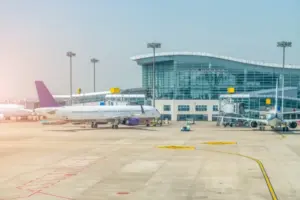
What Makes an Airport Busy?
An airport becomes busy for different reasons.
- A large domestic market can drive high passenger numbers.
- Strong international connectivity increases total traffic.
- Hub status for a major airline can bring in many connecting passengers.
- An airport in a major business or tourism city usually attracts more travellers.
- Good geographic location can make an airport a preferred transfer point.
- Efficient route networks and frequent flights also contribute to higher traffic.
✈️ Start Your Aviation Career Today
Explore career-focused insights on airport jobs, ground staff roles, and aviation training. Learn about salaries, skills, certifications, and hiring trends to start and grow your career in the aviation industry.
Join NowTop 15 Busiest Airports in the World
Below is a clear, updated list of the world’s busiest airports by total passengers. The top 10 figures come from the latest ACI World release and the broader Top 15 is supported by the latest public passenger ranking data.
| Rank | Airport | Country | Total passengers |
|---|---|---|---|
| 1 | Hartsfield-Jackson Atlanta International Airport | United States | 106.3 million |
| 2 | Dubai International Airport | United Arab Emirates | 95.2 million |
| 3 | Tokyo Haneda Airport | Japan | 91.7 million |
| 4 | Dallas Fort Worth International Airport | United States | 85.7 million |
| 5 | Shanghai Pudong International Airport | China | 85.0 million |
| 6 | Chicago O’Hare International Airport | United States | 84.8 million |
| 7 | London Heathrow Airport | United Kingdom | 84.5 million |
| 8 | Istanbul Airport | Turkey | 84.4 million |
| 9 | Guangzhou Baiyun International Airport | China | 83.6 million |
| 10 | Denver International Airport | United States | 82.4 million |
| 11 | Indira Gandhi International Airport | India | 79.3 million |
| 12 | Seoul Incheon International Airport | South Korea | 74.1 million |
| 13 | Los Angeles International Airport | United States | 73.7 million |
| 14 | Charles de Gaulle Airport | France | 72.0 million |
| 15 | Beijing Capital International Airport | China | 70.7 million |
The first 10 airports are directly identified in ACI World’s latest global passenger rankings. Airports from ranks 11 to 15 are also part of the leading global passenger traffic group in the latest public data.
Airport Profiles
1. Hartsfield-Jackson Atlanta International Airport, USA
Hartsfield-Jackson Atlanta International Airport has held the title of the world’s busiest airport for years, and its position remains unchanged in the latest ranking. Its strength comes from a massive domestic market and its role as a major hub for connecting flights across the United States and beyond.
Atlanta’s central location makes it especially efficient for domestic U.S. travel. Because of that, the airport handles enormous passenger volumes even though it is not the world’s largest international transfer airport.
2. Dubai International Airport, UAE
Dubai International Airport is the world’s busiest airport for international passengers and one of the most important hubs in global aviation. It connects travellers across Asia, Europe, Africa, and the Americas, making Dubai a strategic transfer point for long-haul travel.
Its growth is closely tied to Dubai’s role as a global business and tourism destination. The airport’s strong international network helps it remain among the world’s most heavily used airports year after year.
3. Tokyo Haneda Airport, Japan
Tokyo Haneda Airport continues to rank among the top global airports because of its huge domestic traffic and strong international recovery. It is one of the most efficient major airports in Asia and serves a very large metropolitan region.
Haneda’s rise in the rankings reflects the broader rebound of Asia-Pacific aviation. It benefits from high-frequency domestic demand and an expanding international route base.
4. Dallas Fort Worth International Airport, USA
Dallas Fort Worth International Airport is one of the largest airport hubs in the United States and a critical connection point for both domestic and international passengers. Its scale is supported by a large airline hub operation and the growth of the Dallas-Fort Worth metro area.
The airport’s strong passenger count shows how important hub airports are in the U.S. aviation system. Even without being the most famous airport globally, its traffic numbers place it among the world’s elite.
5. Shanghai Pudong International Airport, China
Shanghai Pudong International Airport is one of China’s biggest and most important international gateways. Its passenger traffic has recovered strongly, and the airport has moved higher in the rankings thanks to restored connectivity and demand growth.
Shanghai’s position in the top five also highlights the strength of China’s aviation market. Pudong is especially important for international business, tourism, and long-haul Asia-Pacific travel.
Looking for a job in an Airport? Entri has got you covered! Enrol now!
6. Chicago O’Hare International Airport, USA
Chicago O’Hare remains a major North American hub and one of the busiest airports in the world. It supports a huge network of domestic and international routes and continues to be a key connector in the U.S. airline system.
Its traffic numbers reflect both its geographic advantage and its role as a transfer point. O’Hare is one of the clearest examples of how a global city airport can support enormous passenger volumes.
7. London Heathrow Airport, UK
London Heathrow is one of the most important international airports in the world and a major gateway to Europe. It handles a huge volume of long-haul flights and remains central to business and leisure travel between the UK and global destinations.
Heathrow’s passenger traffic is especially notable because the airport operates in a slot-constrained environment. Even with limited expansion room, it continues to stay near the very top of global rankings.
8. Istanbul Airport, Turkey
Istanbul Airport has become one of the world’s most influential aviation hubs in a relatively short time. Its location between Europe, Asia, and the Middle East gives it a powerful geographic advantage for transfer traffic.
The airport’s rapid rise reflects Turkey’s growing role in global aviation. It has also benefited from strong airline network development and rising passenger demand.
9. Guangzhou Baiyun International Airport, China
Guangzhou Baiyun International Airport is one of the busiest airports in China and a major hub for southern China. Its traffic growth has been supported by domestic travel demand and the broader recovery of the Asia-Pacific region. [aci](https://aci.aero/2026/04/14/worlds-busiest-airports-revealed-in-latest-global-rankings/)
Baiyun’s return to the top tier shows how quickly major Chinese airports are regaining momentum. It now stands as one of the most important gateways in the country’s aviation network. [aci](https://aci.aero/2026/04/14/worlds-busiest-airports-revealed-in-latest-global-rankings/)
10. Denver International Airport, USA
Denver International Airport is one of the busiest airports in the United States and a major domestic connecting hub. Its large catchment area and central position make it an essential airport for cross-country travel.
Denver’s passenger totals are especially impressive because the city is not as large as some other global metro areas. That shows how hub status can matter just as much as city size.
11. Indira Gandhi International Airport, India (Delhi)
Indira Gandhi International Airport is India’s busiest airport and one of the most important in South Asia. Its growth reflects the rapid expansion of India’s aviation market, rising business travel, and strong demand for both domestic and international routes.
Delhi’s airport has become a major global connector for Indian travellers. It also plays a crucial role in linking India with the Middle East, Europe, and Asia-Pacific destinations.
12. Seoul Incheon International Airport, South Korea
Seoul Incheon International Airport remains one of the strongest international hubs in Asia. It is known for its efficiency, transfer traffic, and wide global network.
Incheon’s passenger growth reflects the recovery of long-haul travel and Asia-Pacific aviation. It continues to be one of the best examples of an airport built around international connectivity.
13. Los Angeles International Airport, USA
Los Angeles International Airport is a major gateway to the U.S. West Coast and one of the busiest airports in North America. It handles a mix of domestic, trans-Pacific, and transcontinental traffic.
LAX remains important because of its location, airline network, and strong demand from one of the world’s biggest metropolitan regions. It is both a business airport and a major leisure travel hub.
14. Charles de Gaulle Airport, France
Charles de Gaulle Airport is France’s largest airport and one of Europe’s most significant international hubs. It serves Paris as well as a huge volume of transfer traffic for long-haul European and intercontinental travel.
Its scale and route network make it central to French and European aviation. The airport’s strong passenger numbers also reflect the importance of Paris as a global city.
15. Beijing Capital International Airport, China
Beijing Capital International Airport remains one of the world’s largest airports, despite strong competition from newer Chinese hubs. It is still a key airport for China’s capital and one of the most important gateways in the country.
Its high ranking reflects the enormous scale of Chinese domestic and international air travel. Beijing continues to be a vital center for aviation, government, and business movement.

Top Busiest International Airports in the World
If the list is limited to international passenger traffic only, the ranking changes. Dubai International Airport leads this category, followed by London Heathrow and Seoul Incheon, showing how important transfer and long-haul traffic are in global aviation.
| Rank | Airport | Country | International traffic note |
|---|---|---|---|
| 1 | Dubai International Airport | United Arab Emirates | World leader in international passengers |
| 2 | London Heathrow Airport | United Kingdom | Major Europe–world gateway |
| 3 | Seoul Incheon International Airport | South Korea | Leading Asia-Pacific transfer hub |
| 4 | Singapore Changi Airport | Singapore | Premium global connection airport |
| 5 | Amsterdam Airport Schiphol | Netherlands | Major European transfer hub |
| 6 | Paris Charles de Gaulle Airport | France | Strong intercontinental connector |
| 7 | Istanbul Airport | Turkey | Strategic East-West transfer hub |
| 8 | Frankfurt Airport | Germany | One of Europe’s biggest international airports |
| 9 | Hamad International Airport | Qatar | Key Middle East international hub |
| 10 | Hong Kong International Airport | Hong Kong | Major Asia-Pacific international gateway |
ACI World’s latest release says the top 10 airports for international traffic account for 17% of global international passenger traffic. Dubai remains first, while Heathrow and Incheon hold second and third places. [aci](https://aci.aero/2026/04/14/worlds-busiest-airports-revealed-in-latest-global-rankings/)
Learn Entri’s Airport Management Course with Placement Assistance!
✈️ Start Your Aviation Career Today
Explore career-focused insights on airport jobs, ground staff roles, and aviation training. Learn about salaries, skills, certifications, and hiring trends to start and grow your career in the aviation industry.
Join NowWhy Airport Rankings Matter?
The reasons to why airport rankings matter are as follows:
- Passenger traffic rankings show how busy an airport is over a year.
- They reveal which airports function as major hubs for domestic and international travel.
- They help identify cities and regions that play a key role in global connectivity.
- They are useful for travellers because busy airports often offer more flight choices.
- They are useful for airlines and governments when planning routes, upgrades, and expansion.
- They show where airport infrastructure may need more investment or capacity.
Busiest Airport in India: Indira Gandhi International Airport, Delhi
Indira Gandhi International Airport in Delhi is the busiest airport in India and one of the most important aviation hubs in South Asia. It serves as the main gateway to the national capital and handles a huge volume of domestic and international passengers every year.
The airport has consistently ranked at the top in India because of Delhi’s large passenger demand, strong airline connectivity, and growing role as an international transit point.
Read more: Top Busiest Airports in India
Conclusion
The world’s busiest airports are a reflection of how global aviation works today. The rankings show the dominance of major U.S. domestic hubs, the strength of Middle Eastern and European international connectors, and the continuing recovery of Asia-Pacific airports.
|
Related Articles |
||
| Top Largest Airports in the World | Top Largest Airports in India | Top Busiest Airports in India |
✈️ Start Your Aviation Career Today
Explore career-focused insights on airport jobs, ground staff roles, and aviation training. Learn about salaries, skills, certifications, and hiring trends to start and grow your career in the aviation industry.
Join NowFrequently Asked Questions
What is the busiest airport in the world?
Hartsfield-Jackson Atlanta International Airport is the busiest airport in the world by total passenger traffic. According to the latest ACI World rankings, it handled 106.3 million passengers in 2025.
Why is Atlanta airport the busiest in the world?
Atlanta airport stays at the top because it handles a huge volume of domestic passengers and also works as a major hub for connecting flights. Its central location in the United States and the strong presence of Delta Air Lines also help keep passenger numbers very high.
Which airport is the busiest for international passengers?
Dubai International Airport is the busiest airport in the world for international passenger traffic. It leads the international rankings because it connects travellers across Europe, Asia, Africa, and the Americas.
Are the busiest airports always the largest airports?
No, the busiest airport is not always the largest by land area. “Busiest” usually refers to passenger traffic, while the “largest” airport refers to physical size or land area.
Why do some airports have very high passenger numbers?
Airports become busy when they serve large cities, act as airline hubs, or connect many domestic and international routes. Efficient operations and strong airline networks also play a major role.
Which country has the most airports in the top 15?
The United States has the most airports in the top 15 busiest airports list. This is mainly because of its large domestic travel market and the presence of several major hub airports.
Why are airports like Dubai, Heathrow, and Incheon important?
These airports are major international transfer hubs. They connect passengers between regions and support long-haul travel across continents, which is why they rank highly in international traffic.
Is passenger traffic the only way to measure airport busyness?
No. Airports can also be ranked by aircraft movements, cargo traffic, or international passenger traffic. For example, Chicago O’Hare leads the world in aircraft movements in the latest ACI rankings.