Table of Contents
The right fabric depends on your design goals. Cotton suits casual garments. Silk enhances formal designs. Wool provides warmth. Polyester improves durability. The best fabric supports both style and function.
Fashion styling is not about changing body appearance completely. Instead, choose suitable outfits. They can highlight body features.
Key Takeaways
- Fabric affects comfort and appearance.
- Fabric influences garment performance.
- Different garments need different fabrics.
- Climate impacts fabric selection.
- Texture changes the wearing experience.
- Fabric testing prevents costly mistakes.
- Natural and synthetic fabrics offer unique benefits.
- Beginners should learn fabric properties early.
- Colour behaves differently across fabrics.
- Smart fabric choices improve design success.
Learn Advanced Designing & Boutique Skills with Experts. Join Now!
🧵 Introduction
Every fashion project begins with an idea. However, ideas alone cannot create great garments. Fabric plays a major role in bringing designs to life. A beautiful sketch may fail with poor fabric choices. A simple design may look stunning with suitable fabric.
Many aspiring designers focus heavily on sketches. Others spend time selecting colours and accessories. Yet fabric selection often receives less attention. This mistake can affect the entire project. The final garment may lose shape. It may feel uncomfortable. It may also fail to meet customer expectations.
Fabric affects nearly every design decision. It influences movement, structure, comfort, and durability. It also affects production costs and maintenance requirements. Understanding fabric properties helps designers make better choices.
Fashion designers must learn how fabrics behave. Some fabrics flow naturally. Others hold structure well. Some provide warmth. Others offer breathability. Knowing these differences improves design outcomes.
This guide explains fabric selection in detail. It covers fabric types, garment matching, comfort factors, seasonal choices, testing methods, and beginner tips.

🎨 Why does Fabric Selection Matter in Fashion Design?
Fabric forms the foundation of every garment. It determines how clothing looks and feels. It also affects how garments perform during use.
A designer may create an elegant gown. However, the wrong fabric changes everything. The garment may appear stiff. It may lose its intended silhouette. It may not move gracefully.
Similarly, sportswear requires flexibility. Non-stretch fabrics may restrict movement. This reduces comfort and functionality.
✨ Fabric Shapes the Final Appearance
Fabric affects drape and structure. It also influences texture and shine. Different fabrics create different visual effects.
Silk creates elegance and fluidity. Denim creates strength and structure. Linen produces a relaxed appearance. Velvet adds richness and depth.
Even the same design looks different. Fabric changes the overall presentation significantly.
👕 Fabric Influences Comfort
Comfort remains important in fashion design. Customers prefer garments that feel pleasant. Uncomfortable clothing rarely becomes popular.
Fabric softness affects comfort levels. Breathability also matters greatly. Moisture absorption plays an important role.
Designers should consider customer comfort carefully. Attractive garments alone are not enough.
💰 Fabric Affects Production Costs
Different fabrics have different prices. Premium fabrics cost more. Special fabrics may require advanced handling.
Production costs increase with complexity. Designers should balance quality and budget. This helps maintain profitability.
🎯 Fabric Impacts Durability
Durable fabrics last longer. They resist wear and damage. Customers appreciate garments with longevity.
Fashion designers should consider durability requirements. Everyday clothing needs strong fabrics. Occasion wear may prioritize appearance instead.
💡 Pro Tip
Always select fabric before finalizing design details.
Master Fashion Designing and Create Your Signature Style
Unlock your creative potential with our expert-led Fashion Designing course. Build in-demand skills and step confidently into the world of fashion!
Begin Your Fashion Career Today!🧶 Understanding Different Types of Fabrics
Fashion designers work with many fabric categories. Understanding these categories improves fabric selection skills.
Fabrics generally fall into three groups. These include natural, synthetic, and blended fabrics.
🌿 What are Natural Fabrics?
Natural fabrics come from plants or animals. These fabrics remain popular worldwide. Many people prefer their comfort and breathability.
🌱 Cotton
Cotton remains highly versatile. Designers use it across many categories. It feels soft and breathable.
Cotton absorbs moisture effectively. This makes it suitable for warm climates. It also works well for everyday clothing.
Common uses include:
- T-shirts.
- Casual dresses.
- Shirts.
- Children’s clothing.
🌾 Linen
Linen comes from flax fibers. It performs exceptionally well during hot weather. The fabric feels light and airy.
Linen creates a natural appearance. Many designers appreciate its texture. It works especially well for summer collections.
Common uses include:
- Summer dresses.
- Resort wear.
- Casual shirts.
- Lightweight trousers.
✨ Silk
Silk represents luxury and elegance. It offers a smooth texture. The fabric drapes beautifully.
Designers frequently choose silk for premium garments. Its natural shine enhances visual appeal.
Common uses include:
- Evening gowns.
- Bridal wear.
- Formal dresses.
- Scarves.
🐑 Wool
Wool provides warmth and insulation. It performs well during cold weather. The fabric also offers durability.
Wool retains heat effectively. This makes it suitable for winter garments.
Common uses include:
- Sweaters.
- Coats.
- Blazers.
- Winter dresses.
🏭 What are Synthetic Fabrics?
Synthetic fabrics are man-made materials. Manufacturers create them using chemical processes. These fabrics offer specific performance advantages.
🧵 Polyester
Polyester remains widely used today. It resists wrinkles effectively. It also maintains shape well.
The fabric requires minimal maintenance. This makes it practical for daily wear.
Common uses include:
- Sportswear.
- Uniforms.
- Casual clothing.
- Jackets.
🔗 Nylon
Nylon offers excellent durability. It remains lightweight and flexible. The fabric performs well outdoors.
Many activewear brands use nylon. It handles frequent use effectively.
🤸 Spandex
Spandex provides exceptional stretch. It improves flexibility significantly. Designers often blend it with other fibers.
Common uses include:
- Leggings.
- Sportswear.
- Swimwear.
- Dancewear.
🔄 What are Blended Fabrics?
Blended fabrics combine multiple fibers. This approach combines different benefits. Designers often prefer these combinations.
Cotton-polyester blends remain common. They offer comfort and durability. Wool blends also improve performance.
Blended fabrics help overcome limitations. They create balanced solutions for modern fashion.
⚖️ Natural vs Synthetic Fabrics
Both categories offer valuable advantages. The right choice depends on project goals.
| Feature | Natural Fabrics | Synthetic Fabrics |
|---|---|---|
| Comfort | High. | Moderate. |
| Breathability | Excellent. | Moderate. |
| Durability | Moderate. | High. |
| Wrinkle Resistance | Lower. | Higher. |
| Moisture Absorption | Better. | Lower. |
| Maintenance | Moderate. | Easier. |
Natural fabrics prioritize comfort. Synthetic fabrics prioritize performance. Many designers combine both categories.
🎯 Fun Fact
Many luxury garments contain blended fabrics.
👗 How Should Fabric Match Garment Type?
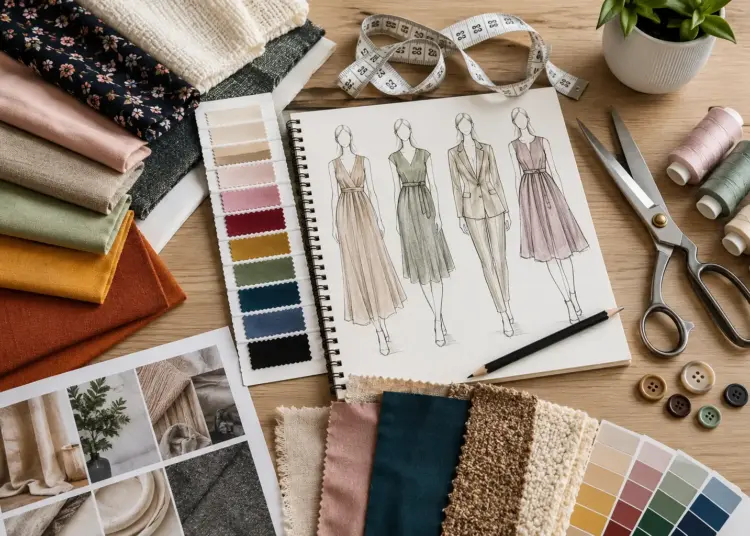
Fabric selection should support garment purpose. Different garments require different characteristics.
Designers must consider functionality carefully. The wrong fabric affects performance and appearance.
👕 Choosing Fabrics for Casual Wear
Casual clothing requires comfort first. Customers wear these garments frequently. Softness and breathability become important.
Suitable fabrics include:
- Cotton.
- Jersey.
- Cotton blends.
These fabrics support daily activities comfortably.
👔 Choosing Fabrics for Formal Wear
Formal garments require sophistication. Appearance becomes especially important. Fabrics should create elegance.
Suitable fabrics include:
- Silk.
- Satin.
- Velvet.
- Chiffon.
These fabrics create luxurious impressions.
🏃 Choosing Fabrics for Sportswear
Sportswear requires flexibility and durability. Movement remains a priority. Moisture management also matters.
Suitable fabrics include:
- Polyester.
- Nylon.
- Spandex blends.
These fabrics support active lifestyles.
🧥 Choosing Fabrics for Outerwear
Outerwear provides protection and warmth. Structure also becomes important.
Suitable fabrics include:
- Wool.
- Denim.
- Canvas.
- Heavy cotton.
These fabrics offer durability and protection.
👶 Choosing Fabrics for Children’s Clothing
Children need comfort and safety. Soft fabrics reduce irritation. Breathability improves comfort.
Suitable fabrics include:
- Soft cotton.
- Organic cotton.
- Cotton blends.
Designers should avoid harsh materials.
✨ Fabric Texture and Comfort Considerations
Texture influences customer satisfaction greatly. A garment may look attractive. However, discomfort reduces its appeal.
Designers should evaluate comfort carefully. This improves overall product quality.
🪶 Why does Softness Matter?
Soft fabrics feel pleasant against skin. Customers often prefer softer garments. Comfort encourages repeat purchases.
Popular soft fabrics include:
- Cotton.
- Silk.
- Modal.
These materials create positive experiences.
⚖️ Understanding Fabric Weight
Weight affects garment structure. Lightweight fabrics create movement and flow. Heavy fabrics create support and shape.
Lightweight fabrics include:
- Chiffon.
- Organza.
- Georgette.
Heavy fabrics include:
- Denim.
- Wool.
- Canvas.
Weight should match design goals.
↔️ Stretch and Flexibility
Stretch improves mobility. This becomes important in activewear. Stretch also enhances comfort.
Designers should evaluate recovery carefully. Fabrics should return to shape. Poor recovery affects appearance.
🌬️ Breathability and Airflow
Breathable fabrics allow air circulation. This improves comfort significantly. Warm climates require breathable materials.
Excellent breathable fabrics include:
- Cotton.
- Linen.
- Bamboo fabrics.
These materials reduce heat buildup.
💡 Pro Tip
Always test comfort before bulk purchasing.
Master Fashion Designing and Create Your Signature Style
Unlock your creative potential with our expert-led Fashion Designing course. Build in-demand skills and step confidently into the world of fashion!
Begin Your Fashion Career Today!☀️ Choosing Fabrics Based on Climate and Season
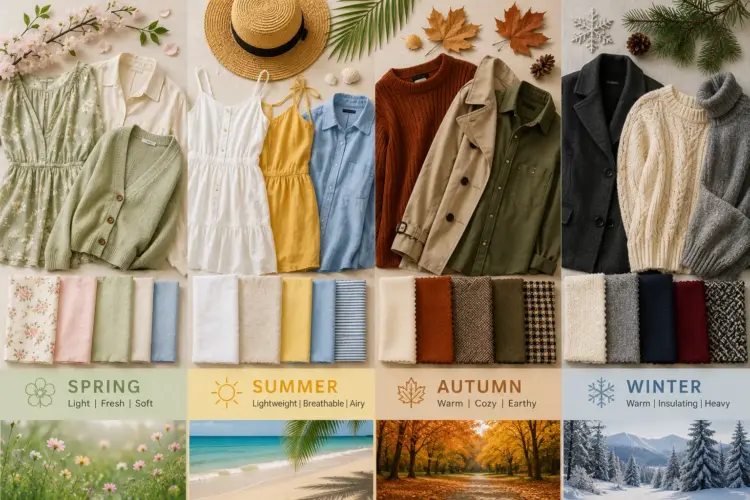
Climate influences fabric performance greatly. Designers should consider environmental conditions. Seasonal planning improves customer satisfaction.
🌞 Best Fabrics for Summer
Summer requires lightweight materials. Breathability becomes essential. Moisture absorption improves comfort.
Popular summer fabrics include:
- Cotton.
- Linen.
- Rayon.
These fabrics help maintain coolness.
🌸 Best Fabrics for Spring
Spring weather changes frequently. Designers should choose adaptable materials.
Popular spring fabrics include:
- Lightweight cotton.
- Rayon blends.
- Light knits.
These fabrics offer flexibility.
🍂 Best Fabrics for Autumn
Autumn requires moderate warmth. Layering becomes important.
Popular autumn fabrics include:
- Cotton blends.
- Light wool.
- Corduroy.
These fabrics support seasonal transitions.
❄️ Best Fabrics for Winter
Winter garments require insulation. Warmth becomes the primary concern.
Popular winter fabrics include:
- Wool.
- Fleece.
- Cashmere.
These fabrics retain heat effectively.
🌧️ Best Fabrics for Rainy Seasons
Rainy weather demands practical materials. Quick drying properties become valuable.
Popular rainy-season fabrics include:
- Polyester.
- Nylon.
These fabrics resist moisture better.
| Season | Suitable Fabrics |
|---|---|
| Summer | Cotton, Linen. |
| Spring | Rayon, Cotton. |
| Autumn | Wool Blends. |
| Winter | Wool, Cashmere. |
| Rainy | Polyester, Nylon. |
🌈 Colour, Print, and Pattern Considerations
Colour selection extends beyond aesthetics. Fabric affects colour appearance significantly.
The same shade may appear different. Fabric texture changes light reflection. Designers should consider these factors.
🎨 Understanding Colour Behaviour
Different fabrics absorb dyes differently. Some fabrics produce vibrant colours. Others create softer appearances.
Cotton often displays rich colours. Silk creates luminous effects. Linen offers muted tones.
Designers should test colour outcomes carefully.
🖨️ Evaluating Print Quality
Smooth fabrics display detailed prints. Rough textures may reduce clarity.
Print visibility depends on:
- Fabric texture.
- Fabric weight.
- Surface finish.
Testing ensures better results.
📏 Considering Pattern Scale
Pattern size affects visual balance. Large prints create bold statements. Small prints offer subtle effects.
Designers should match patterns carefully. Garment proportions matter greatly.
🎯 Fun Fact
The same print changes dramatically across fabrics.
🔍 Why is Fabric Testing Important Before Production?
Testing helps avoid costly mistakes. Professional designers rarely skip this step. Fabric behaviour becomes clearer through testing.
📏 Shrinkage Testing
Many fabrics shrink after washing. Testing reveals expected changes. This helps maintain sizing accuracy.
🎨 Colour Fastness Testing
Colours should remain stable. Testing measures fading resistance. This improves customer satisfaction.
💪 Strength Testing
Durability matters greatly. Testing evaluates fabric performance. Strong fabrics improve product longevity.
🧼 Wash Testing
Repeated washing affects garments. Testing predicts long-term behaviour. This reduces customer complaints.
🌊 Drape Testing
Drape influences appearance. Testing reveals fabric movement. Designers use this information effectively.
📦 Fabric Testing Checklist
- Check shrinkage.
- Check colour stability.
- Check comfort levels.
- Check seam strength.
- Check durability.
- Check drape quality.
💡 Pro Tip
Create sample garments before production.
Learn Advanced Designing & Boutique Skills with Experts. Join Now!
🎓 Tips for Fashion Design Students and Beginners
Fabric expertise develops gradually. Consistent practice improves understanding. Beginners should focus on learning fundamentals.
📚 Build a Fabric Sample Library
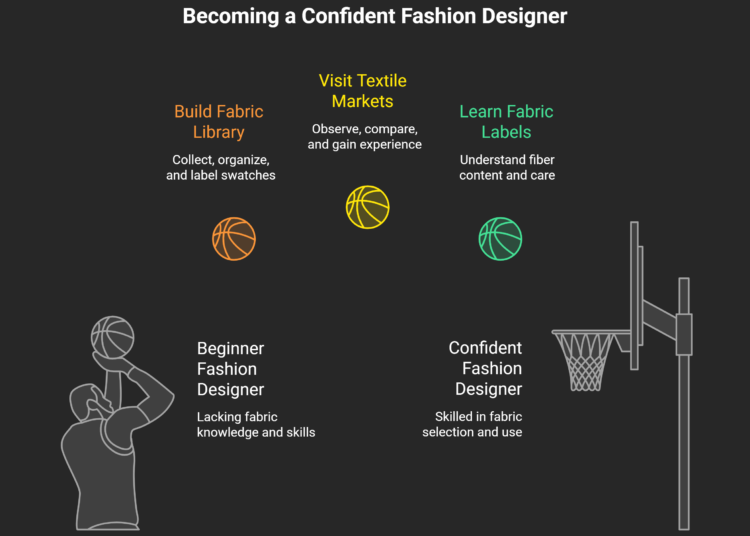
Collect fabric swatches regularly. Organize samples carefully. Label important characteristics.
Include details like:
- Fiber content.
- Fabric weight.
- Texture.
- Typical uses.
This resource supports future projects.
🏬 Visit Textile Markets Frequently
Textile markets provide valuable learning opportunities. Observing fabrics improves recognition skills. Physical interaction builds experience.
Compare different materials regularly. Notice texture and weight differences.
🏷️ Learn Fabric Labels
Fabric labels contain useful information. Understanding labels improves decision-making.
Study:
- Fiber percentages.
- Care instructions.
- Fabric blends.
This knowledge helps significantly.
✂️ Start With Simple Fabrics
Beginners should avoid difficult fabrics initially. Stable fabrics simplify learning.
Good beginner fabrics include:
- Cotton.
- Cotton blends.
- Lightweight linen.
Confidence grows through practice.
🌱 Learn about Sustainable Fabrics
Sustainability continues growing worldwide. Designers should understand eco-friendly options.
Popular sustainable fabrics include:
- Organic cotton.
- Hemp.
- Bamboo fabric.
These materials support responsible fashion.
🚫 Common Beginner Mistakes
Many beginners repeat similar mistakes.
Common mistakes include:
- Ignoring fabric properties.
- Choosing appearance over comfort.
- Skipping fabric testing.
- Buying unsuitable materials.
- Ignoring climate requirements.
Avoiding these mistakes improves results.
🚀 Success Tip
Keep a fabric journal. Record observations consistently.
📝 Conclusion
Choosing the right fabric remains essential in fashion design. Fabric influences comfort, appearance, durability, and functionality. Even outstanding designs need suitable materials. Poor fabric choices can reduce garment quality significantly.
Fashion designers should understand fabric characteristics thoroughly. They should evaluate garment purpose, climate conditions, texture requirements, and customer expectations. Testing should also become a regular practice. These steps improve project outcomes considerably.
Strong fabric knowledge creates better designers. It supports creativity and practical decision-making. Whether designing casual wear, luxury garments, or activewear, fabric selection remains a critical skill. Every successful fashion project begins with choosing the right fabric.
Master Fashion Designing and Create Your Signature Style
Unlock your creative potential with our expert-led Fashion Designing course. Build in-demand skills and step confidently into the world of fashion!
Begin Your Fashion Career Today!Frequently Asked Questions
Why is fabric selection important in fashion design?
Fabric affects a garment’s appearance, comfort, and durability. The right fabric helps bring a design idea to life successfully.
How do designers choose the right fabric?
Designers consider the garment type, season, comfort, and intended use. They also evaluate fabric properties such as drape, weight, and stretch.
What is the difference between natural and synthetic fabrics?
Natural fabrics come from plant or animal sources, while synthetic fabrics are man-made. Both offer unique benefits depending on the design requirements.
Which fabric is best for fashion design beginners?
Cotton is often the best choice for beginners because it is easy to handle and sew. It is also widely available and versatile.
How does climate affect fabric selection?
Climate influences comfort and wearability. Lightweight fabrics suit hot weather, while thicker fabrics work better in colder conditions.
Why should fabrics be tested before production?
Testing helps identify issues such as shrinkage, colour fading, and poor durability. It ensures better quality in the final garment.
What fabric properties should designers check?
Designers should check texture, weight, breathability, stretch, and durability. These factors affect both appearance and performance.
How do fabric and colour work together?
Different fabrics display colours differently because of their texture and finish. The same colour may look richer or softer depending on the material.
Are blended fabrics a good choice?
Blended fabrics combine the advantages of different fibers. They often provide better comfort, durability, or easier maintenance.
What fabric selection mistakes should beginners avoid?
Beginners should avoid choosing fabrics based only on appearance. They should also consider comfort, functionality, and garment purpose.