
Table of Contents
Colour recognition activities help children identify colours confidently. Sorting games, matching activities, painting, and scavenger hunts work well. Regular practice improves colour recognition and memory skills.
Key Takeaways
- Colour recognition supports early development.
- Play-based learning improves engagement.
- Everyday objects become teaching tools.
- Repetition strengthens colour understanding.
- Active learning improves memory.
- Colour activities build observation skills.
- Simple games create better results.
Unlock your passion for education and shape young minds as a Montessori teacher!
Introduction
Colour recognition is an important early learning skill. Children notice colours every day. They see colours during play. They also see colours at home. Learning colours improves observation skills. It also supports language development.
Children learn best through play. Fun activities improve engagement. Hands-on learning creates stronger memories. Simple games make learning enjoyable. Regular practice improves colour recognition faster.
Colour activities support many skills. They improve communication abilities. They strengthen thinking skills. These activities also encourage creativity. Early colour recognition builds a strong learning foundation.
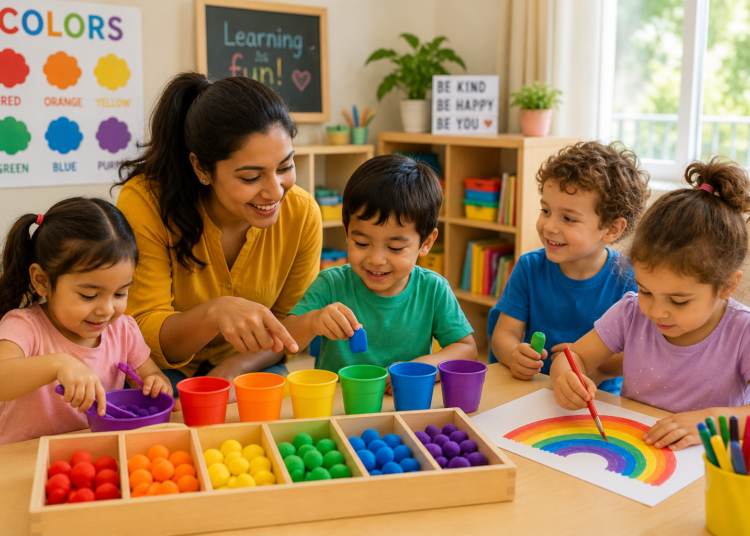
🌈 What are the Benefits of Colour Recognition?
1: What is the primary focus of the first plane of development in the Montessori method?
Colour recognition supports overall development. Children learn to identify differences. They also learn to group similar items. These skills support future learning.
Colour learning improves vocabulary growth. Children learn descriptive words. They communicate ideas more clearly. It also strengthens listening skills.
Many colour activities involve movement. These activities improve coordination. They also strengthen fine motor skills. Observation skills improve through repeated practice.
Key Benefits
- Better observation skills.
- Stronger memory development.
- Improved vocabulary.
- Better communication abilities.
- Enhanced coordination.
- Greater confidence.
| Skill Area | Benefit |
|---|---|
| Cognitive Skills | Better thinking |
| Language Skills | Stronger vocabulary |
| Motor Skills | Improved coordination |
| Observation Skills | Greater awareness |
| Social Skills | Better communication |
Get Certified & Start Your Montessori Career
Montessori Teacher Training Course by Entri App: Gain expert skills, earn certification, and kickstart your teaching career.
Join Now!🎨 10 Colour Recognition Activities
1️⃣ Colour Sorting Baskets
🎯 Why Is Colour Sorting Effective?
Colour sorting teaches recognition quickly. Children compare colours carefully. They place similar items together. This activity strengthens classification skills.
🛠️ Materials Needed
Use colourful household items.
Examples include:
- Building blocks
- Buttons
- Toy cars
- Plastic balls
Use separate baskets for colours.
📋 How To Play?
Start with two colours. Show examples first. Ask children to sort objects. Encourage colour naming throughout.
Add more colours gradually. Increase difficulty over time.
⭐ Benefits
- Better colour recognition.
- Improved concentration.
- Stronger observation skills.
2️⃣ Colour Scavenger Hunt
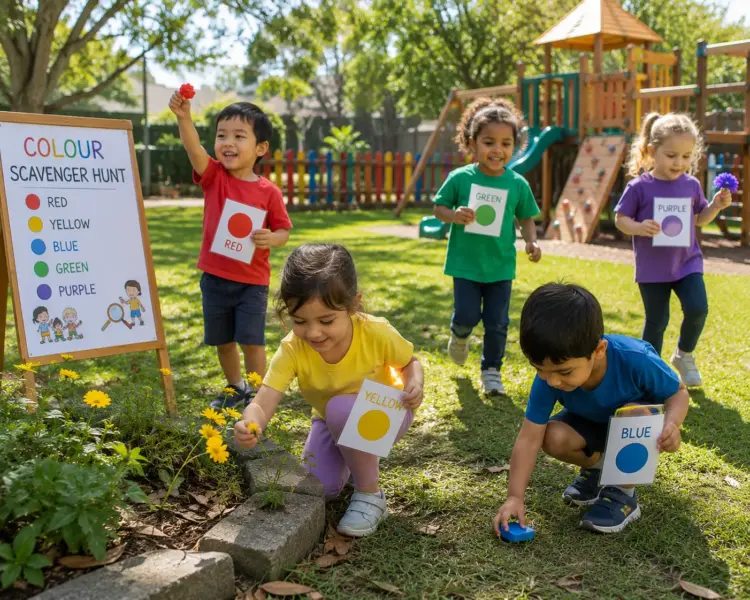
🔍 Why Do Children Enjoy This Activity?
Children love exploring spaces. Scavenger hunts feel exciting. Learning becomes an adventure.
🛠️ Materials Needed
Very few materials are needed.
You need:
- A colour list.
- Indoor or outdoor space.
📋 How to Play?
Choose one colour. Ask children to find matching objects. Discuss findings together.
Examples include:
- Red toys.
- Green leaves.
- Yellow flowers.
Repeat with different colours.
⭐ Benefits
- Better observation skills.
- Increased physical activity.
- Stronger colour recall.
3️⃣ Rainbow Painting Activity

🎨 Why does Painting Help?
Painting creates hands-on experiences. Children interact directly with colours. They also explore colour mixing.
🛠️ Materials Needed
Gather simple supplies.
Examples include:
- Washable paints
- Paintbrushes
- Paper
- Water containers
📋 How to Play?
Introduce colours individually. Encourage free painting. Ask colour-related questions.
Children can also mix colours.
Examples include:
- Red and yellow.
- Blue and yellow.
- Red and blue.
⭐ Benefits
- Better colour understanding.
- Improved creativity.
- Stronger hand coordination.
4️⃣ Colour Matching Cards
🃏 Why are Matching Games Useful?
Matching games strengthen memory. Children compare colours repeatedly. Repetition improves recognition.
🛠️ Materials Needed
Use simple colour cards.
Options include:
- Printed cards.
- Coloured paper cards.
Create matching pairs.
📋 How to Play?
Place cards face down. Children find matching pairs. Encourage colour naming aloud.
Increase difficulty gradually. Add more colours later.
⭐ Benefits
- Improved memory.
- Better concentration.
- Stronger colour identification.
5️⃣ Colour Sticker Hunt
🌟 Why do Children Love Stickers?
Stickers attract attention quickly. They make learning exciting. Children enjoy searching activities.
🛠️ Materials Needed
Gather:
- Colourful stickers.
- Open play space.
📋 How to Play?
Place stickers around a room. Call out a colour. Ask children to find matching stickers.
Change sticker locations regularly. New locations maintain excitement.
⭐ Benefits
- Better colour recognition.
- Improved listening skills.
- Increased learning engagement.
6️⃣ Sorting Fruits and Vegetables
🍎 Why does Food Sorting Help?
Children interact with food daily. Familiar objects improve learning outcomes. Real-life examples feel meaningful. Learning becomes easier through daily experiences.
Food sorting teaches colour recognition naturally. Children observe colours carefully. They compare different fruits. They also compare vegetables. This process strengthens observation skills.
The activity also introduces healthy foods. Children become familiar with new items. They learn food names too. One activity supports several skills.
🛠️ Materials Needed
Gather colourful fruits and vegetables.
Examples include:
- Apples
- Bananas
- Strawberries
- Grapes
- Tomatoes
- Carrots
- Cucumbers
- Lemons
Use bowls or baskets.
📋 How to do this Activity
Place all items together. Discuss each food briefly. Name every colour clearly.
Ask children to create groups. Place similar colours together. Encourage colour naming throughout.
Ask simple questions:
- Which fruit looks red?
- Can you find yellow foods?
- Which vegetable looks green?
These questions improve engagement.
⭐ Benefits
- Improves colour recognition.
- Builds vocabulary skills.
- Encourages healthy habits.
- Strengthens observation abilities.
💡 Pro Tip
Allow food tasting afterwards. Multi-sensory learning improves retention.
7️⃣ Colour Hop Game
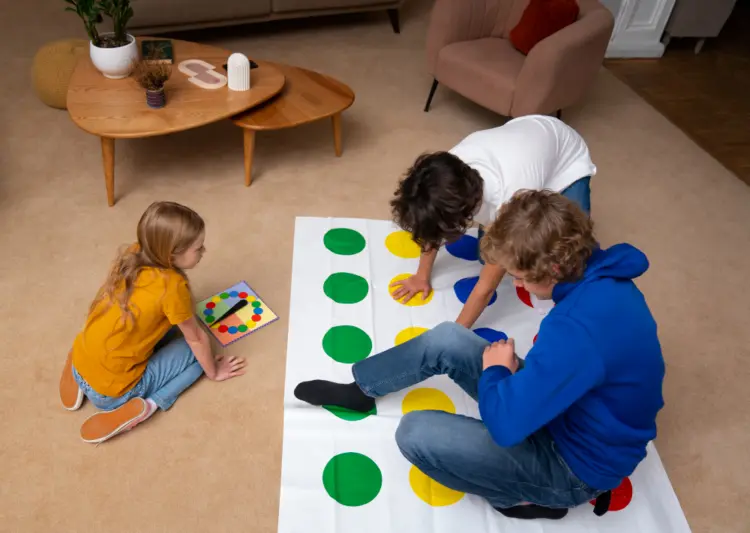
🦘 Why does Movement Improve Learning?
Young children enjoy movement. Active play improves engagement. Physical activities maintain attention longer.
The Colour Hop Game combines learning and exercise. Children identify colours quickly. They also develop coordination skills. Learning feels exciting and playful.
Movement strengthens memory retention. Active participation improves understanding. Children remember experiences more effectively.
🛠️ Materials Needed
Prepare simple materials.
You need:
- Coloured paper sheets
- Tape
- Open floor space
Place coloured papers around the room.
📋 How to do this Activity
Call out a colour. Children hop onto matching papers. Continue changing colours regularly.
Examples include:
- Hop to blue.
- Jump onto red.
- Stand on yellow.
- Touch green.
Encourage quick responses. Celebrate correct answers.
Older children may enjoy challenges.
Try:
- Timed rounds.
- Team games.
- Two-colour instructions.
These variations maintain interest.
⭐ Benefits
- Improves colour identification.
- Develops coordination skills.
- Strengthens listening abilities.
- Encourages physical activity.
💡 Pro Tip
Play music during activities. Music increases excitement.
8️⃣ Colour Sensory Bins
🖐️ Why are Sensory Bins Effective?
Children learn through exploration. Touch-based activities improve understanding. Sensory experiences support brain development.
Sensory bins encourage curiosity. Children discover colours independently. They compare objects naturally. Learning feels relaxed and enjoyable.
This activity supports different learning styles. Many children learn best through hands-on experiences. Sensory bins provide those opportunities.
🛠️ Materials Needed
Choose one colour theme.
Examples include:
🔵 Blue Bin
- Blue blocks
- Blue cups
- Blue pom-poms
🟢 Green Bin
- Green toys
- Green leaves
- Green beads
🔴 Red Bin
- Red buttons
- Red toy cars
- Red paper pieces
📋 How to do this Activity
Introduce one bin first. Allow free exploration. Discuss colours throughout.
Ask questions often.
Examples include:
- What colour appears here?
- Which object feels soft?
- Can you find another blue item?
Children learn through discussion.
Rotate materials regularly. New objects maintain curiosity.
⭐ Benefits
- Improves colour recognition.
- Supports sensory development.
- Encourages exploration.
- Improves concentration.
💡 Pro Tip
Use seasonal themes occasionally. Themes increase excitement.
9️⃣ Colour Collage Creation
✂️ Why Do Children Enjoy Collages?
Collages encourage creativity. Children make independent choices. They arrange colours freely.
Creative activities improve engagement. Children spend longer exploring colours. Repeated exposure strengthens recognition skills.
Collages also develop fine motor skills. Cutting and gluing require coordination. Children strengthen hand control naturally.
🛠️ Materials Needed
Prepare simple supplies.
Examples include:
- Coloured paper
- Glue sticks
- Safety scissors
- Stickers
- Magazine pictures
📋 How to do this Activity
Choose a colour theme. Provide matching materials.
For example:
- Red paper pieces
- Red stickers
- Red pictures
Ask children to create designs. Discuss colours throughout.
Questions may include:
- Which colour appears most?
- What colour comes next?
- Can you find another red piece?
These discussions strengthen learning.
🎨 Creative Variations
Try different collage styles.
Ideas include:
- Rainbow collages
- Nature collages
- Shape collages
- Seasonal collages
Variety keeps activities interesting.
⭐ Benefits
- Improves creativity.
- Strengthens coordination.
- Builds colour awareness.
- Encourages self-expression.
💡 Pro Tip
Display finished collages proudly. Recognition motivates children.
🔟 Colour Sorting Laundry Game
👕 Why Use Daily Activities?
Daily routines create learning opportunities. Familiar tasks reduce pressure. Children learn naturally during participation.
Laundry sorting feels meaningful. Children enjoy helping adults. Learning becomes part of everyday life.
This activity requires little preparation. Most families already have materials available.
🛠️ Materials Needed
Gather colourful clothing items.
Examples include:
- Shirts
- Socks
- Towels
- Dresses
- T-shirts
📋 How to do this Activity
Spread clothing items out. Discuss colours together.
Ask children to create groups.
Examples include:
- Red clothing pile
- Blue clothing pile
- Yellow clothing pile
- Green clothing pile
Encourage colour naming frequently.
Older preschoolers may sort independently. Younger children may need guidance.
⭐ Benefits
- Improves colour identification.
- Builds responsibility.
- Strengthens sorting skills.
- Encourages independence.
💡 Pro Tip
Start with fewer colours. Add more later.
📊 Activity Comparison Table
| Activity | Main Skill | Best Location |
|---|---|---|
| Food Sorting | Observation | Kitchen |
| Colour Hop | Coordination | Indoor/Outdoor |
| Sensory Bins | Exploration | Indoor |
| Colour Collage | Creativity | Craft Area |
| Laundry Sorting | Categorization | Home |
💡 Tips for Teaching Colours
Teaching colours requires patience. Children learn at different speeds. Consistent practice improves results.
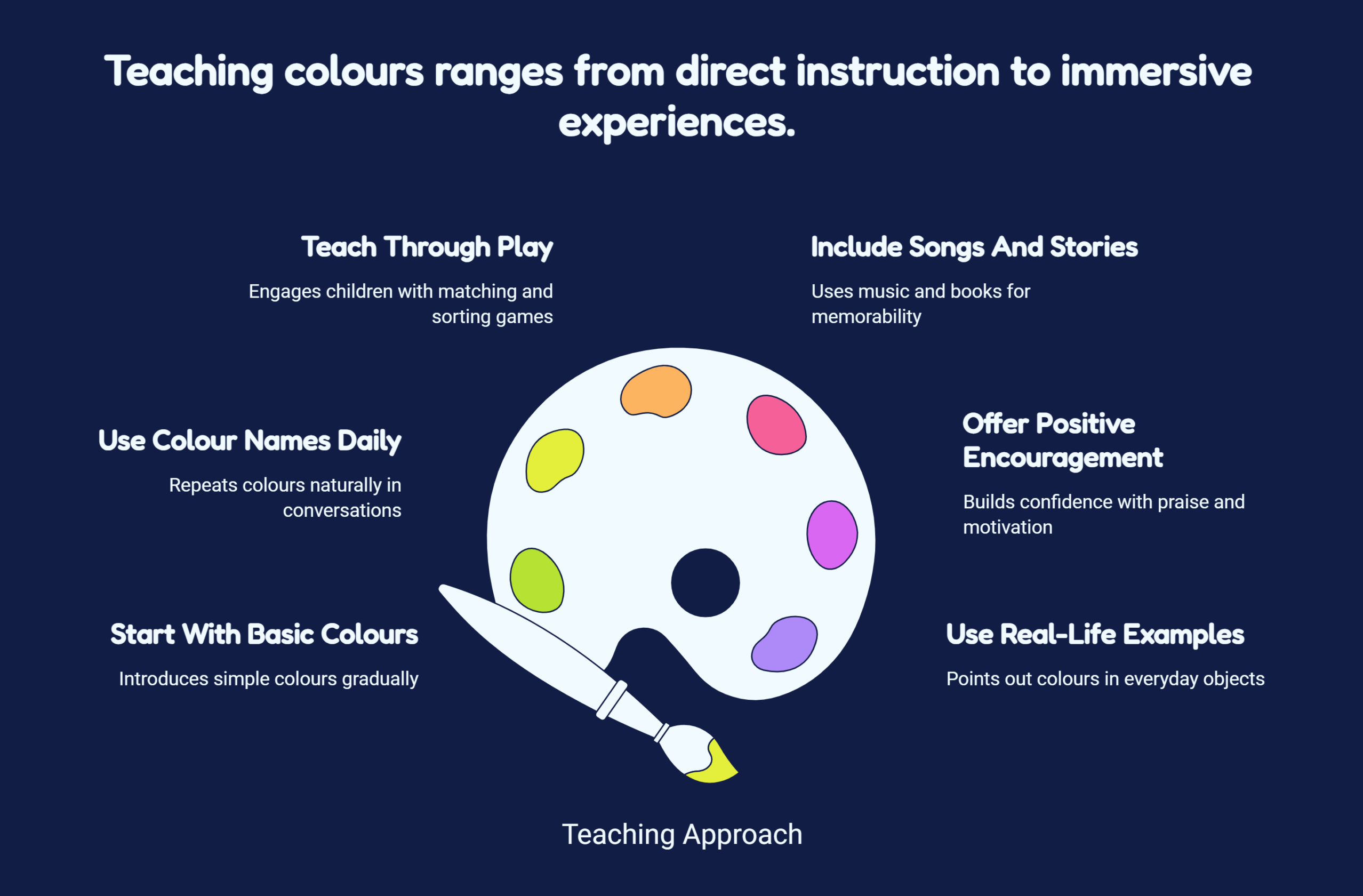
🎯 Start With Basic Colours
Introduce simple colours first. Too many colours create confusion.
Focus on:
- Red
- Blue
- Yellow
- Green
Add new colours gradually.
Children gain confidence first. Learning becomes easier later.
🗣️ Use Colour Names Daily
Daily repetition improves memory. Mention colours naturally.
Examples include:
- Red apple
- Blue cup
- Green leaf
- Yellow flower
Simple conversations create learning opportunities.
Avoid turning every interaction into lessons. Keep discussions natural.
🎲 Teach through Play
Play-based learning improves engagement. Children learn better through activities.
Use:
- Matching games
- Sorting games
- Colour hunts
- Painting activities
Fun experiences create stronger memories.
🎵 Include Songs And Stories
Music improves memory retention. Songs remain memorable.
Colour-themed stories help too. Books introduce colours naturally. Visual examples improve understanding.
Reading together creates valuable learning moments.
🎉 Offer Positive Encouragement
Praise builds confidence. Encouragement motivates learners.
Examples include:
- Great job.
- Nice observation.
- Excellent colour choice.
- Well done.
Positive experiences encourage participation.
🌳 Use Real-Life Examples
Colours appear everywhere. Real objects improve understanding.
Point out colours during:
- Walks
- Shopping trips
- Mealtimes
- Play sessions
Daily exposure strengthens recognition.
📊 Quick Teaching Tips
| Tip | Benefit |
|---|---|
| Start simple | Less confusion |
| Use repetition | Better retention |
| Teach through play | Higher engagement |
| Read books | Better understanding |
| Give praise | More confidence |
Unlock your passion for education and shape young minds as a Montessori teacher!
⚠️ Common Challenges and Solutions
Learning colours takes time. Some challenges remain normal. Consistent practice helps overcome difficulties.
❌ Confusing Similar Colours
Many children confuse similar shades. Blue and purple often create confusion.
✅ Solution
Teach contrasting colours first. Introduce similar shades gradually. Practice regularly.
❌ Short Attention Spans
Young children lose focus quickly. Long lessons rarely work.
✅ Solution
Keep activities short. Use movement-based learning. Change activities frequently.
❌ Forgetting Colour Names
Children sometimes forget colour names. Memory develops gradually.
✅ Solution
Repeat colours naturally. Use songs and games. Practice every day.
❌ Lack of Interest
Some children prefer different activities. Structured lessons may feel boring.
✅ Solution
Use favourite toys. Include personal interests. Make activities playful.
❌ Too Many Colours
Introducing many colours creates confusion. Children feel overwhelmed.
✅ Solution
Start with basic colours. Add new colours slowly. Build confidence first.
❌ Limited Practice Time
Busy schedules reduce learning opportunities.
✅ Solution
Use everyday routines. Learning can happen anywhere.
Examples include:
- Grocery shopping
- Dressing time
- Mealtimes
- Outdoor walks
Small moments create learning opportunities.
Get Certified & Start Your Montessori Career
Montessori Teacher Training Course by Entri App: Gain expert skills, earn certification, and kickstart your teaching career.
Join Now!🎯 Conclusion
Colour recognition supports early childhood development. It strengthens observation skills. It improves communication abilities. Colour recognition supports future academic learning. Children learn best through play. Hands-on activities create stronger learning experiences.
Simple activities often produce great results. Regular practice improves colour recognition gradually. Every child learns differently. Some learn faster than others. Positive encouragement builds confidence. Fun activities create lasting learning success.
Get Certified & Start Your Montessori Career
Montessori Teacher Training Course by Entri App: Gain expert skills, earn certification, and kickstart your teaching career.
Join Now!Frequently Asked Questions
At what age do children learn colours?
Most children begin recognising colours between ages two and four. Learning speed varies, but regular exposure helps children identify colours more confidently.
Which colours should children learn first?
Start with basic colours like red, blue, yellow, and green. These colours are easier to recognise and help build a strong learning foundation.
How often should colour activities happen?
Colour activities can be included in daily routines. A few minutes of practice each day helps improve recognition and memory.
Why do children confuse colours?
Children may confuse colours because their visual skills are still developing. Similar shades often become easier to identify with regular practice.
Are colour games effective for learning?
Yes, colour games make learning fun and engaging. Hands-on activities help children remember colours more effectively.
Can outdoor play help children learn colours?
Outdoor environments offer many colourful learning opportunities. Children can identify colours in flowers, leaves, playgrounds, and everyday objects.
How many colours should toddlers learn first?
Begin with a few basic colours to avoid confusion. More colours can be introduced gradually as confidence grows.
What activity teaches colours the fastest?
Colour sorting activities are often very effective. They help children compare, group, and recognise colours through repetition.
Should colour learning be structured or playful?
Colour learning works best through play and exploration. Games, songs, and everyday activities usually keep children more engaged.
Does colour recognition support school readiness?
Yes, colour recognition supports several early learning skills. It improves observation, vocabulary, communication, and problem-solving abilities.