Table of Contents
If you want to work as a fitness trainer, you need more than just a general interest in working out and leading a healthy lifestyle. A combination of fitness knowledge, recognized qualifications, communication skills, practical experience, professionalism, and the ability to work effectively with a variety of client types is frequently sought after by candidates for employment.
If you are a recently certified trainer looking for your first job or an experienced fitness expert seeking for a better opportunity, it is possible that a defined job-search method will make the process a great deal easier for you. The following is a tutorial that will teach you how to effectively prepare for fitness trainer employment, how to search for available positions, how to compose a strong curriculum vitae, and how to perform well in interviews.
Key Takeaways
- Get a Certified Fitness Trainer Certification.
- Work on gaining practical experience thru training or internships.
- Build a powerful professional resume.
- Search for employment on gyms, career marketplaces and fitness platforms.
- Get ready for fitness trainer interviews.
- “Refine your skills, and develop a strong professional network.
Become a General Fitness Trainer and turn your passion into a Profession!
How Can You Get a Fitness Trainer Job?
A comprehensive understanding of exercise, fundamental anatomy, dietary concepts, client safety, and workout planning is required in order to obtain a position as a fitness trainer. The first step in this process is to earn a recognized fitness or personal training certification. After this, you should compose a professional curriculum vitae that includes a summary of your credentials, skills in communication, practical experience, and accomplishments that are pertinent to the position.
You can look for employment opportunities by using the following:
- Physical fitness facilities and gyms
- Wellness centers and health clubs are available to participants.
- Both hotels and resorts are included.
- Wellness initiatives implemented in the workplace
- Facilities for sports and recreational activities
- Gymnasiums and exercise studios
- Websites that offer a variety of job boards
There are numerous professional networking opportunities, personal references, and professional relationships with various organizations. An application that is directly applicable to the fitness centers
Beginning your career in the fitness industry with an entry-level role, such as a trainer, fitness instructor, gym-floor trainer, or assistant trainer, is a good idea if you have little else to offer an employer. In addition, you can enhance your profile by participating in internships, volunteering, receiving practical training, and gaining experience to work with customers.
This should be taken into consideration because it is a powerful combination of qualifications, practical experience, a focused resume, networking, and constant application. Make a decision about the kind of fitness environment you want to work in and tailor your application to meet the specific requirements of each company rather than looking for dozens of jobs at random.
Qualifications Employers Look For
It is common practice for companies to seek for a combination of professional qualifications, practical knowledge, communication skills, and hands-on experience when employing a fitness trainer. In spite of the fact that the prerequisites for employment at wellness groups, fitness centers, and gyms can vary from one another, having the appropriate credentials can increase your chances of being hired.
1. Certification of Recognized Fitness
Sometimes a certification in fitness or personal training is a must. It proves to companies that you are knowledgeable about fitness, training and client safety.
2. Knowledge of exercise science and anatomy
Fitness coaches should be knowledgeable in anatomy, physiology, movement patterns and workout programs. This information is used by trainers to design safe and successful workouts.
3. First Aid/CPR Certification
“Training in first aid and CPR is a bonus for fitness practitioners.” They are evidence that you can survive training emergencies.
4. On-the-job training
Many businesses like to see practical experience in applicants. Internships, practical training, gym experience or helping expert trainers will build confidence when working with clients.
5. Good communicator
A good fitness trainer needs to explain workouts, listen, offer criticism and motivate customers. So good communication skills can make a huge difference in hiring.
6. Client Management Skills
Trainers may deal with customers who have varying fitness levels, goals and preferences. Employers like trainers who can develop good relationships, understand what clients need and be professional.
7. Ability to Write Workout Programs
You should know how to construct basic training regimens according to a client’s fitness level and goals. It’s also a crucial skill to know how to adapt exercises when you need to.
8. Expertise and reliability
Employers value prompt, responsible, courteous, and competent training professionals. An optimistic attitude and a desire to learn may also help you succeed at work.
Creating a Strong Resume
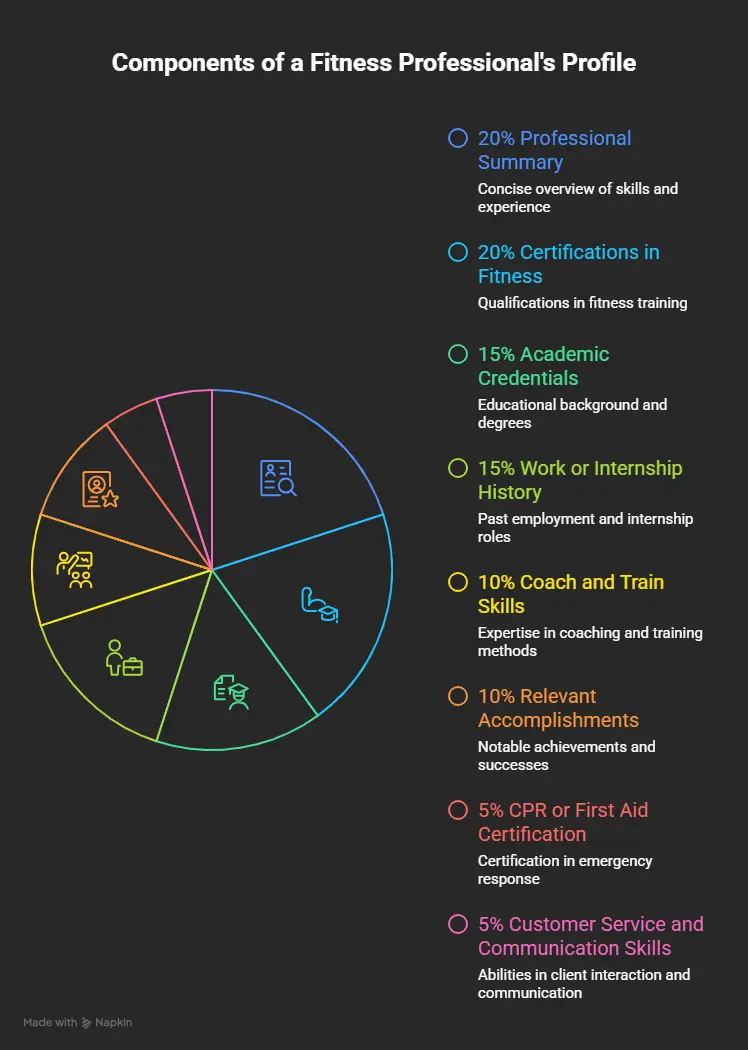
Your resume should show why you’re a good fitness trainer. Be professional, easy to read, and emphasize essential qualifications.
Include:
- A professional summary
- Certifications in fitness
- Academic credentials
- Work or internship history
- Coach and train skills
- Relevant accomplishments
- CPR or first aid certification
- Customer service and communication skills
Highlight internships, practical training, volunteer work, personal training initiatives, or comparable courses if you have little experience.
Turn Your Passion for Fitness into a Profession
Learn practical skills, get certified, and step into the growing fitness industry with confidence.
Join the CourseWhere to Find Fitness Trainer Jobs
Through a variety of different channels, you will be able to hunt for possibilities to become a fitness trainer once you have obtained the necessary certifications and a solid resume. In India, current listings may be found on major job sites as well as on platforms that are specifically designed for hiring fitness professionals.
1. Internet job sites
Job sites make it easier to look for jobs by region, experience and kind. Potential roles include personal trainer, gym trainer, fitness trainer, and wellness coach.
2. Fitness Jobs
Fitness employment websites link trainers to gyms, studios and companies. Fitness Jobs in India – Trainer, coach, manager at FitHouse.
3. Local Gyms
Ask around at gyms and fitness facilities. You can go meet gym managers in person and drop off your resume.
4. Health Clubs / Hotels
Fitness instructors and trainers are employed by hotels, resorts and wellness and health clubs. Fitness trainers with an interest in hospitality and health are encouraged to apply.
5. Professional networking, media
Professional networking sites list gym locations, owners, recruiters and other industry expertise. In Kochi, Bengaluru, Chennai, Mumbai and Hyderabad. Fitness trainers are hired.
6. Fitness on-line
Fitness training isn’t limited to gyms. Advertising says fitness coaches can do telecommuting or be a freelancer with clients.
Preparing for Interviews
Fitness trainer interviews may cover qualifications, training methods, communication, and customer relations.
Prepare to explain:
- Your motivation to become a fitness trainer
- Your credentials
- How do you evaluate new clients?
- Your workout planning process
- How you inspire clients
- Handling varied fitness levels
- How you prioritize client safety
Some businesses may need you to show exercises or provide brief practical instruction. Clear and safe exercising instructions are needed.
Also read: Career Opportunities for Fitness Trainers in Kerala
Tips to Get Hired Faster
Getting your first job as a fitness trainer can take time, especially if you don’t have any professional experience. These tactics can boost your odds.
1. Make Sure You Are Qualified Before Applying
The right certification can instantly make your application more competitive.
Don’t just select a certification at random. Do your homework and find out which credentials are valued by the companies you want to work for.
2. Get Experience Anywhere You Can
If you can’t obtain a full-time trainer job right away, look for ways to gain relevant experience.
For instance:
- Internship Assistant trainer position
- Gym floor duty
- Help with group exercises
- Sports coaching
- Fitness volunteering
The aim is to develop practical skills and professional confidence.
3. Head Straight to the Gyms
Don’t depend only on employment platforms. You can also make a list of gyms and health clubs in your preferred area and search their career pages or reach out to them directly about opportunities.
4. Create a professional portfolio
Evidence of talents can be helpful to a fitness professional. Depending on your experience, your portfolio can include:
- Certification information
- Bio Professional
- Training Philosophy
- Sample exercise formats
- Examples of client communications
- Testimonials, when relevant, ethically sourced
- Notable accomplishments
Never disclose a client’s sensitive information or images without proper consent.
5. Hone Your Communication Skills
Technical expertise alone won’t get you a job.
Practice explaining the exercises in layman’s terms. Learn to listen to client issues and ask helpful questions.
A trainer who can make clients feel comfortable and understood can be an invaluable asset to a fitness center.
6. Remain a Student
Fitness is a large area, and ongoing education can help you stay competitive. Depending on the direction your work takes, you may learn more about:
- Strength training
- Mobility
- Exercise programming
- Group fitness
- Sports conditioning
- Older-adult fitness
- Youth fitness
- Behavior change
- Client communication
- Changing behavior
- Client communication
Select an education that is applicable to your professional path.
7. Connect with fitness professionals
Never underestimate the power of relationships in your profession.
Take part in fitness programs, educational events, conferences and industry activity as suitable; Build professional relationships with trainers and gym managers.
Sometimes your next opportunity is through someone who’s already familiar with your work.
8. Get ready for multiple interviews
Don’t get discouraged if you don’t get an offer after your first interview.
Every interview is an opportunity to learn about things you can do better.
Then think about:
- What questions were challenging?
- Did you make it clear what your experience was?
- Did you show off your technological knowledge?
- Did you comprehend what the employer was expecting?
- Can your CV get better?
Then change your approach for the following application.
9. Be Flexible at the Start
Your first fitness career may not be your dream job.
Initially you may work:
- Part-time
- Early mornings,
- Evenings/Weekends
- In an assistant capacity
- Gym
Such experiences can help you improve your professional profile and, in time, move on to better chances.
10. Be Professional From Day 1
Employers want to hire trainers that are reliable and take ownership.
Important habits are:
- On-time arrivals
- Dressed for success
- Keeping professional limits
- Maintaining accurate records
- Client privacy is respected
- In line with the facility rules
- Transparent communication with management
- Keeping a clean training environment
Professional conduct might be as vital as technical skills.
Become a General Fitness Trainer and turn your passion into a Profession!
Conclusion
A desire for doing out is not enough to become a fitness trainer; you need to have more than that. In order to establish a competitive profile, you will need to have a recognized certificate, practical experience, strong communication skills, and a professional CV. Increasing your chances of beginning and developing a career in fitness training can be accomplished by submitting your resume to the appropriate companies, cultivating relationships within the fitness sector, and continually improving your skills.
Turn Your Passion for Fitness into a Profession
Learn practical skills, get certified, and step into the growing fitness industry with confidence.
Join the CourseFrequently Asked Questions
Can I become a fitness trainer without experience?
Yes. Beginners can start with internships, assistant trainer roles, practical training programs, or entry-level positions to gain hands-on experience.
Where can I find fitness trainer jobs?
You can search for jobs through online job portals, gyms, fitness centres, wellness clubs, hotels, sports academies, fitness studios, and professional networking platforms.
How can I make my fitness trainer resume stand out?
Highlight your certifications, practical experience, fitness-related skills, achievements, and relevant education. Tailor your resume to match the requirements of each job.
How can I get a fitness trainer job faster?
Getting certified, gaining practical experience, applying to multiple employers, networking, improving communication skills, and preparing well for interviews can improve your chances.
Is practical experience important for fitness trainers?
Yes. Practical experience helps you develop confidence in assessing clients, demonstrating exercises, creating workout programs, and communicating with clients.
Can fitness trainers work in hotels and wellness centres?
Yes. Hotels, resorts, wellness centres, and health clubs may hire qualified fitness trainers and fitness instructors.
Can I work as an online fitness trainer?
Yes. Qualified trainers can provide coaching through online platforms, virtual sessions, fitness apps, and other digital services.
What skills do employers look for in a fitness trainer?
Employers commonly value exercise knowledge, communication, client management, motivation, professionalism, organization, and the ability to create safe and appropriate workout programs.