Table of Contents
Introduction
Regular exercise can improve physical fitness, strength, mobility, and overall well-being. However, many people need professional guidance to choose suitable exercises, follow the correct technique, and remain consistent with their routine. This is where a fitness trainer can help.
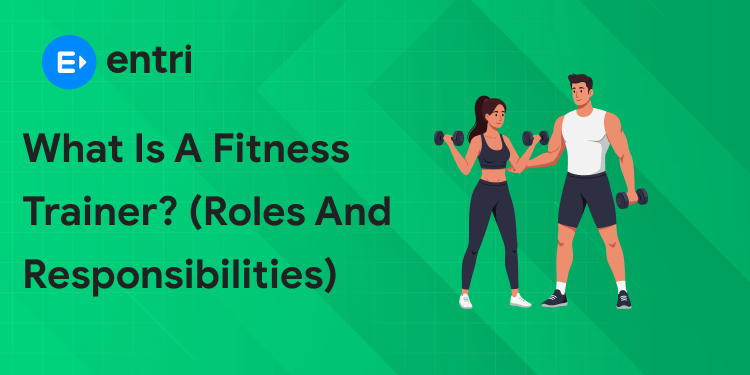
A fitness trainer is a professional who guides individuals or groups through exercise programmes and fitness activities. They assess clients’ needs, demonstrate exercises, monitor performance, provide motivation, and help people work towards realistic health and fitness goals. Fitness trainers may work with beginners, athletes, older adults, or people who have received medical clearance to exercise.

Who Is a Fitness Trainer?
In simple terms, a fitness trainer teaches people how to exercise safely and effectively. Depending on their qualifications and area of specialisation, they may provide individual training, lead group classes, create workout plans, or offer general guidance on healthy lifestyle habits. Fitness trainers commonly work with exercises such as:
- Cardiovascular training.
- Strength and resistance training.
- Flexibility and stretching exercises.
- Mobility and balance exercises.
- Functional training.
- Weight-management workouts.
- Sports conditioning.
A trainer generally focuses on exercise, fitness education, motivation, and injury prevention. They should not diagnose medical conditions, prescribe treatment, or provide clinical nutrition advice unless they hold the relevant professional qualifications. If a client has a health concern, the trainer may recommend consulting a doctor or another qualified healthcare professional.
Turn Your Passion for Fitness into a Profession
Learn practical skills, get certified, and step into the growing fitness industry with confidence.
Join the CourseWhat Does a Fitness Trainer Do? (Responsibilities)
A fitness trainer’s work involves much more than demonstrating exercises. They plan suitable programmes, understand each client’s abilities, supervise workouts, and adjust routines when necessary.
1. Assessing Clients’ Fitness Levels
Before designing a programme, a trainer may collect information about the client’s health history, lifestyle, fitness experience, goals, and current abilities. The assessment may include observations of:
- Cardiovascular fitness.
- Muscular strength and endurance.
- Flexibility and mobility.
- Balance and coordination.
- Body composition.
- Posture and movement patterns.
- Previous injuries or physical limitations.
A proper assessment helps the trainer begin at an appropriate level and select exercises that match the client’s needs. It can also provide a baseline for measuring progress later. Trainers should use health-screening procedures within their professional scope and seek medical clearance when necessary.
2. Creating Personalised Workout Plans
A fitness trainer develops a structured exercise plan based on a person’s goals, fitness level, schedule, preferences, and limitations. For example, a beginner who wants to improve general fitness may need a gradual combination of walking, bodyweight exercises, resistance training, and stretching. A workout programme may specify:
- The type of exercise.
- The number of sets and repetitions.
- Training intensity.
- Workout duration.
- Rest periods.
- Weekly training frequency.
- Warm-up and cool-down activities.
- Progression from one level to the next.
A personalised plan is more practical than giving every client the same routine. It allows the trainer to adjust the programme as the client becomes stronger, more mobile, or more confident.
3. Demonstrating Correct Exercise Technique
Fitness trainers show clients how to perform exercises correctly. They explain body positioning, breathing, movement control, and the purpose of each activity. Correct technique is important because poor form may reduce the effectiveness of an exercise and increase the risk of strain or injury. Trainers observe clients during workouts and provide clear corrections. They may also offer a simpler or modified version of an exercise when a client is unable to perform the original movement safely. For example, a trainer may replace a traditional squat with a supported squat for a beginner who has difficulty maintaining balance. As the client improves, the trainer can gradually increase the difficulty.
4. Supervising Training Sessions
During a session, the trainer monitors the client’s performance, effort, breathing, posture, and response to exercise. They may count repetitions, track rest intervals, adjust resistance, and ensure that the client follows the planned routine. Supervision is especially useful for people who:
- Are new to exercise.
- Are returning after a long break.
- Need help using gym equipment.
- Have difficulty staying consistent.
- Want to improve strength or sports performance.
- Need a structured and accountable routine.
The trainer should also be attentive to signs of excessive fatigue, dizziness, pain, or distress and respond appropriately.
5. Tracking Progress
Fitness trainers record and review changes over time. Progress can be measured in several ways, including:
- Improved strength or endurance.
- Increased flexibility or mobility.
- Better exercise technique.
- Changes in workout performance.
- Improved balance and coordination.
- Greater consistency with training.
- Progress towards a personal fitness goal.
Progress does not always mean losing weight or lifting heavier loads. A client who can climb stairs more comfortably, complete more repetitions, or exercise with less fatigue is also making meaningful progress.
Become a General Fitness Trainer with guaranteed placement assistance!
6. Motivating and Supporting Clients
Many people understand the benefits of exercise but struggle to maintain a routine. Fitness trainers provide encouragement, structure, feedback, and accountability. A good trainer listens to clients and understands that people have different motivations and challenges. They may help clients set short-term goals, celebrate improvements, and make the programme more enjoyable. Trainers also need to avoid unrealistic promises. Sustainable fitness usually requires regular effort, patience, recovery, and healthy lifestyle habits rather than quick solutions.
7. Leading Group Fitness Classes
Some fitness trainers work with groups instead of individual clients. They may lead sessions such as:
- Circuit training.
- Aerobics.
- Strength and conditioning.
- Indoor cycling.
- Functional fitness.
- Mobility and stretching.
- High-intensity interval training.
- Group resistance workouts.
Leading a group requires strong communication, organisation, energy, and awareness of different ability levels. The trainer should explain movements clearly, demonstrate alternatives, and create an encouraging environment for participants.

8. Educating Clients About Fitness
Fitness trainers teach clients the basic principles behind exercise. They may explain the importance of warm-ups, recovery, progressive training, hydration, sleep, and consistency. They can also provide general information about healthy lifestyle habits when it falls within their qualifications. However, advice about medical conditions, supplements, or specialised diets should be provided by an appropriately qualified healthcare or nutrition professional.
9. Maintaining a Safe Training Environment
Safety is one of the most important responsibilities of a fitness trainer. Trainers should check equipment, maintain clear workout areas, explain safe operating procedures, and encourage clients to use suitable weights and resistance levels. They should also understand basic emergency procedures and, where required by an employer or professional organisation, maintain current first-aid, CPR, and automated external defibrillator training.
Also read: What Does a General Fitness Trainer Do? Roles and Responsibilities
Turn your passion into a profession with Entri’s Advanced CPT Training!
Fitness Trainer Roles
The exact role of a fitness trainer may differ according to their workplace, qualifications, and specialisation.
Personal Trainer
A personal trainer usually works one-to-one with clients or with very small groups. They create individual programmes, supervise sessions, track progress, and provide ongoing support.
Gym Trainer
A gym trainer works in a fitness centre and may assist members with equipment, explain exercises, supervise the gym floor, and conduct personal training sessions.
Group Fitness Instructor
A group fitness instructor plans and leads exercise classes. Their responsibilities include preparing routines, demonstrating movements, managing the class, and offering suitable modifications.
Strength and Conditioning Coach
A strength and conditioning coach helps clients or athletes improve strength, power, speed, endurance, mobility, and sport-specific performance. This role often requires additional education and experience.
Online Fitness Coach
An online fitness coach provides programmes, instructions, progress tracking, and support through digital platforms. Online trainers may use video calls, mobile applications, recorded demonstrations, and messaging systems.
Special-Population Trainer
Some trainers specialise in working with particular groups, such as older adults, children, beginners, people recovering from inactivity, or clients with specific physical limitations. Additional education may be required to work safely with these populations.
Also read: Career Opportunities for Fitness Trainers in Kerala
Manage top-end clients with Entri’s Personal Fitness Training Course
Skills Required to Become a Fitness Trainer
A successful fitness trainer needs technical knowledge as well as people skills.
Knowledge of Exercise and the Human Body
Trainers should understand basic anatomy, exercise physiology, biomechanics, movement patterns, and training principles. This knowledge helps them select appropriate exercises and explain how movements affect the body.
Communication Skills
Trainers must give clear instructions and corrections. They also need to listen carefully to client feedback and communicate respectfully with people who have different backgrounds, goals, and comfort levels.
Leadership
A trainer often takes responsibility for the structure and energy of a session. Strong leadership helps clients remain focused while creating a positive and welcoming training environment.
Motivation and Empathy
Clients may experience frustration, low confidence, busy schedules, or slow progress. Patience and empathy help trainers support clients without making them feel judged.
Observation and Attention to Detail
Trainers must notice changes in posture, technique, breathing, fatigue, and movement quality. Small adjustments can make an exercise safer and more effective.
Organisation and Time Management
Trainers manage appointments, programmes, assessments, progress records, equipment, and client communication. Good organisation is particularly important for those who work with several clients.
Business and Customer-Service Skills
Independent trainers may need to handle scheduling, payments, marketing, client agreements, taxes, and personal branding. Customer-service skills can also help trainers build long-term relationships with clients.
Turn Your Passion for Fitness into a Profession
Learn practical skills, get certified, and step into the growing fitness industry with confidence.
Join the CourseWhere Do Fitness Trainers Work?
Fitness trainers may work in several settings, including:
- Commercial gyms and fitness centres.
- Health clubs and sports facilities.
- Hotels and resorts.
- Corporate wellness programmes.
- Schools and colleges.
- Rehabilitation or wellness centres, within their qualifications.
- Clients’ homes.
- Outdoor locations.
- Private studios.
- Online training platforms.
Some trainers are employed by gyms, while others work independently or combine in-person and online services. The work environment can vary depending on the trainer’s specialisation and business model.
How to Become a Fitness Trainer in India
The requirements can vary between employers and certification providers. A typical career path may include the following steps:
Complete the Basic Educational Requirement
Many entry-level fitness trainer roles accept candidates who have completed higher secondary education. A degree in physical education, exercise science, sports science, or a related field can provide a stronger academic foundation and may improve career opportunities.
Study Exercise and Fitness
Candidates should learn about anatomy, exercise techniques, fitness assessment, programme design, nutrition basics, injury prevention, and client management. Formal courses can provide a structured way to build this knowledge.
Earn a Recognised Certification
A professional certification can demonstrate knowledge and improve credibility with employers and clients. Candidates should compare the course syllabus, practical training, assessment process, renewal requirements, and recognition of the certifying organisation before enrolling. Possible areas of certification include:
- Personal training.
- Group exercise.
- Strength and conditioning.
- Sports nutrition.
- Senior fitness.
- Corrective exercise.
- Weight management.
- Yoga or mobility training.
Also read: Best Fitness Trainer Certification Courses in Kerala
Obtain First-Aid and CPR Training
Fitness professionals should know how to respond to emergencies. Many employers and certification providers expect trainers to hold current first-aid, CPR, or AED credentials.
Gain Practical Experience
New trainers can gain experience by assisting senior trainers, working on a gym floor, leading beginner sessions, or completing an internship. Practical experience helps candidates improve their communication, coaching, assessment, and client-management skills.
Continue Learning
The fitness industry continues to develop. Trainers should update their knowledge through workshops, continuing education, professional reading, and practical learning. Continuing education can also help them specialise in a particular client group or training method.
Read in detail: How to Become a Certified Fitness Trainer?

Fitness Trainer vs Personal Trainer
The terms “fitness trainer” and “personal trainer” are sometimes used interchangeably, but they can describe slightly different roles. A fitness trainer may work with individuals or groups and may focus on general instruction, gym support, or group classes. A personal trainer usually provides more individualised coaching, including assessments, personalised exercise plans, one-to-one supervision, and detailed progress tracking. The responsibilities overlap, and the exact meaning of each title depends on the employer, workplace, and professional qualification.
Read more: Personal Trainer vs General Fitness Trainer
Benefits of Working with a Fitness Trainer
A fitness trainer can help a client:
- Learn how to exercise safely.
- Follow a structured programme.
- Use gym equipment correctly.
- Improve motivation and consistency.
- Adapt exercises to their ability.
- Track progress more effectively.
- Build confidence in a fitness environment.
- Work towards a specific performance or wellness goal.
The quality of the experience depends on the trainer’s knowledge, communication style, professional boundaries, and ability to create a programme that suits the client.
Conclusion
A fitness trainer helps people exercise with greater safety, structure, and confidence. Their responsibilities include assessing clients, designing workout programmes, demonstrating correct technique, supervising sessions, tracking progress, leading classes, and providing motivation.
Those interested in this career should develop a strong understanding of exercise and the human body, earn a suitable certification, learn emergency procedures, gain practical experience, and maintain clear professional boundaries. With the right skills and commitment to ongoing learning, fitness training can become a rewarding career in the growing health and wellness sector.
Turn Your Passion for Fitness into a Profession
Learn practical skills, get certified, and step into the growing fitness industry with confidence.
Join the CourseFrequently Asked Questions
What is the main role of a fitness trainer?
The main role of a fitness trainer is to guide clients through safe and suitable exercise activities. Trainers assess needs, develop programmes, demonstrate exercises, monitor technique, track progress, and provide motivation.
Does a fitness trainer provide diet plans?
A trainer may offer general guidance about healthy lifestyle habits if it is within their training and professional scope. Personalised medical nutrition therapy or treatment-based diet plans should come from a qualified dietitian or healthcare professional.
Is certification necessary to become a fitness trainer?
Requirements vary by employer and location. Certification is often preferred or required by gyms because it demonstrates that the trainer has studied exercise instruction and safety. Candidates should verify the recognition and requirements of the certification they choose.
Can fitness trainers work online?
Yes. Online fitness trainers may create workout programmes, conduct video sessions, provide exercise demonstrations, track progress, and communicate with clients through digital platforms.
Is fitness training a good career?
Fitness training can suit people who enjoy exercise, teaching, communication, and helping others. The career may offer opportunities in gyms, private studios, wellness programmes, sports facilities, and online coaching. Success usually requires professional knowledge, practical experience, strong client relationships, and continuous learning.