Table of Contents
A Mechatronics engineer typically gets down to business designing, integrating and keeping in tip top shape electromechanical systems. This all comes together by combining the ingredients of mechanics, electronics, control systems and software to create smart machines and automated solutions.
In the world of robotics and industrial automation this job really covers the whole spectrum from hardware to software, anywhere from sensors and motors to embedded controllers and algorithms that control how things move. That’s what makes it arguably one of the most varied roles in engineering today.
New to Robotics? Start from the Basics. Join Now!
Key Takeaways
- Mechatronics basically brings all engineering disciplines together – the mechanical, electronic, control and software types.
- Good mechatronics engineers have skills in ROS/ROS2, Embedded C/C++ and CAD to name a few.
- Day to day tasks include designing stuff, working on firmware, integrating hardware and software, testing, and putting it all out into the field.
- Salaries in India can range anywhere from 3 lakhs a year for entry level to 6 for those looking to get started, 7 to 12 lakhs for people a bit more experienced and 15 to 25 for the senior engineers.
- Some of the top places to look for work include Siemens, Bosch, Honeywell, ABB, Tata Motors, Mahindra, GreyOrange, Fanuc India, TCS, ISRO, DRDO.
- There’s a growing demand in the fields of automation, robotics, electric vehicles and smart manufacturing.
- If you want to get the inside track on landing a job as a mechatronics engineer, try building some actual projects like a ROS2 robot or a closed loop motor control unit.
What is a Mechatronics Engineer?
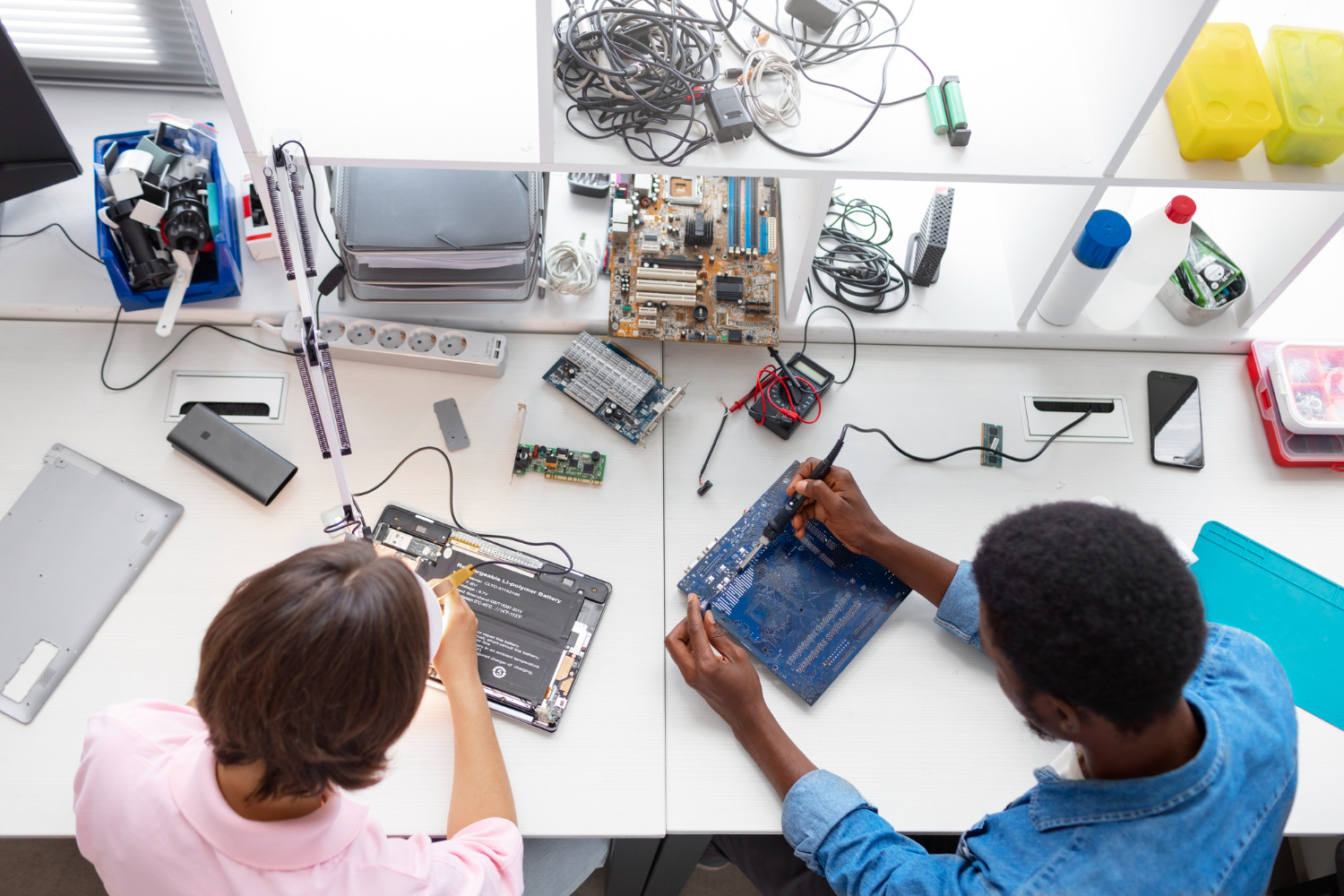
Mechatronics engineering is a field that’s basically where all the different branches of engineering come together – mechanical, electronic, computer science and control systems – to develop smart machines and automated systems. It’s really like merging the physical and digital worlds.
Where a mechanical engineer designs the structure and an electronics engineer designs the circuit, a mechatronics engineer gets them both to work together in real time. How does it differ from related disciplines?
- vs. Mechanical Engineering:
Mechatronics adds electronics and software layers – a mechanical engineer may design a motor mount, while a mechatronics engineer will also control the motor with embedded firmware.
- vs. Electrical/Electronics Engineering:
Unlike this stream, Mechatronics integrates mechanical loads, kinematics, and physical systems – not just circuits.
- vs. Software Engineering:
Mechatronics engineers get their hands dirty. They write code that talks directly to sensors, actuators and the operating system that makes the computer tick in real time.
Where are Mechatronics Engineers needed?
- Robotic assembly lines in automotive and consumer electronics manufacturing
- Autonomous mobile robots (AMRs) in logistics and warehousing
- Precision instrumentation in healthcare and aerospace
- Electric vehicle (EV) systems and advanced driver-assistance systems (ADAS)
- Industrial IoT and smart factory deployments
Master Robotics and AI!
Ready to build the future? Join our comprehensive robotics course to bridge the gap between complex code and physical motion. You’ll gain hands-on experience giving you the technical edge needed to lead in the age of automation.
Know MoreCore Skills Every Mechatronics Engineer Needs
Let’s explore the core skills and why each matters for the job.
| Skill Category | Specific Skills / Tools | Level Expected | Why It Matters |
| Mechanical Design | CAD (SolidWorks, Creo, FreeCAD), GD&T | Junior–Senior | Designs structures, kinematic layouts, and mechanical interfaces |
| Electronics & Power | PCB design, power electronics, sensors, Altium/KiCad | Junior–Senior | Interfaces sensors and actuators; designs circuits for embedded systems |
| Control Systems | PID, state-space control, motion control | Mid–Senior | Tunes controllers, models dynamic systems, ensures stability |
| Embedded & Firmware | C/C++, Embedded Linux, RTOS, microcontrollers (STM32, Arduino) | Junior–Senior | Implements real-time control loops, device drivers |
| Robotics Middleware | ROS/ROS2, SLAM, motion planning, OpenCV | Mid–Senior | Integrates sensor data, enables autonomy and navigation |
| Instrumentation & Testing | Oscilloscopes, data acquisition, bench testing | Junior–Mid | Validates system behavior, supports root-cause debugging |
| Software Tools | Python, MATLAB/Simulink, Git, CI pipelines | Junior–Senior | Prototyping, model-based design, version control |
| Industrial Automation | PLCs, CAN bus, MODBUS, OPC-UA, SCADA | Mid–Senior | Factory automation, field integration, industrial protocols |
| Soft Skills | Systems thinking, documentation, collaboration, project management | Junior–Senior | Bridges multidisciplinary teams; writes specs and test plans |
Soft Skills are Not Optional
Mechatronics work is often a team effort. You’ll frequently be working alongside mechanical, electrical, and software teams and it tends to go a lot smoother when engineers can communicate clearly and keep good notes.
This is especially true when it comes to carrying out cross functional projects. People who do this well tend to get rated as better engineers.
Key Responsibilities
Mechatronics engineers contribute across every phase of a product’s lifecycle. This ranges from concept and design through integration, testing, field deployment, and ongoing maintenance.
| Responsibility | Typical Tools / Technologies | Deliverables / Outputs |
| Concept and system design | SolidWorks, MATLAB/Simulink, requirements tools | System architecture docs, BOM, technical specifications |
| Sensor and actuator selection | Datasheets, SPICE simulation, supplier tools | Component selection reports, test plans |
| Electronic design and firmware | Altium, KiCad, Embedded C/C++, Git | PCB designs, firmware builds, device drivers |
| Control algorithm development | MATLAB, Python, ROS2, Simulink | Controller code, stability analysis, simulation results |
| Integration and system testing | LabVIEW, oscilloscopes, ROS tools, test benches | Integration reports, calibration data, test logs |
| Safety and compliance | ISO 13849, IEC 61508 guidelines | Risk assessments, safety documentation |
| Field deployment and maintenance | PLCs, SCADA, diagnostic tools | Field manuals, maintenance schedules, service reports |
| Continuous improvement | CI pipelines, telemetry, version control | Release notes, performance metrics, firmware updates |
A Day in the Life: Junior vs. Senior
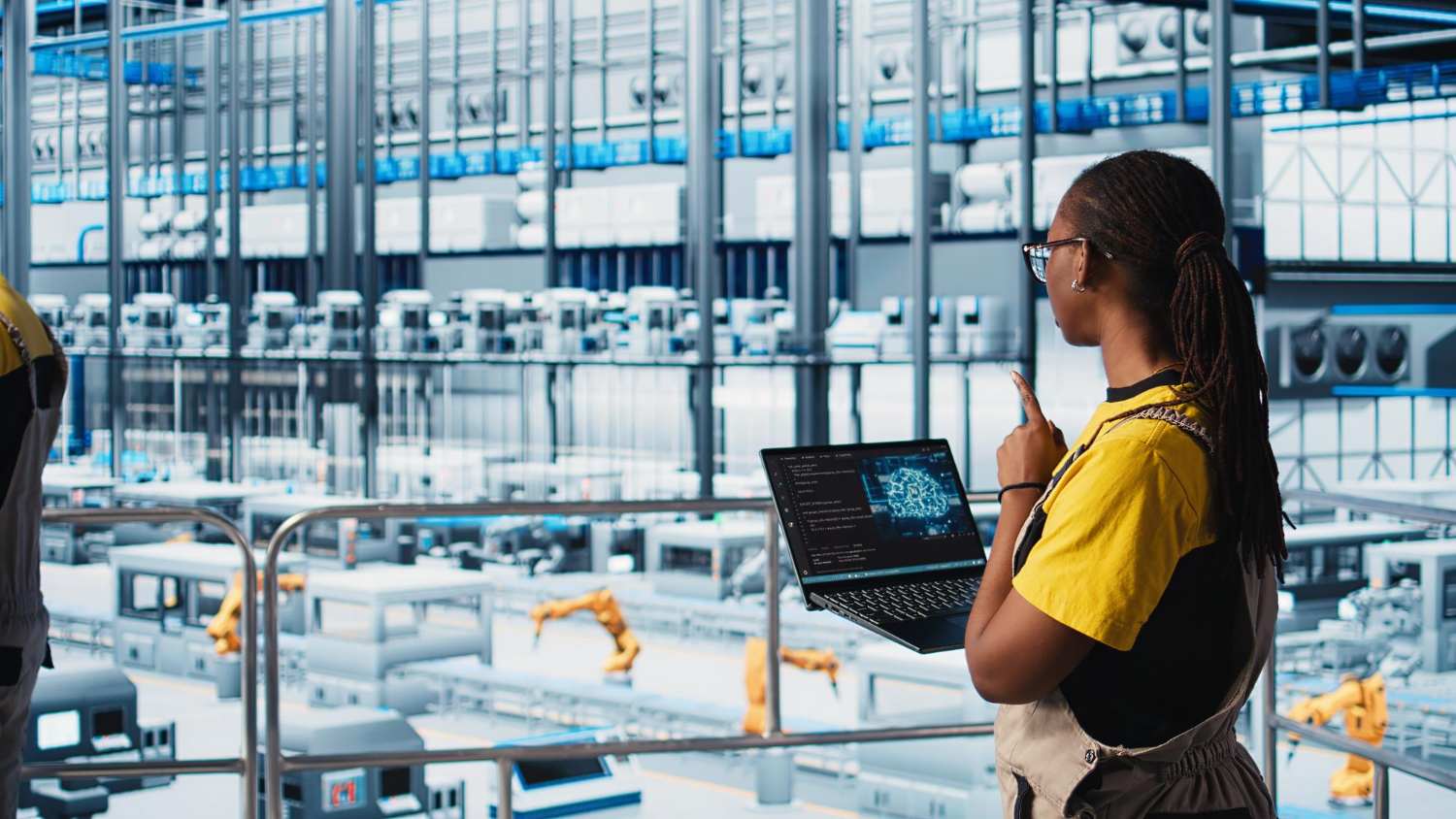
Junior Mechatronics Engineer
- Runs component tests and captures bench data using oscilloscopes and data loggers
- Writes and debugs firmware modules for motor controllers or sensor interfaces
- Assists in CAD revisions and updates BOM documentation after design reviews
Mid-Level Mechatronics Engineer
- Takes full ownership of subsystem integration. For example, connecting a vision camera to a PLC for a pick-and-place cell
- Tunes PID controllers and validates system behavior against performance specs
- Leads small sprint teams and communicates progress to project managers
Senior Mechatronics Engineer / Lead
- Works with team members to define system architecture and decides on how to split the hardware and software – that can make all the difference to a project.
- Deals with vendors to get the right components and manages the project timeline so there are no major technical glitch.
- Pushes for safety compliance reviews and ensures that the work is done to a high standard that meets IEC or ISO.
- Helps out and guides junior engineers, conducts design reviews and provides feedback.
Master Robotics and AI!
Ready to build the future? Join our comprehensive robotics course to bridge the gap between complex code and physical motion. You’ll gain hands-on experience giving you the technical edge needed to lead in the age of automation.
Know MoreLearning Path and Certifications
0–3 Months: Build the Foundation
- learn kinematics, dynamics, Ohm’s law, and circuit basics.
- start C on a microcontroller (Arduino or STM32).
- learn one CAD tool (SolidWorks or FreeCAD).
3–9 Months: Apply the Skills
- build a closed-loop DC motor with encoder and PID.
- complete an introductory ROS2 course and run Gazebo simulation.
- learn Python and MATLAB for signal and control work.
9+ Months: Specialise and Go Deep
- build an autonomous ROS2 robot with SLAM and avoidance.
- get certified (ROS2 Developer, Siemens PLC/TIA, or CAD).
- specialise in EV systems, cobots, or medical devices.
Recommended Certifications:
- ROS/ROS2 Developer Certification (The Construct / Udemy)
- Siemens TIA Portal PLC Certification
- MATLAB/Simulink Onramp (MathWorks – free)
- Get a course on Embedded Systems online
- Get certificates in ISO 13849 Functional Safety Fundamentals and be the go to guy for keeping all those systems safe.
Tools and Tech Stack
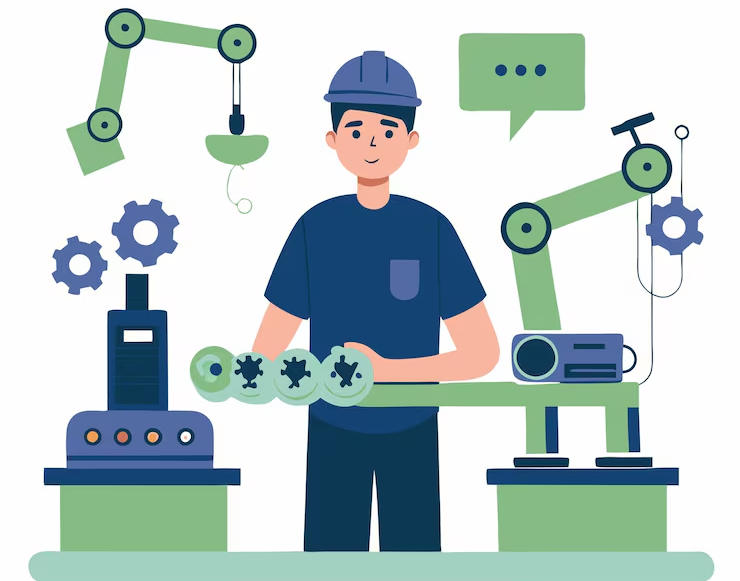
CAD & Mechanical: You’ll be using SolidWorks or Creo or even FreeCAD or AutoCAD.
Electronics & PCB: They mostly use Altium Designer or KiCad or LTspice – the software of choice for electronics engineers.
Embedded & Firmware: It’s all about C and C++ for the programming and Embedded Linux and FreeRTOS and things like that.
Controls & Simulation: And it’s either MATLAB or Python that you use for controls and simulation.
Robotics Middleware: ROS2 is the one to learn especially the Humble version & Gazebo and OpenCV and all that.
Industrial & Field: Then there’s Siemens TIA Portal and Beckhoff TwinCAT and MODBUS and OPC-UA and SCADA if you want to work on industrial equipment.
Version Control & CI: Git of course and GitHub or GitLab for managing code and Jenkins for the automated testing.
Career Path and Salary Overview
Career progression in mechatronics is pretty typical. You go from Entry-Level (₹3-6 LPA in India) to Mid-Level (₹7-12 LPA). Eventually get to the Senior-Level (₹15-25 LPA with experience the major key factor for salary hikes).
| Level | Experience | Indicative Salary (India) | Typical Role |
| Junior / Fresher | 0–2 years | ₹3–6 LPA | Embedded tester, automation trainee |
| Mechatronics Engineer | 3–6 years | ₹7–12 LPA | Systems integrator, controls engineer |
| Senior / Lead Engineer | 7–10 years | ₹15–25 LPA | Lead engineer, system architect |
| R&D / Engineering Manager | 10+ years | ₹25 LPA+ | Technical lead, R&D head |
Note:
Keep in mind that salary figures can vary all over the place depending on the city, company size, specialisation, and what’s happening in the job market.
Mechatronics engineers find strong opportunities in metro cities like Bengaluru, Pune, Mumbai, Delhi, Hyderabad, and Chennai, as well as in industrial hubs like Coimbatore, Noida, and Hosur.
Challenges and Best Practices
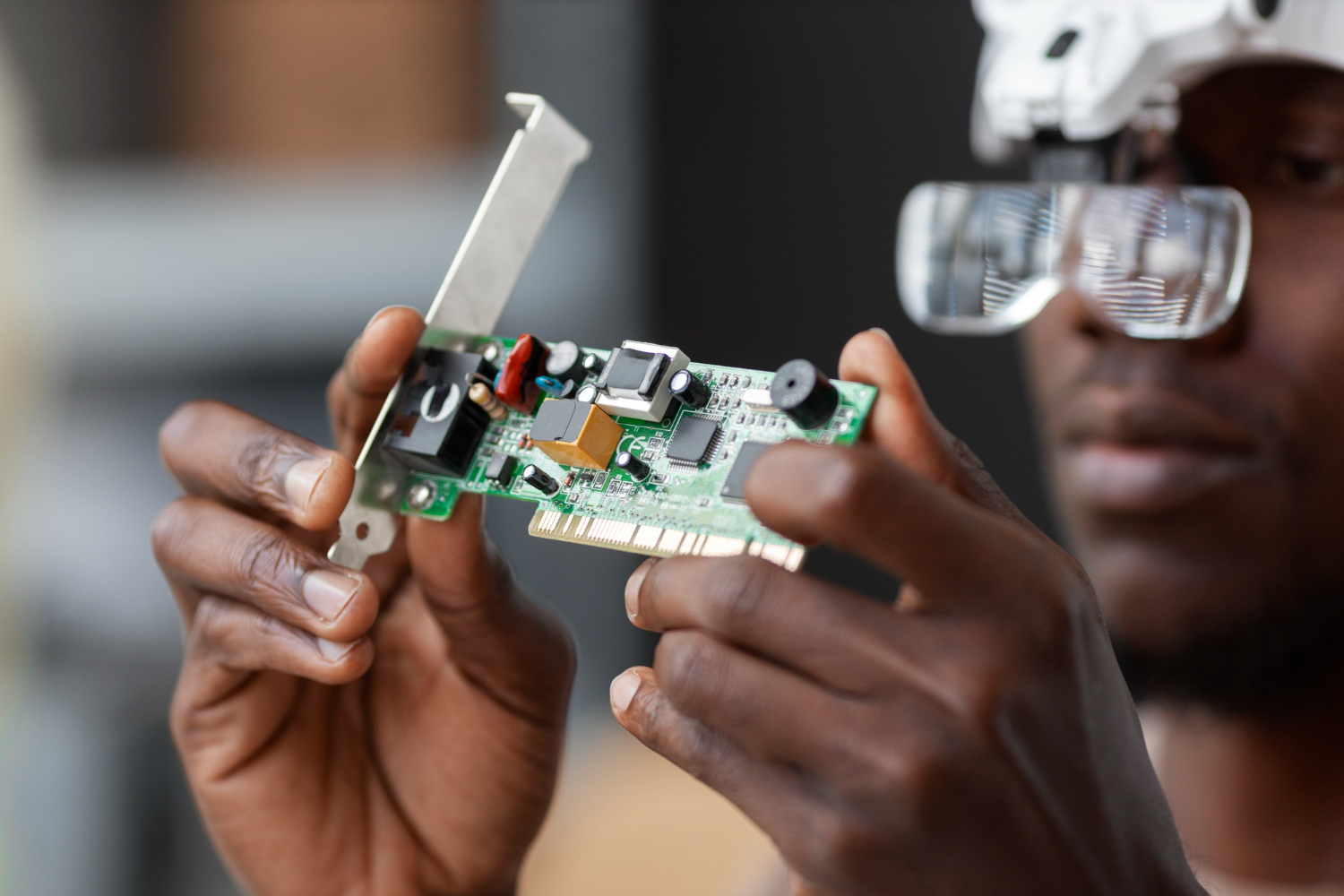
Common Challenges:
- Hardware-software integration bugs:
A firmware issue can be masked by a mechanical tolerance problem – cross-disciplinary debugging is genuinely hard.
- Real-time constraints:
Missing a deadline by even a few milliseconds in a control loop can cause big problems with the system and even issues with safety.
- Cross-disciplinary communication:
Translating electrical requirements into mechanical constraints (or vice versa) requires patience and structured documentation.
- Safety and compliance:
Functional safety standards like IEC 61508 and ISO 13849 aren’t just a tick box. They require some serious and ongoing work to document and assess risk.
Best Practices:
- Design in modular subsystems so bugs are isolated and testable independently.
- Use CI pipelines for firmware – treat firmware like production software, with automated unit tests.
- Practice model-based design with Simulink or similar tools before committing to hardware. This saves time in the long run.
- Write specs and test plans before building. Don’t leave it till it’s too late.
- Keep a living document that tracks the integration of new hardware – it makes a big difference when something goes wrong.
New to Robotics? Start from the Basics. Join Now!
Conclusion
Mechatronics engineering sits right at the intersection of the physical and digital world, which is why the demand for this role is growing fast. In India, we are moving fast towards Industry 4.0 and electric vehicles. The engineers who can move easily between CAD and code will be in high demand.
Whether you are just starting out, building that first motor controller, or a seasoned engineer looking to get into robotics middleware, have clarity. Stay involved, build real projects, and never stop learning across different areas.
Master Robotics and AI!
Ready to build the future? Join our comprehensive robotics course to bridge the gap between complex code and physical motion. You’ll gain hands-on experience giving you the technical edge needed to lead in the age of automation.
Know MoreFrequently Asked Questions
How is mechatronics different from robotics engineering?
Mechatronics is a broad interdisciplinary field combining mechanics, electronics, control, and software. Robotics engineering is a focused specialization that applies those disciplines specifically to design and program robots.
What programming languages should a mechatronics engineer learn?
C and C++ are essential for embedded firmware; Python is widely used for scripting, data work, and ROS2. MATLAB is useful for control design and simulation.
Do I need a degree to become a mechatronics engineer?
A B.Tech/B.E. in mechatronics, mechanical, electronics, or a related field is the usual entry route. However, candidates from adjacent disciplines with strong projects and certifications can transition successfully.
Which industries hire mechatronics engineers?
Mechatronics engineers work in robotics, medical devices, advanced manufacturing, automotive, defence, and aerospace. They also fit roles in unmanned vehicles and human–machine interaction systems.
What is the starting salary for a mechatronics engineer in India?
Entry-level salaries typically range from ₹3–6 LPA, varying by company, city, and project experience. Strong internships or niche skills can push offers higher.
What tools should I know for industrial automation roles?
Learn PLC programming (Siemens TIA Portal or Allen‑Bradley Studio 5000), SCADA systems, and fieldbus protocols like MODBUS and CAN. Familiarity with HMI design and industrial networking is also valuable.
How long does it take to become job-ready as a mechatronics engineer?
With focused learning and hands-on projects, you can gain foundational job-ready skills in 6–9 months. Building a robust portfolio with internships and multiple projects usually takes 1–2 years.
What soft skills do mechatronics engineers need most?
Systems thinking and clear technical communication across disciplines are crucial. Strong documentation and collaboration skills with mechanical, electronics, and software teams improve impact.
Can a mechanical engineer transition into mechatronics?
Yes, upskilling in embedded systems, control theory, and programming (C/Python) enables the shift. Existing CAD and mechanical design skills provide a strong foundation.
What are typical KPIs for a mechatronics engineer?
Common KPIs include mean time between failures (MTBF), system uptime, and control loop settling time. Other metrics are task cycle time, payload accuracy, and first-pass production yield.