Table of Contents
Montessori toilet training is about helping a child learn to use the toilet. The child learns simple things like sitting on the toilet, using toilet paper, pulling up clothes, and washing hands.
The child may need some time to get used to these steps. This guide covers the right time to start, the basic steps, and simple ways parents can help.
Key Takeaways:
- Montessori toilet training teaches simple toilet habits.
- Children learn each toilet step slowly.
- Parents should guide without forcing the child.
- Easy clothes make toilet use simpler.
- Children need time to learn this skill.
Register for the Entri Elevate Montessori Teacher Training Program! Join Now!
What is Montessori Toilet Training?
Montessori toilet training helps a child learn how to use the toilet. The child learns through simple daily practice. Parents show the child what to do. The child then gets time to try each step. Help is given when needed.
Children Learn One Step at a Time
Toilet training has many small steps. A child does not have to learn all of them at once.
The child can learn to:
- Go to the bathroom.
- Pull down their clothes.
- Sit on the toilet.
- Use the toilet.
- Clean up.
- Pull clothes back up.
- Wash their hands.
Parents can teach these steps slowly. The child can practise them during daily toilet visits.
The Child Learns by Doing
Montessori learning gives children a chance to take part in daily tasks. Toilet training can follow the same idea. Parents can show the child how to use the toilet. The child can then try the same steps. This gives the child a chance to learn through practice.
Parents Give Simple Help
Parents can stay close and help when needed. Simple words and short instructions are enough.
Children may not get every step right at first. They may also have accidents. This is normal during toilet training. Parents can clean up calmly and let the child try again later.
The main idea is to make toilet training a normal part of the child’s day.
A Simple Routine can Help
Children can be given regular chances to use the toilet. This can help them understand toilet time as part of their daily routine.
Parents can offer the toilet:
- After waking up.
- Before going outside.
- Before a nap.
- Before bedtime.
The routine does not need to be strict. Parents can adjust it based on the child’s needs.
The Goal of Montessori Toilet Training
The child slowly learns how to use the toilet and follow simple toilet habits. With regular practice, the child can do more steps without help. This makes toilet use easier over time.
When Should You Start Montessori Toilet Training?
There is no fixed age for toilet training. Every child is different. Some children are ready early. Others need more time.
Watch your child’s actions. They may show you when they are ready. Do not start only because the child has reached a certain age.
Signs of Readiness
You may notice that your child:
- Keeps the diaper dry for some time.
- Says when they want to pee or poop.
- Watches others use the toilet.
- Does not like wearing a wet diaper.
- Pulls down their own pants.
- Understands simple things like “come” and “sit.”
- Sits on the toilet without much trouble.
Age is not the Same for Every Child
Some children learn toilet habits at two years. Others may take longer. This is normal. Do not compare your child with other children. Look at what your child can do and understand.
Choose a Good Time
Try to start when the child is happy and comfortable. A big change at home may make toilet training harder.
For example, the family may move to a new house. The child may start school. A new baby may also come home. If the child is upset during such changes, wait for some time.
Start Slowly
You do not have to start full toilet training on the first day. First, help the child know the toilet. Show them what it is used for. Let them sit on it with their clothes on if they want.
You can also teach the child to:
- Flush the toilet.
- Wash their hands.
- Put clothes back on.
- Tell you when they need the toilet.
Small steps can help the child get used to the routine.
Do not Force the Child
Some children may not want to use the toilet at first. Do not force them. If the child cries or refuses, take a break. Try again after some time.
Accidents can also happen. This is normal while learning. Stay calm and help the child try again.
When is the Right Time to Start?
Children are not all ready for toilet training at the same age. Some show signs early. Some take more time.
You may notice that your child stays dry for longer, tells you before peeing or pooping, or wants to know more about the toilet. These are some signs that they may be ready.
You can then start with small steps. There is no need to hurry. Give the child time to get used to the toilet.
Signs Your Child is Ready for Toilet Training
There is no fixed age for toilet training. Some children start showing signs early. Some take a little longer. So, instead of looking at age alone, watch your child. Their daily habits can give you some clues.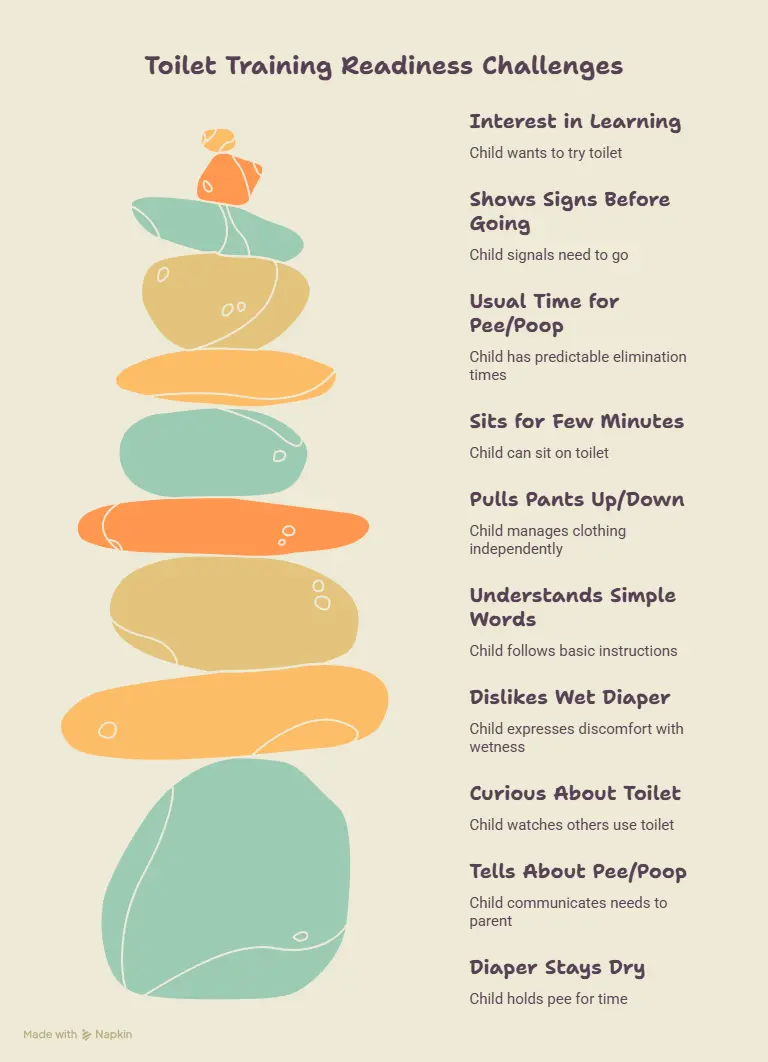
Stays Dry for Some Time
You may notice that the diaper stays dry for a longer time. It may also be dry after a nap. This means the child may be starting to hold pee for some time.
Tells You about Pee or Poop
Your child may tell you before they pee or poop. They may say a simple word like “pee” or “potty.” Some children may point, make a sound, or take you to the bathroom.
Wants to Know about the Toilet
Your child may become curious about the toilet. They may watch you or another family member use it. They may also ask questions or want to sit on it.
Knows When the Diaper is Wet
Some children do not like a wet or dirty diaper. They may tell you that the diaper needs changing. They may also try to remove it or bring a new one.
Can Do Small Things When Asked
Toilet training has a few small steps. Your child should be able to understand simple words such as “come,” “sit,” or “stand.” They may also be able to wash their hands after using the toilet.
Can Pull Pants Up and Down
Pants that are easy to move can help during toilet training. If your child can pull their pants down and up, toilet visits may become easier.
Can Sit for a Few Minutes
The child can sit on the toilet for a short time. They do not need to sit for long. A few minutes is enough.
Has a Usual Time for Pee or Poop
Some children pee or poop at nearly the same time each day.
It may happen after waking up or after eating. Parents can notice this and take the child to the toilet at that time.
Shows Signs before Going
A child may act differently when they need to pee or poop. They may stop playing, hide, or hold themselves. Some children may also become very quiet.
Shows Some Interest in Learning
The child may want to try the toilet. They may copy others or ask to use it.
They do not have to show all these signs.Some children need more time before they are ready. If your child is not ready yet, wait for a while and try again.
How to Start Montessori Toilet Training
Start by letting the child get familiar with the toilet. Show them how it is used and let them watch you or another family member. Then give them a chance to try it when they are ready.
Let the Child Know the Toilet
Show the child the toilet. Tell them what it is used for. Let the child look at it. Let them sit on it when they are ready.
Use Simple Toilet Words
Use easy words when talking about the toilet.
You can use words like:
- Pee
- Poop
- Toilet
- Potty
- Wash hands
Use the same words each time. This can help the child understand them.
Help the Child Notice the Need
Children need to learn when they need to use the toilet. They may stop playing. They may hide or hold themselves. Tell the child that these can be signs that they need the toilet.
Show the Steps
Show the child how to use the toilet.
The steps include:
- Go to the toilet.
- Pull down the clothes.
- Sit on the toilet.
- Use the toilet.
- Clean up.
- Pull up the clothes.
- Flush.
- Wash hands.
Show one step at a time. The child can learn the steps slowly.
Let the Child Try
Let the child try after you show them. The child may need help at first. Help when needed. Let the child do the steps they can do alone.
Give Time to Practise
Let the child use the toilet often. Repeating the steps helps them get used to it.
Montessori Toilet Training Tips for Parents
Parents can support the child during toilet training. The child may need time to learn. Simple support can make the process easier.
Keep the Toilet Easy to Use
Make the toilet easy for the child to reach. A small potty or child toilet seat can help. A small step can also help. Keep toilet paper and other items nearby.
Choose Easy Clothes
Choose simple clothes that are easy to pull down and up. Also use pants with an elastic waist, and avoid clothes with too many buttons or tight belts.
Give the Child Some Privacy
Stay close when the child needs help. Give them more space as they learn. This may give the child a chance to use the toilet alone.
Do not Force the Child
Some children may not want to use the toilet, so do not force them to sit. Try again later. Let the child learn slowly.
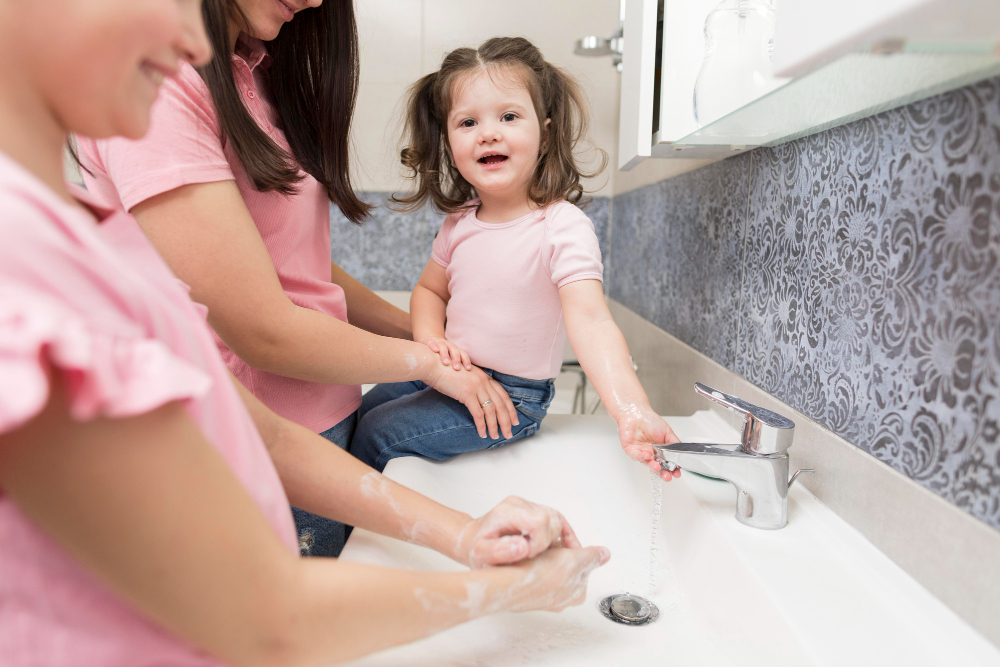
Teach Hand Washing
Children should wash their hands after using the toilet. Show them how to use soap and water. You should let them practise this step.
Register for the Entri Elevate Montessori Teacher Training Program! Join Now!
Let the Child Do Small Tasks
Let the child do simple tasks.
They can:
- Pull down their clothes.
- Flush the toilet.
- Wash their hands.
- Put dirty clothes in the basket.
- Put the towel back.
These small tasks help children learn to do things alone.
Praise the Child’s Effort
Notice when the child tries.
You can say:
- “Good try.”
- “You did it.”
- “Good job.”
Simple praise can encourage the child.
Do not Compare Children
Children do not all learn toilet skills at the same age. Some children may learn quickly. Others may need more time. Give the child time to learn.
Keep the Routine Simple
Use the same basic steps each day. A simple routine can help the child know what to do. The child can slowly learn the toilet routine with practice.
Conclusion
1: What is the primary focus of the first plane of development in the Montessori method?
Montessori toilet training helps children learn how to use the toilet step by step. The child can learn slowly with simple support.
Parents can keep the routine simple. Easy clothes, clear words, and regular practice can help. Accidents can happen while the child is learning. Stay calm and give the child another chance.
Every child learns at a different speed. Give the child enough time and avoid pressure. With practice, the child can slowly learn to use the toilet with less help. It can become a simple part of the child’s daily routine.
Get Certified & Start Your Montessori Career
Montessori Teacher Training Course by Entri App: Gain expert skills, earn certification, and kickstart your teaching career.
Join Now!Frequently Asked Questions
What is Montessori toilet training?
Montessori toilet training helps a child learn to use the toilet in simple steps. The child is given time to learn things like sitting on the toilet, pulling down clothes, using toilet paper, and washing hands.
When should you start Montessori toilet training?
There is no fixed age for toilet training. Look for signs that the child is ready. Staying dry for longer, showing interest in the toilet, and telling you when they need to go can be useful signs.
How do you start Montessori toilet training?
Start by helping the child get familiar with the toilet. Show them how it is used. Let them sit on it when they are comfortable. Then slowly add other steps, such as pulling down clothes and washing hands.
Should parents force a child to use the toilet?
No. Forcing can make toilet training harder. If the child does not want to use the toilet, give them some time and try again later.
What clothes are best during toilet training?
Choose clothes that the child can manage easily. Pants with an elastic waist are a good choice. Avoid tight belts, difficult buttons, and clothes that take a long time to remove.
How can parents help during toilet training?
Stay nearby and help when needed. Use short and clear words. Let the child try the steps on their own when they are able to do so.
What should parents do when accidents happen?
Accidents are common while learning. Stay calm and do not scold the child. Help them clean up and change their clothes. You can try again later.
How can a child learn to use the toilet alone?
Give the child chances to do simple tasks by themselves. They can pull down their clothes, sit on the toilet, use toilet paper, and wash their hands. Give help when they need it.
How long does Montessori toilet training take?
The time can be different for each child. Some children learn the basic steps quickly, while others need more time. Regular practice can help the child become more familiar with the routine.
Why is hand washing important after using the toilet?
Hand washing is an important part of toilet use. Teach the child to use soap and water after using the toilet. With practice, hand washing can become a regular habit.