Table of Contents
Introduction
The entire day depends on one’s morning habits. It decides the Energy, focus, and mood of a person. Tiny changes can help one build healthier routines. A good morning starts with simple choices.
Will be discussing about the five healthy morning habits here. We will look into their benefits in detail. We will show the practical steps for beginners. One can in corporate these habits in their daily schedules. Work more on consistency. Perfection is not that important.
Key Takeaways:
- Regular sleep times should be maintained.
- Phone use should be delayed after waking.
- Some slight movement to be included everyday.
- Include Protein at breakfast.
- Important tasks should be completed early.
Become a General Fitness Trainer and turn your passion into a Profession!
Why Are Morning Habits Important for Your Health?
Body and mind can be prepared in the morning. Daily routines affects the energy and concentration. Simple planning reduces stress.
Daily Energy
Enough rest and nourishment are needed. Morning habits can help meet these needs.
Rest and recovery
- Enough sleep.
- Regular bedtime.
- Consistent waking.
- Peaceful space.
Food and hydration
- Plain water.
- Balanced breakfast.
- Protein foods.
- Three meals.
Daily activity
- Gentle stretching.
- Short walks.
- Fresh air.
- Morning sunlight.
Mental Focus
A calm morning can support clearer thinking. Distractions can be reduced through simple routines.
Better attention
- Less scrolling.
- Fewer alerts.
- Quiet moments.
- Clear priorities.
Daily planning
- Important tasks.
- Simple schedules.
- Early preparation.
- Realistic goals.
Personal confidence
- Small achievements.
- Steady progress.
- Useful routines.
- Regular practice.
Healthy Routines
Familiar actions can become easier over time. Daily decisions can also be simplified.
Daily habits
- Regular sleep.
- Morning movement.
- Balanced meals.
- Focused work.
Better preparation
- Ready clothing.
- Arranged supplies.
- Written tasks.
- Planned meals.
Steady progress
- Small changes.
- Simple routines.
- Flexible schedules.
- Continuse practice.
Turn Your Passion for Fitness into a Profession
Learn practical skills, get certified, and step into the growing fitness industry with confidence.
Join the CourseHabit 1: Wake Up and Sleep at Consistent Times
Make a sleep routine. It supports the body clock. Once the alarm is set. It become easier for one to wake up at same time.
Not everyone has to wake up too early. A schedule depends on one’s responsibilities. Sleep well everyday.

Choose a Suitable Wake-Up Time
Each person can choose a different time. The time depends on his/her Responsibilities. One must consider the following needs. School, work, and family.
Daily schedule
- School timings.
- Work hours.
- Travel time.
- Family duties.
Realistic planning
- Suitable waking time.
- Enough preparation time.
- Gradual adjustments.
- Regular timing.
Healthy choices
- Do not get up early unnecessarily.
- Sleep for correct amount of time.
- Manage mornings.
- Keep schedule.
Maintain a Proper Bedtime
Staying awake during Late nights is no good. It results in tired mornings. Get enough sleep. Plan proper bedtime.
Bedtime reminders
- Reminders should be set.
- Late scrolling should be reduced.
- Bedroom lights should be dimmed.
- Time should be allowed for winding down.
Relaxing activities
- Read books.
- Play Calm music.
- Practice gentle breathing.
- Reduce evening noise.
Sleep preparation
- Tomorrow’s clothes should be chosen.
- Arrange for Necessary supplies.
- Write Important tasks.
- Prepare morning essentials.
Make Evenings More Relaxing
Evening preparation provide healthy mornings. A lot of time can be saved the next day.
Bedroom comfort
- Comfortable bedding.
- Quiet surroundings.
- Suitable temperature.
- Reduced lighting.
Evening habits
- Regular bedtime.
- Less screen use.
- Calm activities.
- Limited late caffeine.
Next-day preparation
- Ready clothing.
- Packed schoolbag.
- Arranged work items.
- Planned breakfast.
Avoid Common Sleep Mistakes
Daily habits has a lot to with one’s quality of sleep quality. Make tiny changes each day. It will reduce sleep problems.
Late-night habits
- Endless scrolling.
- Late gaming.
- Bright screens.
- Irregular bedtimes.
Food and drinks
- Late caffeine.
- Heavy evening meals.
- Excessive evening drinks.
- Irregular meal timing.
Morning disruptions
- Repeated snoozing.
- Changing wake times.
- Insufficient sleep.
- Rushed preparation.
Table 1: Simple Ways to Improve Sleep
| Habit | Suggested action | Benefit |
| Wake time | Regular timing | Better consistency |
| Bedtime | Enough sleep | Physical recovery |
| Screen use | Less late scrolling | Fewer distractions |
| Preparation | Arrange essentials | Less rushing |
| Night routine | Calming activities | Better relaxation |
Stay Consistent
Some mornings can be unexpected. This may disrupt the schedules. Resume normal routines slowly.
Small steps
- Gradual changes.
- Simple planning.
- Realistic goals.
- Regular practice.
Healthy priorities
- Enough sleep.
- Morning preparation.
- Flexible schedules.
- Consistent timing.
Habit 2: Avoid Your Phone for the First Hour
Phones are taken after waking. Messages and videos can quickly attract attention. Several minutes can pass without notice. Morning activities can then become rushed.
Keep one hour phone free. Use this time for healthier activities. Start with Fifteen minutes. Then increase the time slowly.

Keep Your Phone Away
Phone placement can influence morning behaviour. Temptation can be reduced by increasing distance.
Phone placement
- Charging away from bed.
- Separate alarm clock.
- Screen kept out of reach.
- Fixed charging location.
Notification control
- Unnecessary alerts disabled.
- Social media notifications silenced.
- Distracting applications limited.
- Repeated interruptions reduced.
Clear boundaries
- Check time beforehand.
- Avoid immediate scrolling.
- Reduce Morning distractions.
- Followed consistent routine.
Protect Your Attention
Mobile reduces concentration. Some time is allowed before checking outside information.
Reduce distractions
- Short videos delayed.
- Social media postponed.
- Unnecessary notifications skipped.
- Endless browsing limited.
Choose priorities
- Important tasks reviewed.
- Urgent responsibilities identified.
- First activity planned.
- One task prioritised.
Enjoy quiet moments
- Read few pages.
- Breath slow.
- Enjoy surroundings.
- Stay outdoors.
Follow a Simple Morning Sequence
Mornings can become easier through familiar steps. The urge to scroll can also be reduced.
Personal care
- Bed made.
- Face washed.
- Teeth brushed.
- Clothes changed.
Healthy activities
- Plain water consumed.
- Body stretched gently.
- Outdoor walking included.
- Breakfast eaten.
Daily preparation
- Schedule reviewed.
- Essential items checked.
- Workspace prepared.
- Important tasks started.
Make Phone-Free Time Useful
Do other useful activities. Even short routines help.
Physical wellbeing
- Gentle stretching.
- Short walks.
- Morning sunlight.
- Balanced breakfast.
Mental wellbeing
- Quiet reading.
- Slow breathing.
- Personal reflection.
- Simple planning.
Family connections
- Family conversations.
- Breakfast assistance.
- Morning plans shared.
- Quiet moments enjoyed.
Keep the Habit Practical
Use phones for important activities. It is mainly used for communication.
Emergency access
- Important calls.
- Family emergencies.
- Urgent messages.
Work needs
- Urgent updates.
- Work schedules.
- Important reminders.
Gradual progress
- Fifteen minutes initially.
- Longer periods gradually.
- Comfortable targets selected.
Flexible needs
- Emergency calls allowed.
- Urgent messages checked.
- Necessary exceptions accepted.
Daily practice
- Routine repeated.
- Phone kept away.
- Personal priorities protected.
A phone-free morning creates more personal space. Important activities can receive attention first. Daily routines may then feel more organised.
Become a General Fitness Trainer and turn your passion into a Profession!
Habit 3: Get Your Body Moving Every Morning
After sleep the body becomes stiff. One must move the muscles. Do some light activities. Do some simple exercises. Include a short walk. Chose activities as per ability.

Start With Simple Movements
Start with light exercises. Let the movements be comfortable. Also be in control.
Gentle stretching
- Neck stretches.
- Shoulder rolls.
- Arm circles.
- Gentle back stretches.
Simple exercises
- Wall push-ups.
- Bodyweight squats.
- Marching in place.
- Gentle knee raises.
Outdoor movement
- Short walks.
- Garden walking.
- Balcony stretches.
- Easy cycling.
Make Movement a Daily Habit
Build a routine can via regular practice. A suitable time should be selected each morning.
Morning planning
- A suitable time.
- Cotton clothing.
- Simple exercises.
- Nearby equipment.
Easy beginnings
- Five-minute sessions.
- Gentle movements.
- Short walking routes.
- Comfortable exercise speeds.
Steady progress
- Longer walks.
- Additional stretches.
- More repetitions.
- Gradual increases.
Understand the Benefits
Movements provide several benefits. Benefits vary according to activity. It also depends on regularity.
Physical health
- Better mobility.
- Stronger muscles.
- Improved endurance.
- Healthy weight management.
Mental wellbeing
- Better mood.
- Reduced tension.
- Greater alertness.
- Improved confidence.
Daily functioning
- Easier movement.
- Better stamina.
- Greater flexibility.
- More active routines.
Avoid Common Exercise Mistakes
Practice safe and manageable exercises. Sudden increases can cause discomfort.
Overdoing exercise
- Excessive repetitions.
- Intense workouts.
- Sudden increases.
- Ignored discomfort.
Poor preparation
- Unsuitable footwear.
- Slippery surfaces.
- Restricted clothing.
- Unsafe surroundings.
Safer choices
- Gentle warm-ups.
- Comfortable movements.
- Water when needed.
- Rest when necessary.
Table 1: Simple Morning Activities
| Activity | Suggested duration | Main benefit |
| Stretching | 5 minutes | Better flexibility |
| Walking | 10 minutes | More daily activity |
| Wall push-ups | 2 to 3 minutes | Upper-body strength |
| Marching | 5 minutes | Increased activity |
| Gentle yoga | 5 to 10 minutes | Better mobility |
Keep Exercise Realistic
Short sessions can be fitted into busy mornings. An active routine can be built gradually.
Time-saving ideas
- Stretch after waking.
- Walk during daylight.
- Exercise near home.
- Music can be played.
Personal adjustments
- Suitable exercises.
- Reduced intensity when needed.
- Enough recovery time.
- Medical advice when necessary.
Turn Your Passion for Fitness into a Profession
Learn practical skills, get certified, and step into the growing fitness industry with confidence.
Join the CourseHabit 4: Eat a Healthy Breakfast With Protein
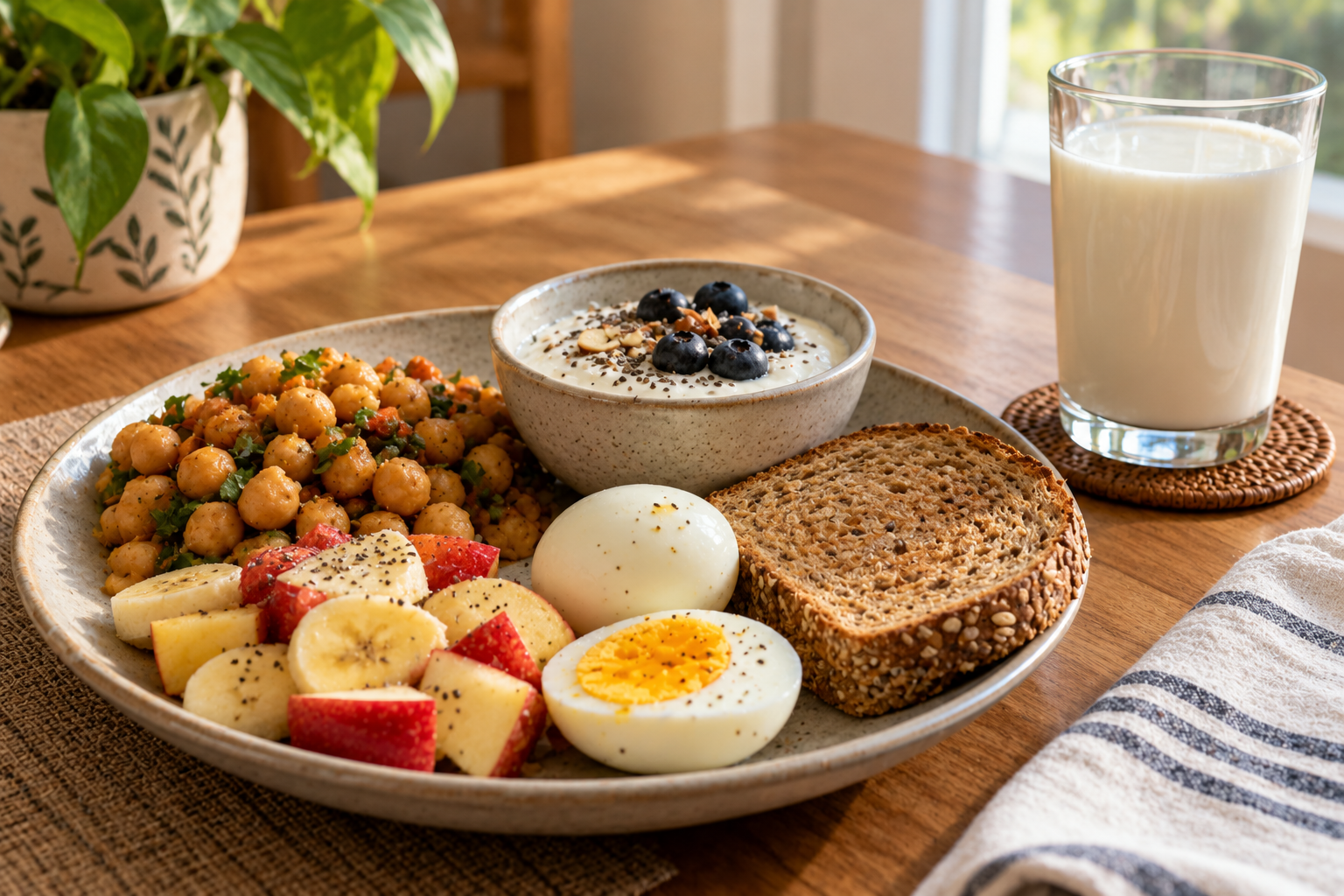
After starving for the whole night. One needs nourishing food in the morning. Protein helps repair tissues. It supports Muscles and other body functions. Protein alone won’t be enough. One needs energy. Hence, take carbohydrates, fats, and fibre as well. Choose breakfast will all nutrients.
Include Protein-Rich Foods
Protein can be obtained from many everyday foods. Different options can be included for variety.
Eggs and dairy
- Boiled eggs.
- Plain yoghurt.
- Milk.
- Paneer.
Plant-based foods
- Chickpeas.
- Lentils.
- Soybeans.
- Peanut butter.
Other options
- Nuts and seeds.
- Beans.
- Tofu.
- Fish, when suitable.
Build a Balanced Breakfast
Different nutrients can be supplied through varied foods. Protein should be combined with other food groups.
Protein sources
- Eggs.
- Milk.
- Beans.
- Yoghurt.
Energy sources
- Oats.
- Wholegrain bread.
- Idli.
- Dosa.
Fibre sources
- Fresh fruit.
- Vegetables.
- Grains.
- Nuts
- Seeds.
Choose Practical Breakfasts
Prepare quick meals. Prepare ingredients also beforehand.
Quick options
- Boiled eggs along withtoast.
- Oats along with milk.
- Yoghurt with fruit.
- Peanut butter toast.
Indian choices
- Idli with sambar.
- Dosa with sambar.
- Besan chilla.
- Vegetable upma with yoghurt.
Preparation tips
- Eggs boiled beforehand.
- Fruit washed in advance.
- Overnight oats prepared.
- Ingredients kept accessible.
Reduce Added Sugar
Include foods with protein and fibre. Avoid Sweet foods. They can be enjoyed occasionally.
Limit frequent choices
- Sugary drinks.
- Sweetened cereals.
- Large pastries.
- Frequent sweets.
Better alternatives
- Whole fruit.
- Plain yoghurt.
- Unsweetened oats.
- Wholegrain toast.
Table 2: Balanced Breakfast Ideas
| Breakfast | Protein source | Other nutrients |
| Eggs and toast | Eggs | Carbohydrates |
| Oats with milk | Milk | Fibre |
| Idli and sambar | Lentils | Carbohydrates |
| Yoghurt and fruit | Yoghurt | Vitamins and fibre |
| Chickpea salad | Chickpeas | Fibre |
Keep Breakfast Practical
Breakfast needs can differ between individuals. Personal appetite and schedules should be considered.
Simple planning
- Familiar foods.
- Ingredients prepared early.
- Protein included regularly.
- Enough time for eating.
Healthy choices
- Water consumed.
- Fruit or vegetables included.
- Varied foods selected.
- Portions adjusted to hunger.
Habit 5: Complete Your Hardest Task First
Use Mornings for focused work. Completed tasks builds one’s confidence. Later pressure can also be reduced.
The hardest task are not the longest. An assignment or important call may be selected. A difficult study topic could also be chosen. One task requiring focused attention should be identified.

Identify Your Main Task
Daily priorities should be decided beforehand. Time can then be used more effectively.
Task selection
- Important assignments.
- Difficult study topics.
- Urgent work.
- Essential appointments.
Clear planning
- One main task.
- A realistic deadline.
- Required materials.
- A suitable starting point.
Priority setting
- Important responsibilities.
- Time-sensitive work.
- Long-delayed tasks.
- Meaningful goals.
Reduce Distractions
Frequent distractions affects concentration. Choose a proper workspace.
Workspace preparation
- Clear desk.
- Required materials.
- Comfortable seating.
- Good lighting.
Digital boundaries
- Phone placed away.
- Unneeded tabs closed.
- Notifications silenced.
- Social media delayed.
Focused sessions
- Twenty-minute sessions.
- Short breaks.
- One task at a time.
- Clear stopping points.
Build Confidence Through Progress
Completed tasks provide visible progress. This strengthens one’s motivation.
Daily progress
- Task completed.
- Work submitted.
- Topic revised.
- Plan followed.
Better organisation
- Fewer unfinished tasks.
- Proper priorities.
- Less/no last-minute rushing.
- Proper management of time.
Healthy expectations
- Realistic deadlines.
- Easy workloads.
- Take breaks.
- Enough sleep.
Avoid Unnecessary Pressure
Some tasks may take more time. Few others may have to do with external factors. Progress can still be made through smaller steps.
Smaller actions
- Document opened.
- One page read.
- One question solved.
- First paragraph drafted.
Flexible planning
- Schedule adjusted.
- Complex tasks divided.
- Help requested.
- Work continued later.
Build a Simple Morning Routine
Five habits may feel difficult in the beginning. A slow approach can make them manageable.
A Practical Sequence
After waking
- Get out of bed.
- Drink some water.
- Unnecessary phone use avoided.
- Curtains opened.
Next activities
- Stretching or walking.
- Washing and dressing.
- Balanced breakfast.
- Main task reviewed.
Before starting work
- Workspace prepared.
- Materials kept ready.
- One priority selected.
- Clear plan followed.
Make Changes Gradually
Every habit does not need to be started immediately. One change can be practised first.
- Week one: Regular waking times maintained.
- Week two: Phone checking delayed.
- Week three: Morning movement added.
- Week four: Breakfast choices improved.
- Ongoing: One priority completed early.
The schedule can be adjusted when needed. Missed days should not end the effort. Progress can be resumed the following morning.
Conclusion
Healthier mornings can be built through small changes. Energy can be supported through regular sleep. Personal priorities can receive more attention. Physical activity can help the body become active. Useful nutrients can be supplied through breakfast. Confidence can be built through completed tasks.
These habits should be fitted into daily life. Extreme schedules are rarely required. Consistency can make routines easier over time. One manageable change can be started today. Other habits can be added gradually.
Turn Your Passion for Fitness into a Profession
Learn practical skills, get certified, and step into the growing fitness industry with confidence.
Join the CourseFrequently Asked Questions
What are the five morning habits for better health?
The five habits include maintaining regular sleep times, avoiding phones after waking, and moving the body daily. Eating a protein-rich breakfast and completing important tasks early can also support healthier routines.
What is the best time to wake up every morning?
The best waking time depends on daily responsibilities and sleep needs. A consistent schedule should be followed while allowing enough rest, which is generally seven to nine hours for adults and eight to ten hours for teenagers.
Why should phone use be avoided after waking?
Early phone use can expose the mind to notifications, messages, and distracting videos. A phone-free period can provide more time for personal care, exercise, breakfast, and daily planning.
What should be done during the first hour after waking?
The first hour can be used for drinking water, getting dressed, and doing gentle exercise. A balanced breakfast and a short review of daily priorities can also be included.
Which morning exercises are suitable for beginners?
Gentle stretching, short walks, marching in place, and wall push-ups are suitable starting options. Exercise duration and intensity should be increased gradually according to comfort and fitness levels.
Why should protein be included in breakfast?
Protein supports muscle maintenance, tissue repair, and several essential body functions. Eggs, milk, yoghurt, lentils, chickpeas, and tofu can be included in a balanced breakfast.
What are some healthy breakfast options for busy mornings?
Boiled eggs with wholegrain toast, oats with milk, and yoghurt with fruit are convenient options. Idli with sambar, besan chilla, and chickpea dishes can also provide useful nutrients.
Does eating sugary foods for breakfast cause tiredness?
A sugary breakfast with little protein or fibre may leave some people hungry sooner. A balanced meal containing protein, fibre, and carbohydrates can provide more varied nutrition and support fullness.
Why should the hardest task be completed first?
Completing an important task early can reduce later pressure and create a sense of achievement. Choosing one clear priority and reducing distractions can make focused work easier to begin.
How can a healthy morning routine be maintained every day?
A routine can be built gradually by introducing one manageable habit at a time. Regular sleep, simple preparation, realistic goals, and flexible adjustments can make healthy habits easier to maintain.