Table of Contents
Key Takeaways
- Many children feel scared.
- This is normal.
- Love helps children.
- Stay calm.
- Keep a daily routine.
- Ask for help if needed.
What Is Separation Anxiety in Children?
Some children feel scared when a parent goes away.
This is called separation anxiety.
👉 It is normal.
A child may:
- Cry.
- Feel scared.
- Hold a parent.
- Say, “Don’t go.”
- Not want to be alone.
This may happen when:
- Going to school.
- Going to daycare.
- A parent goes to work.
- Staying with another person.
Parents can help by:
- Giving hugs.
- Smiling.
- Talking kindly.
- Staying calm.
👉 Most children slowly feel better with love and care.
Unlock your passion for education and shape young minds as a Montessori teacher!
What Causes Separation Anxiety?
Children may feel scared for many reasons.
👉 Every child is different.
Starting School or Daycare
Some children feel scared when they:
- Go to school.
- Start daycare.
- Leave home.
👉 A new place can feel scary.
Being Away from Parents
Some children do not like being away from:
- Mother.
- Father.
- Grandparents.
- Caregiver.
👉 They want to stay with them.
Changes at Home
Some changes can make children feel worried.
For example:
- Moving to a new house.
- A new baby.
- New family changes.
👉 Big changes can make children feel scared.
Meeting New People
Some children feel shy when they meet:
- New teachers.
- New children.
- New people.
👉 New faces can make them nervous.
Something Scary Happened
A child may feel scared after:
- Getting lost.
- Seeing something scary.
- Having a bad experience.
👉 They may not want to be away again.
Feeling Tired or Sick
Children may feel more scared when they are:
- Tired.
- Hungry.
- Sick.
👉 They may want their parents more.
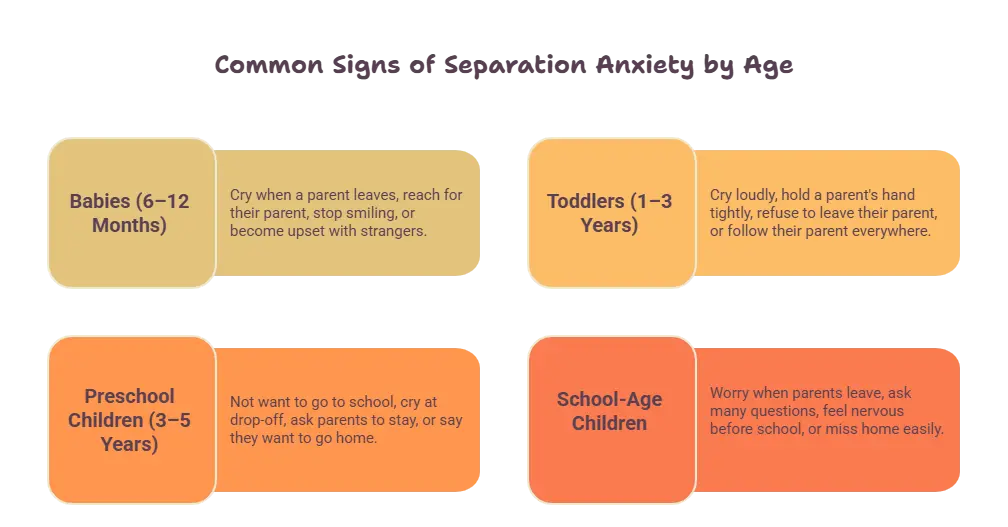
Common Signs of Separation Anxiety by Age
Children may show different signs as they grow.
👉 The signs may change with age.
Babies (6–12 Months)
Babies may:
- Cry when a parent leaves.
- Reach for their parent.
- Stop smiling.
- Become upset with strangers.
👉 Babies feel safest with familiar people.
Toddlers (1–3 Years)
Toddlers may:
- Cry loudly.
- Hold a parent’s hand tightly.
- Refuse to leave their parent.
- Follow their parent everywhere.
👉 This is common at this age.
Preschool Children (3–5 Years)
Preschool children may:
- Not want to go to school.
- Cry at drop-off.
- Ask parents to stay.
- Say they want to go home.
👉 They may need extra comfort.
School-Age Children
Older children may:
- Worry when parents leave.
- Ask many questions.
- Feel nervous before school.
- Miss home easily.
👉 Some children need more reassurance.
When Is Separation Anxiety a Concern?
1: What is the primary focus of the first plane of development in the Montessori method?
2: According to Montessori practices, children are allowed to choose their work instead of the teacher choosing the work for them. Therefore:
3: There are totally ______ types and levels of Montessori education in practice.
4: Based on the Montessori Method, children have a natural desire to:
5: The Association Montessori Internationale has its headquarters at __________.
Ever wondered how much you really know? It's time to put your brain to the test!
Most children slowly outgrow separation anxiety.
Sometimes the worry lasts longer.
👉 Parents should notice if the problem continues.
The Child Is Upset Every Day
The child may:
- Cry every day.
- Stay worried every day.
- Find it hard to feel calm.
👉 This may need extra attention.
The Child Refuses School Often
The child may:
- Refuse to go to school.
- Refuse daycare.
- Cry every morning.
👉 This can affect learning.
The Child Cannot Stay Away from Parents
The child may:
- Never leave a parent.
- Feel scared all the time.
- Become very upset after a short goodbye.
👉 This may be more than normal worry.
The Worry Lasts for a Long Time
If the fear continues for:
- Many weeks.
- Many months.
👉 It is a good idea to talk to a child specialist.
Daily Life Becomes Difficult
The child’s worry may stop them from:
- Playing.
- Learning.
- Meeting friends.
- Enjoying activities.
👉 Extra help may be needed.
Parents Feel Worried
Parents know their child best.
If you feel:
- Something is not right.
- The worry is getting worse.
- Your child has changed a lot.
👉 It is always okay to ask a child specialist for advice.
Early Help Can Make a Difference
Getting help early can help children:
- Feel safe.
- Feel calm.
- Build confidence.
- Enjoy school and daily life.
👉 Small support at the right time can help children feel happier and more confident.
Get Certified & Start Your Montessori Career
Montessori Teacher Training Course by Entri App: Gain expert skills, earn certification, and kickstart your teaching career.
Join Now!Effective Ways to Help a Child Cope with Separation Anxiety
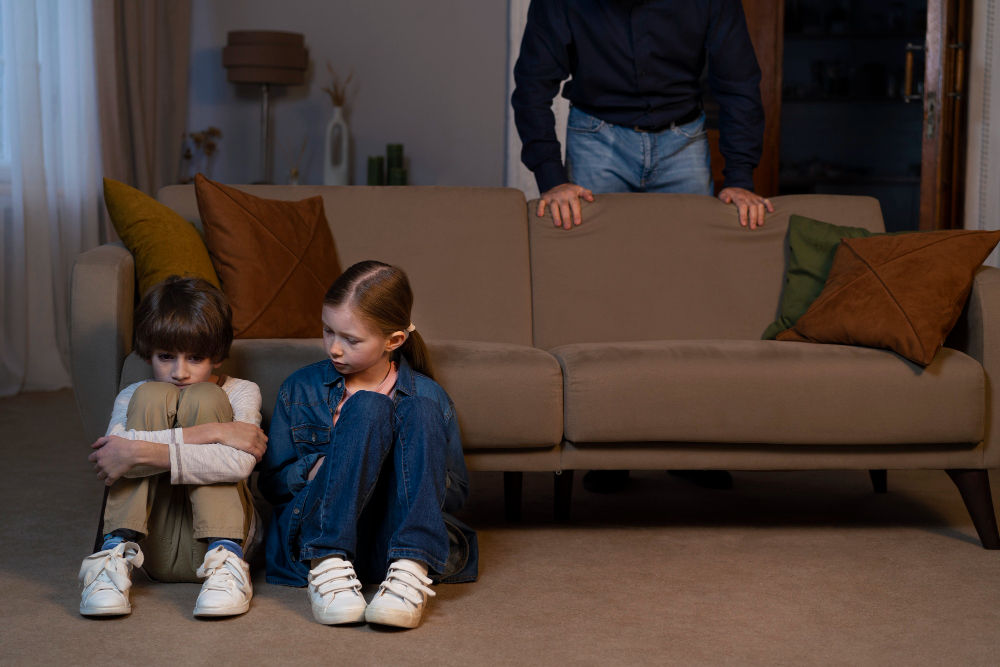
Children need time to feel comfortable.
Parents and caregivers can help in simple ways.
👉 Small daily habits can help children feel safe and confident.
Stay Calm
Children watch their parents.
If parents stay calm:
- The child feels safe.
- The child feels relaxed.
- The child worries less.
👉 A calm parent helps a calm child.
Say Goodbye with a Smile
When leaving:
- Smile.
- Give a hug.
- Say goodbye kindly.
Do not leave without telling the child.
👉 A simple goodbye helps children feel secure.
Keep Goodbyes Short
Do not make goodbye too long.
Simply:
- Hug.
- Smile.
- Say goodbye.
- Leave calmly.
👉 Short goodbyes are easier for children.
Follow the Same Routine
Children feel better when they know what will happen.
Try to keep the same time for:
- Waking up.
- School.
- Meals.
- Bedtime.
👉 A daily routine makes children feel safe.
Keep Your Promise
Tell your child:
- “I will come back after school.”
- “I will see you later.”
Always come back when you said you would.
👉 This builds trust.
Give Comfort Before Leaving
Before leaving:
- Hug your child.
- Hold their hand.
- Speak kindly.
👉 Love helps children feel safe.
Let the Child Carry a Comfort Item
Some children feel better with:
- A small teddy.
- A favourite toy.
- A small blanket.
👉 A familiar item gives comfort.
Praise Small Improvements
When your child stays calm:
Say:
- Good job.
- Well done.
- I am proud of you.
👉 Kind words build confidence.
H3: Tips for Parents and Caregivers
Parents and caregivers play an important role.
Simple actions every day can help children feel better.
Listen to Your Child
Let your child:
- Talk.
- Cry.
- Share feelings.
Listen carefully.
👉 Children feel better when someone listens.
Do Not Laugh at Their Fear
Even if the fear seems small,
take it seriously.
👉 Children want to feel understood.
Encourage Small Steps
Help your child little by little.
For example:
- Stay away for a few minutes.
- Slowly increase the time.
👉 Small steps build confidence.
Stay Positive
Use kind words like:
- You are safe.
- I will come back.
- You are doing well.
👉 Positive words help children feel calm.
Avoid Showing Your Own Worry
If parents look worried,
children may feel more worried too.
👉 Stay relaxed and confident.
Spend Quality Time Together
When you are together:
- Read books.
- Play games.
- Talk.
- Go for a walk.
👉 Happy time together makes children feel secure.
Help the Child Make Friends
Encourage your child to:
- Play with other children.
- Join group activities.
- Talk to classmates.
👉 Friends help children feel comfortable.
Work with Teachers
Talk to your child’s teacher.
Share:
- Your child’s worries.
- Helpful routines.
- Simple ways to comfort your child.
👉 Parents and teachers working together helps the child.
Be Patient
Some children need more time.
Do not expect quick changes.
👉 Every child learns at their own pace.
Celebrate Progress
Notice every small success.
For example:
- The child stopped crying sooner.
- The child entered the classroom calmly.
- The child smiled during goodbye.
👉 Every small improvement is important.
Keep Helping Every Day
Continue giving:
- Love.
- Support.
- Encouragement.
- Patience.
👉 Daily support helps children become stronger and more confident over time.
H2: When Should You Seek Professional Help?
Most children slowly stop feeling scared when parents leave.
👉 This is normal.
But some children stay worried for a long time.
Then it is a good idea to ask a child specialist for help.
The Child Cries Every Day
The child:
- Cries every morning.
- Cries when you leave.
- Does not stop crying easily.
👉 This should be checked.
The Child Does Not Want to Leave Home
The child may:
- Not want school.
- Not want daycare.
- Not want to visit anyone.
👉 This can make daily life difficult.
The Child Always Wants a Parent
The child may:
- Hold your hand.
- Stay beside you.
- Not let you go.
👉 This may need extra help.
The Child Looks Scared All the Time
The child may:
- Look worried.
- Feel afraid.
- Stay nervous.
👉 The worry may not go away on its own.
The Child Stops Playing
The child may:
- Not play.
- Not smile.
- Sit quietly all the time.
👉 Parents should notice this.
The Child Says “Don’t Go” Every Time
The child may:
- Ask you to stay.
- Cry when you leave.
- Feel afraid every day.
👉 This may be more than normal fear.
The Child Cannot Sleep Well
The child may:
- Wake up often.
- Have bad dreams.
- Be afraid at night.
👉 Poor sleep can make the child more worried.
The Child Gets Angry Easily
Some children may:
- Shout.
- Cry loudly.
- Throw things.
- Get upset quickly.
👉 Sometimes worry looks like anger.
Parents Feel Worried
Parents may feel:
- Something is different.
- The child is not getting better.
- The worry is becoming bigger.
👉 Trust your feelings.
A Child Specialist Can Help
The specialist may:
- Talk to the parents.
- Watch the child.
- Give simple advice.
- Suggest easy ways to help.
👉 The goal is to help the child feel safe.
Getting Help Early Is Good
Early help can help the child:
- Feel calm.
- Feel safe.
- Smile more.
- Enjoy school.
- Enjoy playing again.
👉 Getting help early can make things easier for the child and the whole family.
Unlock your passion for education and shape young minds as a Montessori teacher!
Conclusion
Separation anxiety is common in many children.
Most children slowly feel better as they grow.
Parents can help by:
- Staying calm.
- Giving love.
- Following a daily routine.
- Speaking kindly.
If the worry does not become smaller, ask a child specialist for help.
👉 With love, patience, and the right support, children can feel safe, happy, and confident again.