Table of Contents
Key Takeaways:
- Picture activities help children learn.
- Children learn by sorting pictures.
- These activities improve thinking.
- They help children learn new words.
- Picture games make learning fun.
- Parents can play these games at home.
- Teachers can use them in class.
- Simple picture cards are enough.
Unlock your passion for education and shape young minds as a Montessori teacher!
What are the Benefits of Picture Classification Activities?
Picture classification activities are simple and fun. Children look at pictures and group similar ones together.
For example:
- Animals together.
- Fruits together.
- Vehicles together.
- Colours together.
👉 This helps children learn while playing.
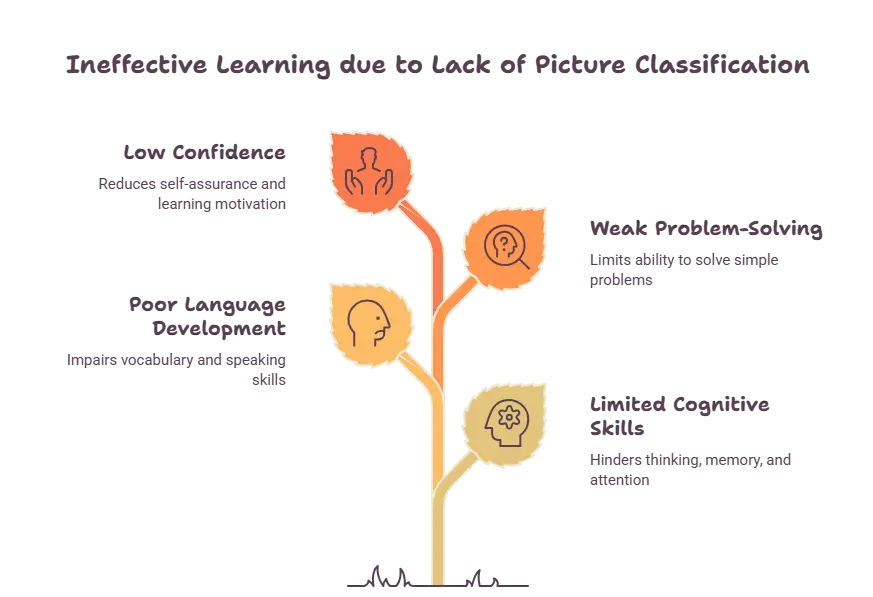
Some simple benefits are:
- Helps children think better.
- Improves memory.
- Builds attention.
- Helps children learn new words.
- Improves speaking skills.
- Helps children notice differences.
- Builds matching skills.
- Improves sorting skills.
- Helps children solve simple problems.
- Makes learning fun.
- Builds confidence.
- Prepares children for school.
Parents and teachers can use these activities:
- At home.
- In preschool.
- During playtime.
- During learning time.
Children do not need expensive materials. Simple picture cards or printed pictures are enough.
👉 Picture classification activities help preschool children learn, think, and enjoy every day.
Introduction
Children enjoy looking at pictures.
They like to:
- See animals.
- See fruits.
- See colours.
- See shapes.
Picture activities are fun. They also help children learn many new things. Picture classification means putting similar pictures together.
For example:
- Animals together.
- Fruits together.
- Vehicles together.
- Colours together.
In this blog, you will learn:
- What picture classification activities are.
- How they help preschool children.
- Easy activities to try.
- Simple tips for parents and teachers.
What is Picture Classification in Early Childhood Education?
1: What is the primary focus of the first plane of development in the Montessori method?
Fun Picture Classification Activities for Preschoolers
Picture classification can be made into a fun game. Children enjoy learning when they play.
These activities are easy to do. Parents and teachers can use them:
- At home.
- In preschool.
- During playtime.
- During learning time.
👉 Children learn many new skills while having fun.
Animal Picture Sorting
Children love animals. This activity is simple.
Group Animal Pictures
Give children pictures of:
- Dog.
- Cat.
- Cow.
- Lion.
- Elephant.
- Bird.
Ask them to put all the animals together.
👉 Children learn animal names.
Talk About the Animals
Ask simple questions like:
- What is this?
- Where does it live?
- What sound does it make?
👉 Children learn while talking.
Fruit and Vegetable Sorting
Children can learn about healthy foods.
Sort the Pictures
Show pictures of:
- Apple.
- Banana.
- Mango.
- Carrot.
- Tomato.
- Potato.
Ask children to make two groups.
- Fruits.
- Vegetables.
👉 Children learn to tell the difference.
Say the Names Together
Ask children to say each name aloud.
👉 This helps speaking skills.
Colour Picture Activity
Children enjoy colourful pictures.
Match the Same Colours
Show pictures with different colours.
Ask children to group:
- Red pictures.
- Blue pictures.
- Green pictures.
- Yellow pictures.
👉 Children learn colours easily.
Find Things Around Them
Ask children to find:
- Something red.
- Something blue.
- Something green.
👉 Learning becomes more fun.
Vehicle Picture Sorting
Most children enjoy looking at vehicles.
Group the Vehicles
Show pictures of:
- Car.
- Bus.
- Train.
- Bicycle.
- Aeroplane.
- Boat.
Ask children to put all the vehicles together.
👉 Children learn vehicle names.
Talk About Travel
Ask questions like:
- Which one flies?
- Which one goes on the road?
- Which one goes on water?
👉 Children enjoy answering.
Bird and Animal Activity
Children can learn about different living things.
Make Two Groups
Show pictures of:
- Parrot.
- Crow.
- Sparrow.
- Dog.
- Horse.
- Rabbit.
Ask children to make:
- Bird group.
- Animal group.
👉 Children learn simple classification.
Big and Small Picture Activity
Children can compare sizes.
Sort by Size
Show pictures of:
- Big elephant.
- Small mouse.
- Big tree.
- Small flower.
Ask children to make:
- Big things.
- Small things.
👉 Children learn size words.
Shape Picture Activity
Shapes are easy for preschool children.
Group the Shapes
Use pictures of:
- Circle.
- Square.
- Triangle.
- Rectangle.
Ask children to put matching shapes together.
👉 Shape learning becomes easy.
Home and School Objects
Children see many objects every day.
Sort the Pictures
Show pictures of:
- Chair.
- Table.
- Pencil.
- Book.
- Spoon.
- Plate.
Ask children to group:
- Home things.
- School things.
👉 Children understand where things belong.
Living and Non-Living Things
Children can learn simple science.
Make Two Groups
Show pictures of:
- Tree.
- Dog.
- Flower.
- Ball.
- Chair.
- Toy car.
Ask children to make:
- Living things.
- Non-living things.
👉 Children begin learning about nature.
Matching Family Pictures
Children enjoy talking about family.
Group Family Members
Use pictures of:
- Mother.
- Father.
- Brother.
- Sister.
- Grandmother.
- Grandfather.
Ask children to put all family members together.
👉 Children learn family names.
Weather Picture Activity
Weather is easy for children to understand.
Sort Weather Pictures
Show pictures of:
- Sun.
- Rain.
- Cloud.
- Wind.
Ask children to name each picture.
👉 Children learn weather words.
Nature Picture Activity
Children enjoy nature.
Group Nature Pictures
Show pictures of:
- Tree.
- Flower.
- Leaf.
- River.
- Mountain.
Ask children to put nature pictures together.
👉 Children learn about the world around them.
Make It a Fun Game
Children enjoy games more than lessons.
Give Simple Challenges
Say things like:
- Find all the fruits.
- Find all the animals.
- Find all the red pictures.
👉 Children enjoy searching.
Let Children Work Slowly
Some children finish quickly. Some need more time.
👉 Let every child learn at their own speed.
Praise Every Child
Children feel happy when adults encourage them.
Say Kind Words
Say:
- Good job.
- Well done.
- Nice work.
- Keep trying.
👉 Kind words build confidence.
Enjoy the Activity Together
Parents and teachers can:
- Sit with children.
- Talk about the pictures.
- Smile together.
- Play together.
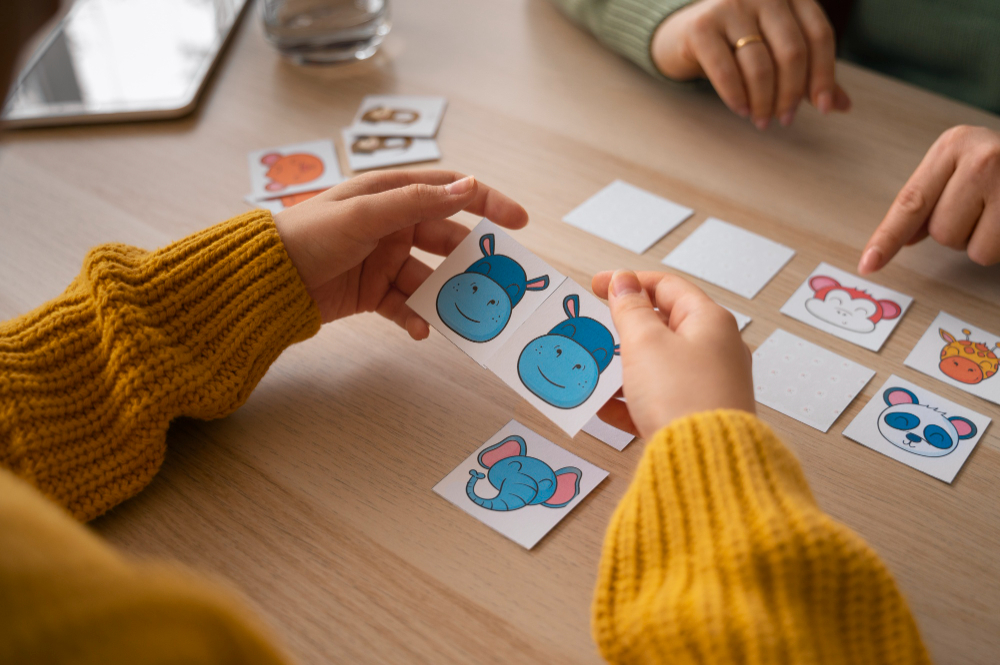
👉 Picture classification becomes a fun learning activity that helps preschool children think, speak, observe, and enjoy learning every day.
Tips for Parents and Montessori Teachers
Parents and teachers help children learn every day. Picture classification activities become better when adults guide children in a simple way.
👉 Learning should always be easy and enjoyable.
Keep the Activity Simple
Young children learn better with simple activities.
Use a Few Pictures
Start with only:
- 4 pictures.
- 5 pictures.
- 6 pictures.
👉 Too many pictures may confuse the child.
Choose Easy Pictures
Use pictures of things children already know.
For example:
- Cat.
- Apple.
- Ball.
- Car.
👉 Familiar pictures are easier to understand.
Let Children Learn Slowly
Every child learns at a different speed.
Give Enough Time
Do not hurry the child.
Let them:
- Look.
- Think.
- Choose.
👉 Children learn better without pressure.
Be Patient
If the child makes a mistake:
- Smile.
- Help kindly.
- Let them try again.
👉 Learning takes time.
Talk About the Pictures
Talking helps children learn more.
Ask Simple Questions
Ask questions like:
- What is this?
- What colour is it?
- Where does it belong?
👉 Talking improves learning.
Say the Picture Names
Say every picture name clearly. Ask the child to repeat it.
👉 This helps speaking skills.
Praise Every Small Effort
Children like kind words.
Encourage the Child
Say:
- Good job.
- Well done.
- Nice try.
- Keep going.
👉 Praise makes children happy.
Celebrate Small Successes
Even if the child gets only one picture right, say something kind.
👉 Small success builds confidence.
Make Learning Fun
Children learn more when they enjoy the activity.
Turn It into a Game
You can say:
- Find all the animals.
- Find all the fruits.
- Find the red picture.
👉 Games make learning exciting.
Smile While Teaching
Children enjoy learning from happy adults.
👉 A smile makes the activity more enjoyable.
Use Different Picture Sets
Children enjoy seeing new pictures.
Change the Pictures Often
Use pictures of:
- Animals.
- Birds.
- Fruits.
- Vehicles.
- Flowers.
👉 New pictures keep children interested.
Match the Child’s Interests
If a child likes:
- Cars.
- Animals.
- Dinosaurs.
Use those pictures.
👉 Children learn faster when they enjoy the topic.
Keep the Learning Area Comfortable
A good place helps children focus.
Choose a Quiet Place
The place should be:
- Clean.
- Bright.
- Quiet.
👉 Children can pay better attention.
Sit Together
Sit beside the child. Help only when needed.
👉 Children feel safe and comfortable.
Use Picture Activities Every Day
Practice helps children learn.
Spend a Few Minutes Daily
Even:
- 10 minutes.
- 15 minutes.
each day is enough.
👉 Small daily practice gives good results.
Repeat the Activity
Children enjoy doing the activity again.
👉 Repeating helps them remember.
Let Children Think by Themselves
Children should learn to make their own choices.
Do Not Give the Answer Quickly
Give the child time to think.
Let them:
- Look carefully.
- Decide.
- Choose.
👉 Independent thinking grows slowly.
Ask Instead of Telling
Instead of giving the answer,
ask:
- Which group is this?
- Where will this picture go?
👉 Questions help children think.
Work Together with the Child
Learning is better when adults join the activity.
Learn Together
Parents and teachers can:
- Look at pictures together.
- Talk together.
- Sort together.
👉 Children enjoy learning with adults.
Keep Every Activity Positive
Do not worry about mistakes. Every activity helps the child:
- Learn.
- Think.
- Observe.
- Grow.
👉 Happy learning helps children enjoy picture classification every day.
Unlock your passion for education and shape young minds as a Montessori teacher!
Conclusion
Get Certified & Start Your Montessori Career
Montessori Teacher Training Course by Entri App: Gain expert skills, earn certification, and kickstart your teaching career.
Join Now!Frequently Asked Questions
What is picture classification?
Picture classification is a simple learning activity.
Children look at pictures and put similar pictures together.
For example:
- Animals together.
- Fruits together.
- Vehicles together.
👉 It helps children learn while playing.
Why are picture classification activities important?
These activities help children:
- Think better.
- Learn new words.
- Improve memory.
- Observe carefully.
- Get ready for school.
👉 They make learning easy and fun.
At what age can children start picture classification activities?
Most children can start around 2 to 3 years of age.
Start with:
- Big pictures.
- Easy pictures.
- Few picture cards.
👉 Simple activities are best for young children.
What pictures can I use for classification?
You can use pictures of:
- Animals.
- Fruits.
- Vegetables.
- Birds.
- Colours.
- Shapes.
- Vehicles.
- Flowers.
👉 Use pictures that children already know.
Can parents do these activities at home?
Yes.
Parents can:
- Print pictures.
- Use flashcards.
- Cut pictures from books.
- Play simple sorting games.
👉 A few minutes every day is enough.
How often should children do picture classification activities?
Children can do these activities:
- Every day.
- A few times each week.
Even 10 to 15 minutes is helpful.
👉 Regular practice helps children learn better.
What should I do if my child makes mistakes?
Stay calm.
Help your child by:
- Smiling.
- Giving simple hints.
- Letting them try again.
👉 Mistakes are a normal part of learning.
Can picture classification improve school readiness?
Yes.
These activities help children:
- Listen carefully.
- Think clearly.
- Learn new words.
- Follow instructions.
- Build confidence.
👉 They help children get ready for preschool and school learning.