Table of Contents
A BIM Engineer is one of the in-demand jobs in India’s construction and infrastructure sector currently . Building Information Modelling has well and truly exceeded its beginnings as a simple design tool and is now the vital mechanism that large-scale projects use to get planned, coordinated and finished.
The Indian construction industry is rapidly adopting BIM workflows. We can credit the government’s mandates and demand from smart city projects and international clients who are after ISO 19650-compliant results for this .
If you’re a civil engineer, an architect or MEP professional wondering if BIM is worth checking out – the following guide sets the record straight.
Key Takeaways
- BIM Engineers in India can pocket between 2.5 LPA and 25+ LPA (as a senior).
- Don’t think that a BIM engineer just pushes pixels. Coordinated planning, automation and data handling are vital skills now.
- Revit, Navisworks and Autodesk Construction Cloud are the core tools you’ll be using in 2026.
- Career progression is clear: Modeler → Engineer → Coordinator → BIM Manager → BIM Director.
- Adding some Dynamo or Python skills and getting certified in Revit like ACP can jack up your salary by 15% to 25%.
- Bengaluru, Hyderabad, Mumbai, Pune and Gurugram pay top dollar for BIM professionals.
- Digital twins, AI-BIM and sustainability analysis are emerging specialisms that are opening up whole new career paths.
What Does a BIM Engineer Do?

A BIM Engineer is the person on your project who crafts and manages those data-rich 3D models, stuffed with geometry, cost estimates, scheduling info and construction details.
This role has completely changed – it’s now all about collaborating with others, automating workflows and taking the lead in digital delivery.
Day to day looks like this:
- You’ll be building and fine tuning 3D, 4D & 5D models with the likes of Revit, Navisworks, and Tekla.
- Running multi-disciplinary clash detection with Architecture, Structure and MEP teams.
- Getting the Common Data Environments (CDE) set up on platforms like Autodesk Construction Cloud or BIM 360.
- Helping teams get their 4D sequencing and 5D cost control workflows sorted.
- Creating construction docs and coordinated drawing sets.
Think of a BIM engineer like the digital thread that ties all the different parties together, like architects, structural engineers, MEP consultants and contractors. Keeping everyone on the same page so to speak, all working from one model rather than lots of conflicting drawings.
Get Career Oriented BIM Certification Course with Expert Mentors! Get Free Demo Here!
Master BIM and Elevate Your Career – Enroll Today!
Stay ahead in the construction and design industry with our comprehensive BIM Course! Learn Building Information Modeling (BIM) from experts, gain hands-on experience with top software, and boost your career prospects. Join now and become a certified BIM professional!
Know MoreKey Skills Required for BIM Engineers
BIM engineers require a mix of technical expertise, software proficiency, and collaborative skills to perform effectively. Here are the key skills essential for BIM engineers:
1. Technical and Software Skills
The 2026 BIM tool stack that employers actually hire for:
| Skill Category | Tools/Platforms |
| Core BIM Modeling | Autodesk Revit (Arch/Structure/MEP), Tekla, ArchiCAD |
| Clash Detection | Navisworks, Solibri |
| Collaboration & CDE | Autodesk Construction Cloud, BIM 360, Trimble Connect |
| 4D/5D Workflows | Navisworks Timeliner, Primavera link, cost plugins |
| Visualization | Lumion, Enscape, Twinmotion |
Employers increasingly expect LOD 300–350-compliant models and a working understanding of ISO 19650 standards.
2. Automation and Data Skills
By 2026, BIM automation is no longer just a nice to have. People who can scratch out basic scripts in Dynamo for Revit or maybe even Python to make their lives easier by automating repetitive coordination tasks are going to be the ones getting the better paying jobs.
And let’s be honest, data management is just as important as it always has been – we’re talking about proper parameter tagging, IFC exports that actually work, and all that interoperability jazz that keeps projects running smoothly.
3. Cross-Disciplinary Construction Knowledge
You don’t need to be an expert in all things structural and MEP, but you should have a good idea how those two disciplines interact with each other – and where they start to conflict – that’s what sets a decent BIM engineer apart from a really good one.
Throwing some knowledge of construction sequencing, how things get built on site, local building codes, and the like into the mix (LEED or GRIHA if you can handle it) is a big plus.
4. Communication and Coordination
BIM is a team sport. Being able to run those coordination meetings, get the word out on clash resolutions, deal with RFIs, and generally keep the client happy during design reviews – that’s just as valuable as being a whiz with a model.
Career Path and Opportunities

Stage 1: Entry-Level (0–2 Years)
Roles: BIM Modeler, BIM Technician, Junior BIM Engineer
Right at the start of your career, you’ll be in charge of
- taking those 2D plans and turning them into 3D Revit models
- getting the setup for clash detection sorted
- getting clued up on the BIM standards that will be the ones to follow for each project.
Increasingly, new people are making the leap into BIM through certification rather than going back for a postgrad degree.
Stage 2: Mid-Level (2–6 Years)
Roles: BIM Engineer, BIM Coordinator, MEP BIM Coordinator
This is where things get really interesting and you start to do some real heavy lifting. You’ll be working across teams to get projects moving, running the clash detection yourself, and starting to get your teeth into the really complex stuff – think high-rise buildings or major infrastructure jobs.
At the 4 to 6 year mark, a mid-level BIM Coordinator in India can expect to bring in a pretty nice salary – at least ₹7 LPA, and often more like ₹12 LPA.
Stage 3: Senior-Level (6–10 Years)
Roles: Senior BIM Coordinator, BIM Manager, Project BIM Lead
By this point, you’re in charge of defining BIM Execution Plans, handling your CDE platforms, overseeing teams of modelers and coordinators and making sure everything keeps running smoothly according to ISO 19650.
Some people even go on to work in BIM consulting or take on VDC leadership roles.
Stage 4: Leadership (10+ Years)
Roles: BIM Director, Head of VDC, Digital Construction Lead
At the very top, the top dogs are driving company-wide BIM adoption, setting out the organisational standards, and handling multiple big projects all at once.
Whether that’s a major EPC firm, a global design consultancy, or a key player in the property development market – the top leaders are keeping things running.
Emerging Tracks to Watch in 2026
A bit beyond the standard BIM career ladder, there’s a whole bunch of new and exciting areas to explore:
- Digital Twin Experts – with the ability to link your live BIM models to IoT sensors and facility management data
- AI-BIM Engineers – using generative design tools and automated clash detection
- Sustainability Analysts – crunching energy simulation numbers and running carbon-impact reports through BIM
- AR/VR BIM Specialists – whipping up immersive walkthroughs for clients and site contractors
These emerging areas are growing fast, especially in India, the Gulf, Singapore, and Northern Europe.
Get Career Oriented BIM Certification Course with Expert Mentors! Get Free Demo Here!
BIM Engineer Salary
As of March 2026, the BIM engineer salary in India ranges from ₹3 LPA for freshers to over ₹20 LPA for senior professionals, depending on experience, city, discipline, and the type of company you work for.
| Experience Level | CTC Range (₹) | Approx. Monthly Take-Home |
| Fresher (0 to 1 yr) | ₹2.5 LPA to ₹4.5 LPA | ₹20,00 to ₹35,000 |
| Junior (1 to 2 yrs) | ₹3 LPA to ₹6 LPA | ₹27,000 to ₹40,000 |
| Mid-Level (3 to 5 yrs) | ₹7 LPA to ₹12 LPA | ₹40,000 to ₹75,000 |
| Senior (6 to 9 yrs) | ₹12 LPA to ₹18 LPA | ₹65,000 to ₹1,10,000 |
| BIM Manager (10+) | ₹15 LPA to ₹25+ LPA | ₹95,000 to ₹1,60,000+ |
The average salary for a BIM Engineer is approximately ₹4.7 LPA across all experience levels in India. However, this average is pulled down by entry-level roles – experienced professionals earn significantly more.
Highest-paying cities: Bengaluru, Mumbai, Gurugram, Hyderabad, Chennai, and Pune.
What Affects Your BIM Salary?
- Experience and project type – high-rise, airports, metros, and hospital projects command premiums
- Skill depth – Revit + Navisworks + 4D/5D + Dynamo stack is worth considerably more than Revit alone
- Certifications – the Autodesk Certified Professional (ACP) in Revit commands a 15–25% salary premium
- Company type – MNCs, global AEC delivery centers, and large developers pay at the top of the band
Global Salary Snapshot
In Singapore, a BIM coordinator earns around SGD 55,000 annually, while in Australia, salaries range from AUD 70,000 for junior positions to above AUD 120,000 at the senior level.
In the UK, the average BIM engineer salary is around £40,000, rising to £60,000 for BIM managers.
The Middle East – particularly UAE and Saudi Arabia – offers strong packages for BIM coordinators and managers on mega-infrastructure projects.
Master BIM and Elevate Your Career – Enroll Today!
Stay ahead in the construction and design industry with our comprehensive BIM Course! Learn Building Information Modeling (BIM) from experts, gain hands-on experience with top software, and boost your career prospects. Join now and become a certified BIM professional!
Know MoreHow to Become a BIM Engineer?
Step 1 – Educational Foundation
Typically you’ll need a bachelors in Architecture, Civil Engineering, Structural Engineering, or MEP as the bare minimum. A Masters or diploma in Construction Management or Digital Construction is super useful but not always necessary, especially for modeling roles.
Step 2 – Master the Right Tools
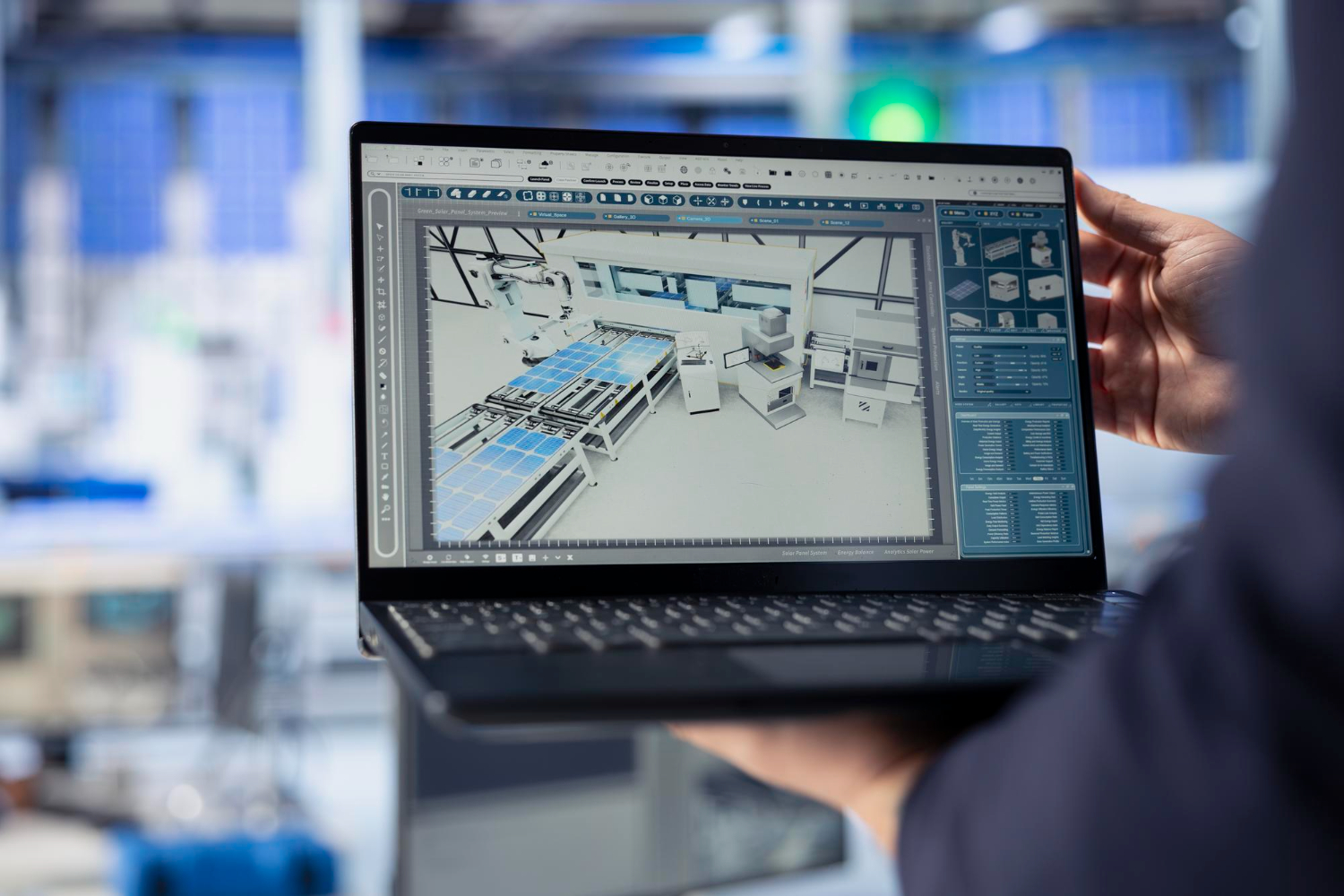
Start off by getting Revit (Architecture, Structure, MEP) down, then add some Navisworks for clash detection, get AutoCAD on the brain for reading old drawings and learn the cloud platforms like Autodesk Construction Cloud for collaboration. Throw Dynamo in the mix for some automation and Lumion for visualising things and you’ve got yourself a pretty solid 2026 skill set.
Step 3 – Build a Portfolio, Not Just a Resume
Hiring Managers these days want to see some real work in the form of 3 to 5 projects showing off 3D Revit models, Navisworks clash detection reports and some basic 4D/5D workflow exposure. Contributing to open-source projects or doing some freelance BIM work will definitely give your application a boost.
Step 4 – Get Strategically Certified
Getting one or two high-value certifications is the way to go: ACP in Revit or Navisworks is the most well known. The buildingSMART and RICS BIM Manager certifications are good for senior roles. Be careful not to collect loads of half finished ones – its quality over quantity when it comes to certifications.
Step 5 – Stay Connected
Join BIM communities on LinkedIn, go to webinars on digital construction and follow real world BIM case studies. This keeps you ahead of the game when it comes to salary trends, new tools and hiring patterns – especially in the fast moving world of AI-BIM and digital twins.
Get Career Oriented BIM Certification Course with Expert Mentors! Get Free Demo Here!
Is BIM the Right Career Move for You?
BIM suits professionals who enjoy 3D problem-solving and coordination over pure site supervision, who are comfortable with software and data, and who want a scalable career with clear paths into management, consulting, or emerging niches.
For civil engineers, architects, and MEP graduates in India, switching to BIM in 2026 often means better pay, improved work-life balance (primarily office-based roles), and exposure to large, technically complex projects.
If you want a career that sits at the intersection of construction expertise and digital technology – BIM is one of the most future-proof paths in the AEC industry right now.
Conclusion
BIM engineering by 2026 – what does it all really mean? It’s not just about setting up buildings in software, it’s about having your finger on the pulse when it comes to managing project data, making sure all the right people are talking to each other, and making better construction decisions right across a project’s lifespan.
The BIM career path is actually pretty well laid out, and the pay is pretty sweet, with entry level salaries starting at around ₹2.5 LPA and experienced BIM managers raking in ₹25+ LPA.
The people that get on in this line of work are those who can combine good solid technical skills with the ability to get on with automation and have a knack for coordinating things, and also have a genuine attitude to keep on learning.
Whether you’re just starting out or looking to give yourself a bit of a push up the career ladder, BIM really is a pretty compelling career path here in India and all over the world.
|
Engineering Upskilling Courses
|
| MEP Course |
| BIM Course |
| Quantity Surveyor Course |
| Structural Design Course |
| MEP QS Course |
Master BIM and Elevate Your Career – Enroll Today!
Stay ahead in the construction and design industry with our comprehensive BIM Course! Learn Building Information Modeling (BIM) from experts, gain hands-on experience with top software, and boost your career prospects. Join now and become a certified BIM professional!
Know MoreFrequently Asked Questions
What qualifications do you need to become a BIM engineer?
To get started you’ll typically need a bachelor’s degree in Architecture, Civil, or MEP Engineering, and a BIM centred certification (like becoming an Autodesk Certified Professional in Revit) will really make your CV stand out.
Which software is most important for a BIM engineer in 2026?
Essentially you’ll be working with Autodesk Revit (for the actual modelling) and Navisworks (for finding out if things clash) as your core tools, backed up by Autodesk Construction Cloud, Dynamo and some visualisation tools like Lumion.
Is BIM a good career choice in India?
Yes. BIM is one of those digital construction careers that is really taking off in India at the minute, driven by lots of big government infrastructure projects and an increasing demand from the AEC sector for skilled BIM people.
What is the difference between a BIM modeler and a BIM engineer?
A BIM modeler really just converts 2D drawings into 3D models – whereas a BIM engineer handles all the multi discipline coordination, clash detection, 4D/5D workflows and other project level digital delivery stuff.
Which city in India pays BIM engineers the most?
It is Bengaluru that pays out the highest, followed by Hyderabad, Pune, Mumbai, and Gurugram, mainly because these places have loads of global AEC companies and are working on all sorts of large-scale infrastructure projects.
How long does it take to become a BIM engineer?
With the right degree and some focused BIM training, most people manage to get their first BIM job within 3- 6 months, and then they can take another 2-3 years of on the job experience to get to that mid-level BIM engineer role.
What is ISO 19650 and why is it becoming important for BIM engineers?
ISO 19650 is the global standard for using BIM to manage information on building projects – and knowing it is really going to matter more and more for senior roles, international projects and anything that’s linked to the government.
Can a civil engineer become a BIM engineer?
Yes – of the people who go on to become BIM engineers, lots of them start out as civil engineers, especially if they are doing structural and infrastructure work – and usually the only thing they need to shift roles is a BIM focussed Revit course and some good examples to show off their portfolio.
What is the scope of BIM in India in 2026?
The scope is really broad – lots of smart city plans, metro expansions, real estate growth and government infrastructure targets are all driving up demand right across the construction industry for people who know their BIM.
Does BIM engineering involve visiting sites?
Yes and no. It is mostly office based and all about checking digital models and doing coordination, but BIM engineers do sometimes have to pop out to sites to check that the models match up and help work out the sequencing for the construction process.