Table of Contents
Becoming a personal brand as a fitness trainer is much more than having a fantastic body or uploading training videos on social media. Your personal brand is your message. It tells them who you are, what you’re great at, how you can help them and why they should pick you over other trainers.
In today’s competitive fitness business, trainers may utilize social media, websites, blogs, videos, online coaching platforms, and customer testimonials to position themselves as trusted specialists. Whether you are working at a gym, working on your own, or want to be an online fitness teacher, personal branding can enable you to attract the correct audience and provide long-term employment chances.
Become a General Fitness Trainer and turn your passion into a Profession!
Key Takeaways:
- Identify a specific fitness niche and target audience.
- Consistently create valuable and entertaining fitness content.
- Keep a professional and visible internet presence.
- Show off your qualifications, skills and experience.
- Build trust with honest communication & real guidance.
- Employ personal branding to attract the right clientele and career prospects.
How Do You Build a Personal Brand as a Fitness Trainer?
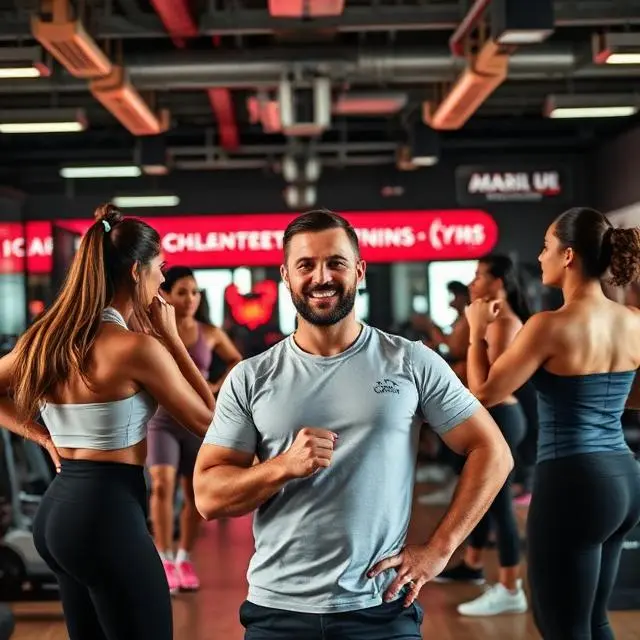
A personal trainer’s personal brand needs to be unique, know its target, constantly produce relevant fitness material, have a professional online presence, and showcase the trainer’s level of ability.
Think of your legacy. Think of how you want others to remember you. You can customize your workouts for specific demands, including active professionals, people who are always on the go, beginners, or those who wish to increase their mobility, strength, or overall health. Once you’ve found your niche, create content that speaks to your target audience’s points and concerns.
For a personal brand to be effective, it needs to be:
- “Be yourself. And let your coaching style speak to your audience through their eyes.”
- Maintain coherence. Make sure that your visual identity, content, and communication are consistent.
- Helpful—Help your readers make healthy living choices by providing them with information.
- Communicate responsibly and maintain realistic boundaries.
- Credible—be reasonable; back up your claims with evidence from your own experience.
- Gain respect. Ensure all your media is consistent in style, message, and branding.
Getting followers is crucial but not the main thing. The goal of every fitness professional is to develop a clientele that values what they have to offer, listens to their recommendations, and recognizes the value they bring to the organization.
Why Personal Branding Matters?
“Personal branding is important because fitness is a very personal service. Clients aren’t just picking a workout plan, they’re picking a professional they feel comfortable learning from and working with.
A strong brand might enable you to distinguish yourself from other trainers offering similar services.
1. Makes you stand out
A lot of fitness coaches provide services like personal training, strength training, weight training, group classes, and internet coaching. A clear personal brand is your approach to define yourself.
For example, rather than simply advertising yourself as a “personal trainer,” you may establish yourself around a particular area of expertise.
Your brand might say:
- Your coaching philosophy
- Your favorite training methods
- Your target group
- Your professional profile
- Your method of educating clients
- Your personality and the way you talk
This makes it easy for potential clients to grasp what makes your coaching unique.
2. Draws in the Right Clients
A personal brand allows you to speak directly to the type of people you want to collaborate with.
If your article is about helping novices comprehend fundamental strength training. Your content could be especially helpful to someone who feels awkward about going to the gym for the first time.
Similarly, if your topic is mobility and movement, you may find that those who want to work on their movement abilities are organically part of your audience.
That is more effective than attempting to please everyone.
3. Recognition Building
People remember you more if you’re consistent.
As people see your instructive videos, training suggestions, articles or social media postings time and time again, they’ll start to link your name with fitness knowledge.
This awareness can help convert casual viewers into followers and ultimately potential clients over time.
4. Generates Career Opportunities
A strong personal brand might open doors to jobs outside the regular gym job.
Depending on your qualifications and experience, you may eventually consider:
- Personal Trainer
- Online coaching
- Workshops on fitness education
- Wellness At Work
- Content production for fitness
- Brand partnerships
- Speaking engagements
- Blogs about Fitness
- Digital Fitness Programs
- Group Training
Your personal brand is a professional asset that can help your career as it grows.
5. Builds Trust for the Long Term
If people can get a sense of a trainer’s knowledge, communication style and approach before they commit, they’re more likely to consider working with them.
When you provide responsible and informative information often, it gives potential clients an insight into how you think and teach.
Trust is normally built over time, not from a single viral message.
Define Your Niche
Choosing your specialization is the first step in personal branding.
A niche is a certain sector or audience you want your fitness services and content to be about.
Rather than striving to be renowned for everything, find a niche where your qualifications, passions, expertise and audience demands intersect.
Fitness Niche Examples
Some areas that may be relevant are:
- Fitness for Beginners
- weight training
- Functional fitness
- Mobility training
- Sports conditioning
- Group workout
- Health in general
- Senior fitness
- Youth fitness, with the right education
- Busy professional fitness
- Workouts at home
- Physical Education
- Basics of the gym
Your niche doesn’t have to be exactly the same forever. With more experience, you can refine or build on it.
Create Valuable Content
Content is one of the most effective weapons the modern day fitness professional has at their disposal.
But content creation is not about posting random activities on a daily basis. Your content should be educational, answer queries, show your experience, or help your readers comprehend fitness concepts.
Educational Materials
Posts about education may describe the following topics:
- How To Organize A Workout
- Why warming up is a good idea
- Basic Principles of Strength Training
- Exercise technique concerns
- Basics of recovery
- Mobility concepts
- How to be consistent with exercise
- Beginner mistakes common
- How to choose the right exercises
- Progressive training is important
The goal is to make complicated information easy for your audience to understand.
Material for Demonstration
You can also display workouts while presenting crucial facts like:
- Initial position
- General movement pattern
- Common technical mistakes
- Appropriate amendments
- Safety factors
- Display your professional knowledge and skills.
Frequently Asked Question
Questions from your audience can make great content ideas .
For instance:
How often should a novice exercise? How many days a week should a beginning work out?
You might do an instructive piece about how “appropriate” varies on your fitness level, objectives, recovery, existing activity, other considerations, etc.
This kind of material is valuable as it provides a clear answer to what the audience wants to know.
What is your coaching philosophy?
People want to learn not just what you teach, but how you coach.”
You could talk about principles, for example:
- Consistency vs. extremes
- Slowly but surely
- Correct method
- Individualization Recovery
- Sustainable methods
- Training informed by evidence
- Realistic goal setting
This helps you to set your business up even more.
Use alternative content formats
You don’t have to stick to one form of material.
Depending on your skill level and selected platform, you can create:
- short video
- Long educational videos
- Infographic
- Blog Posts
- Carrousel
- Q&A submissions
- Podcasts
- Real-time sessions
- Email newsletters
You can use numerous formats to reach different sections of your audience.
Turn Your Passion for Fitness into a Profession
Learn practical skills, get certified, and step into the growing fitness industry with confidence.
Join the CourseGrow Your Online Presence
Once you have decided on your specialization and content approach, focus on building your internet presence.
Pick the Right Platforms
You don’t have to be active on all the social media platforms.
Choose platforms that your target audience frequents and where you can regularly produce content.
For instance, you could use:
Instagram for short-form education and visuals
YouTube for thorough exercise and instructive videos
Corporate Wellness & Professional Fitness Content for LinkedIn
Personal website for services, articles, qualifications and contact information
It’s not just about how many platforms you’re on – quality and consistency are most essential.
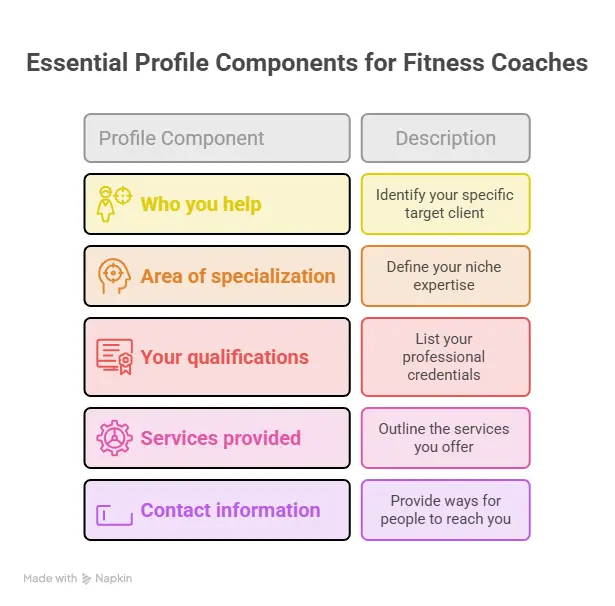
Enhance your profile
Your profile must instantly tell people who you are and what you do.
Add:
- First Name
- Job title
- Fitness specialization
- Related qualifications
- Location (if applicable) Services provided
- Website or contact details
- A crisp-looking pro photo
Fill your profile with specific information about what you actually do. Not abstract motivating remarks that say nothing about what you do for your clients.
Build a Professional Website
Your personal brand can be centered around a website.
A professional fitness website may feature:
- Page about
- Qualifications Services
- Training Philosophy
- Common questions
- Client feedback as appropriate
- Contact Us Page
- Reservation Information
Your website also gives you a platform of your own, rather than being solely reliant on social media.
Keep Branding Consistent
Consistency might help make your material more recognizable.
Consistency is obtained by:
- Similar profile pics
- Standard professional language
- Logo if you have one recognizable
- Same visual display
- Recurring themes
- Unified messaging
But don’t let visual branding take precedence over the integrity of your fitness information.
Develop a Content Calendar:
It is easier to be consistent when you have a plan.
For example, you might focus your material on a few repeated themes:
- Monday: Conceptualizing fitness education
- Tuesday: Workout Technique
- Wednesday: FAQ (frequently asked question)
- Thursday: Lifestyle or recovery education
- Friday: Principles of training
- Weekend: Personal/professional content
“Whatever the exact schedule is, it is not as important as creating a sustainable routine.
Build Trust and Credibility
Trust is crucial when creating a personal brand in the fitness industry. Clients expect trainers to be competent, professional, trustworthy and they truly care about helping them.
You may establish your trustworthiness by:
- Maintaining existing fitness certifications
- Supplying evidence-based information
- Being honest about your abilities
- Avoiding unrealistic fitness claims
- Business Communication
- Real client testimonials, used with permission
- Continuing your vocational education
- Follow all safety guidelines
Your personal brand should be a representation of your genuine skills and credentials. Be real, not perfect, online.
Become a General Fitness Trainer and turn your passion into a Profession!
Conclusion
As a fitness teacher, building your own brand is a slow process. Find your expertise . Write something valuable . Build your web presence . Establish reputation . These are the things that make you into a professional identifiable entity . Consistent and authentic involvement can help you get clients and build long-term professional progress.
Turn Your Passion for Fitness into a Profession
Learn practical skills, get certified, and step into the growing fitness industry with confidence.
Join the CourseFrequently Asked Questions
Why is personal branding important for fitness trainers?
Personal branding helps trainers stand out, build credibility, attract suitable clients, and create new career opportunities.
How can fitness trainers build trust online?
Trainers can build trust by sharing accurate information, being transparent about their qualifications, communicating professionally, and avoiding unrealistic fitness promises.
Does choosing a fitness niche help with personal branding?
Yes. A clear niche helps trainers target a specific audience and become more recognizable for their particular area of expertise.
Can personal branding help fitness trainers get more clients?
Yes. A consistent and credible personal brand can increase visibility and help potential clients understand a trainer’s expertise and services.
How long does it take to build a fitness personal brand?
How can a fitness trainer make their brand unique?
Trainers can differentiate themselves through their coaching approach, niche, communication style, content themes, and the specific audience they serve.
What mistakes should fitness trainers avoid when building a personal brand?
Trainers should avoid inconsistent content, misleading claims, copying other professionals, exaggerating qualifications, and making unrealistic fitness promises.