Table of Contents
React can be learned with a clear plan and effort. Basics can be understood in two to four weeks. Intermediate skills develop within one to three months. Job-ready skills take around three to six months. Learning speed depends on JavaScript knowledge and practice. Consistency plays a very important role in progress. A structured roadmap makes learning easier and faster. This blog explains a complete React learning timeline. It covers beginner to advanced learning stages clearly. It also includes factors that affect learning speed. You will find a step-by-step roadmap to follow. Tips and common mistakes are also included.
Learn Full Stack Development with expert mentors! Get Free Demo Here!
Key Takeaways:
- React basics can be learned in a few weeks.
- Strong skills develop within one to three months.
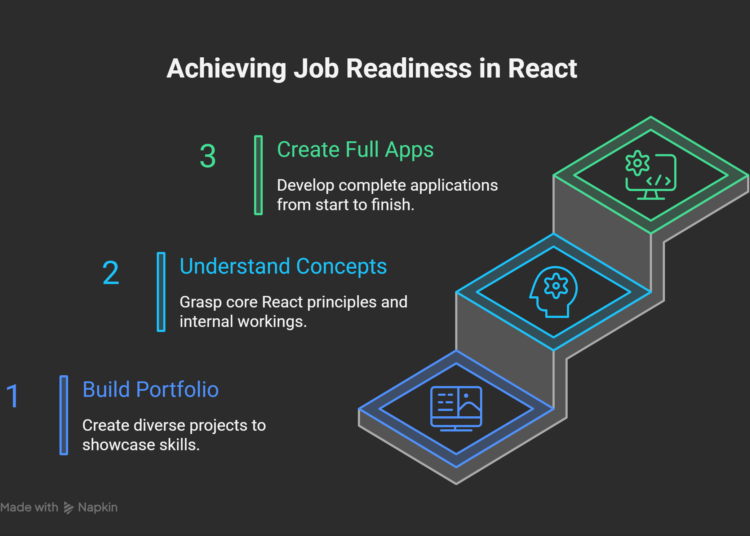
- Job readiness takes three to six months.
- Projects improve learning speed significantly.
- Consistency matters more than long study hours.
Introduction
Can you learn React in one month? Many beginners ask this often. The answer depends on effort and learning method. React is widely used in modern web development today. It helps build fast and interactive user interfaces. Many companies prefer React for scalable applications.
Learning React takes time and regular practice. Some learners progress faster than others. A clear plan improves learning speed. Consistent effort builds better understanding daily. Small steps help achieve steady progress over time.
🎯 Why Learning Time Varies
- Learning depends on multiple factors.
- Prior knowledge affects understanding speed.
- Beginners may take more time initially.
- Practice plays an important role.
- Daily coding improves memory.
- Irregular learning slows progress.
- Learning approach matters.
- Structured plans give better direction.
- Random learning creates confusion.
What is React and Why Learn It?
1: Which of the following is a JavaScript framework/library?
React is a popular JavaScript library today. It is used to build user interfaces. It helps create fast and interactive web applications. Developers use it for modern and dynamic websites. It works using reusable components. This makes development faster and more organized.
React is widely used in many applications. It supports building scalable and flexible projects. Many companies prefer it for frontend development.
🌐 Where is React Used?
- Web applications.
- Build modern user interfaces.
- Create responsive designs.
- Single-page applications.
- Load content without refreshing pages.
- Improve user experience.
- Large-scale projects.
- Manage complex applications easily.
- Use reusable components for structure.
📈 Why is React Popular?
- High industry demand.
- Many companies use React today.
- Job opportunities are increasing.
- Efficient development.
- Reusable components save time.
- Code becomes easier to manage.
- Strong community support.
- Many resources are available online.
- Developers get quick help and updates.


🚀 Start Coding Today! Enroll Now with Easy EMI Options. 💳✨
Get Hired as a Full-Stack Developer: Master the Skills Employers Are Looking For!
Start Learning With EMI Payment OptionsFrequently Asked Questions
How long does it take to learn React basics?
React basics can be learned in two to four weeks. Regular practice helps understand concepts clearly.
Can beginners learn React without JavaScript knowledge?
Basic JavaScript knowledge is required before React. Without it, learning React becomes difficult.
Is React difficult to learn?
React may feel confusing at the beginning. It becomes easier with practice and projects.
How many hours should be studied daily?
One to four hours daily is enough for learning. Consistency matters more than long study hours.
What is the best way to learn React quickly?
Building projects is the fastest way to learn. It helps apply concepts in real situations.
Can React be learned in one month?
Basic concepts can be learned in one month. Advanced skills require more time and practice.
Do I need to learn frameworks before React?
No other frameworks are needed before React. Only strong JavaScript basics are important.
Can I get a job after learning React?
Yes, with strong skills and projects, jobs are possible. A good portfolio increases opportunities.
What should I learn after React?
You can learn backend technologies next. This helps build full-stack applications.
Is React still in demand in 2026?
Yes, React remains highly popular in the industry. Many companies continue to use it widely.