Table of Contents
Getting a shock when your KSEB bill arrives is common in Kerala? Many people don’t understand why. One big reason is the KSEB 250 unit rule. This rule changes the way you get charged once your monthly usage crosses 250 units.
It also brings in peak-hour pricing between 6 PM and 10 PM. If you run your AC, washing machine, or iron during this window, you could be paying a lot more than you think.
Ace your personal finance journey with Entri’s Personal Finance Online Course. Join Now!
Key Takeaways
- The rule – The KSEB 250 unit rule applies to domestic consumers who use more than 250 units of electricity in a month.
- Under 250 units – Below 250 units, KSEB uses a slab-wise (telescopic) billing system with lower rates.
- Exceeding 250 units – Above 250 units, Time-of-Day (ToD) billing kicks in for many consumers.
- Peak hour rates – Under ToD, electricity used between 6 PM and 10 PM (peak hours) costs about 25% more.
- Rebate during normal hours – Electricity used between 6 AM and 6 PM (normal hours) gets a 10% rebate.
- Late-night rates – Late-night usage, from 10 PM to 6 AM, is billed at off-peak rates, which are cheaper.
- Tip for reduced bill – Shifting heavy appliance use away from the 6 PM–10 PM window can meaningfully lower your bill.
More about the 250-Unit Billing Rule
1: What is a stock?

KSEB, or the Kerala State Electricity Board, bills domestic customers in two different ways. It depends on how much power you use in a month.
If your usage stays under 250 units, you are billed using a telescopic slab system. This means different portions of your consumption are charged at different rates. Lower slabs cost less. Higher slabs cost more. But it is all a fixed, predictable rate based on total units.
Once you cross 250 units in a month, things change. Many such consumers move into a Time-of-Day (ToD) billing system. Under ToD, it does not just matter how much power you use. It also matters when you use it.
This shift was introduced to manage the load on Kerala’s power grid better. Evening hours see the highest demand across the state. So KSEB uses pricing to nudge high-consumption households away from those hours.
Why Time-of-Day Billing Exists
Kerala’s power grid goes through one of the biggest challenges every evening. With the sun set comes a sharp drop in solar power generation. At the same time, households switch on lights, fans, ACs, TVs, and kitchen appliances all together. This creates a sudden spike in demand.
To meet this spike, KSEB often has to buy expensive power from outside the state. This pushes up costs for the entire system. This peak-hour pricing and its ToD structure are designed to spread out demand more evenly across the day.
By charging more during the evening peak, KSEB hopes people will shift some of their usage to daytime or late night instead.
This is not unique to Kerala. Many states in India use similar peak and off-peak pricing for high-consumption users. The idea is simple: reward off-peak usage, and charge more for peak-hour strain on the grid.
Under this ToD system, the day is divided into three time bands. This is daytime, when solar power is available in large quantities. Consumers get a rebate of around 10% on units used during this window. This is the most expensive slot. Demand is highest, and solar supply has dropped off. Consumers pay a surcharge of around 25% extra on units used in these four hours. Late night and early morning usage is billed at the normal rate, without the peak surcharge. This encourages people to run heavy appliances, like washing machines or water heaters, at night if possible. So if you are a high-usage household and cross the 250-unit mark, running your appliances between 6 PM and 10 PM is the costliest choice you can make. Imagine that there are two households. Both of them use 300 units in a month. The first household runs most heavy appliances, like the AC and washing machine, during the evening. The second one shifts the same usage to daytime or late night. The household using power mostly during 6 PM to 10 PM will pay a noticeably higher bill. This is purely because of the peak-hour surcharge. The daytime and night-time user, on the other hand, benefits from the 10% rebate and the normal off-peak rate. This difference becomes more visible as monthly consumption grows. A household using 350 to 500 units, largely during peak hours, could see a rise of 10% to 20% compared to someone with the same total usage but better-timed habits. It’s also worth noting that the flat rate structure above 250 units differs from the telescopic slabs used below it. So crossing the 250-unit mark changes both your rate structure and your exposure to time-based charges. Trusted, concepts to help you grow with confidence. Enroll now and learn to start investing the right way.
Not every household falls under ToD billing right away. KSEB has been rolling this out in phases, based on meter type and consumption history. Consumers who use more than 500 units a month have generally already been under ToD billing for some time. A newer phase now extends this system to a much larger group. This includes domestic consumers using more than 250 units a month. For this rollout to work, KSEB needs to install or reprogram meters so they can record consumption by time slot, not just total units. Until a household’s meter is updated, it may still receive a regular telescopic bill even if usage crosses 250 units. Over time, though, more and more consumers in this bracket are expected to shift fully into ToD billing. There is absolutely no need to change your lifestyle completely to save money. Just by making a few small changes, it is very much possible to make a real difference. If you use your washing machine, iron, or water heater between 6 AM and 6 PM, you can enjoy the benefit from the daytime rebate. These appliances consume a lot of power. Using them during this time slot adds up quickly under peak rates. KSEB has specifically asked consumers to stay away from charging electric vehicles during the evening peak. Charging after 10 PM or before 6 AM is not only cheaper, but also better for the grid. If you’re somewhere near the 250-unit mark, small changes in habits can make a lot of difference. It will help you either stay under it or reduce how much of your usage falls in peak hours. Many washing machines and water heaters allow scheduled start times. Setting these for late night can automate your savings. Even shifting a portion of your usage away from the evening window can lead to a noticeable difference. Within a few months, you will be able to view a noticeable drop in your electricity bill. Ace your personal finance journey with Entri’s Personal Finance Online Course. Join Now! The KSEB 250 unit rule is reshaping how many Kerala households pay for electricity. It’s no longer just about how much power you use. It’s also about when you use it. Crossing 250 units a month brings you into a system where evening usage, from 6 PM to 10 PM, costs significantly more. Daytime and night-time usage, on the other hand, comes with real savings. A thorough understanding of this puts you in control. All you have to do is to make a few small changes to your daily routine. Even if your household’s power needs grow, this helps keep your electricity bill in check. Trusted, concepts to help you grow with confidence. Enroll now and learn to start investing the right way.
It’s a billing shift where domestic consumers using more than 250 units a month move to Time-of-Day pricing, with different rates for different hours. Peak hours are from 6 PM to 10 PM, when electricity costs about 25% more. Yes. From 10 PM to 6 AM, you pay the normal rate, with zero peak surcharge. Yes. Using power between 6 AM and 6 PM gives you about a 10% rebate. Not always. It depends on whether your meter has been updated to record time-based usage. You can cut down the peak surcharge by shifting heavy appliance use away from 6 PM to 10 PM. To manage evening demand better and reduce strain on the power grid during peak hours.Breaking Down the Time Slots
Normal Hours: 6 AM to 6 PM
Peak Hours: 6 PM to 10 PM
Off-peak Hours: 10 PM to 6 AM
How this Affects Your Monthly Bill
Stock Market Training Reviewed & Monitored by SEBI Registered Investment Advisor
Who are the Consumers Affected by this Change?
Simple Ways to Reduce Your Bill Under this Rule
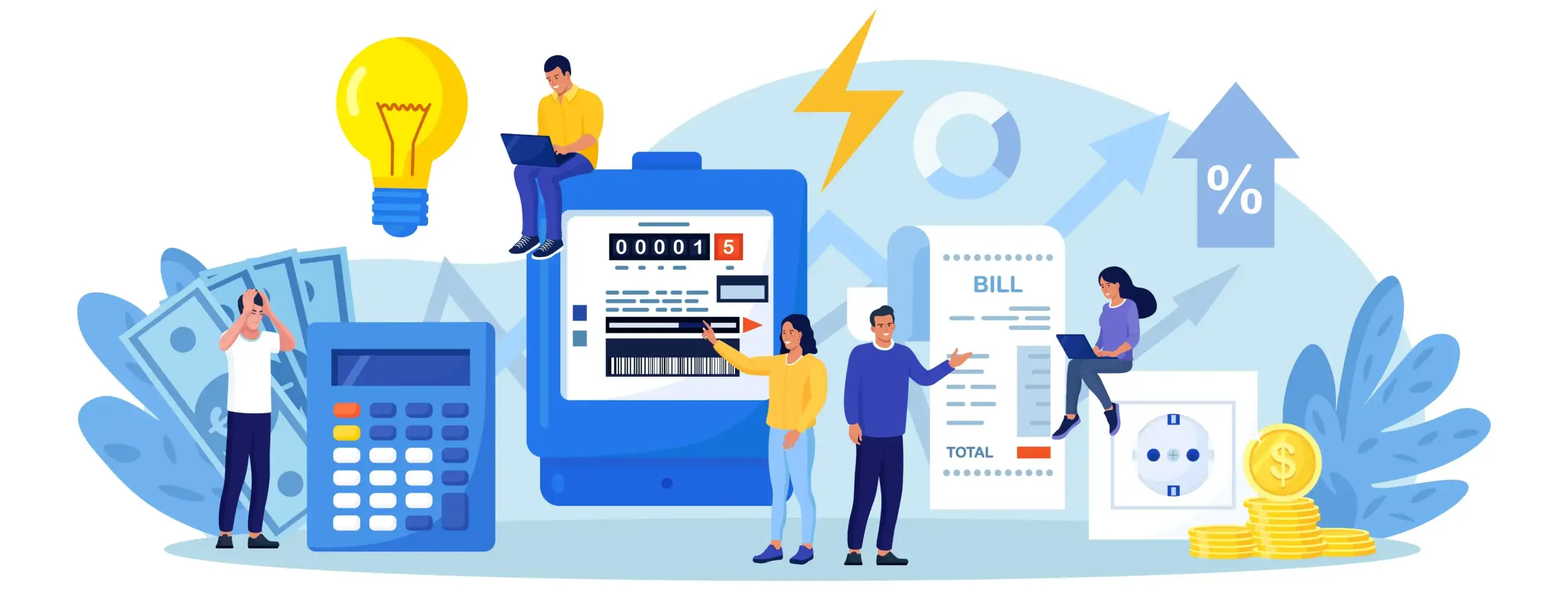
Shift heavy appliances to daytime
Don’t use AC and geyser during 6 PM to 10 PM if possible
Charge Electric Vehicles at night
Track your monthly usage
Use timers where possible
Conclusion
Stock Market Training Reviewed & Monitored by SEBI Registered Investment Advisor
Frequently Asked Questions
What is the KSEB 250 unit rule?
What are peak hours under KSEB billing?
Are off-peak hours cheaper?
Is there a rebate for daytime usage?
Does everyone above 250 units get ToD billing immediately?
Can I avoid the peak surcharge completely?
Why did KSEB introduce this rule?