Table of Contents
The job of plumbing engineers primarily involves designing and managing water supply, drainage and fire protection systems. These works keep the modern buildings functional and safe.
The role includes sustainability, civil engineering and smart technology. This is growing faster than most people don’t realize.
In India, the MEP engineering sector is expected to grow at about 4% to 6% annually. This is driven mainly by infrastructure expansion as demanded by rapid urbanization.
Join our MEP Course Online and Build a Successful Career!
Key Takeaways
- Plumbing engineers typically earn between ₹3lakhs and ₹25+ lakhs per year in India. This depends on experience, specialization and location.
- A B.Tech in Mechanical or Civil Engineering is the standard entry point. MEP specialization adds significant career value.
- BIM (Building Information Modelling) proficiency as well as green plumbing expertise can command 15% to 20% salary premiums.
- With real estate growth Kerala and South India as a whole are high-demand zones for plumbing engineers.
- The role is physically demanding but offers strong job security, overseas opportunities and project variety.
What is a Plumbing Engineer?
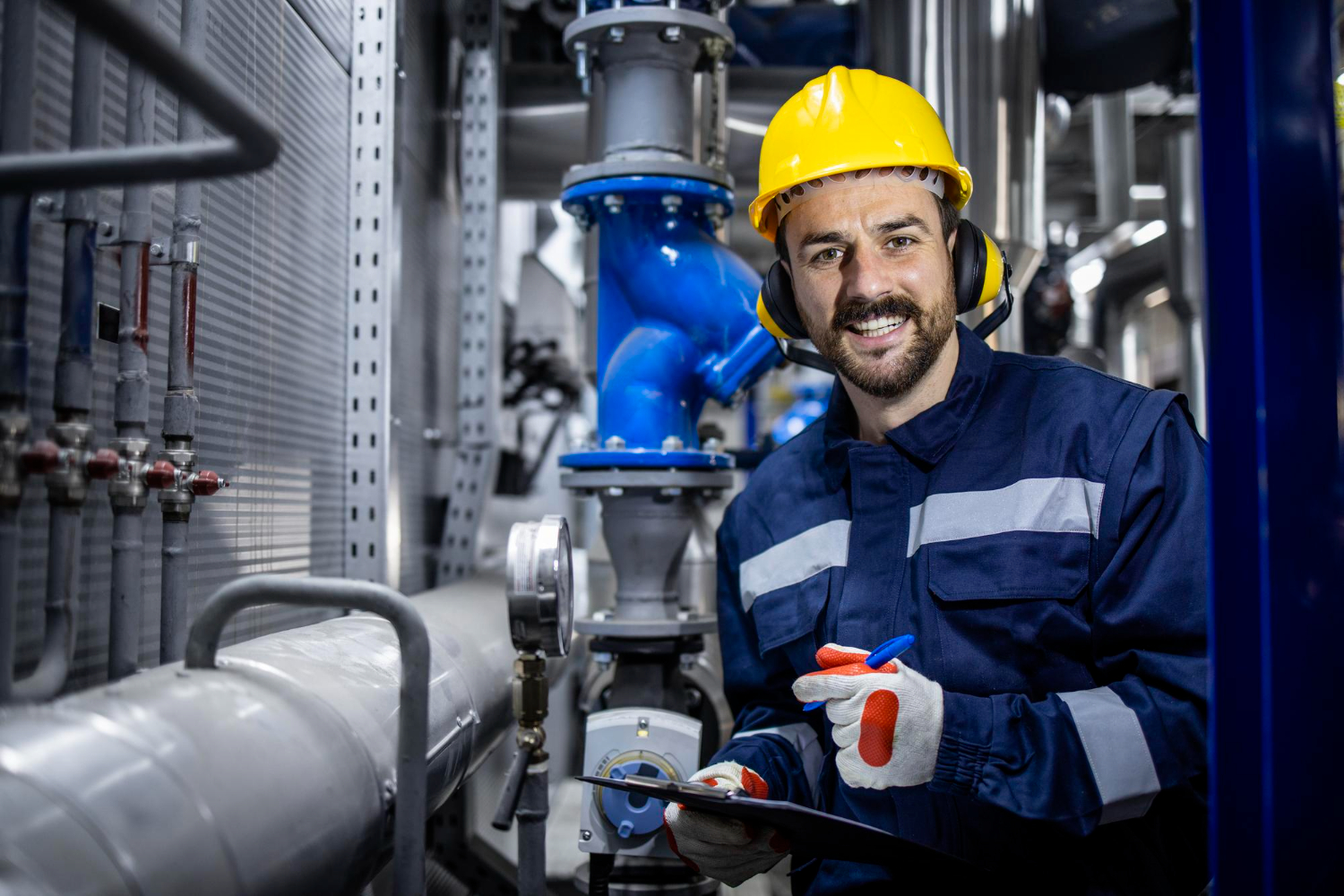
A plumbing engineer is primarily a licensed technical professional who is responsible for planning, designing, and overseeing all fluid-based systems in a building. This ranges from drinking water and drainage to gas lines and fire suppression.
While a plumber installs and repairs, a plumbing engineer works at the systems and design level. As a plumbing engineer, you will be determining how infrastructure should be built before a single pipe is laid. This role brings together engineering theory with real-world problem-solving daily.
In India, plumbing engineers typically work within the MEP framework. This involves handling Mechanical, Electrical and Plumbing requirements. Tools handled include AutoCAD MEP, Revit and BIM platforms and have transformed how these professionals work. This makes digital modelling skills just as important as hydraulic knowledge.
Cities like Chennai and Bengaluru are facing cases of water scarcity. This is where the demand for engineers who can design efficient low-waste water systems rises.
Master MEP Design with Industry-Leading Training!
Gain in-depth knowledge of Mechanical, Electrical, and Plumbing (MEP) Design with expert-led courses. Learn HVAC, fire safety, sustainable building strategies, and BIM applications to excel in the construction industry.
Know MoreWhat does a Plumbing Engineer Do Day-to-Day?
A plumbing engineer is not someone who is buried in blueprints all day. A typical day for a plumbing engineer spans across site visits, contractor coordination, design sessions, and compliance checks. All this probably happens in the first half of the day.
Core responsibilities include:
System Design and Planning
Creating detailed layouts for gas lines, water supply, drainage, stormwater, and medical gas systems in commercial, residential, and industrial projects.
This involves pipe sizing, hydraulic calculations, and fixture selection in compliance with the Bureau of Indian Standards (BIS) and the National Building Code (NBC).
Site Supervision and Quality Checks
- Conducting on-site inspections
- Testing installed systems for leaks and pressure standards
- Certifying contractor work
Plumbing engineers are accountable for what gets built in accordance with what was designed.
Sustainability Integration
- Incorporating water-efficient technologies such as
- low-flow fixtures
- rainwater harvesting systems
- greywater recycling
- IoT-based leak detection sensors
This green engineering focus is increasingly a requirement that is crucial especially in LEED-certified projects.
Coordination and Documentation
Working with architects, structural engineers, MEP consultants, and contractors to align designs.
Preparing technical documents, reviewing drawings, responding to RFIs (Requests for Information), and managing project budgets are all part of the job.
Compliance and Reporting
Ensuring every aspect of the installation meets local regulatory standards, filing inspection reports, and maintaining project records for certification.
Skills and Qualifications You Need
Success in plumbing engineering demands a well-rounded profile with
- technical depth
- physical readiness
- strong communication
Educational Background
The standard entry requirement is a B.Tech in Mechanical Engineering or Civil Engineering. Some universities offer MEP specialization at the postgraduate level, which is increasingly preferred by top firms.
Internships during your degree are critical as they bridge the gap between textbook hydraulics and real site conditions.
Professional certifications such as those offered by the Indian Plumbing Association (IPA) or the Professional Engineer (PE) licensure add significant credibility. For international projects, familiarity with ASHRAE standards and LEED green building certification is a major advantage.
Technical Skills
| Skill Area | What You Need |
| Software | AutoCAD, Revit MEP, BIM platforms |
| Engineering Knowledge | Hydraulics, fluid mechanics, pipe sizing calculations |
| Codes & Standards | NBC India, IS standards, local municipal bylaws |
| Sustainability | Rainwater harvesting, greywater systems, IoT leak detection |
Soft Skills
Non-negotiable skills are:
- Problem-solving under pressure
- Clear written and verbal communication
- Project management
Plumbing engineers regularly navigate conflicts between design intent and on-site realities. The ability to adapt while maintaining quality standards is what separates good engineers from great ones.
Plumbing Engineer Salary in India (2026)
Plumbing engineers in India earn an average of ₹7.5 lakhs to ₹18 lakhs per year. This can have significant variation based on experience level, specialization and location. Entry-level roles start modestly but escalate quickly with the right skills song with project exposure.
| Experience Level | Average Salary (₹ Lakhs/Year) | Metro Premium (e.g., Bengaluru, Mumbai) |
| Entry Level (0–4 years) | ₹3 LPA to ₹5 LPA | +20% to 30% |
| Mid Level (5–9 years) | ₹6.5 LPA to ₹10 LPA | Up to ₹12 LPA |
| Senior Level (10+ years) | ₹12 LPA to ₹25+ LPA | ₹18–30 LPA |
What can push your salary higher?
- BIM expertise:
You can expect about 15% to 20% to your base package with proficiency in Navisworks or Revit MEP.
- Green building projects:
Premium developers are increasingly seeking those with involvement in LEEP or Griha-rated buildings.
- International exposure:
Gulf, Singapore, and UK markets offer pay scales that are significantly more. Experienced MEP professionals command about ₹ 40 lakhs to ₹65 lakhs equivalent overseas.
In Kerala, a plumbing engineer with 3 to 5 years of experience can expect something between ₹6 lakhs and ₹12 lakhs annually. High demand is driven by ongoing infrastructure and real estate projects.
|
Engineering Upskilling Courses
|
| MEP Course |
| BIM Course |
| Quantity Surveyor Course |
| Structural Design Course |
| MEP QS Course |
Master MEP Design with Industry-Leading Training!
Gain in-depth knowledge of Mechanical, Electrical, and Plumbing (MEP) Design with expert-led courses. Learn HVAC, fire safety, sustainable building strategies, and BIM applications to excel in the construction industry.
Know MoreCareer Outlook and 2026 Industry Trends
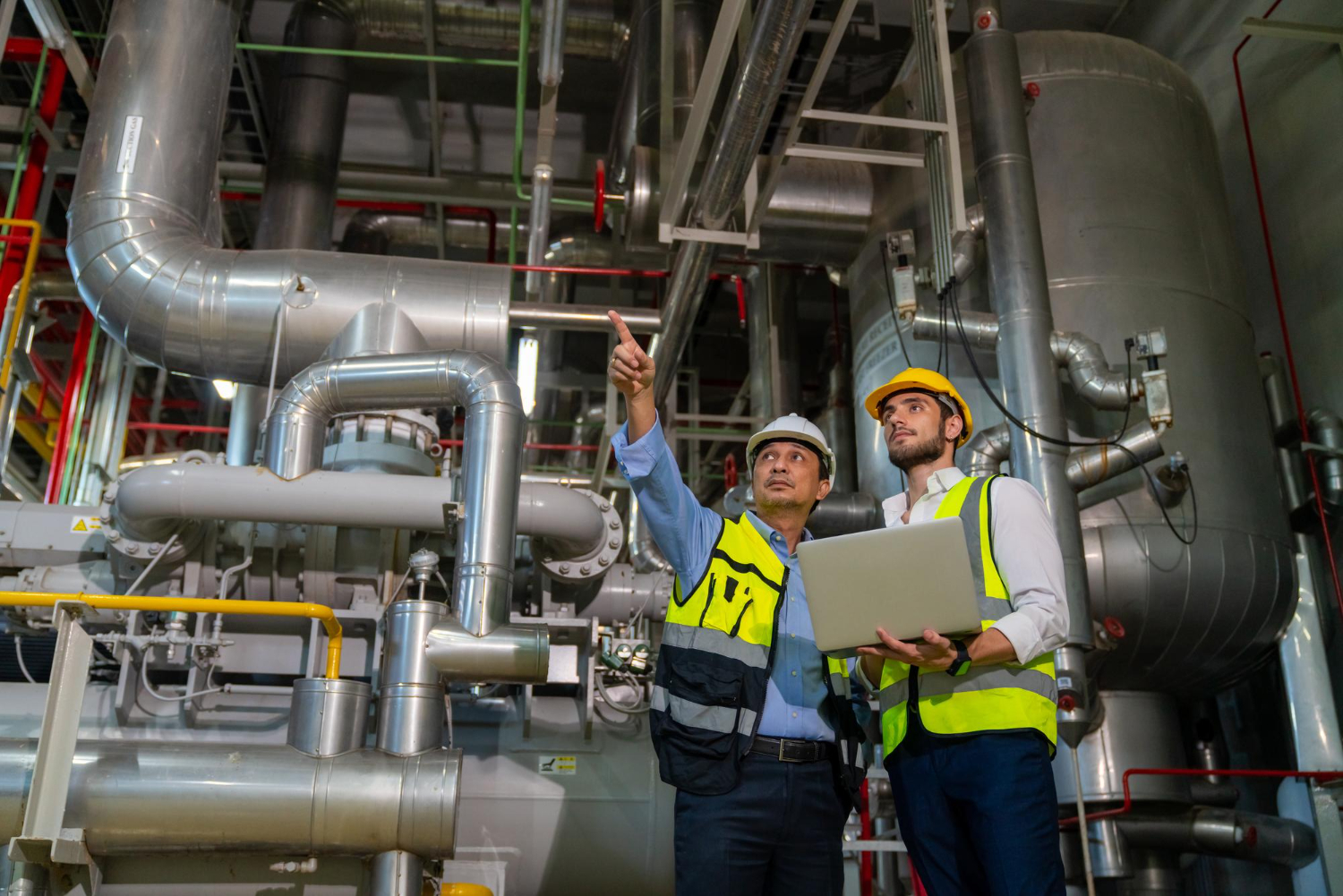
India’s plumbing engineering sector is in the middle of a tech-driven transformation
This moves from manual pipe-and-paper workflows to smart, data-connected building systems. The shift is creating new opportunities for engineers who are willing to upskill.
Smart Plumbing is Going Mainstream
Automated pressure monitoring, IoT-enabled leak detection, and AI-driven predictive maintenance are no longer limited to premium commercial buildings.
Over the past two years, demand for engineers who understand smart plumbing integration has grown 25% in urban projects.
Sustainability is now a Baseline Requirement
With environmental regulations and client expectations around water conservation, rainwater harvesting and greywater recycling standards have been featured in new developments. Engineers with hands-on experience in water-efficient design are commanding premium rates.
BIM is no Longer Optional
Building Information Modelling has become the default workflow for large MEP projects. Engineers who can model complex plumbing systems in BIM software are significantly more employable. This is especially the case in international firms and EPC contractors.
South India and Kerala are Hot Markets
Sustained investment in commercial real estate, hospitality infrastructure, and government smart city projects has come to the advantage. With them, plumbing engineering jobs in Kerala, Tamil Nadu, and Karnataka continue to grow at a strong pace.
Pros and Cons of Being a Plumbing Engineer
Pros:
- Strong job security aligning with ongoing urbanization and infrastructure investment.
- Competitive salaries with a clear career progression path ensuring skill development.
- Work variety. No two projects will be the same. The blend of design and field work keeps things engaging.
- International career pathways, especially in Gulf countries and Southeast Asia.
- Growing importance across sustainability and smart building ecosystems.
Cons:
- Physically demanding. Site work involves exposure to many challenging conditions.
- High-pressure deadlines, especially in large commercial projects.
- Initial investment in tools, software licenses, and certifications.
- Keeping up with rapid changes in BIM tools and green building standards requires continuous learning.
How to Start Your Plumbing Engineering Career
Starting out in plumbing engineering is not just about picking the perfect degree. It is more about building a combination of technical fundamentals as well as practical exposure from the early stage itself.
Step 1 – Get the Right Foundation:
A B.Tech in Mechanical or Civil Engineering gives you the core principles. So, look for programmes with MEP coursework or electives in fluid systems.
Step 2 – Gain Site Exposure Early:
Internships at MEP consultancies or construction firms are invaluable.
The gap between theory and site reality is wide. So, the earlier you bridge it, the faster you’ll grow.
Step 3 – Build Your Digital Toolkit:
Invest time in AutoCAD and Revit MEP even before you get into your first job.
Most firms now expect basic BIM familiarity at entry level.
Step 4 – Get Certified:
The Indian Plumbing Association offers recognized certification programmes.
Industry events like PlumbexIndia are also a right option for networking and staying current with the trends.
Step 5 – Stay Ahead of Trends:
Smart sensors, sustainability, and integrated MEP design are not skills that you need in the future any more. They’re the current expectations. Engineers who keep learning stay updated and relevant.
Get Career oriented MEP training with Expert Mentors! Get Free Demo Here!
Conclusion
Plumbing engineering is a job that’s not always in the spotlight, but is quietly essential for just about every building that functions as it should. As green building codes, smart systems and BIM (Building Information Modelling) driven workflows all start to come together, the profession is undergoing a pretty rapid transformation.
This means that for people who can merge sound engineering knowledge with a forward-thinking approach, it’s a pretty rewarding career to be in.
If you’re a recent graduate trying to decide on your future career path or an experienced engineer looking to specialise further, plumbing engineering is a stable option that also comes with decent pay and growing global importance.
If you’re thinking of taking the plunge, then focus on getting your BIM skills up to scratch, getting certified by the International Plumbing Association (IPA) and getting as much hands-on experience on site as you can as soon as possible. Given the amount of infrastructure that India still needs, the demand for plumbing engineers is likely to be around for a good while yet.
Master MEP Design with Industry-Leading Training!
Gain in-depth knowledge of Mechanical, Electrical, and Plumbing (MEP) Design with expert-led courses. Learn HVAC, fire safety, sustainable building strategies, and BIM applications to excel in the construction industry.
Know MoreFrequently Asked Questions
What is the difference between plumbing engineering and plumbing?
Plumbing engineering focuses on designing and installing plumbing systems, typically for new buildings. Plumbers maintain these systems. They may unclog drains, repair leaky pipes, or install a new toilet. Plumbers receive specialized training and certification to work with plumbing systems and equipment effectively.
How to become a Plumbing Engineer?
If you are interested in becoming a plumbing engineer, there are a few steps you can take to get started. First, it is important to obtain a degree in engineering from an accredited university. Many employers prefer candidates with a master’s degree or higher, so pursuing additional education can make you more competitive in the job market. Second, gaining experience through internships or entry-level jobs is essential.
What is the plumbing engineer salary in Kerala in 2026?
Experienced plumbing engineers in Kerala, particularly those working on Kochi’s commercial and residential projects, can expect ₹6–12 lakhs per year. Senior professionals with BIM expertise or international project experience can earn significantly more.
What degree do I need to become a plumbing engineer in India?
A B.Tech in Mechanical Engineering or Civil Engineering is the standard route. MEP specialization through a postgraduate program or professional certification from the Indian Plumbing Association strengthens your profile considerably.
Is plumbing engineering a good career in India?
Yes. India’s infrastructure boom, smart city initiatives, and water sustainability requirements are creating sustained demand for skilled plumbing engineers, particularly those who combine traditional engineering knowledge with modern BIM and IoT skills.
Can a plumbing engineer work abroad?
Absolutely. Gulf countries, Singapore, the UK, and Australia all have strong demand for MEP and plumbing engineers. Relevant international certifications and BIM proficiency are the primary requirements for most overseas positions.