Table of Contents
Teaching yoga is primarily about blending classical foundations such as asana, pranayama, philosophy, and ethics with modern skills like trauma-informed cueing, nervous-system-aware sequencing, and hybrid digital delivery.
The role has expanded because yoga is no longer viewed as just a physical practice. Many wellness researchers now treat movement, breathwork, and touch as legitimate tools for regulating the nervous system. This is not just a spiritual or fitness routine.
Key Takeaways
- Yoga 2026 is about nervous-system training and not just exercise.
- The Indian yoga market gives way to more certified teachers.
- RYT 200 requires hours across teaching, technique, philosophy, anatomy and supervised practice.
- Consent, trauma-informed language, inclusive modifications form the standard.
- AI/wearables can be personalized as human safety and presence are essential.
- Hybrid (in-person + online) fastest-growing format in India.
Want to step up? Join our Yoga Instructor Course Online!
Why Teaching Yoga Matters in 2026
1: Which of these is the primary goal of yoga practice?
Yoga is increasingly recognised as a measurable tool for regulating the nervous system rather than simply a form of stretching or exercise.
Recent research also links structured yoga practice to
- improved mood regulation
- better stress recovery
- even gut-brain health
They give teachers a stronger evidence base to draw on when explaining the practice’s benefits to students.
For teachers, this means the role has really broadened. You’re not only demonstrating postures but facilitating a student’s physical and emotional regulation. This is done by using both traditional wisdom and current research to guide your teaching decisions.
Become a Certified Yoga Instructor
Yoga Teacher Training Course by Entri App: Master authentic yoga techniques, earn certification, and build a successful career as a professional yoga instructor.
Join Now!Essential Foundations for Teaching Yoga

Strong yoga teaching rests on four pillars: philosophy, anatomy, pedagogy, and ethics. These fundamentals haven’t changed even as technology reshapes how classes are delivered.
1. Deep Knowledge of Yoga Traditions
A well-prepared teacher understands
- asanas and their proper alignment
- pranayama techniques
- foundational texts such as the Yoga Sutras of Patanjali, the Hatha Yoga Pradipika, and the Bhagavad Gita.
A working knowledge of subtle anatomy adds depth to how you explain the practice to students. This includes prana, nadis, chakras, bandhas, and mudras.
Many teachers in Kerala also weave Ayurvedic principles into their classes. This strengthens both credibility and cultural authenticity.
2. Authenticity and Personal Practice
Students respond to teachers who share genuine experience. You should share your thoughts on whether yoga helped you manage a stressful career transition or supported your recovery from anxiety. Your own story becomes a teaching tool that builds trust.
A consistent personal practice also keeps your instruction fresh and your energy authentic. This is something no amount of theoretical study can replace.
3. Cultural Roots and Ethical Responsibility
As yoga is deeply rooted in Indian heritage, teaching it responsibly means respecting that lineage. This should be done while adapting to global audiences and technology.
This includes
- honouring traditional practices where relevant.
- following ethical principles like ahimsa (non-violence) and satya (truthfulness).
- building classroom spaces that feel safe and non-judgmental for students of any age, gender, or physical ability.
4. Certification and Professional Legitimacy
Most serious studios, gyms, and online platforms in 2026 expect instructors to hold a recognised Yoga Teacher Training (YTT) certificate. Yoga Alliance’s RYT 200 remains the internationally recognised baseline, and its hour distribution is clearly defined.
Once certified, maintaining active RYT status requires 30 hours of continuing education every three years. For teachers who want to build deeper specialisation, Yoga Alliance also offers advanced tracks.
8 Techniques for Teaching Yoga
Foundations build your competence. Technique is what makes your classes safe and engaging, and thereby and effective. Here are 8 core skills every modern yoga teacher should refine.
1. Clear Verbal Cues and Language
Effective instruction uses simple and precise language, giving directional cues (“lengthen your spine,” “soften your shoulders”), and connect posture to sensation rather than just anatomy.
One of the fastest ways to sharpen your way of giving cues is to record your own classes and ask students for direct feedback (“Was that clear? What would help?”).
2. Hands-On Adjustments with Consent
Gentle as well as consent-based adjustments can improve alignment and build trust. But they must always be requested first (“Would you like a hands-on adjustment here?”).
Trauma-informed training has become increasingly important for teachers who are working with students recovering from anxiety, stress, or past trauma.
3. Intelligent Sequence Building
Sequencing is the craft of designing a class flow that warms the body gradually. This in turn builds strength and flexibility, and balances effort with rest.
Sequencing software and AI-assisted planning tools now help teachers tailor flows for specific groups. This can be corporate employees, seniors, beginners, or advanced practitioners.
4. Breathwork (Pranayama) Integration
Pranayama remains one of the most powerful and underused tools in modern classes. Techniques like Nadi Shodhana (alternate nostril breathing) for calming and Ujjayi for focus are increasingly backed by physiological research.
They are reported to show measurable improvements in heart-rate variability and stress markers. Even a five-minute breathwork segment can meaningfully shift a class’s energy.
5. Inclusivity and Posture Modifications
Inclusivity is non-negotiable in 2026. This basically means
offering chair yoga for seniors
wall-supported variations of inversions
modified arm balances for beginners
safe options for pregnant students or those recovering from injury
Digital platforms also let teachers reach students in rural areas where certified instructors are scarce.
6. Mindfulness, Meditation, and Emotional Regulation
Guided meditation deepens presence, supports emotional regulation, and improves class retention when practiced consistently. Even 1-minutes of simple breath-focused meditation can transform how students experience the rest of the session.
7. Digital Teaching Skills
Online and hybrid yoga are now mainstream rather than a pandemic-era workaround. Effective digital teaching means using stable platforms, investing in decent lighting and audio, and adapting verbal cues for a camera-based setting.
Many studios across Kerala, Rishikesh, and Goa now run hybrid in-person-plus-online models as standard practice.
8. Working alongside AI and Neurowellness Tools
Some platforms now use wearable data such as heart-rate variability, sleep and recovery markers to suggest personalized sequences or flags when a student needs a gentler practice.
These tools can extend your reach and personalise homework between classes, but the emerging consensus among wellness researchers is that human teachers remain essential for emotional attunement, safety judgment, and trauma-sensitive adaptation. These are qualities that no algorithm can fully replicate.
Benefits of Effective Yoga Teaching

-
Student Transformation: Boosts focus by 20%, helping Delhi students excel in exams.
-
Community Building: Creates loyal tribes, with 80% retention in inclusive classes, per industry data.
-
Mental Health Support: Reduces stress by 18%, vital for Mumbai’s corporate workers.
-
Global Reach: Online classes connect teachers to international students, amplifying impact.
-
Personal Fulfillment: Teaching, like a Pune instructor’s journey, brings purpose and joy.
Become a Certified Yoga Instructor
Yoga Teacher Training Course by Entri App: Master authentic yoga techniques, earn certification, and build a successful career as a professional yoga instructor.
Join Now!Challenges to Navigate
-
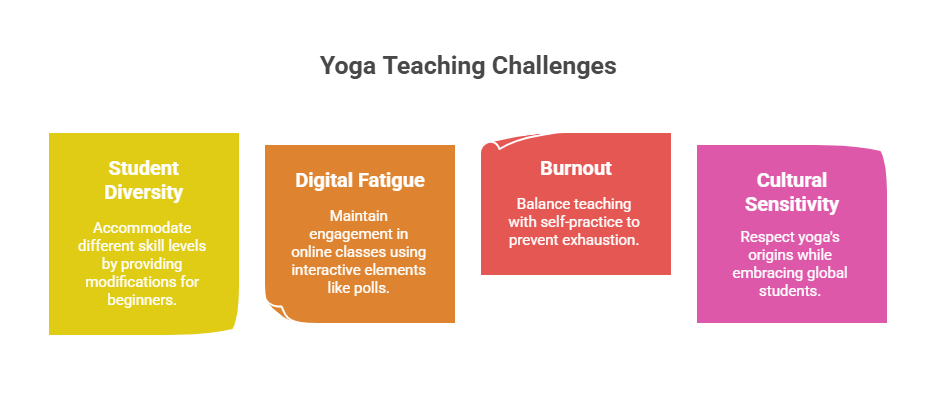
Student Diversity: Adapt to varied skill levels; offer modifications for beginners.
-
Digital Fatigue: Keep online classes engaging with interactive elements like polls.
-
Burnout: Balance teaching with self-practice to avoid exhaustion, common in India’s busy studios.
-
Cultural Sensitivity: Respect yoga’s roots while welcoming global students, a must in 2026.
Tips for Aspiring Yoga Teachers
-
Get Certified: Join a Yoga Alliance course at Entri.
-
Practice Daily: Refine your own asanas and pranayama for authenticity.
-
Build a Community: Host free meditation sessions or #MindfulIndia challenges on Instagram.
-
Learn Tech: Use Zoom or YouTube for digital classes, reaching rural India.
-
Stay Curious: Explore 2026 trends like restorative yoga via online workshops.
Your Journey to a Fulfilling Yoga Career Starts Here! Get Free Demo Classes Here!
Final Thoughts: Light Up Lives with Yoga
Teaching yoga in 2026 asks more of instructors than it did before. There is no less reverence for tradition, but more fluency with science, technology, and inclusive practice on top of it.
The teachers who thrive are the ones who stay rooted in yoga’s philosophical and ethical foundations. This goes along with genuinely engaging with what current research says about breath, nervous system regulation, and student safety.
If you’re building this career, treat certification as your starting point, not your destination. The real growth happens in the classroom, with one honest, well-taught session at a time.
|
RELATED POSTS |
|
| 20 Advanced Yoga Poses for your Body | |
| Yoga Poses for Shoulder and Neck Pain | |
| Simple Sitting Yoga Poses You Can Do at Home or Office | |
Become a Certified Yoga Instructor
Yoga Teacher Training Course by Entri App: Master authentic yoga techniques, earn certification, and build a successful career as a professional yoga instructor.
Join Now!Frequently Asked Questions
How can I become a certified yoga teacher?
To become a certified yoga teacher, you typically need to complete a Yoga Teacher Training (YTT) program at a reputable yoga school or studio. These programs vary in duration and curriculum but generally cover yoga philosophy, asanas, pranayama, teaching methodology, and practical teaching experience. After completing the program, you’ll receive a certification that allows you to teach yoga.
What are the different styles of yoga, and should I specialize in one?
There are numerous yoga styles, such as Hatha, Vinyasa, Ashtanga, Bikram, Iyengar, Kundalini, and more. You can choose to specialize in one style that resonates with you, but it’s beneficial to have a well-rounded understanding of various styles to cater to different students’ needs.
How do I create effective yoga sequences?
Effective yoga sequences should be well-balanced, gradually progressing from warm-up to peak poses, and include stretches, strength-building postures, and relaxation. Consider your students’ needs, levels, and any injuries or limitations when designing sequences.
What is the role of mindfulness and meditation in yoga teaching?
Mindfulness and meditation are integral to yoga practice. As a teacher, you can guide students in meditation techniques to enhance their mental focus, stress reduction, and inner peace.
How can I ensure a safe and inclusive yoga class?
Safety and inclusivity are paramount. Provide clear instructions, offer modifications, and encourage open communication with your students. Be mindful of cultural sensitivities and create a welcoming environment for all.
Do I need to continue my education as a yoga teacher?
Yes, continuing education is crucial for growth and staying current in the field. Attend workshops, advanced training programs, and pursue further certifications to expand your knowledge and teaching skills.
What ethical considerations should I keep in mind as a yoga teacher?
Ethical considerations include maintaining professional boundaries, respecting student privacy, and promoting a non-judgmental and compassionate atmosphere. Uphold ethical principles, including honesty, integrity, and empathy.
How do I market myself as a yoga teacher?
Building a student base often involves marketing efforts such as creating a website, using social media, networking within the yoga community, and offering workshops or classes. Word-of-mouth referrals and maintaining a strong online presence can also help.
Can I teach yoga online?
Yes, teaching yoga online has become increasingly popular. You can use platforms like Zoom or YouTube to offer live or pre-recorded classes. Effective online teaching involves clear communication and making adjustments for the virtual setting.
How do I handle challenging situations or disruptive students in class?
Address disruptive behavior with patience and understanding. Communicate privately if necessary and maintain a compassionate approach. Create a safe and supportive atmosphere for all students.