Table of Contents
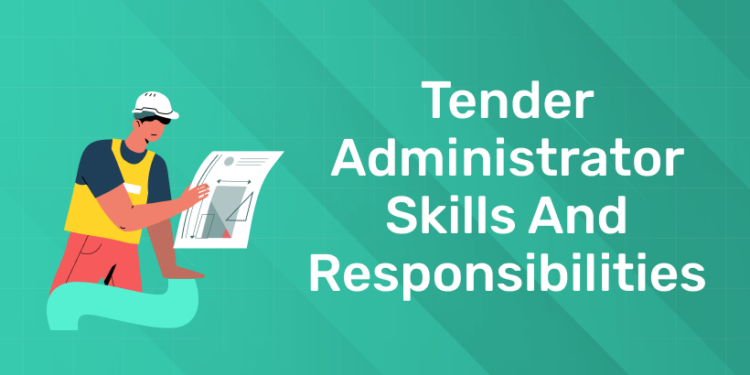
A Tender Administrator is the person who really gets things moving in the world of contracting. It’s all about spotting those lucrative contract opportunities, finessing winning proposals and then following up on where those contracts end up.
Currently, the job has changed beyond recognition – it now combines the old school skills like record keeping and project planning with the new wave of AI-powered tools for bid writing, ESG regulations, and online procurement platforms like India’s Government e-Marketplace (GeM).
If you take a look at all the job postings that are currently out there in India’s construction and procurement sectors – you’ll see that demand for good Tender Administrators is immense, especially those who can bring together a deep understanding of procurement with a knack for technology.
Get hands-on with our Quantity Surveyor course – sign up for a free demo!
Key Takeaways
- Tender Administrators are the ones responsible for overseeing the whole bidding process – it’s all part of the job.
- On top of being good with computers, these folks need to be super proficient in digital tools like the GeM portal, the CPPP, and IREPS, alongside the usual MS Office skills.
- AI-assisted bid writing and doing ESG reports have become super important – and now they’re a must have for anyone looking to get ahead in this line of work in 2026.
- Most employers are looking for a bachelor’s degree in business, engineering or supply chain as a minimum, although having a CIPS certification can definitely give you the edge you need to stand out.
- In India, junior Tender Administrators get paid a salary of ₹3LPA to 6 ₹LPA, while the more experienced ones earn ₹10 LPA to ₹18 LPA.
- Having GeM skills and being proficient in AI can bump up your salary by a cool 20-30%.
- It’s typical to move from Bid Assistant to Tender Administrator to Tender Manager to Procurement Head – that’s the way the career ladder usually works.
What is Tender Administration?
1: What is the main purpose of a Bill of Quantities (BoQ)?

Tender Administration is the process that manages the submission and evaluation of bids for a project. This includes preparing tender documents, evaluating proposals and awarding contracts.
The bidding process is used to select the best supplier or contractor for a project. It is an important part of procurement and ensures that projects are delivered on time, within budget and to the required quality standards.
Tender Administrator must understand the project requirements and the procurement process in detail. You also need strong negotiation skills to get the best value from your suppliers.
Master Quantity Surveying – Build a Rewarding Career Today!
Gain in-demand skills in cost estimation, project budgeting, and contract management with our Quantity Surveying Course. Learn from industry experts and boost your career in construction and infrastructure. Enroll now and take the first step toward success!
Know MoreWhat Does a Tender Administrator Do?
Look at a Tender Administrator as the real driving force behind every successful bid. They’re the ones doing all the behind the scenes work to get the tendering process up and running. This includes:
- preparing and reviewing tender documents
- making sure everything is compliant with the rules and regulations
- then liaising with all the different stakeholders throughout the bidding process.
There’s a lot riding on what they do – after all, if they miss a deadline or submit something with missing paperwork, the contract is lost – and usually to someone who’s just done the paperwork right.
Which is why it’s so important to get the right person for the job, someone with an eye for detail and the ability to juggle loads of different bids all at the same time while under serious pressure to get things sorted.
Core Responsibilities of a Tender Administrator
A tender administrators key tasks are:
- making sure that tender documents are all filled out and correct
- gathering together all the documentation that’s needed such as plans and policies
- attending those big meetings at the start of the tender process
- keeping electronic records up to date
- chasing up quotes and tender extensions
- searching through all the various websites to find relevant tenders
- keeping an eye on things as they go along by keeping a database up to date
Modern day tender administrators are also expected to:
- keep an eye on all the various government and private sector websites (things like e-Tenders & GeM) for any new bid opportunities – as well as RFQs
- grab all the tender documentation and get it into the right format
- then keep an eye on it all to make sure everything is running smoothly – that means keeping a tender tracker updated and on top of things like deadlines, submissions and how we’re doing with winning and losing tenders.
Here is a clear picture of what a modern tender admins tasks look like split over the classic and modern bits
| Traditional Responsibilities | 2026 Tech-Enhanced Responsibilities |
| Document compilation and editing | AI-assisted bid writing and analysis |
| Deadline tracking and communication | Digital portal management (GeM, CPPP, IREPS) |
| Vendor and stakeholder coordination | ESG/sustainability integration in bids |
| Filing and records management | Data evaluation and compliance reporting |
| Attending pre-bid meetings | Managing product/service listings on GeM |
| Processing quotation requests | Handling electronic bid submissions and EMDs |
Essential Skills for a Tender Administrator in 2026

1. Attention to Detail and Document Accuracy
This is non-negotiable. Strong organizational skills, attention to detail, and experience in bid or tender processes are essential — these skills ensure accurate, compliant, and timely submission of bids, directly impacting an organization’s ability to secure new business.
2. Technical Proficiency – MS Office and Beyond
Advanced proficiency in Microsoft Office – specifically Excel for cost analysis and Word for formatting — is a minimum technical requirement. In 2026, this extends to Gantt charts, Microsoft Project, and AI-based bid management software.
3. Communication and Stakeholder Management
Tender Administrators often need to gather information from various departments such as finance, legal, and technical teams under tight deadlines. Effective communication, strong organizational skills, and proactive follow-up are crucial to overcoming these obstacles and delivering a complete, competitive submission on time.
4. Procurement and Compliance Knowledge
Compliance knowledge — including familiarity with procurement regulations and industry-specific tender legislation — is a key differentiator for professionals in the public sector space.
5. Digital Portal Expertise (GeM and Beyond)
This is the standout 2026 skill. Tender professionals are now expected to manage complete bidding processes on platforms like GeM, including product/service catalogue updates, deletion or updating of specifications and prices, and handling submission of bid types such as Bunch Bid, Reverse Bid, Custom Bid, and Normal Bid.
6. Data Literacy and AI Familiarity
Employers increasingly expect candidates to interpret AI-generated bid analyses, use data to assess bid viability, and draft competitive proposals using AI tools – all while verifying outputs for accuracy and compliance.
Master Quantity Surveying – Build a Rewarding Career Today!
Gain in-demand skills in cost estimation, project budgeting, and contract management with our Quantity Surveying Course. Learn from industry experts and boost your career in construction and infrastructure. Enroll now and take the first step toward success!
Know MoreSkills at a Glance: Traditional vs. 2026
| Skill Area | Traditional Requirement | 2026 Expectation |
| Document management | Word, Excel, filing systems | AI bid tools, cloud-based DMS |
| Portal knowledge | Basic tender site monitoring | GeM, CPPP, IREPS, e-procurement portals |
| Analysis | Cost estimation, quote comparison | Data literacy, AI output evaluation |
| Sustainability | Not typically required | ESG reporting and green procurement |
| Communication | Internal coordination | Cross-functional stakeholder management |
|
Engineering Upskilling Courses
|
| MEP Course |
| BIM Course |
| Quantity Surveyor Course |
| Structural Design Course |
| MEP QS Course |
Qualifications and Career Path
Education
A bachelor’s degree in business administration, engineering, supply chain management, or construction management is the standard entry point. A diploma or degree in Business Administration, Supply Chain Management, or Commerce is highly preferred by employers.
Experience
Typically, 1 to 3 years of experience is expected for junior roles, while senior positions require 3 to 5 years in tender administration or procurement support.
Certifications that Add Value
| Certification | Relevance |
| CIPS (Chartered Institute of Procurement & Supply) | Global standard for procurement professionals |
| Quantity Surveying Courses | Highly relevant for construction and infrastructure tenders |
| GeM Portal Training | Mandatory for India’s government procurement roles |
| Project Management (PMP/PRINCE2) | Adds value for complex, multi-department bids |
Career Progression
Bid Assistant → Tender Administrator → Senior Tender Administrator → Tender Manager → Head of Procurement
Upskilling in AI bid tools and GeM portal management accelerates this progression significantly in the current market.
Salary Insights: India Focus (2026)
India’s infrastructure boom, renewable energy push, and expanding digital procurement ecosystem have made Tender Administrators more valuable than ever. Here is what the compensation landscape looks like:
|
Experience Level |
Annual Salary (INR) |
Key Factors |
| Junior (0–3 years) |
₹3 – ₹6 LPA |
Basic portal knowledge, MS Office proficiency |
| Mid-level (3–6 years) |
₹6 – ₹10 LPA |
GeM expertise, compliance experience |
| Senior (6+ years) |
₹10 – ₹18 LPA |
AI skills, multi-portal management, ESG |
| GeM/AI Specialist Premium |
+20–30% above base |
High demand in infra, renewables, defence |
Current job postings in India list salary ranges of ₹15,000 to ₹55,000 per month, based on experience for roles that require GeM portal expertise and the ability to effectively manage bids.
Take the first step towards a successful career! Learn Quantity Surveying from Expert Mentors!
Why the Role Matters More than Ever in 2026

Indian public procurement through the GeM portal is taking off, with billions in government contracts being processed digitally every year. Meanwhile, private companies are starting to use AI-first bid strategies to get ahead of their competitors. So a skilled Tender Administrator is no longer just a behind-the-scenes function – they’re a (potentially) game-changing business asset.
Organisations that invest in professionals with a good grasp of tendering consistently end up winning more contracts, keeping their compliance records in order and saving themselves a lot of money by avoiding costly mistakes with their bids.
If this is a career you’re considering, then 2026 might be the best time to take the plunge – the demand is high, the salaries are good and the role itself has never been more interesting or challenging.
Conclusion
In a nutshell, the role of a Tender Administrator in 2026 is a unique blend of meticulous attention to detail, a bit of strategic thinking and digital know-how. It requires professionals who are comfortable with the day-to-day paperwork, but who are also happy to get to grips with AI tools, e-procurement platforms like GeM and the evolving ESG requirements.
Whether you’re just starting out or looking to move up, the skills that are really in demand now go far beyond just getting the paperwork right – they involve being adaptable, having a good understanding of data and being genuinely driven to win.
Get these skills up to scratch now, and you will be poised not just to take advantage of India’s procurement boom, but to help drive it.
Master Quantity Surveying – Build a Rewarding Career Today!
Gain in-demand skills in cost estimation, project budgeting, and contract management with our Quantity Surveying Course. Learn from industry experts and boost your career in construction and infrastructure. Enroll now and take the first step toward success!
Know MoreFrequently Asked Questions
What exactly does a Tender Administrator do?
A Tender Administrator is in charge of the whole process of bidding, from spotting the opportunities to making sure that their organisation’s proposals are submitted on time and are compliant. They make sure that their organisation gets the contracts they need to grow.
What education or qualifications do I need to become a Tender Administrator?
A degree in business, engineering or a related subject is standard – plus a couple of years of experience in procurement. Having a certification like CIPS can give you a bit of an edge in a competitive market.
Is GeM portal knowledge a must for Tender Administrators in India?
Yeah, having GeM expertise is a big deal – especially in the public sector where it’s often a requirement. It commands a higher salary particularly in India’s 2026 infrastructure boom.
What software skills does a Tender Administrator need to have?
Get good at Excel, Word and using platforms like GeM/CPPP; and also get to grips with AI bid tools – they can make all the difference to efficiency in 2026. These tools can handle the paperwork, analysis and submissions seamlessly.
What is the main difference between a Tender Administrator and a Tender Manager?
The Administrator is focused on the detail – getting the documents ready, making sure that the submissions are correct and keeping track of things. The Manager on the other hand leads the strategy, the team and the overall bidding process. In a big organisation, the Administrator usually reports to the Manager.
Which industries are likely to need Tender Administrators?
Construction, infrastructure, defence, renewables, IT and healthcare lead the way – and India’s GeM is driving demand in a lot of government-linked sectors.