
Table of Contents
Introduction
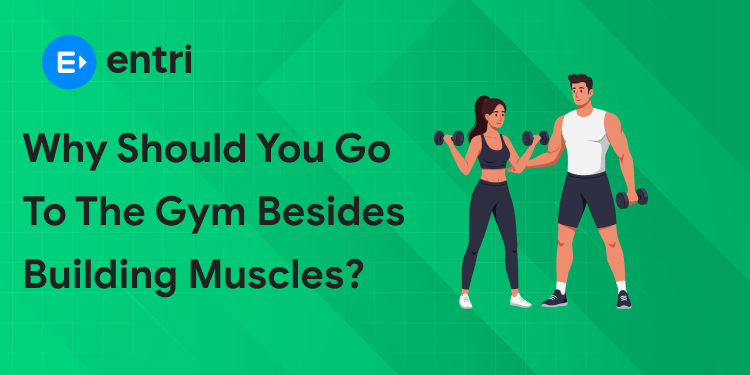
When most people think about going to the gym, they picture bigger arms, a stronger back, or a more defined physique. While building muscle is a valuable goal, it is only one of many reasons to make regular training part of your routine.
The gym can also support your mental health, protect your heart, improve sleep, increase energy, strengthen bones, and make everyday activities easier. In other words, strength training and regular exercise are investments in how well you feel and function—not just how you look.

1. A Stronger Body Beyond Appearance
Muscle is important for more than aesthetics. It helps you lift groceries, climb stairs, carry children, play sports, and stay independent as you get older.
Resistance training helps maintain and build muscle strength, which becomes especially important with age because muscle mass and strength naturally decline over time. Regular training also supports bone health, helping reduce the risk of osteoporosis and injury later in life.
You do not need to train like a bodybuilder to benefit. Consistent sessions using weights, machines, resistance bands, or your own body weight can make a meaningful difference.
Turn Your Passion for Fitness into a Profession
Learn practical skills, get certified, and step into the growing fitness industry with confidence.
Join the Course2. Better Mood and Less Stress
One of the most immediate benefits of exercise is its effect on mood. Physical activity can reduce short-term anxiety and support better mental well-being, while regular activity is associated with a lower risk of depression and anxiety.
A gym session can also act as a mental reset. Focusing on a workout—counting reps, following a routine, or completing a challenging set—can interrupt the cycle of work stress, overthinking, and daily pressure. Exercise may influence mood-regulating brain chemicals, including serotonin, dopamine, and endorphins.
Strength training can be especially empowering. Progressing from a lighter to a heavier weight, completing an extra repetition, or mastering a new movement can build confidence and a sense of competence that carries into other areas of life.
3. More Energy for Daily Life
It may sound counterintuitive, but using energy through exercise can leave you with more of it. Regular activity improves cardiovascular efficiency, helping your heart and lungs deliver oxygen and nutrients to working muscles more effectively.
Over time, this can make ordinary tasks feel easier. Climbing stairs, walking to work, cleaning the house, or keeping up with children may require less effort because your body becomes better conditioned.
If you often feel tired despite getting enough sleep, a consistent mix of cardio and strength training may be a practical place to start. Even modest amounts of movement can help, and benefits begin well before you reach an advanced fitness level.
4. Protection Against Chronic Disease
The gym is not only about fitness goals; it is also a powerful tool for long-term health. Regular physical activity can lower the risk of several serious conditions, including heart disease, stroke, high blood pressure, type 2 diabetes, metabolic syndrome, and several types of cancer.
Exercise supports healthier cholesterol levels and blood pressure, both of which are important for cardiovascular health. It can also help people manage existing conditions such as type 2 diabetes and arthritis by improving blood sugar control, function, mood, and quality of life.
For many people, the biggest benefit of training is not a visible change in the mirror. It is knowing that regular movement reduces health risks and supports a more active future.
Turn Your Passion for Fitness into a Profession
Learn practical skills, get certified, and step into the growing fitness industry with confidence.
Join the Course5. Better Sleep Quality
If you struggle to fall asleep or wake up feeling unrested, exercise may help. Regular physical activity is associated with falling asleep faster, sleeping more deeply, and improving overall sleep quality.
A workout can help release physical and mental tension accumulated during the day. However, timing matters: intense exercise close to bedtime may leave some people feeling too alert to sleep comfortably.
A morning or early-evening gym session can therefore become part of a healthy sleep routine, especially when paired with consistent sleep and wake times.

6. Improved Confidence and Body Image
The gym can change more than your body composition. It can change the way you relate to your body.
Strength training gives you clear, achievable markers of progress: lifting a little more weight, performing more repetitions, improving form, or completing a workout you once found difficult. These wins can increase self-esteem and create a sense of ownership over your health.
Rather than focusing only on body weight, you can shift your attention to what your body can do. That shift can make fitness feel more motivating, sustainable, and rewarding.
7. Independence as You Age
One of the most underrated reasons to train is preserving independence. Strong muscles, mobile joints, balance, and cardiovascular fitness all make it easier to perform everyday activities without assistance.
For older adults, regular physical activity is linked with a lower risk of functional limitations, falls, and fall-related injuries. Muscle-strengthening exercise, along with balance and aerobic activity, can help maintain the ability to live actively and independently.
Starting early is helpful, but it is never too late to begin. Even people who start exercising later in life can gain strength, mobility, and confidence.
8. A Space for Routine and Community
The gym can provide structure in an otherwise unpredictable schedule. A planned workout gives you a reason to show up, a goal to work toward, and a healthy habit that supports discipline.
It can also be social. Group classes, training partners, friendly staff, and shared fitness goals can create connection and accountability. Exercise does not have to be lonely; it can be an enjoyable part of your weekly routine.
If traditional weightlifting does not appeal to you, consider a class, swimming, cycling, functional training, or a sport-based workout. The best gym routine is one you can repeat consistently.
How Much Exercise Do You Need?
For general health, most adults benefit from at least 150 minutes of moderate-intensity aerobic activity each week, or 75 minutes of vigorous activity, along with strength training for all major muscle groups at least two days per week.
You can divide this into shorter sessions if that fits your schedule better. For example, three 30-minute workouts plus two strength sessions can provide a strong foundation. The CDC notes that benefits begin with even less than 150 minutes per week for some people, so starting small is still worthwhile.
Before beginning a new program, speak with a healthcare professional if you have a chronic condition, have been inactive for a long time, or have concerns about injuries or safety.

Final Thoughts
Going to the gym is not only about building muscles. It is about building a body that feels capable, a mind that feels clearer, and a lifestyle that supports long-term health.
Strength training can improve confidence, energy, sleep, bone health, and independence, while regular exercise reduces the risk of many chronic conditions. You do not need a perfect routine or an athletic background to start—just a willingness to show up consistently and take care of your future self.
|
Related Articles |
|
| Strength Training for Women Over 40 | Best Home Workouts to Build Muscles |
| Common Muscle Injuries and Prevention Strategies | How to Start Weight Training Safely? |
Turn Your Passion for Fitness into a Profession
Learn practical skills, get certified, and step into the growing fitness industry with confidence.
Join the CourseFrequently Asked Questions
Do I need to be fit before joining a gym?
No. A gym is designed to help you become fitter, not to test whether you already are. Beginners can start with simple machines, guided classes, walking on a treadmill, or light resistance work and progress gradually. If you have a medical condition, are pregnant, or have been inactive for a long time, consider speaking with a healthcare professional before beginning an intense program.
What should I bring to the gym for my first visit?
Bring comfortable athletic clothing, supportive training shoes, a water bottle, a small towel, and any personal items you may need, such as headphones or a lock. It is also helpful to carry a basic plan—such as a 30–45 minute full-body workout—so you do not feel lost once you arrive.
Should I work out before or after eating?
A light, balanced meal or snack containing carbohydrates and some protein about one to two hours before training can help many people feel energized. Afterward, prioritize hydration and a meal or snack with protein and carbohydrates to support recovery. Individual tolerance varies, so avoid trying a large or unfamiliar meal immediately before a workout.
How do I know which weights to start with?
Choose a weight that allows you to complete your intended repetitions with controlled form while still feeling challenged by the final few reps. Beginners often do well starting with lighter loads, learning the movement pattern, and increasing resistance gradually rather than lifting as heavily as possible.
Is it normal to feel sore after a workout?
Yes. Mild muscle soreness, especially after trying a new exercise or returning after a break, is common. It is different from sharp, sudden, or persistent joint pain; if you experience pain that is severe, worsening, or affects your movement, stop the activity and seek qualified medical advice.
How long should a beginner workout last?
A beginner does not need to spend hours in the gym. A focused session of about 30–45 minutes, including a warm-up and a few basic exercises, can be effective when performed consistently.
Can I train every day?
You can be active daily, but intense training for the same muscle groups should not happen every day. Allow at least 48 hours between demanding resistance-training sessions for the same muscles, and use lighter activities such as walking, stretching, or mobility work on recovery days.
What if I do not know how to use the equipment?
Ask a gym staff member for a walkthrough, watch the instructional labels on machines, or begin with equipment that feels intuitive. Many gyms also offer an orientation session, introductory personal-training session, or beginner classes. Learning proper technique early can reduce the risk of injury.
Do I need a personal trainer?
No, but a trainer can be useful if you want individualized guidance, accountability, help with form, or a plan tailored to an injury or specific goal. If personal training is not in your budget, a structured beginner program, reputable instructional videos, and staff guidance can still provide a solid starting point.
What if I feel intimidated or self-conscious at the gym?
Feeling unsure at first is normal, especially in a busy gym. Start during quieter hours, use headphones if they help you focus, follow a simple plan, and remember that most people are focused on their own workouts. Choosing familiar exercises and gradually expanding your routine can make the experience more comfortable.