Table of Contents
As a beautician hoping to really make it in this career, you’re going to get the basics right. This means mastering skincare fundamentals, makeup techniques, hair care methods, client communication and running a successful salon to get results that look pro.
The beauty industry is always on the move. New trends pop up, new products come out, and the whole thing just changes faster than you can keep up with. So you need to stay on top and build those lasting relationships with your clients in India’s super busy wellness sector.
You need to have both the technical know-how and the skills to connect with people that a beauty pro needs to succeed.
Master Advanced Skincare, Makeup, Hair, and Salon Management. Enrol Now!
Key Takeaways
- Skincare knowledge is the foundation of beauty services.
- Know skin types and conditions to provide safe, personalised treatments.
- Bridal makeup is a top-demand skill in India’s beauty sector.
- Master hair treatments, damage prevention, and product selection.
- Client communication affects retention; feelings matter as much as results.
- Business management skills are essential for salon owners and freelancers.
- Safety and hygiene are non-negotiable for client protection and reputation.
Overview: Essential Beautician Skills at a Glance
| Skill Category | Key Competencies | Importance Level | Industry Demand |
| Skincare Fundamentals | Skin analysis, cleansing, exfoliation, moisturising, facial techniques | Critical | High |
| Makeup Artistry | Bridal makeup, colour theory, contouring, airbrushing | Critical | Very High |
| Hair Care & Styling | Washing, conditioning, treatments, blow-dry, straightening | Essential | High |
| Client Communication | Consultation, active listening, feedback handling | Essential | High |
| Salon Business Management | Booking, inventory, pricing, digital marketing | Important | Medium-High |
| Safety & Hygiene | Sanitisation, sterilisation, infection control | Critical | Very High |
Master Makeup, Hair & Skincare to Build Your Beauty Identity
Unlock your creative potential with our expert-led Beauty & Wellness course. Build in-demand beauty skills and step confidently into the world of beauty!
Your Beauty Career Starts Here!1. Skincare Fundamentals
There are 5 skincare fundamentals to get on with. You can’t do a beauty treatment right unless you get these ones right. They’re skin analysis, proper cleansing, exfoliating, moisturising and massage skills.
You need to get a handle on all the different skin types and conditions like acne and premature aging. This equips you to give your clients treatments that really work and won’t do any damage.
The Cosmetology curriculum makes sure that all the training you get is hands-on, covering skin anatomy, products, and treatment protocols so you can give the best possible care.
Skincare is where it all starts. If you get that bit right, the rest doesn’t matter so much. You can still get by with a pretty good makeup look if the skin beneath it is all sorted out. Otherwise it is always going to fall a bit short.
Skincare Subskills Breakdown
| Subskill | What It Involves | Tools/Products Needed | Client Outcome |
| Skin Analysis | Visual and tactile examination, identifying skin type and conditions | Skin analysis chart, magnifying lamp | Customised treatment plan |
| Cleansing | Double cleansing, steam cleansing, stain removal | Cleansers, steam machine, cotton pads | Clean, prepared skin |
| Exfoliation | Mechanical (scrubs) and chemical (enzyme) methods | Scrubs, enzyme powders, brushes | Smooth, refreshed texture |
| Moisturising | Hydration techniques, product selection by skin type | Moisturisers, serums, hydrating masks | Balanced, hydrated skin |
| Facial Massage | Swedish, lymphatic drainage, and relaxation techniques | Massage oils, gels | Improved circulation and relaxation |
2. Makeup Artistry
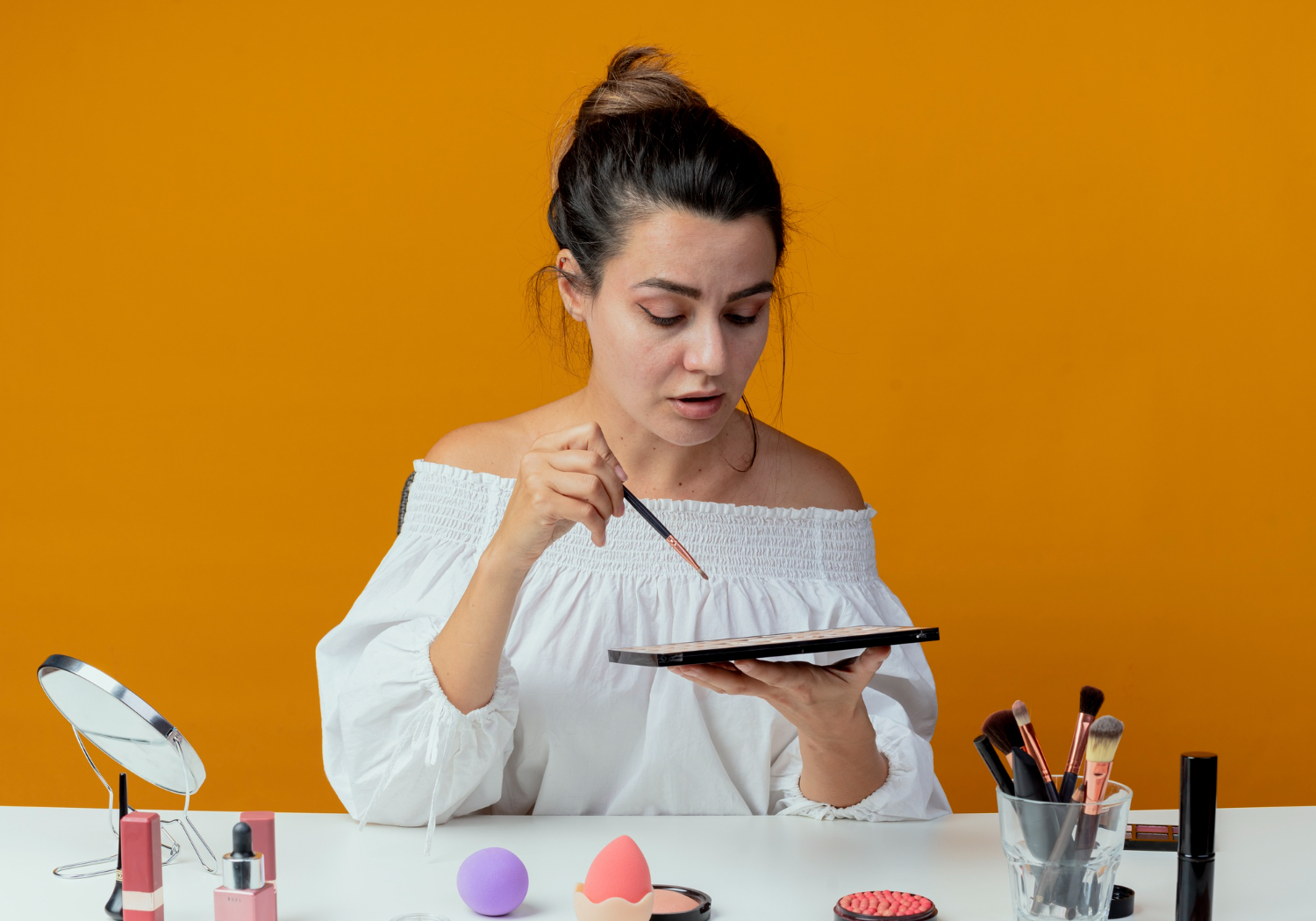
To be top-notch in makeup, you need to have some serious skills under your belt. These include bridal makeup, understanding colour, getting the right foundation match and being able to knock out advanced techniques like contouring and airbrushing. All of these are still in super high demand here in India.
Not all makeup calls for the same approach. The bridal makeup needs to be able to survive hours of photoshoots, all the emotions and changing light conditions. Editorial makeup is all about making a statement. Being able to switch between those two is where the good beauticians and the great ones part company.
With all the weddings happening in India at the moment, bridal makeup is a pretty safe bet as a way to make a good living as a beautician. This is especially true if you’re working in the metros or Tier II towns.
Makeup Techniques Comparison
| Technique | Best For | Key Steps | Duration | Skill Level |
| Basic Day Makeup | Daily wear, office events | Primer → Foundation → Powder → Eyeshadow → Lip colour | 30–40 min | Beginner |
| Bridal Makeup | Wedding ceremonies | Skin prep → Contouring → Waterproof products → Setting spray | 60–90 min | Advanced |
| Editorial Makeup | Fashion shoots, magazines | Bold colours → Artistic designs → Dramatic effects | 45–75 min | Advanced |
| Airbrush Makeup | HD photography | Airbrush gun → Layering → Setting | 40–50 min | Expert |
| Corrective Makeup | Uneven skin tones | Colour correction → Concealing → Blending | 35–45 min | Intermediate |
3. Hair Care & Styling
Essential hair care skills include
- proper washing techniques
- conditioning applications
- basic cutting knowledge
- styling methods (blow-dry, curling, straightening)
- hair treatment protocols for damage repair and maintenance.
Hair types vary across India and just about every client you meet will be a different challenge. Understanding protein, moisture, heat damage and scalp health is almost as important as knowing how to style it.
Many clients in India deal with hair concerns specific to climate and lifestyle. This includes humidity-induced frizz, hard water damage, and oiling habits passed down through generations. A beautician who can speak to these realities earns trust quickly.
Hair Treatment Services
| Service Type | Purpose | Products/Tools | Duration | Recommended Frequency |
| Hair Washing | Remove dirt, oil, product buildup | Shampoo, water | 10–15 min | 2–3 times/week |
| Conditioning | Restore moisture, improve shine | Conditioner, hair masks | 15–20 min | Weekly |
| Deep Treatment | Repair damage, strengthen hair | Protein treatments, oils | 30–45 min | Monthly |
| Blow-Dry Styling | Smooth, voluminous finish | Blow dryer, round brush, serum | 20–30 min | As needed |
| Curling/Straightening | Create waves or sleek look | Curling iron, straightener, heat protectant | 25–40 min | As needed |
Master Makeup, Hair & Skincare to Build Your Beauty Identity
Unlock your creative potential with our expert-led Beauty & Wellness course. Build in-demand beauty skills and step confidently into the world of beauty!
Your Beauty Career Starts Here!4. Client Communication
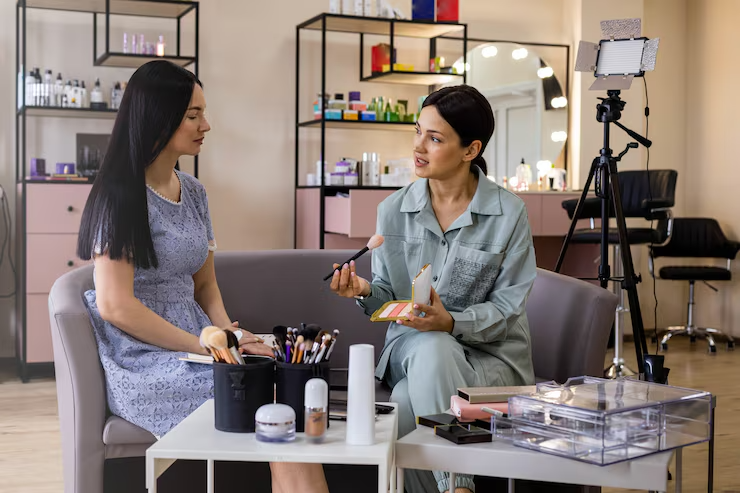
Effective client communication requires strong consultation skills, active listening, clear explanation of services, relationship building, and professional handling of feedback. This is important as in the beauty business, trust is everything.
Beauty services are deeply personal. Clients share their insecurities, their wedding-day anxieties, their bad hair days. The way you respond and the space you create for them to feel heard matters more than you think. This determines whether they come back and whether they refer others.
A client who feels truly understood will tolerate an occasional off-day. A client who feels dismissed will rarely return, no matter how technically skilled you are.
Communication Skills in Practice
| Skill | Application | Best Practices | Outcome |
| Consultation | Pre-service discussion | Ask about preferences, allergies, past experiences | Customised service |
| Active Listening | During service | Paraphrase requests, confirm understanding | Client satisfaction |
| Clear Explanation | Service descriptions | Use simple terms, show before/after references | Trust building |
| Relationship Building | Post-service follow-up | Send occasion greetings, check-in messages | Client retention |
| Feedback Handling | Addressing concerns | Listen without interrupting, offer solutions | Problem resolution |
5. Salon Business Management
Running a salon is not just about doing great hair. It involves all sorts of behind the scenes stuff like appointment booking, keeping track of what products you have in stock, pricing and basic marketing.
You also need to be able to manage the business side of things. Be it finances, customer relationships or social media.
Even the best beautician in the world will struggle to keep their business afloat if they don’t understand things like cash flow and how to use social media. India has a massive beauty industry and thousands of people are running their own businesses. So while being good at beauty is obviously important, having a good business head is almost essential.
From dealing with walk ins to posting on social media, business management in a salon is a bit of everything – the old way and the new way
Business Management Tasks
| Task | Tools/Method | Frequency | Impact |
| Appointment Booking | Salon apps, WhatsApp, Google Calendar | Daily | Client satisfaction |
| Inventory Tracking | Spreadsheet, inventory apps | Weekly | Cost control |
| Pricing Strategy | Market research, competitor analysis | Monthly | Profitability |
| Digital Marketing | Instagram, YouTube Shorts, WhatsApp groups | Weekly | New client acquisition |
| Financial Records | Accounting tools, ledger | Monthly | Business health monitoring |
6. Safety & Hygiene
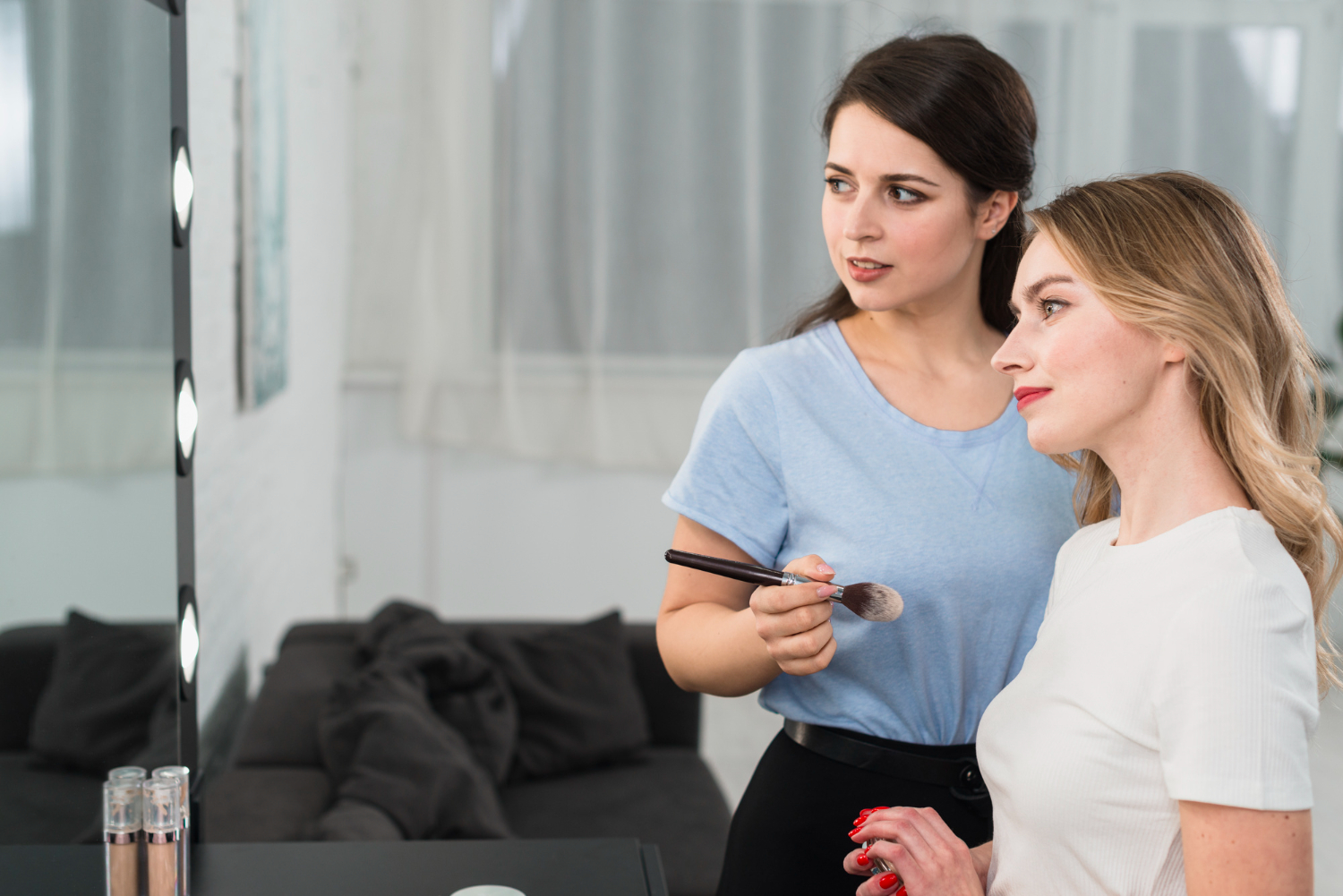
You can’t underestimate the importance of having solid safety skills up your sleeve. This includes
- proper sanitization of tools
- sterilization techniques
- infection control
- product safety knowledge
- a spotless workspace.
Let’s get one thing straight, these are absolute essentials in your professional beauty setup.Now, beauty services bring you into pretty close contact with your clients’ skin, scalp, eyes and even nails.
If you don’t do things right, infections, allergic reactions, cross-contamination, and a permanent dent in your salon’s reputation are just waiting to happen.
At the end of the day, no client should ever leave your chair looking like they’ve contracted something nasty from a dirty tool. Hygiene isn’t just about being a nice person to work with. It’s a fundamental part of your job, and it’s your responsibility.
Hygiene Protocol Checklist
| Protocol | Method | Tools Required | When to Perform |
| Tool Sanitisation | Soap wash + alcohol spray | Brush cleaner, cotton, alcohol | After each client |
| Instrument Sterilisation | Autoclave or dry heat steriliser | Steriliser machine | Daily |
| Surface Cleaning | Disinfectant spray and wipe | Disinfectant, microfibre cloth | After each service |
| Hand Hygiene | Soap wash + hand sanitiser | Soap, sanitiser | Before and after each client |
| Product Safety Check | Verify expiry dates, check storage | Date labels, storage containers | Weekly |
Master Advanced Skincare, Makeup, Hair, and Salon Management. Enrol Now!
Conclusion
Being a pro in the beauty business these days is a whole lot more than just slapping on some make up or giving someone a hairdo. You need to be a master of multiple different skills, from skincare to hair care. And you need to be able to communicate effectively to build real relationships with clients. You need to have the brains to run a successful business, and the discipline to keep everything spotless.
The Indian beauty and personal care industry is growing at an impressive pace, and the demand for skilled, certified beauty professionals is rising in parallel. Whether you’re just starting out or looking to level up your existing practice, investing in all six of these skill areas will position you for a long and rewarding career in this field.
|
RELATED POSTS |
|
| What Does a Professional Beautician Do? | |
Master Makeup, Hair & Skincare to Build Your Beauty Identity
Unlock your creative potential with our expert-led Beauty & Wellness course. Build in-demand beauty skills and step confidently into the world of beauty!
Your Beauty Career Starts Here!Frequently Asked Questions
How long does it take to learn beautician skills professionally?
A structured beautician course typically runs between 6 months and 1 year, covering both theory and practical training. The duration can vary based on the level of certification and the depth of specialisation involved.
What certification is recommended to practise as a professional beautician in India?
The NSQF-aligned cosmetology and beautician courses under India’s Directorate General of Training (DGT) are widely recognised. These programs cover all core competencies required to work professionally in salons or as self-employed practitioners.
What tools are essential for a beginner beautician?
A basic kit should include cleansers, toners, moisturisers, exfoliants, a range of makeup brushes and sponges, a blow dryer, straightener, skin analysis chart, and sanitisation supplies. The quality of tools impacts the quality of your output directly.
Can a beautician specialise in just one area like makeup or skin care?
Yes, many professional beauticians choose to specialise in bridal makeup, skincare treatments, or hair care over time. Specialisation can increase your earning potential and help you establish a niche brand or reputation.
Is digital marketing important for beauticians today?
Absolutely! Instagram and YouTube are among the most effective platforms for showcasing beauty work, attracting new clients, and building a professional brand. Short video content demonstrating your techniques or before-and-after results can significantly expand your client reach.
How often should beauticians update their skills?
The beauty industry evolves constantly, so regular upskilling, at least once or twice a year, is recommended. Attending workshops, following industry trends, and learning new techniques keeps your services fresh and competitive.
What is the role of colour theory in makeup artistry?
Colour theory helps beauticians choose the right foundation shades, correct discolouration with complementary colours, and create harmonious eye and lip combinations. Without it, even technically applied makeup can look unbalanced or unflattering.