Table of Contents
Introduction
Parent’s start worrying when their toddler eat less. Kids enjoy smaller meals. Appetite generally increases as they grow. They like to eat a lot on some days. But, take only few bites on other days. Appetite is affected by growth, teething, and other factors. Sleep and routine also plays an important role. Let us understand these reasons. Here, we have discussed in detail why toddler’s don’t eat much.
Key Takeaways
- Appetite is changed daily.
- Hunger is affected by growth.
- Eating is made uncomfortable by teething.
- Picky eating is commonly seen.
- Hunger is reduced by frequent snacks.
- Appetite is affected by excess milk.
- Constipation is linked with poor appetite.
- Eating habits are affected by sleep.
- Kids eat less during illness.
- You can take medical advice for ongoing problems.
Unlock your passion for education! Shape young minds as a Montessori teacher!
Why Do Toddlers Sometimes Eat Less?
1: What is the primary focus of the first plane of development in the Montessori method?
Many changes are experienced during toddlerhood. Eating habits are also changed over time.
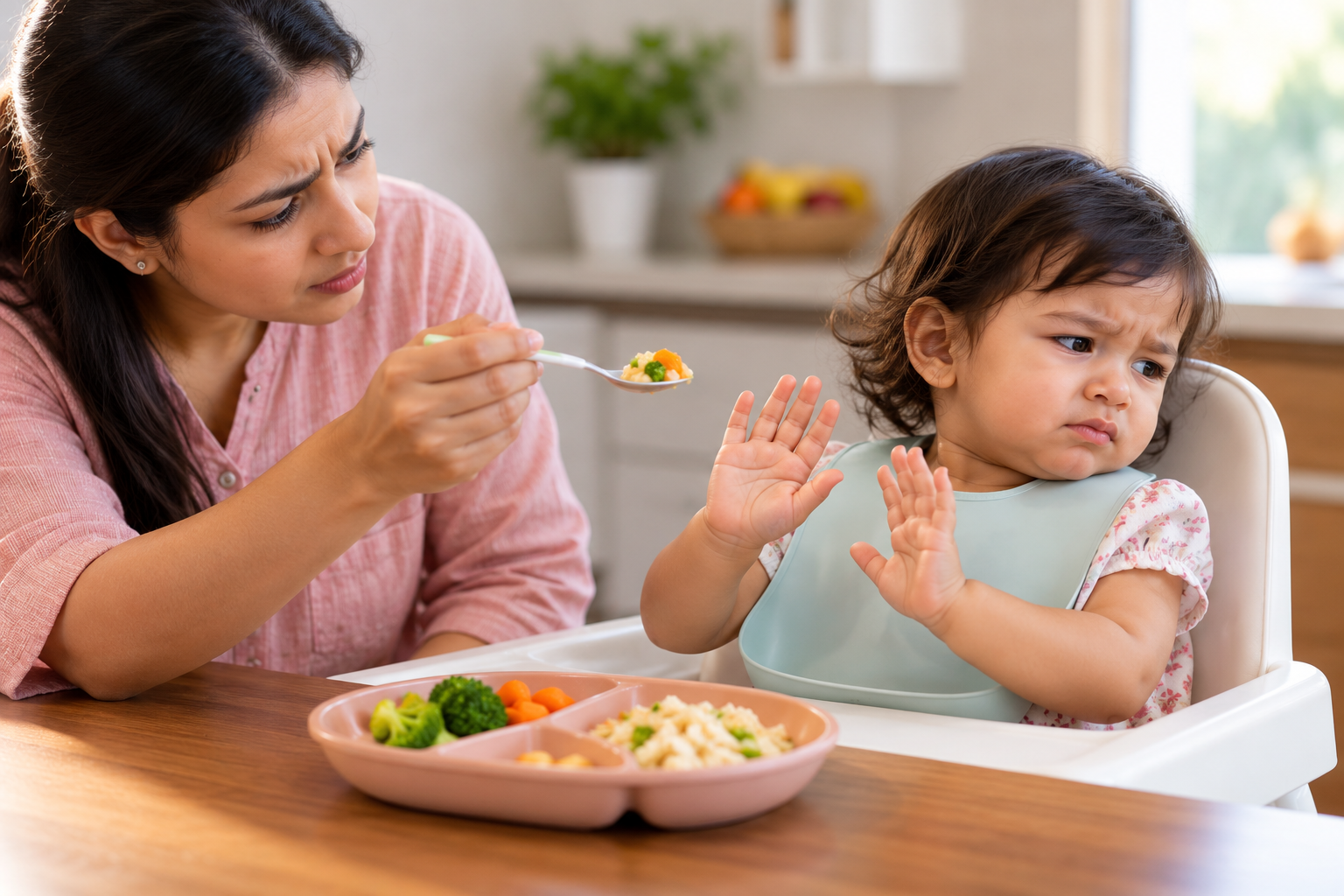
Common Reasons for Eating Less
- Slower growth. Lower energy needs are experienced.
- Changing hunger. Different appetites are seen daily.
- Teething. Chewing is made painful by sore gums.
- Food choices. Familiar foods are often preferred.
- Distractions. Attention is taken away by toys.
- Tiredness. Less food is eaten when sleepy.
- Illness. Appetite is often reduced by colds.
- Constipation. Hunger is reduced by stomach fullness.
- Changed routines. Meals are affected by new schedules.
Other Things That Affect Eating
- Too much milk.
- Frequent snacks.
- Large food portions.
- Unfamiliar foods.
- Rushed meals.
- Pressure to finish food.
- Too many distractions.
- Limited active play.
- Drinks before meals.
Is Eating Less Always a Problem?
Not always. Appetite is often changed during toddlerhood.
- Growth patterns.
- Daily activity.
- Sleep quality.
- Food choices.
- Recent illness.
- Drinking habits.
- Bowel movements.
- Energy levels.
- Weight changes.
Steady growths gives the parent reassurance. They must look for ongoing problems. Never take weight loss lightly. Proper care is required if there is dehydration.
Get Certified & Start Your Montessori Career
Montessori Teacher Training Course by Entri App: Gain expert skills, earn certification, and kickstart your teaching career.
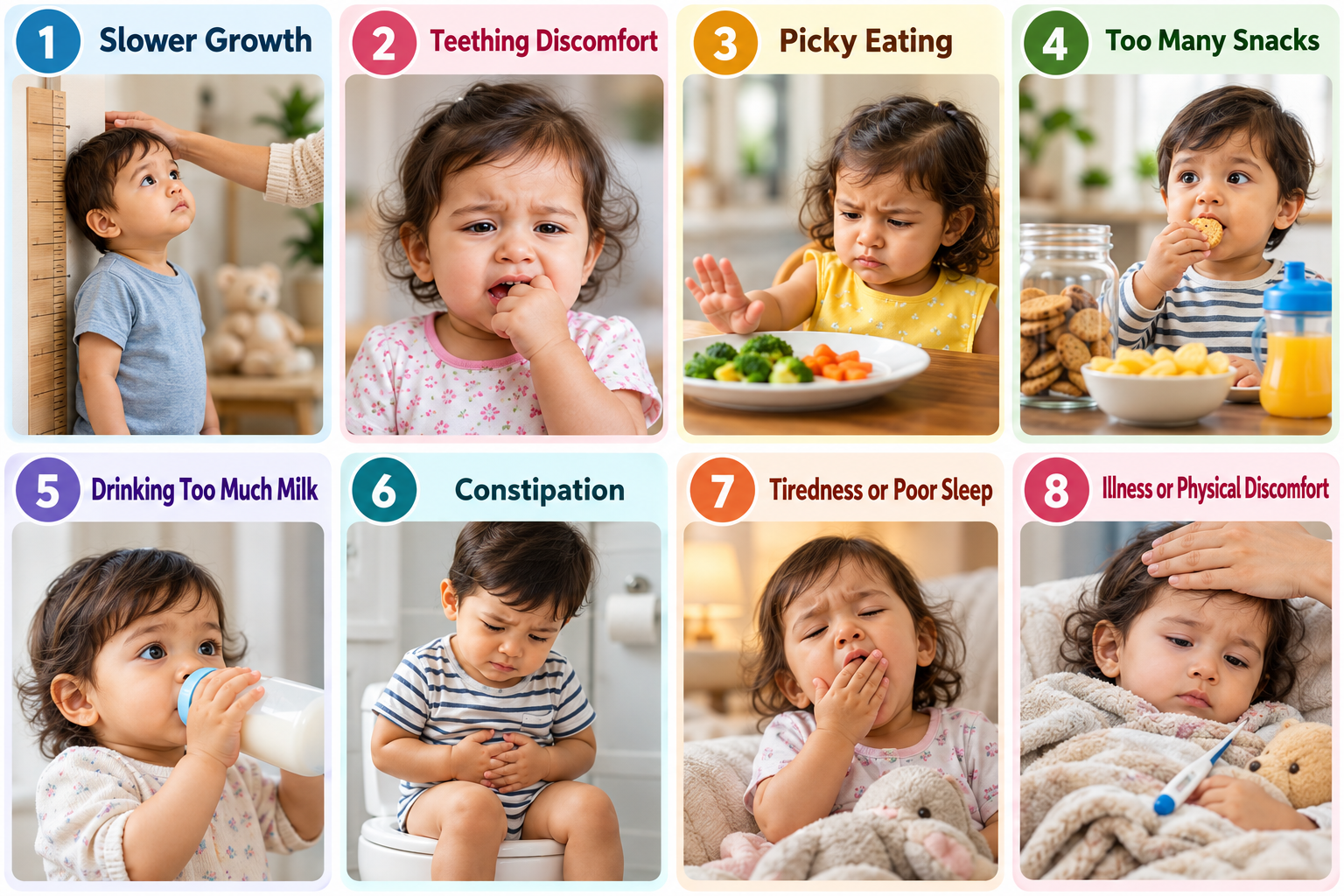
Join Now!8 Possible Reasons Your Toddler Is Not Eating Much
Different causes are linked with reduced food intake. Some problems pass quickly. Other problems need medical advice.
1. Slower Growth
Growth is slowed after infancy. Energy needs are also changed. Smaller meals are sometimes seen.
Possible signs:
- Smaller portions.
- Less hunger.
- Fewer food requests.
- Less interest in seconds.
- Longer meal gaps.
- Changing appetite.
- Normal activity.
- Steady growth.
- Different daily portions.
What helps?
- Regular meals.
- Planned snacks.
- Balanced foods.
- Flexible portions.
- Familiar foods.
- Finger foods.
- Relaxed mealtimes.
- No forced feeding.
- Growth monitoring.
Appetite is often settled naturally. Medical advice is needed for ongoing concerns.
2. Teething Discomfort
Eating is often made uncomfortable by teething. Food interest is reduced by sore gums. Hard foods are sometimes refused.
Possible signs:
- Tender gums.
- More drooling.
- Chewing objects.
- Meal-time irritability.
- Refusing hard foods.
- Mouth touching.
- Restless behaviour.
- Less chewing.
- Temporary food refusal.
What helps?
- Soft foods.
- Cool yogurt.
- Mashed vegetables.
- Soft fruits.
- Avoiding hard textures.
- Tiny portions.
- Appropriate food temperatures.
- Safe teething toys.
- Monitoring symptom.
Every symptom is not due to teething . Consult doctor only in the case of fever or lasting pain.
3. Picky Eating
Stronger food preferences are often developed by toddlers. New foods are sometimes rejected. Familiar foods are often preferred.
Possible signs:
- Refusing new foods.
- Eating few varieties.
- Rejecting mixed dishes.
- Preferring certain textures.
- Changing favourite foods.
- Avoiding certain colours.
- Rejecting different shapes.
- Requesting the same meals.
- Rejecting new smells.
What helps?
- Small portions.
- Slow food introductions.
- Repeated food offers.
- Familiar favourites.
- No forced feeding.
- Simple food presentation.
- Self-feeding opportunities.
- Different textures.
- Praise for food exploration.
Offer again and again. Being patient will help.
4. Too Many Snacks
Meal-time hunger is reduced by frequent snacking. Appetite is also affected by sweet drinks.
Possible signs:
- Refusing main meals.
- Frequent snack requests.
- Sweet drinks.
- Eating before meals.
- Little meal interest.
- Frequent biscuit requests.
- Too much juice.
- Munching between meals.
- incomplete meals.
What helps?
- Planned snack times.
- Filling snacks.
- Less grazing.
- Regular water.
- Proper routines.
- Food high in Protein.
- Food rich in Fibre.
- Avoiding snacks before meals.
- Sufficient portions.
Do not remove the snacks fully. One needs some food for the soul too.
5. Drinking Too Much Milk
Hunger is reduced when too much milk is consumed. Solid foods are often eaten less. Iron intake is also affected by excessive milk consumption.
Possible signs:
- Frequent milk requests.
- Little meal interest.
- Skipping solid foods.
- Milk preferred over food.
- Constipation.
- Food refusal after milk.
- Milk throughout the day.
- Incomplete meals.
- No variety in food.
What helps?
- Daily milk intake review.
- Meals before milk.
- Varied solid foods.
- Suitable quantities.
- Iron intake checks.
- Age-based advice.
- Regular water.
- Regular meals.
- Monitoring growth.
Need for milk changes with age. Discuss the correct amount with a pediatrition.
6. Constipation
Stomach fullness is caused by constipation. The child looses interest in food due to heaviness. Constipation can become worse by eating less.
Possible signs:
- Hard stools.
- Painful bowel movements.
- Iess stools.
- Stomach discomfort.
- low appetite.
- Straining.
- Bloating.
- Fear of passing stools.
- Smaller meals.
What helps?
- Regular water.
- Fibre-rich foods.
- Fruits & vegetables.
- Active play.
- Toilet routines.
- Whole grains.
- Correct portions.
- Relaxed toilet visits.
- Bowel changes monitoring.
Visit doctor for if constipation continues. Good care is required in case of too much pain..
7. Tiredness or Poor Sleep
Do not feed if a tired toddler. Make sure they get good sleep. Irritated kids will not eat well.
Possible signs:
- Yawning during meals.
- Irritability.
- Skipped meals.
- Poor attention.
- Changing sleep patterns.
- Falling asleep during meals.
- Evening food refusal.
- Frequent night waking.
- Increased fussiness.
What helps?
- Regular bedtimes.
- Meals before tiredness.
- Calming routines.
- Suitable naps.
- Appetite monitoring.
- No bedtime distractions.
- Slow activities.
- Regular schedules.
- Enough rest.
Visit doctor for ongoing sleep problems.
8. Illness or Physical Discomfort
Kids eat less during illnesses. Eating is made harder by a blocked nose. Swallowing is affected by sore throats.
Possible signs:
- Runny nose.
- Coughing.
- Sore throat.
- Fever.
- Unusual tiredness.
- Reduced drinking.
- Stomach discomfort.
- Mouth sores.
- Vomiting.
What helps?
- Small meals.
- Frequent fluids.
- Soft foods.
- Extra rest.
- Symptom monitoring.
- Familiar foods.
- No forced meals.
- Urine output checks.
- Medical advice when needed.
Give lot of water during illness. Take advice for ongoing symptoms. Visit a pediatrician if required.
Is Picky Eating Normal for Toddlers?
Toddlers are picky eaters. More independence is often desired around food. They like familiar foods. They may reject New tastes & textures.
Common Picky Eating Behaviours
- Unfamiliar foods refused.
- Separate food items preferred.
- Certain textures rejected.
- Different amounts eaten daily.
- Favourite meals changed.
- Mixed dishes avoided.
- Familiar snacks requested.
- Longer meal times.
- Unfamiliar smells rejected.
How Can Picky Eating Be Managed?
Meal stress is often increased by food pressure. Better experiences are created through gentle encouragement.
- Small servings offered.
- One new food introduced.
- Familiar favourites included.
- Calm meals maintained.
- Self-feeding allowed.
- Threats avoided.
- Forced bites avoided.
- Food exploration praised.
- Foods offered repeatedly.
Progress often takes time. Food variety should be encouraged gently.
Unlock your passion for education! Shape young minds as a Montessori teacher!
How Can a Toddler’s Appetite Be Improved?
Healthy eating should be taught slowly. Start with simple routines. Make meal-time fun. Give tiny portions to avoid wastage.
Helpful Ways to Improve Appetite
– Regular Meals:
- Breakfast should be served daily.
- Lunch should be offered regularly.
- Dinner times should be maintained.
- Snacks should be planned.
- Constant snacking should be avoided.
- Hunger signs should be observed.
- Enough eating time should be allowed.
- Late snacks should be limited.
- Daily routines should be maintained.
– Small Portions:
- Small plates can be used.
- Little servings should be offered.
- More food can be provided.
- Favourite foods can be included.
- Large portions should be avoided.
- Fullness signs should be respected.
- Forced bites should be avoided.
- Portions can be increased slowly.
- Food waste can be reduced.
– Healthy Snacks:
- Soft fruits can be offered.
- Plain curd can be served.
- Boiled eggs can be included.
- Small sandwiches can be prepared.
- Cooked vegetables can be offered.
- Sweets should be limited.
- Sugary drinks should be reduced.
- Water should be offered.
- Snack times should be planned.
Get Certified & Start Your Montessori Career
Montessori Teacher Training Course by Entri App: Gain expert skills, earn certification, and kickstart your teaching career.
Join Now!What Foods Can Be Offered to Toddlers?
Each food contains different nutrients. Familiar foods can make meals easier. Introduce new foods slowly.
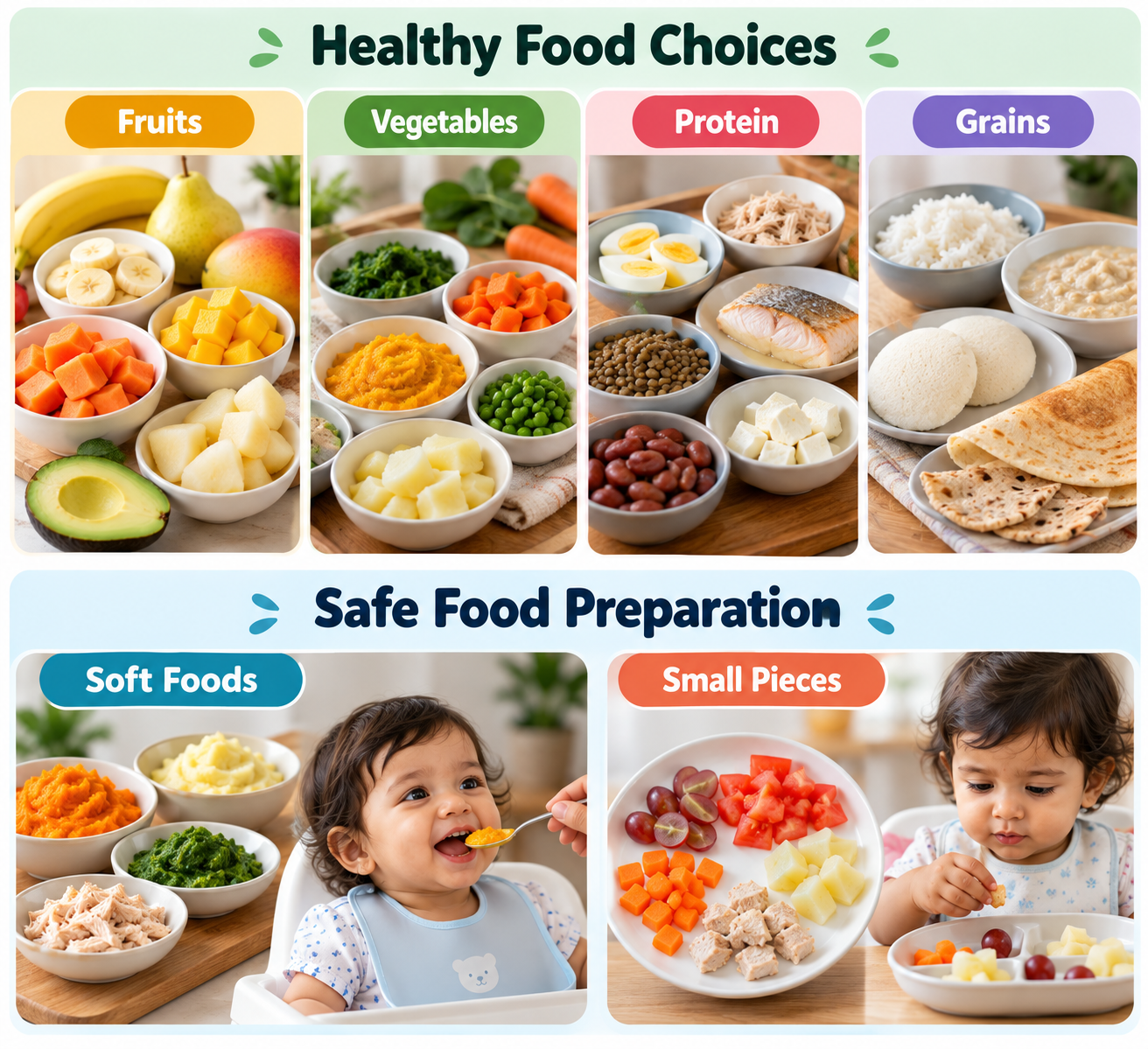
Healthy Food Choices
– Fruits:
- Ripe bananas can be served.
- Soft papaya can be offered.
- Ripe pears can be prepared.
- Soft mango can be included.
- Mashed avocado can be tried.
- Seeds should be removed.
- Fruits should be cut safely.
- Ripe fruits should be chosen.
- Different varieties can be offered.
– Vegetables:
- Carrots should be cooked until soft.
- Pumpkin can be mashed.
- Spinach should be cooked.
- Soft potatoes can be offered.
- Cooked peas can be included.
- Vegetables can be added to rice.
- Different colours can be introduced.
- Vegetables should be cut safely.
- Hard pieces should be avoided.
– Protein:
- Eggs should be cooked well.
- Fish bones must be removed.
- Cooked lentils can be mashed.
- Beans should be softened.
- Chicken can be shredded.
- Soft paneer can be offered.
- Protein choices can be changed.
- Allergies should be considered.
- Suitable portions should be served.
– Grains:
- Soft rice can be served.
- Simple porridge can be prepared.
- Soft idli can be offered.
- Dosa should be cut safely.
- Chapati can be softened with curry.
- Cooked oats can be served.
- Grain choices can be changed.
- Dry pieces should be avoided.
- Food should be easy to chew.
Safe Food Preparation
– Soft Foods:
- Vegetables should be cooked well.
- Suitable foods can be mashed.
- Meat should be softened.
- Tough skins should be removed.
- Food temperature should be checked.
- Food should be cut safely.
- Hard foods should be avoided.
- Meals should be supervised.
- Suitable textures should be served.
– Small Pieces:
- Grapes should be quartered lengthwise.
- Tomatoes should be cut safely.
- Whole nuts should be avoided.
- Hard vegetables should be softened.
- Fish bones must be removed.
- Large chunks should be avoided.
- Toddlers should sit upright.
- Eating should be supervised.
- Walking while eating should be avoided.
How Should Mealtime Behaviour Be Managed?
Keep eating time calm and pleasant. Do not force feed. Let the kid enjoy every morsel.
Helpful Mealtime Habits
– No Force:
- Food refusal should be respected.
- Forced bites should be avoided.
- Fullness signs should be noticed.
- Gentle tasting should be encouraged.
- Threats should be avoided.
- Food should not be used as punishment.
- Meals should be kept calm.
- Self-feeding should be allowed.
- Patience should be maintained.
– Family Meals:
- Meals can be shared regularly.
- Healthy eating can be modelled.
- New foods can be tried together.
- Positive conversations should be encouraged.
- Criticism should be avoided.
- Self-feeding can be supported.
- Meals should be made enjoyable.
- Comparisons should be avoided.
- Small efforts should be praised.
– Less Distraction:
- Television should be switched off.
- Phones should be put away.
- Toys should be removed.
- Screen feeding should be avoided.
- Calm surroundings should be maintained.
- Enough time should be allowed.
- Pleasant conversations can be encouraged.
- Rushing should be avoided.
- Toddlers should be supervised.
Behaviours to Avoid
– Food Pressure:
- Forced bites should be avoided.
- Threats should never be used.
- Food punishment should be avoided.
- Negative comparisons should be stopped.
- Empty plates should not be demanded.
- Fullness should be respected.
- Rushing should be avoided.
- Food exploration should be encouraged.
- Arguments should be avoided.
– Constant Snacking:
- Snack times should be planned.
- Sugary drinks should be limited.
- Constant grazing should be avoided.
- Milk intake should be reviewed.
- Water should be offered.
- Healthy snacks should be chosen.
- Meal times should be maintained.
- Appetite changes should be observed.
- Excessive snacking should be reduced.
When Should Concern Be Raised?
Reduced appetite can be temporary. However, some signs need medical attention. Growth and energy should be monitored.
Warning Signs to Watch
– Weight Loss:
- Loose clothes may be noticed.
- Weight loss may occur.
- Growth may slow.
- Energy may decrease.
- Meals may be refused.
- Appetite may remain low.
- Eating may become difficult.
- Activity may decrease.
- A doctor should be consulted.
– Dehydration:
- Fewer wet nappies may occur.
- A dry mouth may develop.
- Tears may become fewer.
- Dark urine may appear.
- Unusual sleepiness may develop.
- Drinking may decrease.
- Urination may become less frequent.
- Medical advice should be sought.
- Severe cases need urgent care.
– Eating Difficulties:
- Repeated coughing may occur.
- Frequent choking may happen.
- Chewing may become difficult.
- Food may remain in the mouth.
- Meals may take longer.
- Certain textures may be refused.
- Repeated gagging may occur.
- Pain may be felt while eating.
- A doctor should be consulted.
When Medical Help Is Needed
– Ongoing Problems:
- Poor food intake may continue.
- Weight changes may appear.
- Stomach problems may develop.
- Feeding difficulties may increase.
- Food refusal may continue.
- Growth may slow.
- Discomfort may persist.
- Vomiting may occur often.
- Medical advice should be followed.
– Urgent Symptoms: Medical help should be obtained quickly.
- Severe weakness may develop.
- Urine may become very limited.
- Repeated vomiting may occur.
- Severe pain may develop.
- Blood may appear in vomit.
- Breathing may become difficult.
- Unresponsiveness may occur.
- Severe dehydration may develop.
- Emergency care should not be delayed.
How Can Parents Support Healthy Eating?
Healthy habits take time. Appetite may change. Every day is different. Judged progress over time.

Everyday Tips for Parents
– Stay Patient:
- Appetite changes should be expected.
- Foods should be offered again.
- Small improvements should be accepted.
- Pressure should be avoided.
- Eating habits should be observed.
- Routines should be maintained.
- Comparisons to be avoided.
- Concerns to be monitored.
- Guidance should be sought.
– Offer Variety:
- Fruits should be rotated.
- Vegetables should be included.
- Grain choices should be changed.
- Protein foods should be offered.
- Familiar foods can be paired with new ones.
- New textures can be introduced.
- Allergies should be considered.
- Balanced meals should be served.
- Simple recipes can be tried.
– Respect Cues: Hunger and fullness should be respected.
- Turning away should be noticed.
- Closed mouths should be respected.
- Food refusal should be accepted.
- Forced bites should be avoided.
- Small portions should be offered.
- Self-feeding should be allowed.
- Meals should end calmly.
- Eating patterns should be observed.
- Unnecessary pressure should be avoided.
– Keep Routines:
- Breakfast should be served.
- Lunch times should be maintained.
- Dinner should be scheduled.
- Snacks should be planned.
- Milk intake should be checked.
- Water should be offered.
- Screen use should be reduced.
- Family meals should be shared.
- Routines should be kept steady.
Conclusion
A toddler’s appetite can change daily. Small meals may sometimes be normal. Growth, hydration, and energy should be monitored. Healthy routines can support better eating habits. Food should never become a source of pressure. Persistent concerns should be discussed with a healthcare professional.
Get Certified & Start Your Montessori Career
Montessori Teacher Training Course by Entri App: Gain expert skills, earn certification, and kickstart your teaching career.
Join Now!Frequently Asked Questions
Is it normal for toddlers to eat less sometimes?
Yes, a toddler’s appetite can change from day to day. Growth changes, teething, and activity levels may affect hunger.
Why is my toddler suddenly eating less?
Teething, illness, constipation, or tiredness may reduce appetite. Persistent changes should be discussed with a healthcare professional.
Should I force my toddler to finish meals?
No, food should never be forced on toddlers. Hunger and fullness signs should always be respected.
Can too much milk reduce a toddler’s appetite?
Yes, excessive milk can make toddlers feel full. Milk intake should be balanced with regular meals.
How many meals should a toddler eat daily?
Toddlers generally benefit from three meals and two snacks. Portions and timing should be adjusted to individual hunger cues.
What foods can help a toddler eat better?
Soft fruits, cooked vegetables, eggs, rice, and lentils are useful options. Different nutritious foods should be offered in age-appropriate textures.
How can picky eating be managed in toddlers?
New foods should be offered repeatedly without pressure. Familiar foods can be served alongside small portions of new choices.
When should a doctor be consulted about poor appetite?
Medical advice should be sought when poor appetite persists or growth slows. Dehydration, weight loss, and swallowing difficulties also need prompt attention.
Can teething cause toddlers to refuse food?
Yes, sore gums may make chewing uncomfortable. Soft foods and cool, age-appropriate options may provide relief.
What should I do if my toddler refuses most foods?
Calm mealtimes and regular food offerings may help. Professional advice should be sought if refusal continues or nutrition becomes a concern.